




 Lina Hope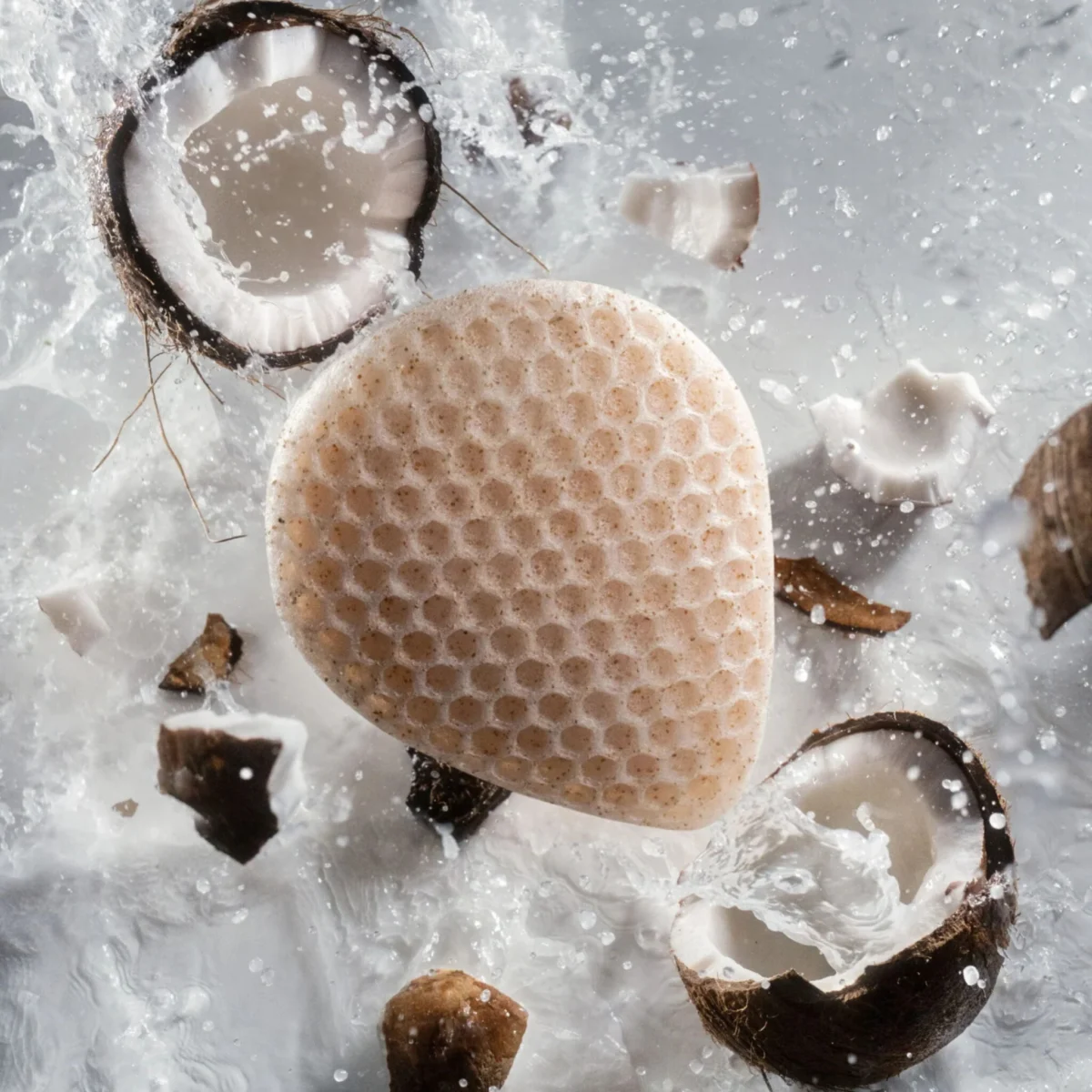
Main Facts: The Rise of the Natural Exfoliant
In the era of the "everything shower"—a viral social media trend where consumers engage in exhaustive, multi-step hygiene routines—a quiet revolution is taking place within the bathroom stall. As the beauty industry faces increasing scrutiny over its environmental footprint, the traditional plastic shower pouf, a staple of Western bathrooms for decades, is being systematically replaced by a far older, biodegradable alternative: the konjac sponge.
At the forefront of this shift is Casamera, a sustainable wellness brand that has reimagined the ancient Japanese skincare tool for a modern, eco-conscious audience. Unlike the ubiquitous neon-colored plastic loofahs, which are manufactured from synthetic polymers like polyethylene, the konjac sponge is derived entirely from the Amorphophallus konjac plant, a root vegetable native to Southeast and East Asia.
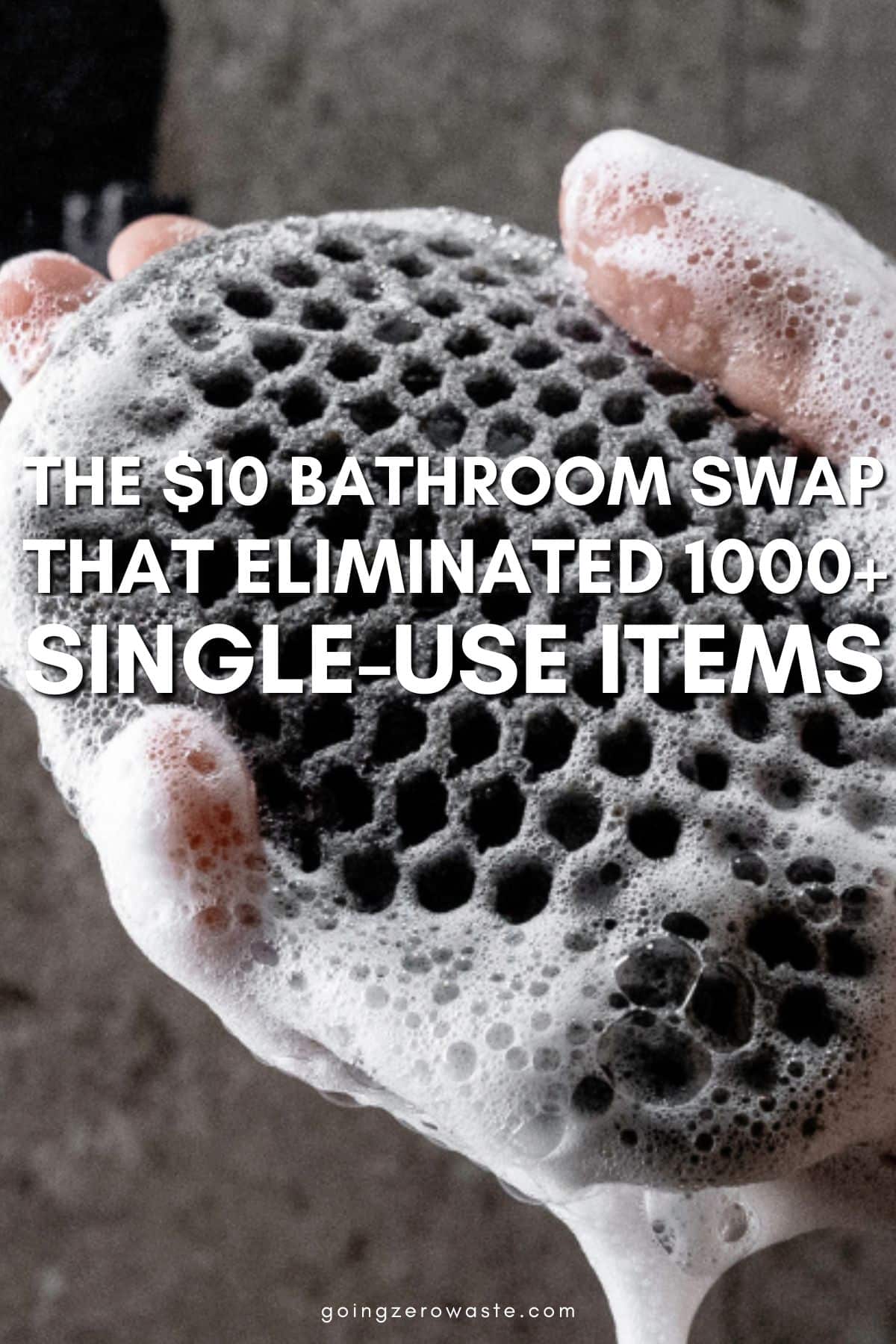
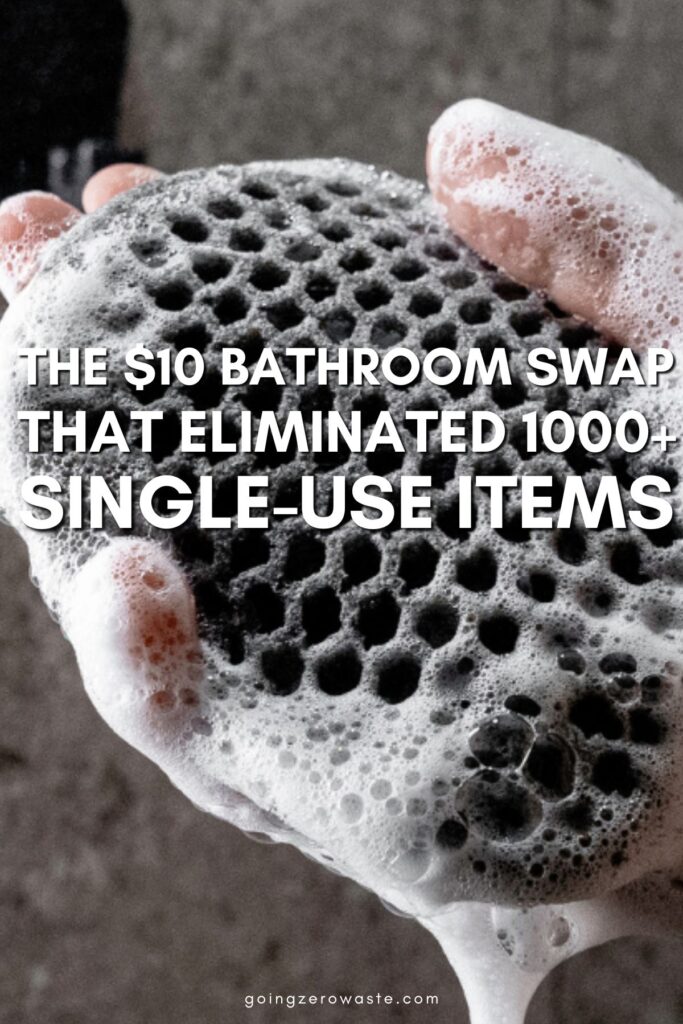
The core appeal of the konjac sponge lies in its dual functionality and environmental neutrality. Casamera’s specific iteration of the product features a dual-sided design: one side consists of a soft, honeycomb-textured konjac fiber for gentle cleansing, while the reverse is infused with natural walnut shells to provide a more rigorous exfoliation. This innovation addresses a common criticism of standard konjac sponges—that they are often too soft for effective body scrubbing—positioning the product as a viable, 100% compostable replacement for both synthetic body sponges and single-use facial wipes.
Chronology: From Ancient Dietary Staple to Modern Skincare Essential
The journey of the konjac plant from a wild tuber to a global skincare phenomenon spans over a millennium. Understanding its trajectory provides context for why it has become the "gold standard" for sustainable exfoliation today.
- The 6th Century: Konjac was first introduced to Japan from China, initially utilized as a medicinal food source. Buddhist monks recognized the plant’s health benefits, and it eventually became a staple in Japanese "shojin ryori" (monastic vegetarian cuisine).
- The 19th Century: Historical records suggest that Japanese farmers began using the fibrous root to bathe newborn babies. The naturally alkaline nature of the plant, combined with its unique water-retention properties, made it ideal for sensitive skin without the need for harsh soaps.
- Late 20th Century: As the global skincare market expanded, the "J-Beauty" (Japanese Beauty) movement began exporting traditional rituals to the West. Konjac sponges gained a cult following among dermatologists and estheticians for their ability to cleanse without disrupting the skin’s delicate pH balance.
- 2010–2020: The rise of the "Zero Waste" movement highlighted the environmental crisis of plastic microfibers. Personal care brands began seeking alternatives to the plastic pouf, leading to the commercialization of konjac sponges in mainstream Western retail.
- 2024 and Beyond: Brands like Casamera have refined the manufacturing process, moving beyond simple facial sponges to create "The Scrubber"—a larger, ergonomically designed body tool infused with specialized ingredients like activated charcoal, matcha, and volcanic mud.
Supporting Data: The Environmental and Biological Case for Konjac
The transition from synthetic to natural bathing tools is supported by a growing body of data regarding environmental degradation and dermatological health.
The Plastic Problem
A standard plastic shower pouf is essentially a long strip of non-recyclable plastic mesh bunched together. According to environmental research, these items are designed for a lifespan of only two months before they become too laden with bacteria to be safe. Because they are made of synthetic polymers, they do not biodegrade. When disposed of, they persist in landfills for centuries. Furthermore, every time a plastic pouf is used, it sheds microplastics—microscopic shards of plastic—that enter the water system and eventually the global food chain.
The "Fatberg" Crisis
The personal care industry’s reliance on single-use wipes is equally catastrophic. A 2017 study by Water UK found that "flushable" wipes make up nearly 93% of the material causing sewer blockages, known as "fatbergs." These massive, solidified masses of grease and non-biodegradable waste cost municipalities millions of dollars annually to clear. Konjac sponges offer a direct solution to this, as they can effectively remove makeup and grime when paired with a cleanser, yet they are fully compostable at the end of their life cycle.
Dermatological Efficacy
Biologically, the konjac plant contains glucomannan, a sugar-like fiber that is highly absorbent. When hydrated, the sponge creates a thin film of water between the plant fibers and the skin. This ensures that the fibers never actually touch the skin directly, reducing the risk of micro-tears that can occur with harsh synthetic scrubs or loofahs.
Casamera’s product data indicates that their sponges are naturally antimicrobial and fast-drying. This is a critical distinction, as traditional sponges are notorious for harboring Pseudomonas aeruginosa and other bacteria in the humid environment of a bathroom. The porous structure of the konjac fiber allows for rapid airflow, significantly inhibiting bacterial growth.

Official Responses: The Brand Philosophy and Ethical Manufacturing
In a statement regarding the development of their scrubber line, Casamera emphasized that sustainability must be holistic rather than performative. "A product is only as sustainable as its entire lifecycle," the brand notes. This philosophy is reflected in several key operational pillars:
- Ingredient Integrity: Casamera utilizes only four primary natural ingredients to create their scrubbers. By infusing the konjac base with materials like charcoal (for acne-prone skin), matcha (for antioxidants), and volcanic mud (for mineral-rich cleansing), they provide targeted skincare benefits without synthetic additives.
- Carbon Neutrality: Recognizing that manufacturing and shipping inevitably produce a carbon footprint, the brand has committed to planting trees for every order placed. This reforestation effort serves to offset the logistics of their global supply chain.
- Low-Waste Logistics: The company has eliminated plastic from its shipping materials, opting for recycled paper and compostable packaging. This ensures that the consumer’s journey toward zero waste begins the moment the package arrives.
- Ergonomic Innovation: Casamera’s response to the "flimsiness" of traditional konjac sponges was the inclusion of an ergonomic handle and a dual-sided texture. By incorporating walnut shells for exfoliation, they have bridged the gap between a gentle facial cleanser and a robust body scrubber.
Implications: A Shift in Consumer Consciousness
The shift toward konjac-based hygiene tools has broader implications for the future of the consumer goods industry. As the "everything shower" trend evolves, there is a visible movement away from quantity and toward quality—what many are calling "skinimalism."
Economic Long-termism
While a plastic pouf may cost $2.00, its environmental cost and the need for frequent replacement (due to mold and odor) make it an inefficient purchase. A high-quality konjac sponge, such as Casamera’s Scrubber Pack, lasts significantly longer and provides multiple functions (cleansing, exfoliating, and makeup removal), offering better long-term value for the consumer.

Impact on Waste Management
If the majority of households transitioned from plastic poufs and single-use wipes to compostable konjac sponges, the reduction in landfill waste and microplastic pollution would be measurable on a global scale. It represents a "low-hanging fruit" in the fight against plastic pollution—a simple swap that requires no sacrifice in luxury or efficacy.
Health and Wellness
As consumers become more aware of the chemicals present in single-use wipes—including potential "forever chemicals" like PFAS and harsh preservatives—the demand for "naked" or minimally processed tools like the konjac sponge will likely continue to rise. The ability to sanitize a konjac sponge simply by placing it in boiling water for two minutes offers a level of hygiene that synthetic alternatives cannot match without melting.
In conclusion, the resurgence of the konjac sponge, led by brands like Casamera, represents a rare alignment of ancient wisdom and modern environmental necessity. By replacing the non-biodegradable plastic pouf with a plant-based, compostable alternative, consumers can maintain their elaborate self-care rituals without contributing to the global plastic crisis. The "everything shower" of the future is not one defined by the number of plastic bottles on the shelf, but by the sustainability of the tools used within it.


 Iffa Jayyana
 Azzam Bilal Chamdy