
 Sagoh
Sagoh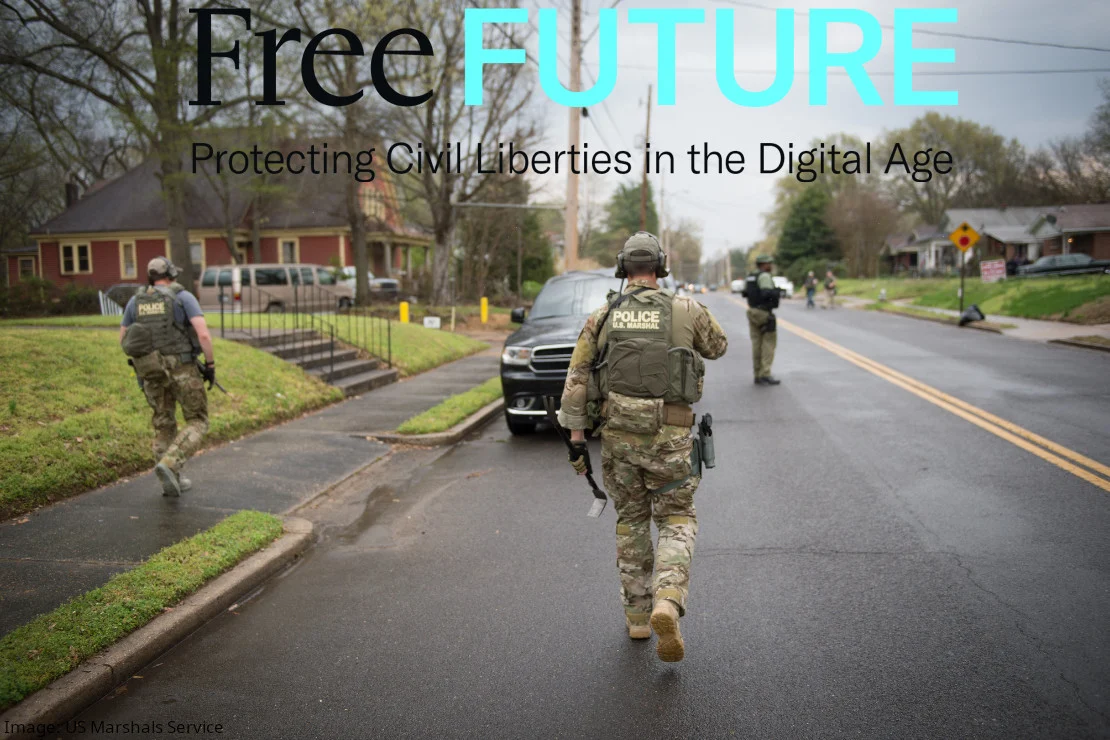
In a move that civil liberties advocates describe as an unprecedented consolidation of federal power over local law enforcement, the Trump administration has launched the "Model Cities Initiative." Backed by a $300 million grant program, the initiative aims to reshape urban public safety by funneling massive federal resources into selected municipalities. However, critics argue the program serves as a Trojan horse for an authoritarian policing model that prioritizes ideological alignment, aggressive surveillance, and the federalization of local police departments.
The Memphis Blueprint: A Case Study in Aggressive Policing
To understand the trajectory of the Model Cities Initiative, one must first look to Memphis, Tennessee. Throughout the current year, the city has become the staging ground for what the ACLU and local activists have termed a "nightmarish" expansion of law enforcement authority.
Under an invitation from the state’s governor, a 31-agency task force—comprising federal, state, and local agents—has effectively blanketed Memphis streets. The operation has been marked by high-frequency traffic stops, large-scale immigration sweeps, and a heavy-handed patrol presence that has drawn intense scrutiny from civil rights groups.
The human cost of this "surge" is documented in ongoing litigation, including the case Dempster v. Blanche. Reports from the ground detail agents engaging in confrontational tactics: tackling individuals for the act of filming police activity, utilizing police vehicles to swerve at observers, and conducting systematic surveillance of residents who challenge their presence. For the residents of Memphis, particularly those in marginalized communities, the initiative has not felt like a restoration of order, but an occupation.
Chronology of the Federal Pivot
The current escalation did not occur in a vacuum. It represents the culmination of a multi-year shift in how the Department of Justice (DOJ) interacts with local jurisdictions.
- 2017–2024: The foundation for this shift was laid as federal rhetoric began to emphasize "American carnage," framing urban centers as lawless zones.
- Early 2025: The federal government intensified policing surges in cities like Washington, D.C., and Memphis, testing the efficacy of multi-agency task forces.
- September 2025: The DOJ formally announced the "Model Cities Initiative," signaling a transition from ad-hoc task forces to a permanent, grant-based infrastructure.
- Late 2025–Present: The DOJ began attaching "conditional strings" to routine federal grants, requiring local departments to adopt federal surveillance technology and anti-immigrant enforcement protocols as a prerequisite for funding.
Supporting Data and the "Crime Myth"
The DOJ justifies the $300 million expenditure on the premise that violent crime and public disorder have surged across the United States. However, this assertion is starkly contradicted by FBI crime data and independent reports from organizations like the Council on Criminal Justice.
While the DOJ cites a need to "supercharge" local partners, the data suggests that violent crime rates in many American cities have actually stabilized or declined over the past several years. By framing the initiative as a response to a fabricated crime wave, the administration creates the political space necessary to bypass local democratic oversight.
The initiative’s grant documentation reveals a heavy emphasis on high-tech surveillance. Allowable costs for participating cities include:
- Advanced Facial Recognition Systems: Tools capable of mass tracking in public spaces.
- Predictive Policing Algorithms: Software that often relies on biased historical data to over-police minority neighborhoods.
- Integrated Data Warehousing: Centralized systems that merge local police databases with federal immigration and intelligence records, effectively turning local officers into extensions of federal agencies.
Official Responses and Administrative Intent
Acting Attorney General Todd Blanche has championed the program, explicitly linking it to the successes in Memphis and D.C. In official press statements, the DOJ claims that the program is "leveraging every authority" to provide cities with the tools they need to combat disorder.
However, internal documents and external analyses suggest the intent goes far beyond crime reduction. A recent memo from the centrist think tank Third Way characterizes the initiative as an "ideological hijacking." According to the report, the administration is using the promise of funding to force local departments into the White House’s ongoing battles over immigration, gender identity, and diversity initiatives.
"Instead of directing DOJ grants toward proven public safety needs," the report notes, "the Administration is using them to reward political alignment and punish independence."
The Implications: A Threat to Local Autonomy
The implications of the Model Cities Initiative are profound and multifaceted. At its core, the program represents a shift from "community policing"—which relies on building trust and solving localized problems—to "federalized policing," which emphasizes surveillance and force.
1. The Erosion of Constitutional Rights
The primary concern among legal experts is the suppression of First Amendment activities. As seen in Memphis, when federal agents operate with impunity, the constitutional right to observe and record police conduct is the first casualty. By funding the technology that facilitates this suppression, the DOJ is essentially underwriting the violation of civil rights.
2. Co-opting Local Governance
Many cities are currently facing severe budget constraints. The Model Cities Initiative exploits this financial desperation. Local leaders are faced with an impossible choice: either accept federal funds and the accompanying mandates to engage in anti-immigrant operations and aggressive surveillance, or face a shortfall in their public safety budgets. This creates a "pay-to-play" dynamic where federal ideology dictates local priorities.
3. The "Surveillance State" Expansion
The reliance on advanced technology, coupled with the integration of local and federal databases, poses a significant threat to personal privacy. If a city accepts these grants, they are essentially agreeing to be a laboratory for the next generation of invasive policing tools. This data collection is not limited to those suspected of violent crimes; it is dragnet-style, capturing the information of ordinary, law-abiding citizens.
4. Counter-Productivity in Public Safety
Evidence-based research consistently shows that the most effective ways to reduce crime involve community-based programs, mental health support, and economic development. While the Model Cities Initiative includes some funding for these services, it ties them to the "strings" of federal compliance. By forcing cities to choose between survival-based funding and autonomy, the administration risks dismantling the very community-driven strategies that actually reduce recidivism and violence.
Conclusion: A Call for Congressional Oversight
The Model Cities Initiative is not merely a funding program; it is a fundamental reconfiguration of the relationship between the federal government and local communities. By leveraging grant money as bait, the administration is effectively eroding the independence of local law enforcement, turning departments that should be accountable to their local residents into instruments of federal policy.
As the program expands to select additional cities, the question for Congress and the American public is whether the benefits of federal funding are worth the cost of constitutional rights and local self-governance. Critics argue that the "Model Cities" are, in reality, a blueprint for a future where privacy is secondary to surveillance, and where loyalty to the federal administration supersedes the duty to protect and serve the local community.
The path forward, according to civil rights advocates, requires a robust legislative check on the DOJ’s authority to impose political conditions on public safety funding. Without such intervention, the "Model Cities" of today may well become the standard for the entire nation tomorrow—a chilling prospect for those who value a decentralized and rights-focused approach to policing.

 Reynand Wu
 Azzam Bilal Chamdy