


 Jia Lissa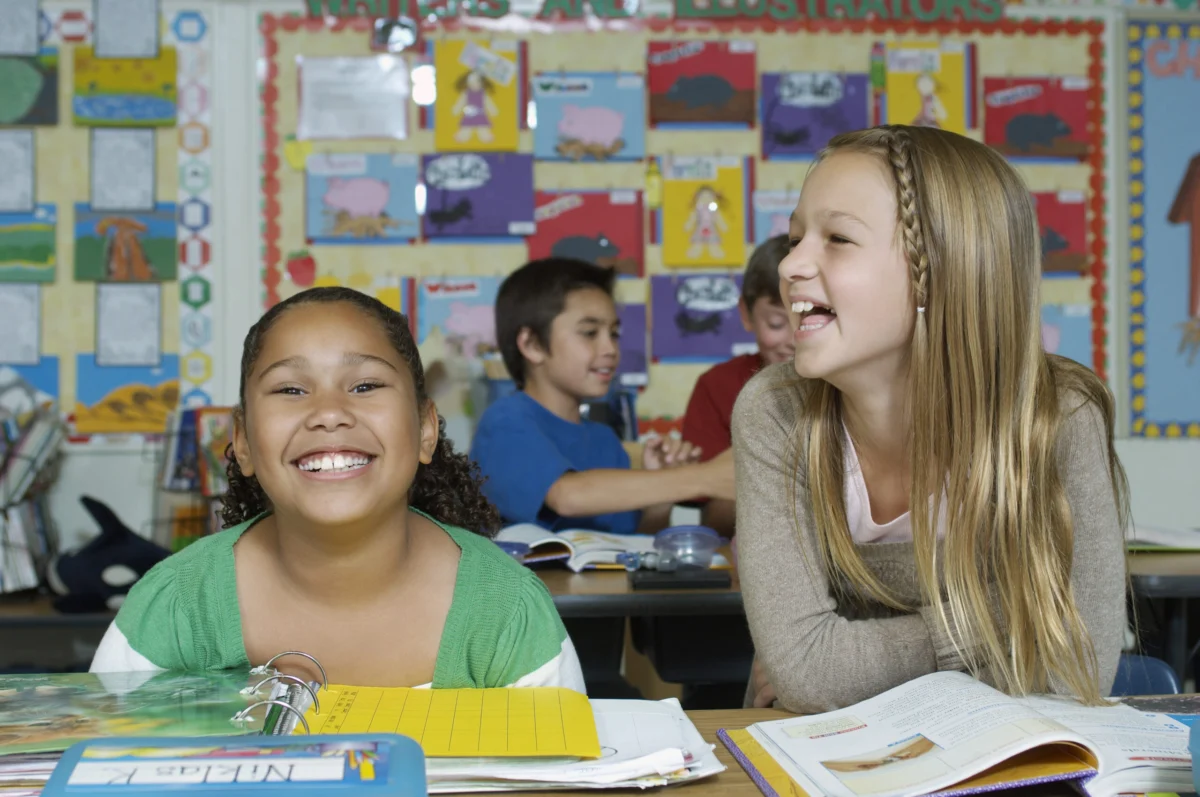
As the school year enters its final stretch, educators across the country are facing a familiar, rhythmic challenge: the "May malaise." In middle schools specifically, hallways become louder, focus drifts, and the structured environment of the fall semester begins to fray. However, veteran educators and child development experts argue that what appears to be "misbehavior" is actually a biological response to the changing season, academic fatigue, and the physiological realities of adolescence.
For teachers struggling to maintain order while keeping students engaged, the solution does not lie in stricter disciplinary measures or iron-fisted authority. Instead, it requires a pedagogical pivot—moving from control to connection and from rigid stillness to intentional movement.
The Science of the "May Malaise"
To understand why middle school classrooms become turbulent in the spring, one must look beyond the classroom walls. The combination of lengthening daylight, surging hormones, and the looming promise of summer break creates a perfect storm for the adolescent brain.
Chronology of the Disruption
The decline in classroom decorum is rarely sudden; it follows a predictable trajectory.
- Early Spring (March/April): As standardized testing season concludes, students experience a "post-test slump," leading to a decrease in academic urgency.
- Mid-Spring (Late April/Early May): The novelty of classroom routines wears off. The "first-day-of-school" energy has been fully depleted, and the brain begins to seek new stimuli.
- The Final Stretch (Late May/June): Daylight savings and rising temperatures impact circadian rhythms. The body, especially in developing adolescents, naturally shifts toward higher activity levels, making sedentary classroom work feel physically taxing.
Educational psychologists note that this is not a personal affront to the teacher. It is a developmental hurdle. When students act out, they are often not rejecting the curriculum; they are struggling to regulate a surplus of energy in a space that feels increasingly confining.
Supporting Data: Why Movement Matters
Research consistently demonstrates that middle school students require kinesthetic outlets to maintain cognitive function. A study on "dysregulated energy" suggests that when movement is not integrated into a lesson, it manifests as disruptive behaviors—tapping, side-talking, or off-task social media use.
Educators who successfully manage this period often treat movement as a core component of the curriculum rather than a distraction from it. By building "brain breaks" into the lesson plan—such as the Stand-Share-Sit method—teachers can satisfy the biological need for movement while keeping the focus on the learning objective. When movement is structured, it prevents the "dead zones" where classroom chaos typically takes root.
Strategies for Reclaiming the Classroom
Professional intervention at this stage of the year requires four specific, tactical shifts. These strategies are designed to channel energy rather than suppress it.
1. Tightening the Transitions
The most vulnerable moments in any classroom are the transitions—the 60 seconds between a lecture and a group activity, or between putting away a Chromebook and starting a new task. Chaos thrives in the ambiguity of "what do I do now?"
Effective teachers now act as "stage directors." By scripting transitions, using projected timers, and providing clear, audible countdowns, teachers remove the cognitive load of uncertainty. When students know exactly what is expected in the next 30 seconds, there is no room for wandering attention.
2. Gamification as a Tool for Engagement
As the academic year draws to a close, standard lectures often fail to capture the attention of a distracted student body. Injecting low-stakes, high-engagement competition can reignite interest. By turning standard review sessions into team-based games—where students must rely on each other to answer questions—the motivation shifts from "doing what the teacher says" to "supporting the team." This peer-to-peer accountability is a powerful motivator for the middle school social brain.

3. Radical Honesty: Naming the Elephant in the Room
Perhaps the most effective, yet underutilized, tool is transparency. Teachers who acknowledge the difficulty of the season—by saying, "I know the weather is beautiful, and I know sitting here is hard"—often find that students respond with respect. This creates a partnership. It signals to the students that the teacher is not an adversary, but a peer in the struggle to reach the finish line.
4. The Power of Shared Laughter
When all else fails, humor acts as a circuit breaker. A shared laugh can reset the tension in a room faster than any stern redirection. It reminds students and teachers alike that they are human beings navigating a shared environment, rather than mere cogs in an institutional machine.
Official Perspectives: Expert Insights
Starr Sackstein, a veteran educator, consultant, and author of Actionable Assessment, emphasizes that this annual surge is a reflection of human nature, not professional failure.
"The end of the year hits middle school students hard," says Sackstein. "It’s less about calming them down and more about figuring out how to get them to show up. This isn’t personal; it’s biological."
According to Sackstein, the key is to stop fighting the season and start working with it. When educators lean into the reality of the calendar rather than ignoring it, they are often able to maintain the momentum necessary to finish the year strong.
Implications for Future Classroom Management
The implications of these findings suggest a shift in how we view "classroom management." The traditional model of management—one based on silence and compliance—is increasingly obsolete in the modern, high-stimulation era.
The future of successful teaching lies in:
- Adaptive Scheduling: Recognizing that students need more frequent, shorter segments of instruction as the year progresses.
- Relational Pedagogy: Building the "human" element into the daily routine to ensure students feel seen and heard during high-stress times.
- Predictability: Maintaining rigorous standards for behavior while offering flexible, movement-based ways to achieve them.
Conclusion: A Call to Resilience
As the final weeks of the school year approach, the pressure on both students and teachers is immense. However, by tightening transitions, building in intentional movement, introducing healthy competition, and maintaining an honest, human connection, educators can steer their classrooms through the turbulence.
This period is not a sign that a teacher has lost their "touch." It is a test of professional resilience. The school year is a marathon, and the final mile is always the most taxing. By adjusting the strategy to meet the students where they are—physically, emotionally, and developmentally—educators can ensure that the final weeks are not just a countdown to summer, but a memorable conclusion to the academic year.
Starr Sackstein is an education consultant and the author of numerous books on pedagogy and assessment. She provides resources for educators navigating the complexities of the modern classroom through her work with the Educators Rising program and her consultancy.


 Asep Darmawan
 Raul Delapena Setiawan