
 Nana Muazin
Published: June 15, 2026
One month into the largest outbreak of the Bundibugyo Ebola virus on record, a harrowing reality is emerging from the eastern Democratic Republic of the Congo (DRC): the official case counts are likely a gross underestimation of a virus spreading unchecked through communities starved of the most basic defense—clean water.
As the humanitarian community watches with mounting alarm, new field data from Oxfam reveals that in Ituri province, the epicenter of the crisis, only one in five health facilities possesses access to sufficient clean water. In Mongbwalo, a bustling town of 140,000, the situation is even more dire, with only 20 percent of the population having access to safe water and a mere 25 percent utilizing functional sanitation infrastructure.
The absence of a licensed vaccine or therapeutic for this specific strain has left the international community with a singular, low-tech, but essential strategy: strict infection prevention, hygiene, and contact tracing. Yet, these pillars of the response are crumbling under the weight of severe funding cuts and regional instability.
The Anatomy of the Outbreak: Key Facts and Figures
The Bundibugyo strain of the Ebola virus is notoriously difficult to contain, particularly in regions where healthcare infrastructure has been decimated by years of armed conflict. As of mid-June 2026, the DRC Ministry of Health has officially reported 781 confirmed cases and 182 deaths across 25 health zones. However, public health experts, including those from Oxfam, warn that these figures are merely the tip of the iceberg.
The lack of surveillance is a direct consequence of a collapsed humanitarian response. Contact tracing, the "backbone" of any successful Ebola intervention, has plummeted to 43 percent coverage. To contextualize the severity of this decline, the 2018–2020 outbreak in the same region saw 79 percent of contacts monitored successfully within the first month.
The shortfall is not just statistical; it is a human failure that allows the virus to circulate undetected. When a person is infected but not tracked, they become an invisible vector of transmission, carrying the virus into markets, homes, and public transport long before symptoms become severe enough to trigger a formal diagnosis.
A Chronology of Declining Preparedness
The current crisis did not appear in a vacuum. It is the culmination of years of structural decline in the DRC’s health sector and a shifting landscape of global donor priorities.
- Early 2024: Global humanitarian funding for the DRC begins a sharp decline, eventually being slashed by 46 percent—from $2.58 billion in 2024 to $1.4 billion by 2026. This represents the lowest coverage rate for the region in a decade.
- Late 2025: Local health infrastructure remains crippled, with 70 health facilities having been destroyed by ongoing conflict. The density of medical professionals falls to a staggering 0.2 doctors per 1,000 people.
- Mid-May 2026: The first clusters of the Bundibugyo strain are identified in Ituri. Rapid response teams are deployed, but they find that previous investments in community-based surveillance have evaporated due to budget cuts.
- June 2026: One month into the outbreak, it is officially classified as the largest Bundibugyo event in history. Oxfam field data reveals that mining communities are particularly vulnerable, with workers operating without sanitation, then returning to densely populated households, creating perfect conditions for viral amplification.
The Water Crisis: The Frontline of Defense
"Water—the absolute first line of defense in any public health emergency—is simply not available," says Manel Rebordosa, Oxfam’s Field Response Coordinator in Ituri.
The economic barriers to hygiene are profound. In the affected zones, 20 liters of clean water can cost as much as two dollars—a prohibitive sum for families already struggling with the economic fallout of regional insecurity. In areas like Mongbwalo, many families are forced to resort to water contaminated by chemical runoff from artisanal mining operations.
This environment creates a paradoxical tragedy: the very water that could prevent the spread of a fatal virus is either inaccessible, unaffordable, or contaminated. Healthcare centers, meant to be sanctuaries of healing, are struggling to safely dispose of infectious waste, and frontline workers are often forced to work without adequate personal protective equipment (PPE). The combination of a lack of water, soap, and PPE effectively turns clinics into transmission hubs rather than containment centers.
Implications: Fear, Misinformation, and Silent Deaths
The degradation of the formal response has fostered an environment where fear and misinformation thrive. When the state and international NGOs are absent or under-resourced, trust in the medical system erodes.
"When trusted community outreach teams disappear, rumors spread faster than the virus," Rebordosa explains. "People now fear healthcare facilities, which they see as deathtraps."
This perception has led to a rise in "home-care" for the sick. Families, driven by desperation and a lack of alternatives, are caring for symptomatic relatives in their own homes, unknowingly exposing themselves and their wider communities to the virus. In North Kivu, reports have surfaced of individuals dying in their communities before they are ever identified as Ebola patients. This "silent mortality" means the virus is likely spreading through burial ceremonies and domestic contact, entirely bypassing the surveillance systems designed to catch it.
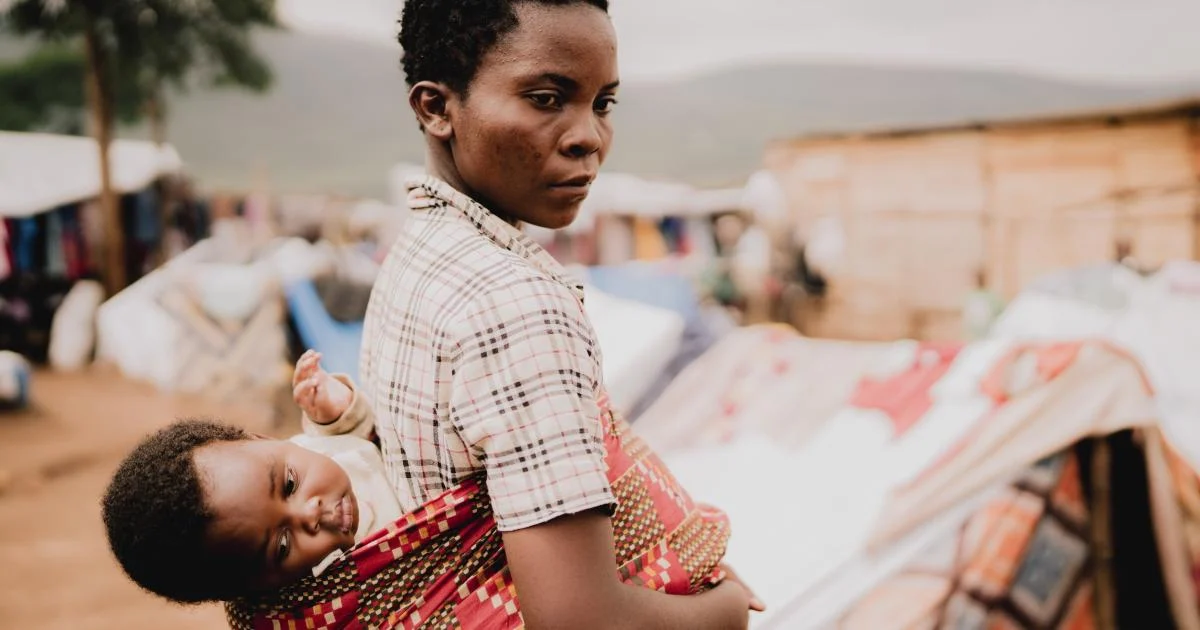
Tibakanya Mireille, a mother of five in Ituri, provides a firsthand account of this climate of dread. "I brought my child to the hospital when I noticed she had a fever and she is now being tested. We are very worried," she says. "Here, two houses have been quarantined, and one family lost several relatives after caring for a sick relative. The disease has already killed several people in our community of Shari."
The Impact of Funding Cuts
The 46 percent reduction in global humanitarian aid has had a cascading effect on the ground. Beyond the lack of physical supplies, the budget crisis has necessitated the removal of community outreach teams. These teams were the primary interface between the scientific response and the public, responsible for myth-busting and promoting safe hygiene practices.
Furthermore, local organizations—which often possess the deep-rooted community trust necessary for successful containment—have received less than 6 percent of recent humanitarian funding. This "top-down" approach, which ignores the efficacy of local responders, has left a vacuum that is currently being filled by the virus.
Toward a Coordinated Reversal
Oxfam has launched an emergency $11.6 million, six-month intervention aimed at providing clean water and hygiene kits to 200,000 people in Ituri. However, the organization is the first to admit that this is a stop-gap measure in a much larger crisis.
The international community faces a critical juncture. Without a significant, immediate infusion of funds to restore contact tracing, provide clean water infrastructure, and bolster community-led awareness programs, the outbreak is projected to continue its expansion.
The lessons of previous outbreaks—specifically the importance of rapid, well-funded, and community-centric responses—have been well-documented. Yet, in 2026, the global response to the Bundibugyo Ebola outbreak stands as a stark reminder of what happens when the world looks away. As the virus exploits the cracks in the humanitarian infrastructure, the cost of inaction continues to rise, measured not in dollars, but in the lives of those left unprotected in the face of an invisible, yet entirely preventable, enemy.

 Pevita Pearce