


 Asep Darmawan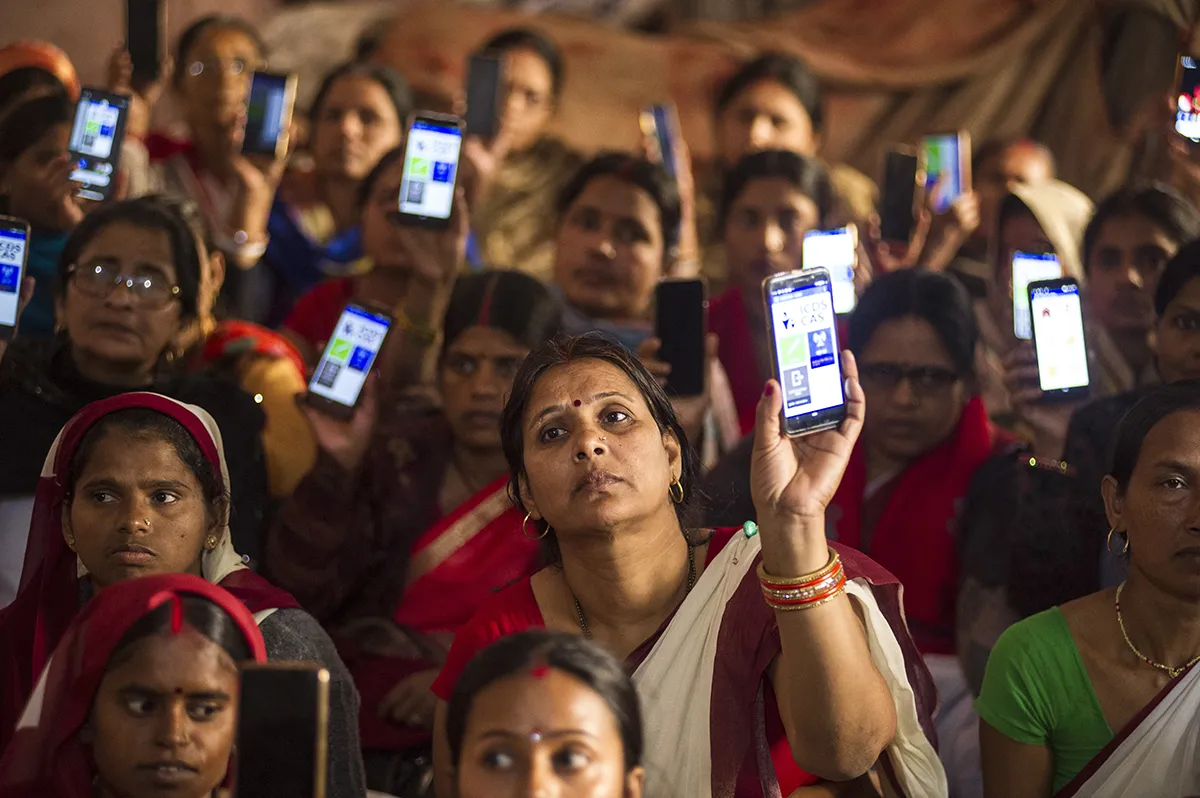
Global health is currently navigating a high-stakes paradox. We are living through an era of unprecedented scientific advancement, where breakthroughs in genomic medicine, digital diagnostics, and AI-driven predictive modeling are accelerating at a pace previously thought impossible. Yet, as these life-saving technologies emerge from the laboratory, they collide with a stubborn, systemic reality: a "last-mile" failure that prevents these innovations from reaching the world’s most vulnerable populations.
The missing link is not a deficit of scientific ingenuity. It is a fundamental collapse of the infrastructure required to deliver that science. As the global community faces a projected shortfall of 11 million health workers by 2030, the conversation must shift. This is no longer merely a public health crisis; it is an economic imperative that demands a total reimagining of how governments, civil society, and the private sector interact with health systems.
The Economic Crisis Disguised as Public Health
For decades, global health investments have been pigeonholed as "social spending"—a charitable endeavor distinct from the engines of national economic growth. This framing is outdated and dangerous. Robust health systems are, in fact, the bedrock of economic infrastructure. They are the silent partners in workforce productivity, supply chain stability, and sustainable market expansion.
When health systems are under-resourced, the ripple effects are catastrophic. Communities lose trust in public institutions, service delivery disintegrates, and the very markets that global corporations aim to serve become unreachable. If a company develops a revolutionary vaccine or a digital health platform, but the local clinic lacks the staff to administer it or the community lacks the trust to accept it, the innovation is effectively nullified.
To bridge this gap, leaders must recognize that innovation cannot deliver lasting value where people cannot trust, reach, or rely on the health system.
Chronology of a Transformation: The Bihar Model
The argument for systemic investment is not theoretical; it is backed by empirical success. The case of Bihar, India, serves as a masterclass in what happens when the focus shifts from short-term "quick fixes" to deep, structural reform.
Between 2005 and 2018, a strategic partnership between CARE, the Bill & Melinda Gates Foundation, and the Government of Bihar undertook the Herculean task of revitalizing one of India’s most fragile health systems. The trajectory of this intervention provides a clear timeline for systemic impact:
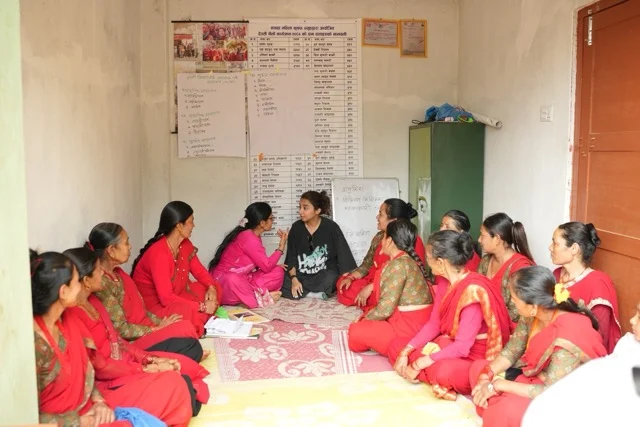
- 2005–2008 (Stabilization Phase): Initial efforts focused on rebuilding trust and basic functionality. The focus was on training frontline workers and establishing clinical mentorship programs to support a demoralized and underskilled workforce.
- 2009–2014 (Scale-up Phase): The partnership expanded its reach, institutionalizing maternal and newborn health protocols. By this point, the focus moved beyond basic access to quality-of-care improvements, utilizing data to identify bottlenecks in the supply chain and patient flow.
- 2015–2018 (Consolidation Phase): The system hit a critical tipping point. Average monthly patient visits at public health facilities skyrocketed from a mere 39 to roughly 10,000 per facility.
The transformation was profound. In 2005, a clinic in Bihar might have seen fewer patients in a month than a single city bus could hold. By 2018, that same clinic was serving over 250 times that volume. This was not a miracle; it was the result of a 13-year commitment to building an "engine" of service delivery. Maternal and childhood mortality rates, once dangerously high, saw significant declines, proving that when systems are fixed, the economic dividends of a healthier, more productive population follow.
Supporting Data: The Case for Cross-Sector Collaboration
Evidence consistently suggests that the most effective health interventions are those built on shared responsibility. The 10-year partnership between CARE and GSK (2011–2021) offers a compelling blueprint for how the private sector can engage meaningfully.
By co-investing in community health systems across nine countries, the partnership achieved a nearly 25% reduction in maternal mortality in the supported regions. The data highlights the power of scale:
- 12,000+ health workers trained.
- Millions gained access to essential family planning and maternal care.
- Integration with industry: In Bangladesh, the model was successfully adapted for the garment industry, demonstrating that health programming can be seamlessly integrated into non-traditional, industrial settings to reach vulnerable female workers.
Furthermore, in Tanzania, the TAMANI program underscored the efficacy of "last-mile" investment. Following comprehensive training and infrastructure upgrades, the region saw a 12.9 percentage point increase in skilled birth attendance. This specific metric is a vital indicator of systemic health: it measures whether a woman, at her most vulnerable moment, has access to a professional, a facility, and a supply chain of life-saving equipment.
Official Responses and the Rise of Coalition Models
The global health community is increasingly vocal about the need for collective action. Platforms like the Frontline Health Workers Coalition have emerged as the primary mechanism for aligning the advocacy and investment strategies of pharmaceutical giants, NGOs, and sovereign governments.
These coalitions represent a departure from the "siloed" approach of the past. By pooling resources, stakeholders can address the 11-million-worker shortage through standardized training, better wages, and digital empowerment. In the Philippines, the HEAL Hub program provides a modern example of this. By deploying mobile apps to train and support barangay (community) health workers, the program has digitized the "last mile." Volunteers who previously went years without formal training are now receiving real-time, tap-of-a-button guidance, which has directly translated into higher confidence and improved daily attendance at local health units.
Implications for the Future of Global Markets
For the private sector, the implications are clear: functioning health systems are not peripheral to business success—they are foundational.
- Clinical Trials and Research: Pharmaceutical companies cannot scale innovation if they lack a baseline of reliable data and the infrastructure to conduct safe, ethical, and consistent clinical trials.
- Market Sustainability: A healthy population is a productive consumer base. Long-term market growth in emerging economies is inextricably linked to the stability of the public health infrastructure.
- Resilience to Crisis: As seen during recent global health disruptions, nations with strong, decentralized, and well-staffed health systems are significantly more resilient, suffering less economic volatility than those with brittle, centralized systems.
The Bridge Forward: A New Strategy
We are at a turning point. The question is no longer whether we possess the scientific tools to save lives; we have those in abundance. The question is whether we possess the collective will to build the "bridges" necessary to deliver them.
To achieve this, the global community must adopt a three-pillar strategy:
- Institutionalizing Long-Term Investment: Moving away from short-term, project-based funding toward multi-year commitments that prioritize the health workforce and infrastructure maintenance.
- Prioritizing the Human Element: Technology is only as good as the person holding it. Training, retaining, and supporting frontline health workers must be treated with the same urgency as the development of new therapeutics.
- Harmonizing Data and Delivery: Using digital tools to bridge the gap between patient data and clinical delivery, ensuring that resources are deployed where they are most needed in real-time.
Conclusion: Measuring Progress
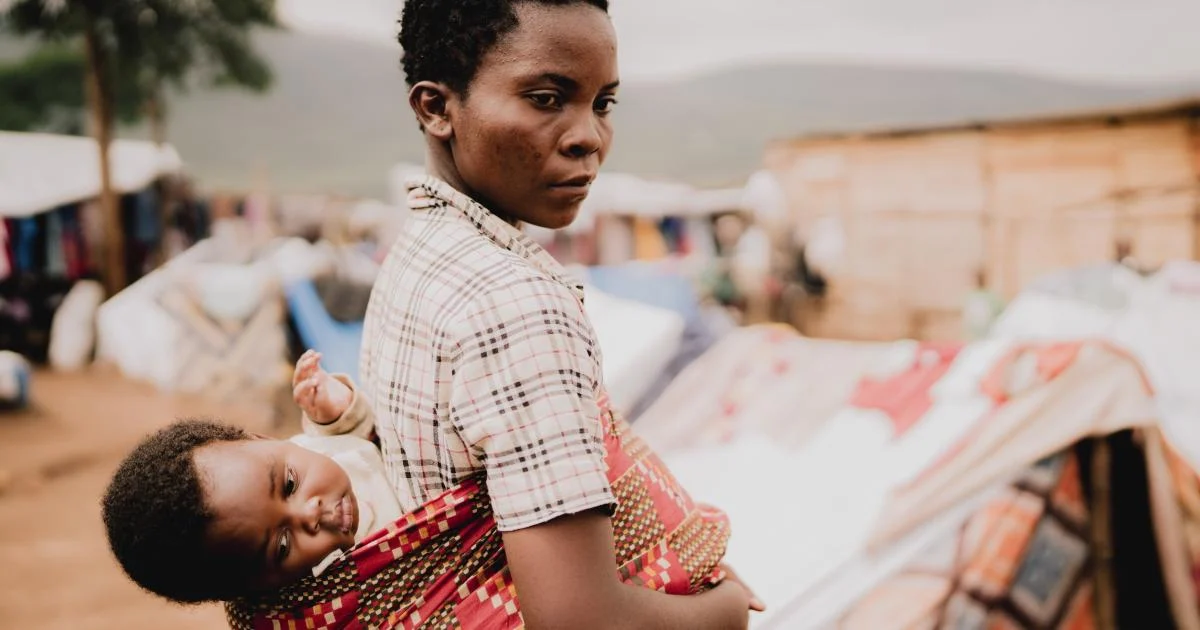
The true measure of progress in global health will not be found in the number of patents filed or the novelty of a new digital tool. It will be found in the reach. It will be measured by the mother in a rural village who knows her clinic is stocked and staffed; the worker in a garment factory who has access to basic care; and the community that trusts its public health system as a pillar of its own stability.
Bridges do not build themselves. They require the humility to strengthen the systems that already serve our communities, the foresight to invest in people, and the recognition that in an interconnected world, the health of one is the health of all. For companies, governments, and NGOs, the path is illuminated: we must stop simply creating solutions and start investing in the systems that make those solutions reachable. In the end, the impact of our innovation is defined entirely by who we manage to reach.

 Nana Muazin
 Pevita Pearce