

 Rifan Muazin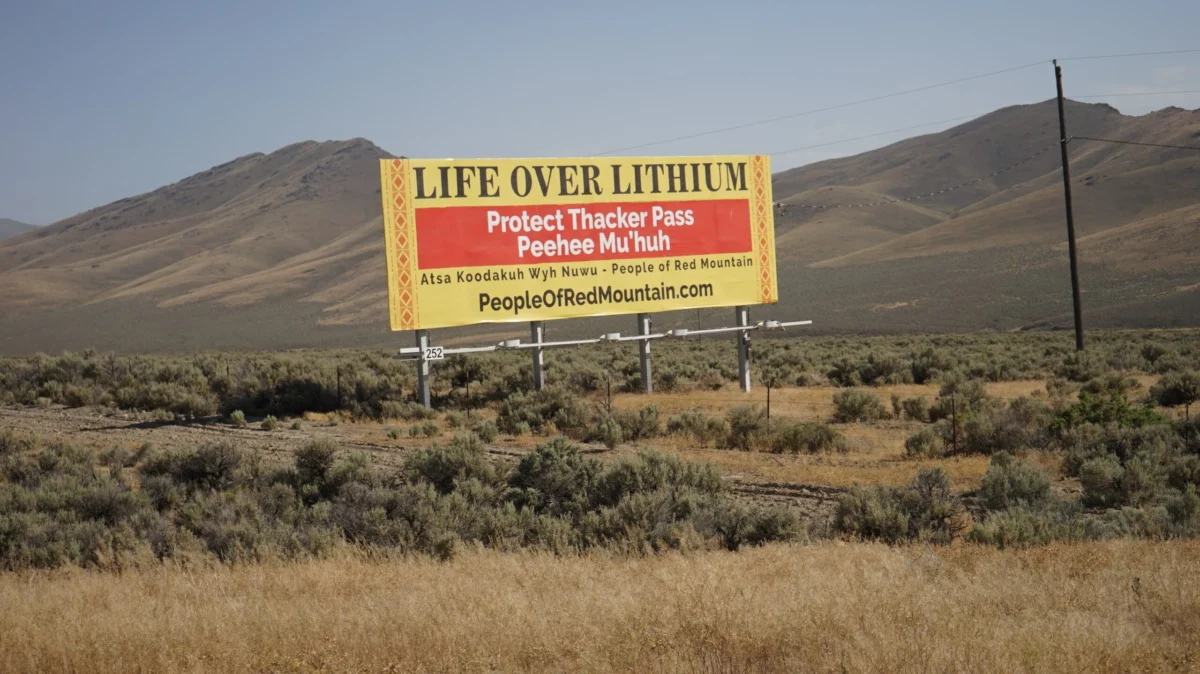
This is an original story by Mongabay and is republished through the Indigenous News Alliance.
Over the past decade, the United States Department of Defense (DoD) has quietly pivoted its financial strategy, moving from a position of relative detachment to becoming a primary driver of the global critical mineral industry. As geopolitical tensions rise, the Pentagon has unleashed a surge of capital into the extraction of materials like lithium, nickel, graphite, and neodymium. While these minerals are frequently touted as the backbone of the "green energy transition," they are simultaneously the lifeblood of modern warfare—powering everything from drone swarms and smart missiles to advanced fighter jets.
However, this massive infusion of federal cash has a human cost. From the ancestral lands of the Iñupiat in Western Alaska to the high deserts of Nevada, Indigenous communities report that government-backed, fast-tracked mining projects are bypassing essential environmental safeguards and violating their fundamental right to free, prior, and informed consent.
The Financial Surge: A Decade of Rapid Militarization
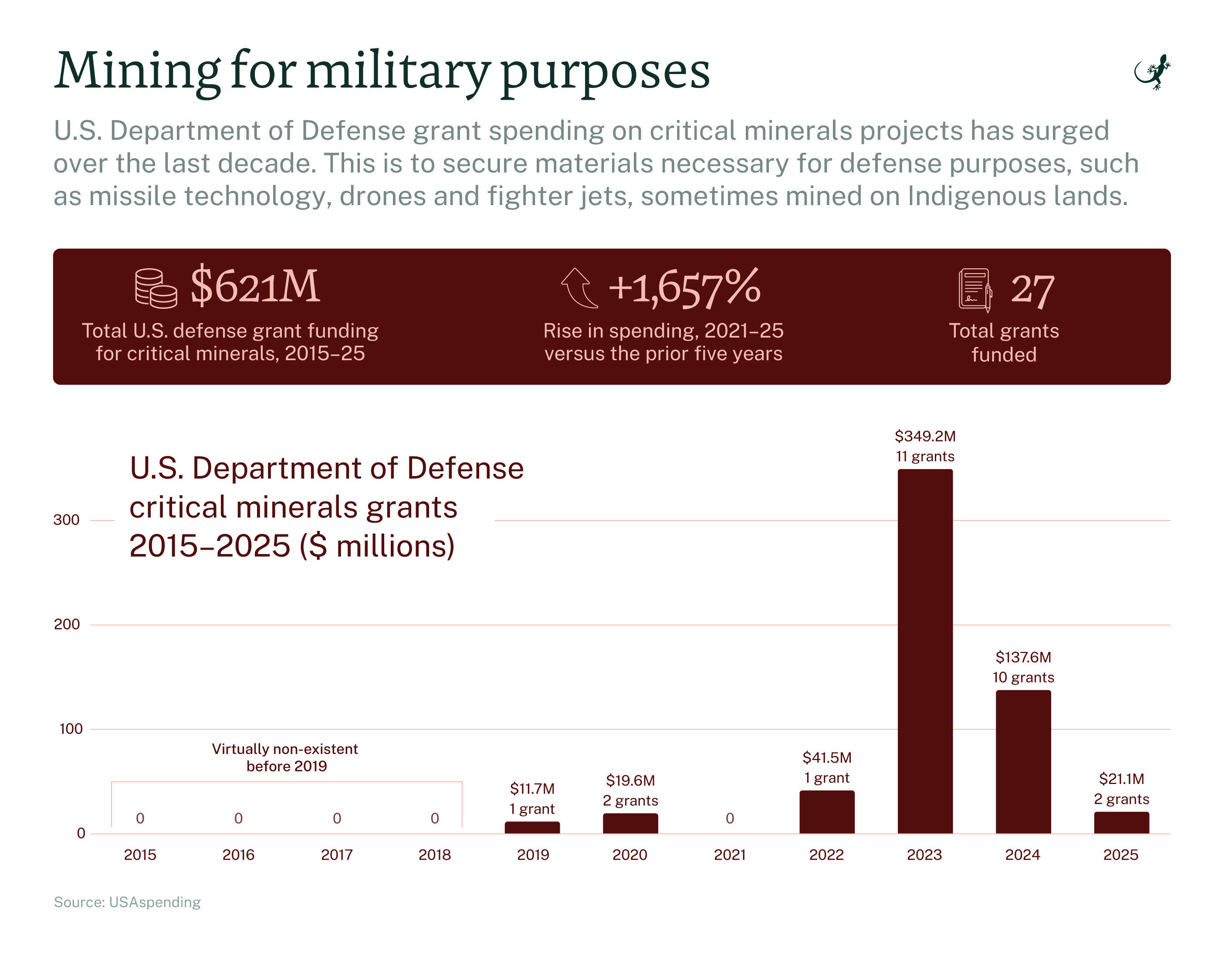
An analysis of data from USAspending, the federal government’s official open-data repository, reveals a staggering trend. Between 2015 and 2025, the Department of Defense funneled an estimated $621 million in grants directly into critical mineral projects.
The trajectory of this spending is as notable as its volume. In the five-year period between 2015 and 2020, the Pentagon issued just three contracts totaling $31.3 million. By contrast, from 2021 to 2025, that figure ballooned to nearly $550 million across 24 separate agreements.

It is crucial to note that these figures represent only the tip of the iceberg. This data does not account for the vast, opaque world of military contractor spending, which often hides behind the veil of "national security." According to the Congressional Research Service, significant portions of defense-related mineral investment remain classified, meaning the true taxpayer burden—and the true scale of the industry’s reach—is likely far higher. By focusing exclusively on grants, researchers at Mongabay have highlighted only the most transparent, binding commitments made by the federal government.
Mapping the Mineral Pipeline
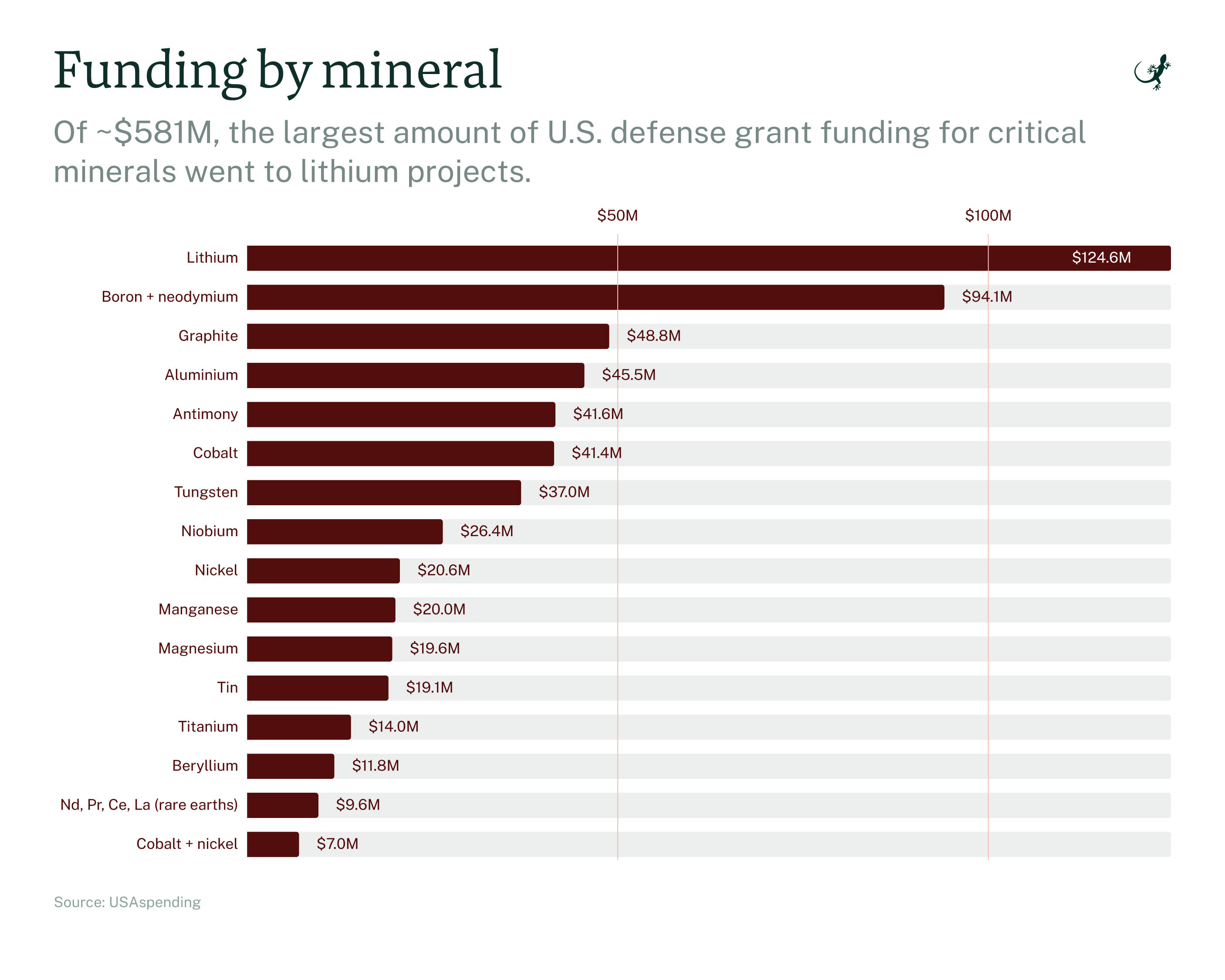
The Pentagon’s shopping list is prioritized by the needs of modern combat. Lithium, which received the largest share of funding at $124.6 million, is prized for its high energy density, making it indispensable for the portable power systems that sustain modern infantry gear and mobile weaponry.
Following lithium, the DoD has invested heavily in the materials required for precision and propulsion:
- Neodymium and Boron ($94 million): These elements are essential for the high-performance magnets found in the guidance systems of missiles, smart bombs, and unmanned aerial vehicles (UAVs).
- Graphite ($48.8 million): A cornerstone for the next generation of light, durable military hardware.
- Aluminum ($45.4 million): Continues to be a staple for structural integrity in advanced aviation and armor.
The geographic distribution of these projects reveals a concerted effort to decouple American defense from foreign supply chains. Approximately 74% of the analyzed grants were allocated to projects within the United States, a direct result of aggressive executive policies aiming to secure domestic production at any cost.
Chronology of Aggressive Permitting
The current landscape is defined by the "FAST-41" program, established by Congress in 2015 to streamline the review of major infrastructure projects. While officially designed to improve transparency, critics argue that in practice, it functions as an engine for speed, often at the expense of rigorous environmental and community review.
Under the current administration, the policy has intensified. A 2025 executive order explicitly prioritized domestic mineral production as a pillar of national security, framing reliance on foreign, "hostile" powers as an existential threat. This directive has empowered agencies to accelerate the approval of projects that fall within the FAST-41 portfolio, which currently includes 18 mining sites.
For the Iñupiat communities near the proposed Graphite Creek Project in Alaska, this "acceleration" has been devastating. The project, which received a $37.3 million boost from the DoD in 2023, has become a flashpoint for conflict. While the mining firm Graphite One claims to have held numerous stakeholder meetings, local leaders like Adelaine Ahmasuk report a starkly different reality: a lack of genuine consultation, limited access to technical information, and a disregard for sacred sites.
The Human Cost: Indigenous Voices and Sacrificed Landscapes
For many Indigenous communities, the state-backed rush to mine is not just a policy failure; it is a continuation of colonial-era dispossession.
Adelaine Ahmasuk, a member of the Siqnasuagmuit community, speaks of the Kigluaik Mountains not as a mineral deposit, but as a life-sustaining cathedral. "If this mine were to happen, and if it were to drive animal populations down, we would have nothing left to sustain us," she explains. Beyond the threat to food security, the project has already encroached upon sacred stone mounds—sites of immense cultural and spiritual significance that have been treated as mere obstacles to be paved over for helicopter pads.
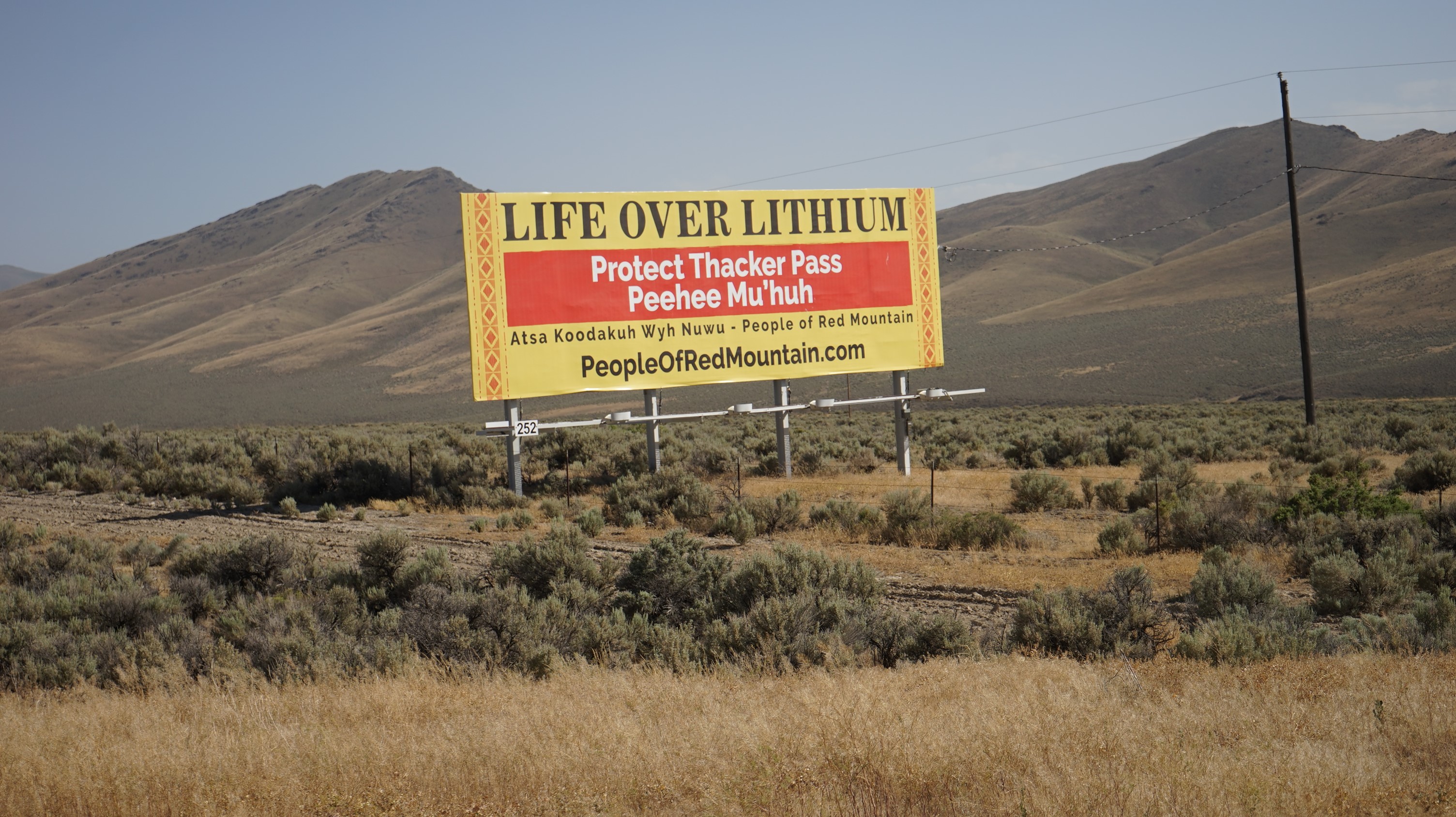
The pattern repeats in Nevada. At the Thacker Pass lithium mine, the People of Red Mountain—a coalition of Paiute, Shoshone, and Bannock descendants—are currently engaged in a legal battle against the Bureau of Land Management. Despite an $11.8 million grant from the Pentagon in 2024, the project faces fierce opposition from those who fear that the "easy permitting" encouraged by the government will turn their ancestral McDermitt Caldera into a sacrificial mining district, leaving behind a scarred, contaminated ecosystem.
Official Stance vs. Community Reality
In response to these allegations, corporate entities often cite the necessity of their work for the national interest. Lucille Carter, vice president of community relations at Graphite One, emphasized that the company views itself as a "good neighbor" and pointed to over 75 meetings held with stakeholders since 2014.
However, Indigenous leaders argue that these meetings are often "checkbox" exercises rather than meaningful, two-way dialogues. As one spokesperson for the People of Red Mountain noted, "We hope our community concerns are taken seriously and are not just a box to check-off." The Pentagon, meanwhile, has declined multiple requests for comment on the social and environmental impacts of its investment strategies.
Global Implications: The Re-emergence of Resource Imperialism
The U.S. is not acting in a vacuum. As countries like Germany and France ramp up their own military budgets, a global race for "defense-critical" raw materials is reshaping international trade. Experts like Phil Johnstone of the University of Sussex warn that this competition could starve the green energy sector of the very minerals needed to solve the climate crisis.
"Military demand is more likely, in situations of crisis, to have a priority," says Anabel Marin, a researcher at the Institute of Development Studies. This shift in logic means that, in a world of limited resources, the Pentagon’s needs are systematically placed above the needs of the planet’s transition to renewable energy.
This race mirrors the dark history of the 20th-century "rubber booms," where the desperate need for industrial materials led to the enslavement and destruction of Indigenous communities across the Amazon. Luis Eslava, a professor of international law, warns that legal frameworks are being used today—much as they were during the colonial era—to "lubricate" the process of extraction.
Conclusion: A Legacy of Exploitation
The transformation of the U.S. defense sector into a primary mining financier marks a dangerous turning point. By tying mineral extraction to the rhetoric of national security and utilizing expedited permitting, the government is effectively shielding these projects from the democratic scrutiny they require.
As Edson Krenak of the Indigenous Krenak people observes, the devastation of river systems and the loss of biodiversity are not new occurrences; they are part of a long-standing pattern. "It is a legacy that we have to deal with," Krenak said. "When we see these companies growing, investing, and getting support from the government as if nothing had ever happened, it makes us very sad."
As the Pentagon continues to pour hundreds of millions into the earth, the question remains: Can a society truly claim to be defending its security if it is simultaneously destroying the land, culture, and future of the people who were here first? Until the rights of Indigenous communities to self-determination are prioritized over the demands of the war machine, the "critical minerals" era will likely be defined by the same injustice that has characterized the history of resource extraction for centuries.


 Jia Lissa
 Ali Ikhwan