


 Basiran
Introduction: The Anatomy of a Fragmented City
In the autumn of 2023, learning to drive in Gaza City was a mundane rite of passage. It involved navigating the predictable chaos of urban traffic, waiting for children in crisp school uniforms to cross the street, and observing the steady pulse of commerce along Al-Shuhada Street. Today, the landscape is unrecognizable. The architecture of daily life has been replaced by an architecture of survival, where the act of driving is no longer a personal milestone but a defiant, precarious exercise in endurance.
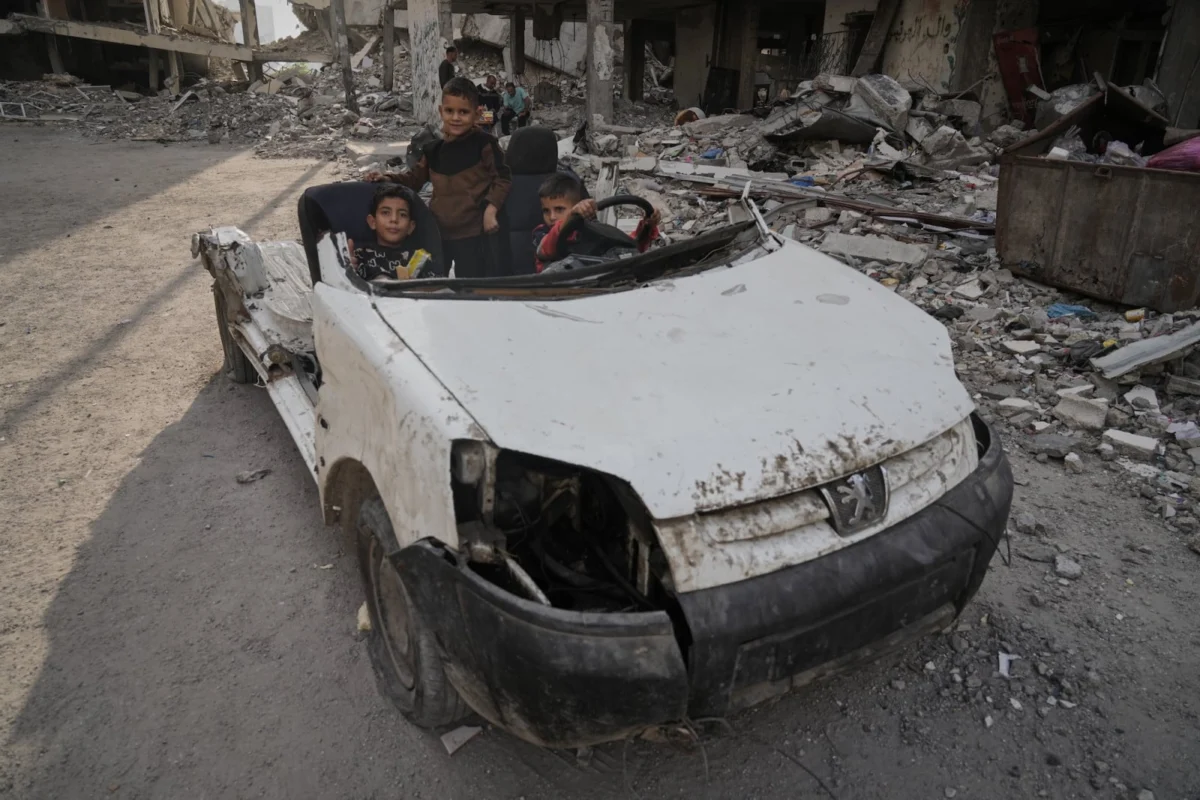
For those like Ansam Al-Kitaa, returning to the Al Shati Driving School after a two-year hiatus is a surreal experience. The school, which once boasted a fleet of ten vehicles, is now operating with only four. These remaining cars—held together by salvaged parts, plastic sheeting, and sheer willpower—serve as a poignant metaphor for the city itself: battered, improvised, and refusing to succumb to the stillness of total collapse.
Chronology: From Normalcy to Total Disruption
The timeline of Gaza’s transportation infrastructure is marked by a sudden, violent transition.
- Fall 2023: Driving lessons in Gaza City were characterized by standard traffic patterns. The city was a functioning urban center with a connected road network and a thriving, if restricted, economy.
- Late 2023: The onset of the conflict brought the first wave of infrastructure destruction. Iconic structures, such as the Palestine Tower—which housed media institutions and radio stations—were razed, marking the beginning of the erasure of the city’s landmarks.
- 2024: The systematic destruction of road networks accelerated. By mid-2024, the UN Satellite Centre (UNOSAT) identified that 65% of the Gaza Strip’s road network had been compromised by airstrikes, artillery, and armored vehicle maneuvering.
- 2025–2026: The collapse of formal transportation systems forced a pivot toward "makeshift mobility." Driving schools, which had been shuttered for years, began a tentative, dangerous return to operations, even as the cost of fuel and maintenance skyrocketed.
Supporting Data: The Cost of Ruin
The degradation of Gaza’s transit infrastructure is not merely a byproduct of war; it is a fundamental reconfiguration of the territory’s physical capabilities. According to a joint assessment by the World Bank, the European Union, and the United Nations, the destruction has reached staggering proportions.
- Road Inaccessibility: Approximately 87% of Gaza’s roads are now considered impassable. In the northern regions and Rafah, the ratio is nearly nine out of ten.
- Street Eradication: The Gaza City Municipality reports that over 500 miles of paved streets have been ground down to dirt. The historic Salah al-Din Road, once the primary artery connecting the north and south of the Strip, exists now only in fragmented, treacherous stretches.
- Economic Barriers: The price of automotive survival has surged. A vehicle that might have cost $10,000 before the war now carries a market value of $40,000. Spare parts have seen an even more dramatic inflation: a single tire can cost $1,500, while previously affordable mechanical components have tripled or quadrupled in price.
The Economics of Survival: Al Shati Driving School
For Ihab Shaheen, the director of Al Shati Driving School, the business has transitioned from a commercial enterprise to a logistical rescue operation. With the supply of legitimate fuel and parts severed, the school survives through a process of "automotive cannibalization."
"Barely a day goes by without one of our fleet’s cars breaking down," Shaheen notes. When a vehicle can no longer be repaired, it is stripped. Every chassis, engine block, and electrical component is harvested to keep the remaining four cars mobile. The staff often resorts to using recycled or burnt oil, fully aware that it shortens the engine’s lifespan, simply because the alternative is total paralysis.
This atmosphere of scarcity has transformed the driving experience. Instructors now meticulously map out routes not based on destination efficiency, but on avoiding craters, unexploded ordnance, and the treacherous debris that can puncture a $1,500 tire. The driving manual, with its images of tree-lined boulevards and commuters in suits, has become a relic of a lost era.

Official Responses and Reconstruction Proposals
The international community and local governing bodies have begun the arduous task of assessing the "rubble economy." The challenge is not just clearing debris, but managing the 57 million tons of wreckage that now blankets the Strip.
- Rubble Recycling: The United Nations has established two pilot recycling centers designed to process war debris into construction materials. These centers aim to turn the byproduct of destruction into the raw material for rebuilding.
- Land Reclamation: Scientists are evaluating the feasibility of using processed rubble to reclaim coastal land, potentially providing a footprint for new housing projects.
- Architects for Gaza: This group is collaborating with the Gaza Municipality to propose "bottom-up" reconstruction. Instead of top-down planning, these initiatives focus on community-led efforts to rebuild essential hubs, such as the Yarmouk Cultural Complex, integrating the existing ruins into new designs.
Implications: The Human Cost of Displaced Mobility
The implications of this infrastructural collapse extend far beyond transportation; they define the psychological state of the population. The rhythm of the city has been replaced by the rhythm of aid queues. Streets are no longer conduits for commerce or education; they are sites of waiting.
The Shift in Daily Life
Children who once walked to school are now seen hauling heavy water containers or waiting in lines for food parcels. The loss of the street as a public space has fundamentally altered the childhood experience in Gaza. When residents look at old photographs of the city, the reaction is no longer nostalgia, but a sharp, visceral pain. The familiar landmarks are gone, and with them, the anchor points of collective memory.
The Rise of Informal Networks
In the vacuum left by the collapse of public transport and the scarcity of fuel, the people of Gaza have engineered their own solutions:
- Animal-Drawn Transit: Horse-and-cart setups have become the primary method of moving goods and people across the devastated landscape.
- Homemade Engineering: The emergence of modified tuk-tuks and bicycle-powered transport has filled the void left by ambulances and taxis.
- Alternative Fuels: Necessity has driven dangerous innovation, with some residents running engines on cooking oil or extracting flammable substances from burnt plastics to bypass the fuel blockade.
Conclusion: A City That Refuses to Stop
The act of taking a driving lesson in the middle of this ruin is, in its own way, an act of defiance. When Ansam Al-Kitaa sits behind the wheel, she is not merely learning to navigate a car; she is learning to navigate a landscape that changes daily. There are no traffic signals, no road signs, and no expectation that the law will govern the road. Yet, the car moves.
The Al Shati Driving School, with its plastic-covered windows and scavenged engines, remains a symbol of the broader spirit of the Strip. It is a testament to the fact that while the infrastructure of the city has been dismantled, the social and human impulse to move forward—to learn, to rebuild, and to persist—remains intact. In Gaza City, the road ahead may be buried under 57 million tons of debris, but the attempt to clear it, one piece at a time, continues.

 Siti Muinah
 Reynand Wu