



 Sagoh
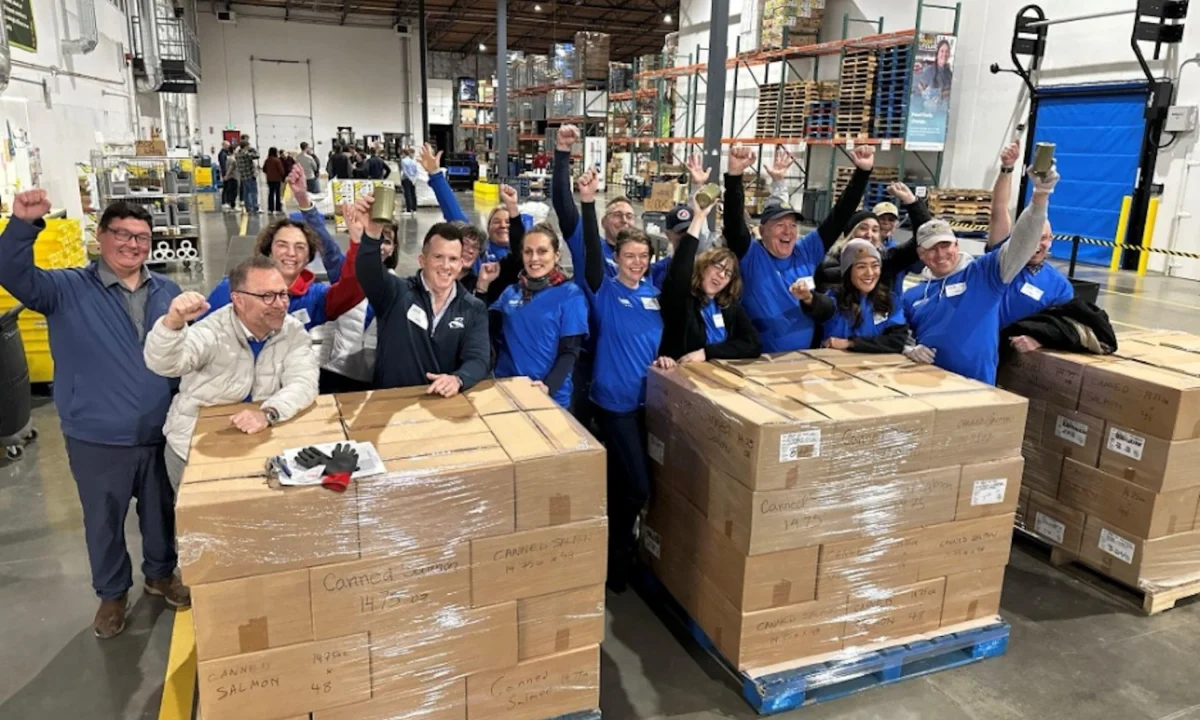
In the landscape of American food insecurity, the struggle is rarely just about calories; it is about the quality of nourishment. While food banks across the United States work tirelessly to keep shelves stocked, they frequently face a glaring disparity: a profound shortage of high-quality, nutrient-dense protein. Enter SeaShare, a unique nonprofit organization that has spent over three decades acting as a bridge between the vast, bountiful resources of the commercial fishing industry and the families who need them most.
As the only nonprofit in the U.S. dedicated exclusively to securing and distributing fresh seafood to food banks, SeaShare is transforming the way we think about charitable food assistance. By leveraging an intricate network of fishers, processors, and distribution partners, the organization is not only reducing waste but also fundamentally improving the health outcomes of vulnerable populations.
The Vital Role of Seafood in Human Nutrition
The World Health Organization (WHO) has long emphasized the biological necessity of seafood in the human diet. Whether during the critical stages of fetal development, the rapid growth of childhood, or the maintenance of adult health, the micronutrients and high-quality proteins found in fish are difficult to replicate.
Seafood provides essential fatty acids, such as Omega-3s, which are linked to improved neurological function and reduced risks of cardiovascular disease. For pregnant women, regular consumption is correlated with improved birth outcomes. Yet, despite these well-documented benefits, these nutrient-dense options are frequently absent from the diets of food-insecure households.
A study published in the Journal of Human Nutrition and Dietetics highlights a systemic issue: the nutritional quality of food parcels provided by charitable organizations is often inconsistent and frequently falls short of national dietary guidelines. In an environment where protein is the most sought-after and expensive commodity, seafood is often an unattainable luxury.
Chronology: From Bycatch to a Nationwide Movement
The story of SeaShare began 31 years ago, born from a spirit of innovation and waste reduction within the Alaska pollock industry. Initially, the organization’s mission was simple: to rescue "bycatch."
The Early Years: The Bycatch Solution
In the commercial fishing industry, bycatch refers to fish that are caught unintentionally or are otherwise not legally marketable. Historically, these fish were often discarded. Alaska’s fishers, recognizing the moral failure of throwing away perfectly nutritious protein, began coordinating to redirect this product to local food banks. This initial effort proved that, with enough logistical coordination, the seafood industry could play a pivotal role in ending hunger.
The Evolution of Strategy
Over the decades, SeaShare matured from a grassroots bycatch-recovery program into a sophisticated logistical powerhouse. While bycatch was the spark, the organization realized that to make a truly meaningful impact, it had to pivot toward intentional, high-quality donations.
Through the cultivation of deep, long-standing relationships with industry leaders and the strategic use of tax incentives, SeaShare shifted its focus. Today, "first-run," marketable seafood—such as salmon, halibut, Pacific white shrimp, rockfish, catfish, and tilapia—makes up the vast majority of their donations. Bycatch now accounts for only about 8 percent of the organization’s total volume, a testament to the industry’s growing commitment to corporate social responsibility.
Reaching a Milestone
To date, SeaShare has delivered more than 270 million servings of seafood to food banks and feeding centers nationwide. This staggering figure represents more than just food; it represents a commitment to treating the recipients of food assistance with the dignity of providing high-quality, nutrient-rich meals.
The Logistics of Freshness: Bridging the Supply Chain
Distributing seafood is inherently more complex than distributing shelf-stable goods. As a highly perishable product, seafood requires a cold chain—a temperature-controlled supply chain that must be maintained from the dock to the food bank freezer.
Connecting the Dots
SeaShare functions as the vital link between donors and recipients. They do not own a massive fleet of refrigerated trucks; instead, they act as an orchestrator. By partnering with Feeding America and utilizing existing commercial shipping routes, SeaShare ensures that donated seafood is moved with maximum efficiency.
"Protein can be expensive, and seafood is one of the more expensive forms of protein," explains Hannah Lindoff, Executive Director of SeaShare. "In general, protein makes up only about 2 percent of donations to food banks and is in huge demand."
The Challenge of Last-Mile Delivery
In some regions, particularly in Alaska, the logistical challenges are extreme. SeaShare often delivers to remote, isolated communities that are only accessible by boat or air. In these instances, the organization relies on a web of "good partners"—seafood plant operators, barge captains, and air freight pilots—who prioritize these shipments, ensuring that elders and families in the most rural corners of the country receive fresh, healthy protein.
Official Responses and Industry Partnerships
The success of SeaShare is mirrored in the enthusiasm of its corporate partners. Companies like Oddisea SuperFrozen, a U.S. importer and distributor of seafood, exemplify the impact of private-sector involvement.
Nicole Condon, Director of Brand & Social Impact at Oddisea, highlights the simplicity and effectiveness of the partnership. "SeaShare identifies appropriate food bank partners for the business and arranges direct pickups from our warehouse," Condon explains. In 2025 alone, Oddisea donated approximately 38,000 servings of seafood.
Because of the high demand for protein, these donations rarely sit on shelves. "Because seafood is so rare [at food banks]," Condon notes, "our product was usually fully distributed within days of pickup."
Cultural Relevance: More Than Just Calories
One of the most nuanced aspects of SeaShare’s mission is the focus on cultural relevance. Providing food is not enough; providing the right food for the right community is essential for ensuring that donations are utilized rather than wasted.
Hannah Lindoff shares a compelling example from northern Washington. When the organization secured a large donation of surimi (a processed fish product commonly used in Asian cuisines), they didn’t simply dump it into the general distribution stream. Instead, they strategically targeted agencies that serve Korean community service centers.
"We know that this product is going to people who know how to work with it and have a real love for the item," Lindoff says. This level of intentionality ensures that food aid is not just a handout, but a meaningful contribution to the culinary and nutritional traditions of the communities served.
The Implications: A Model for Future Food Security
The work performed by SeaShare offers a blueprint for how other industries might tackle food insecurity. By leveraging existing supply chain infrastructure and fostering a culture of donation among producers, SeaShare has demonstrated that waste is often just an opportunity in disguise.
Closing the Protein Gap
The implications for public health are profound. As the Journal of Human Nutrition and Dietetics study suggests, the "protein gap" is a significant contributor to the health disparities between lower-income and higher-income populations. By consistently providing seafood, SeaShare is effectively subsidizing the health of the nation, helping to reduce the long-term incidence of diet-related illnesses.
The Emotional Impact
For the front-line workers at food banks, the arrival of SeaShare donations is often a transformative moment. Lindoff notes that she has been moved to tears on numerous occasions by feedback from food bank managers. These managers report being "overcome" by the impact of the donations, as they see the relief and gratitude of families who, for the first time in a long time, are able to put a high-quality, protein-rich meal on the table.
Conclusion
SeaShare’s 31-year journey is a testament to the power of connection. By transforming a bycatch-disposal problem into a nationwide hunger-relief success story, they have proven that the resources exist to nourish the nation—they simply require the vision to connect them to the right people.
As the organization continues to scale, its model serves as an invitation to other industries. Whether it is agricultural waste, surplus dairy, or excess produce, the lessons of SeaShare are clear: when stakeholders in the food supply chain commit to the common good, the result is a stronger, healthier, and more equitable society.
For those who wish to support this vital work, the organization continues to rely on the backing of a community of donors and partners who believe that everyone, regardless of economic status, deserves the health benefits of a protein-rich diet. As Lindoff aptly puts it, being part of the solution is not just a professional duty—it is a human imperative.


 Evan Lee Salim

 Asep Darmawan





