



 Dwi Wanna
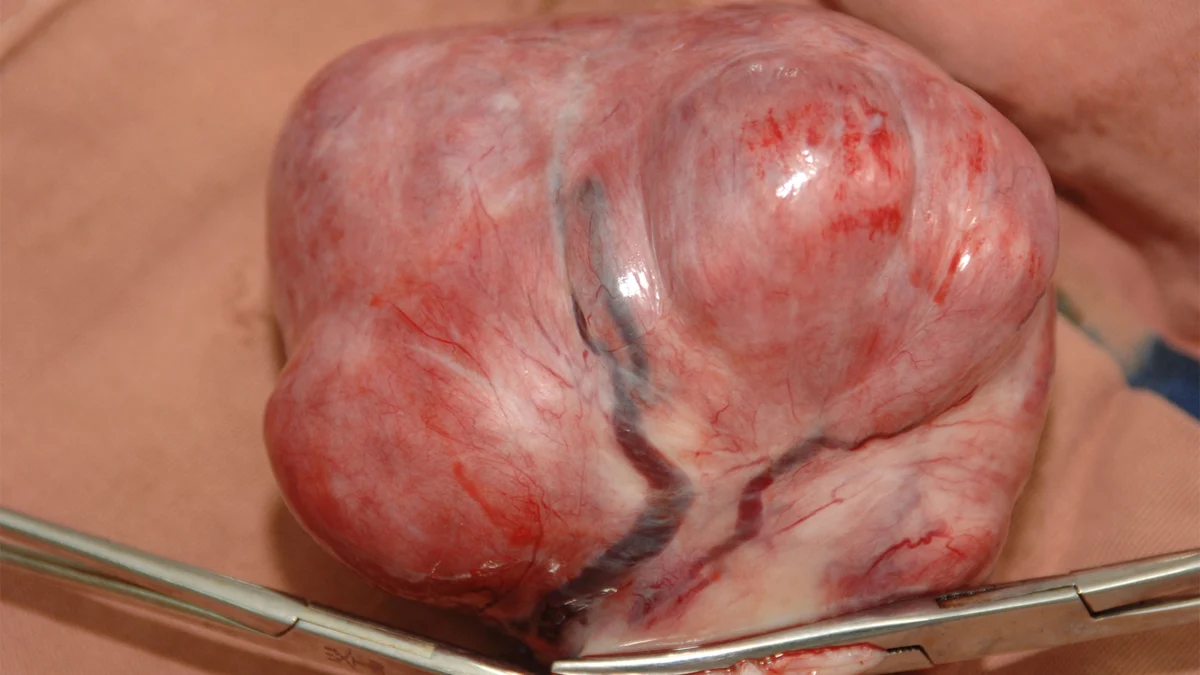
For millions of reproductive-aged women, uterine leiomyomas—commonly known as fibroids—are more than just a medical diagnosis; they are a significant source of chronic pain, heavy menstrual bleeding, and reduced quality of life. As the prevalence of these benign tumors affects up to 80% of women by age 50, the medical community has faced a persistent challenge: how to effectively manage symptoms while honoring the patient’s desire for uterine preservation and future fertility.
A landmark prospective cohort study, the ULTRA study, recently published in Obstetrics & Gynecology, provides a rigorous comparative analysis of two primary uterine-preserving interventions: laparoscopic radiofrequency ablation (RFA) and myomectomy. The findings offer a nuanced perspective that challenges the assumption that one procedure is inherently superior, suggesting instead that both paths lead to significant, durable improvements in patient well-being.
Main Facts: Weighing Two Surgical Paths
Uterine fibroids remain a leading cause of hysterectomies in the United States, yet the shift toward minimally invasive, organ-preserving surgeries has gained significant momentum. The debate between laparoscopic radiofrequency ablation and myomectomy has largely lacked high-quality, long-term comparative data—until now.
Defining the Procedures
- Laparoscopic Radiofrequency Ablation (RFA): A procedure in which clinicians deliver thermal energy to the center of a fibroid. This controlled heat causes the fibroid tissue to coagulate and shrink over time, alleviating pressure and bleeding symptoms. RFA is often favored by patients who wish to retain the option of vaginal delivery in the future, as it avoids the extensive uterine scarring associated with traditional surgery.
- Myomectomy: A surgical procedure—performed either abdominally or laparoscopically—that involves the physical excision and removal of the entire fibroid. While it is highly effective at clearing the uterus of symptomatic tumors, it often necessitates a cesarean section for future pregnancies due to the structural integrity of the uterine wall post-excision.
The ULTRA study sought to clarify whether these procedural differences translate into meaningful long-term disparities in health-related quality of life (HRQOL) and symptom relief.
Chronology: The ULTRA Study Journey
The prospective ULTRA study (NCT02100904) was launched in 2014, spanning both academic and community medical centers across the United States. The study design was built on a foundation of inclusivity, welcoming English- and Spanish-speaking premenopausal women aged 21 and older who were suffering from symptomatic uterine leiomyomas.
Phase 1: Enrollment and Baseline Assessment (2014–2018)
The researchers enrolled 401 participants with a mean age of 39. The cohort was notably diverse, reflecting the disproportionate burden fibroids place on marginalized communities: 53.0% identified as Black, 20.2% as white, 13.4% as Hispanic, and 7.1% as Asian. At the time of entry, participants reported a median of two leiomyomas and a substantial baseline symptom burden, setting the stage for a high-stakes assessment of treatment efficacy.
Phase 2: The Two-Year Longitudinal Follow-up
While the study followed participants for up to five years, the recent analysis focused on the critical 24-month post-procedural window. Researchers utilized the Uterine Fibroid Symptom and Health-Related Quality of Life (UFS-QOL) questionnaire at six-month intervals to track progress. By the end of the two-year period, 386 participants had completed at least one follow-up assessment, providing a robust data set for propensity-weighted modeling.
Supporting Data: Clinical Significance vs. Statistical Significance
The study revealed a complex reality: while one group might show statistically better numbers, those numbers do not always translate to a difference that the patient actually "feels" in their daily life.
Symptom Severity and Quality of Life
In propensity-weighted models, the myomectomy group showed a greater reduction in symptom severity scores (-33.0) compared to the radiofrequency ablation group (-27.7). Similarly, HRQOL improvements favored myomectomy (34.92 vs. 28.29).
However, the researchers applied a critical lens to these findings by measuring them against the minimally clinically important difference (MCID)—the threshold at which a patient perceives a true, tangible improvement in their condition.
- The MCID for symptom severity is 10 points.
- The MCID for HRQOL is 20 points.
While myomectomy outperformed RFA by a statistically significant margin (p=0.028 for symptoms; p=0.011 for HRQOL), the actual difference—a 5.27-point spread for symptoms and a 6.62-point spread for HRQOL—fell well below the threshold of clinical importance.
The "Initial Advantage" Phenomenon
A closer look at the timeline reveals an interesting trend: at the six-month mark, the myomectomy group exhibited a slight, measurable edge in symptom relief. Over the following 18 months, however, this gap narrowed significantly. By the 24-month follow-up, the distinction between the two groups had effectively disappeared, suggesting that while myomectomy may provide a slightly faster route to relief, the long-term outcomes of both procedures are remarkably similar.
Official Responses and Clinical Perspectives
Dr. Antoinette Allen of Weill Cornell Medicine, the lead investigator of the study, emphasized that the findings should empower both surgeons and patients.
"Longitudinally, they both work really, really well," Dr. Allen noted in an interview with MedPage Today. "But I do think that myomectomy does have its initial advantage."
The study authors concluded that because both procedures offer such substantial and durable improvements, the decision-making process should be centered on individual patient goals rather than a one-size-fits-all approach. For a patient who prioritizes avoiding a cesarean section in a future pregnancy, RFA may be the superior choice. For a patient whose primary goal is the complete removal of the fibroid tissue with immediate symptom resolution, myomectomy remains the gold standard.
Implications: The Future of Fibroid Care
The results of the ULTRA study hold profound implications for clinical practice, particularly regarding patient counseling.
1. Moving Beyond the Hysterectomy Paradigm
For decades, hysterectomy was the default for symptomatic fibroids. This study validates that we have entered an era where uterine preservation is not only viable but highly effective. By providing data that demonstrates both RFA and myomectomy result in lasting improvements, the medical community can better support patients who wish to avoid the long-term risks of hysterectomy, which include potential cardiovascular and metabolic complications.
2. Addressing Health Disparities
The demographic makeup of the study is a significant strength. Given that Black women are at a higher risk of developing larger, more symptomatic fibroids at an earlier age, having data that specifically reflects their experiences is crucial. The study confirms that these patients, who are often disproportionately affected by the condition, can achieve long-term relief without sacrificing their uterus.
3. Shared Decision-Making
The study reinforces the necessity of the "shared decision-making" model. Because the clinical outcomes between the two procedures are largely equivalent at the two-year mark, the conversation between doctor and patient should focus on:
- Reproductive Plans: Does the patient desire a future vaginal delivery?
- Procedural Recovery: How much downtime can the patient afford?
- Fibroid Burden: Does the number and size of the fibroids make one procedure technically more favorable than the other?
Limitations and Future Research
While the ULTRA study is a significant step forward, the authors acknowledged limitations. The nonrandomized design means that residual confounding—such as patient preference or baseline differences in fibroid anatomy—could have influenced the results. Furthermore, the tendency for myomectomy patients to enter the study later than RFA patients warrants consideration in future, randomized controlled trials.
Final Thoughts
Ultimately, the ULTRA study provides a reassuring message to women navigating the daunting landscape of fibroid treatment. Whether through the surgical removal of fibroids via myomectomy or the thermal reduction via radiofrequency ablation, women now have evidence-based options that prioritize their long-term health and personal life goals. As medical technology continues to evolve, the shift toward these less-invasive, organ-preserving procedures stands as a testament to a more patient-centered approach to gynecology.


 Lina Hope