




 Lina Irawan
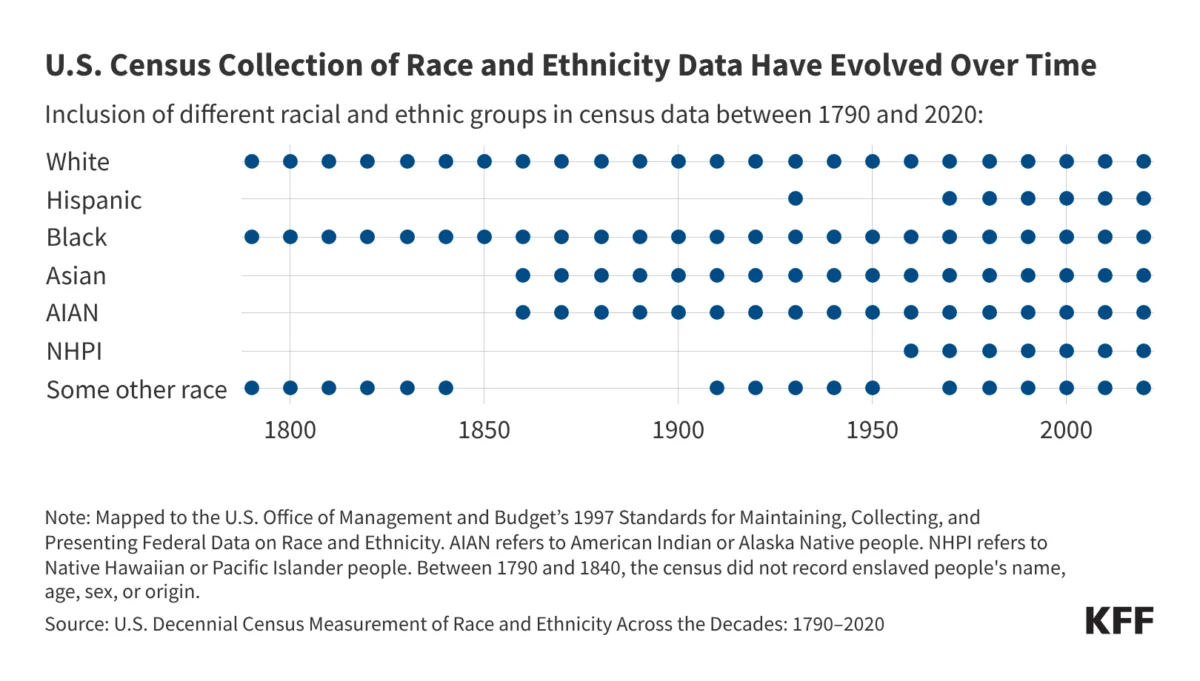
On September 10, 2026, the U.S. Census Bureau issued a proposed rule that, if finalized, would fundamentally alter the landscape of American democracy. The proposal introduces two radical shifts to the regulations governing the decennial census: the elimination of questions regarding race and ethnicity, and a narrowed definition of "usual residence" that would effectively purge millions of noncitizen immigrants—including those lawfully present but lacking permanent residency—from the apportionment base.
For nearly two and a half centuries, the census has functioned as the nation’s "civil backbone," providing the data necessary to apportion seats in the U.S. House of Representatives and distribute federal funds. By proposing to strip away demographic nuance and redefine the constitutional mandate of "counting all persons," the Census Bureau is setting the stage for a constitutional crisis that could reshape the political and fiscal map of the United States for decades to come.
Main Facts: The Proposed Changes
The core of the Bureau’s proposal rests on two pillars that break with historical precedent:
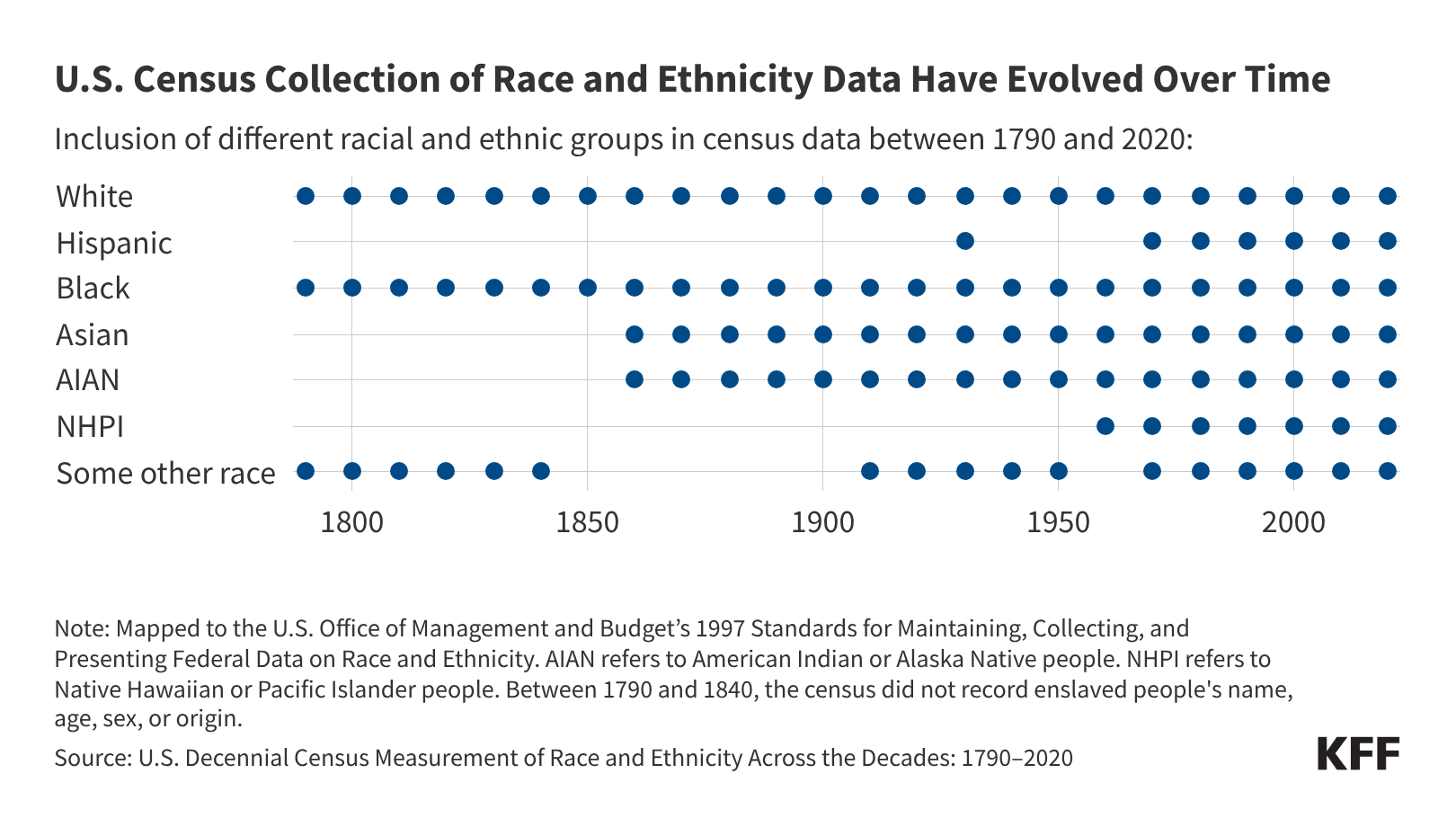
- The Erasure of Demographics: The rule proposes to prohibit the collection of data on race, ethnicity, and sexual orientation in the decennial census. This would effectively blind the federal government to the shifting demographic profile of the nation at the most granular level—the census block.
- The Redefinition of Residency: The Bureau plans to narrow the definition of "usual residence" to exclude any noncitizen who lacks Lawful Permanent Resident (LPR) status—commonly known as a "green card." Furthermore, the Bureau indicates that it will utilize federal tax records to verify residency. This shift risks excluding millions of individuals who may not file taxes, including the elderly, low-income populations, and students, from the official count.
These changes directly challenge the constitutional requirement set forth in Article I, Section 2, which mandates an "actual Enumeration" of "the whole number of persons in each State." Since 1790, the census has counted residents regardless of citizenship status. The proposed rule represents the first time in history that the Census Bureau has formally moved to institutionalize an exclusionary count for the purposes of political apportionment.
Chronology: A History of Evolution and Conflict
To understand the gravity of the current proposal, one must look at the evolution of census data collection:
- 1790–Present: The first census was conducted under the leadership of Thomas Jefferson. Since its inception, the census has been designed to count every person living on U.S. soil, establishing the precedent that "persons" is an inclusive term, not a synonym for "citizens."
- 1977: The Office of Management and Budget (OMB) established the first federal standards for the collection and reporting of racial and ethnic data, ensuring consistency across all federal agencies.
- 2020: During his first term, President Donald Trump issued a memorandum attempting to exclude undocumented immigrants from the apportionment base. The policy faced immediate legal fire and was never implemented, as the Bureau could not finalize the count before the administration changed.
- March 2024: The OMB announced significant revisions to racial and ethnic data standards, including the addition of a "Middle Eastern or North African" category. These changes were intended to provide a more accurate portrait of the American populace.
- 2025–2026: The current administration has signaled a retreat from these standards, extending deadlines for implementation and canceling plans to incorporate these improved standards into the American Community Survey.
- September 10, 2026: The Census Bureau formally publishes the proposed rule to remove race/ethnicity questions and restrict the apportionment count.
- October 13, 2026: The deadline for public comment. The Bureau is legally required to review and address all substantive comments before issuing a final rule.
Supporting Data: Why the Census Matters
The decennial census is more than a headcount; it is the primary data engine for the American economy. Over $2.2 trillion in annual federal funding is allocated based on census-derived data.
The Fiscal Impact
Data from the Project on Government Oversight (POGO) highlights that more than 370 federal programs—ranging from the Supplemental Nutrition Assistance Program (SNAP) to highway infrastructure grants—rely on census counts. The most significant impact, however, is felt in healthcare. Programs such as Medicaid and the Children’s Health Insurance Program (CHIP) utilize the Federal Medical Assistance Percentage (FMAP), which is calculated using per capita income data derived from the census. By removing millions of noncitizens—who are often among the most vulnerable economic populations—from the denominator, the perceived per capita income of states with high immigrant populations, such as Texas and Florida, could be artificially inflated. This would result in a reduction of federal healthcare matching funds for these states.
The Research Gap
The census is the only source of complete, block-level data on race and ethnicity. Researchers use this data to identify health disparities, monitor the efficacy of civil rights laws, and ensure the equitable distribution of resources. Without this data, the ability of public health officials to identify, for example, localized outbreaks or disparities in maternal mortality, would be severely hampered.
Official Responses and Legal Scrutiny
The proposed rule has been met with intense skepticism and immediate legal warnings. Civil rights organizations and constitutional scholars argue that the change violates the 14th Amendment, which states that representatives shall be apportioned based on "the whole number of persons in each State."
"The Census Bureau is attempting to perform an end-run around the Constitution," says a lead analyst at a non-partisan policy institute. "By using tax records as a proxy for residency, they are introducing a barrier to participation that favors the wealthy and penalizes the most vulnerable members of our society."
Conversely, proponents of the rule argue that the census should only reflect those who have a legal right to reside in the country. They suggest that the inclusion of noncitizens in the apportionment count distorts the political representation of citizens in interior states. However, this argument ignores the historical context of the 14th Amendment, which was specifically designed to ensure that representation was based on the actual population inhabiting a state, rather than just its legal voters.
Implications: A New Era of Political Districting
The most profound impact of the proposed rule will be on the redistricting process. Under Public Law 94-171, the Census Bureau is required to provide states with the granular data necessary to draw district lines.
The Erosion of Voting Rights
The Voting Rights Act (VRA) of 1965 prohibits voting practices that discriminate on the basis of race. For decades, block-level racial and ethnic data have been the "smoking gun" for plaintiffs bringing vote dilution claims. If these data points are removed, the evidentiary burden for proving racial gerrymandering becomes nearly impossible. Given the Supreme Court’s recent decision in Louisiana v. Callais, which already heightened the requirements for VRA litigation, the loss of census data would effectively dismantle the primary tool used to protect minority voting rights.
Reapportionment and Political Power
The removal of 14 million undocumented and 2 million lawfully present noncitizens from the count would inevitably trigger a shift in congressional seats. Past simulations, such as those conducted by the Pew Research Center, suggest that states with large immigrant populations—specifically California, Texas, and Florida—would see their congressional delegations shrink. These seats would likely shift toward more rural, less-populated states, fundamentally altering the balance of power in the House of Representatives in favor of certain political demographics.
Conclusion: The Road Ahead
The period between now and the 2030 census will be defined by legal battles and intense public debate. If the current rule is finalized, it will undoubtedly face an immediate onslaught of lawsuits in federal court. Critics anticipate that the judiciary will be forced to determine whether the Bureau has the statutory authority to redefine "residence" in a way that contradicts 236 years of administrative precedent.
Furthermore, the outcome of the 2028 presidential election will loom large over the implementation of these rules. A change in administration could lead to the immediate rescission of these regulations, yet the uncertainty created by the proposal may already be enough to dampen participation in the 2030 census.
As the October 13 deadline for public comment approaches, the nation stands at a crossroads. The census is more than a ledger of population; it is the definitive map of the American people. By choosing to obscure the demographic reality of the nation and restrict the count to a select few, the government risks losing the very transparency that has allowed the U.S. democratic system to function for nearly two and a half centuries. The question remains: can a democracy remain truly representative if it chooses to stop counting who it actually represents?


 Nila Kartika Wati

 Neng Nana






