




 Dwi Wanna
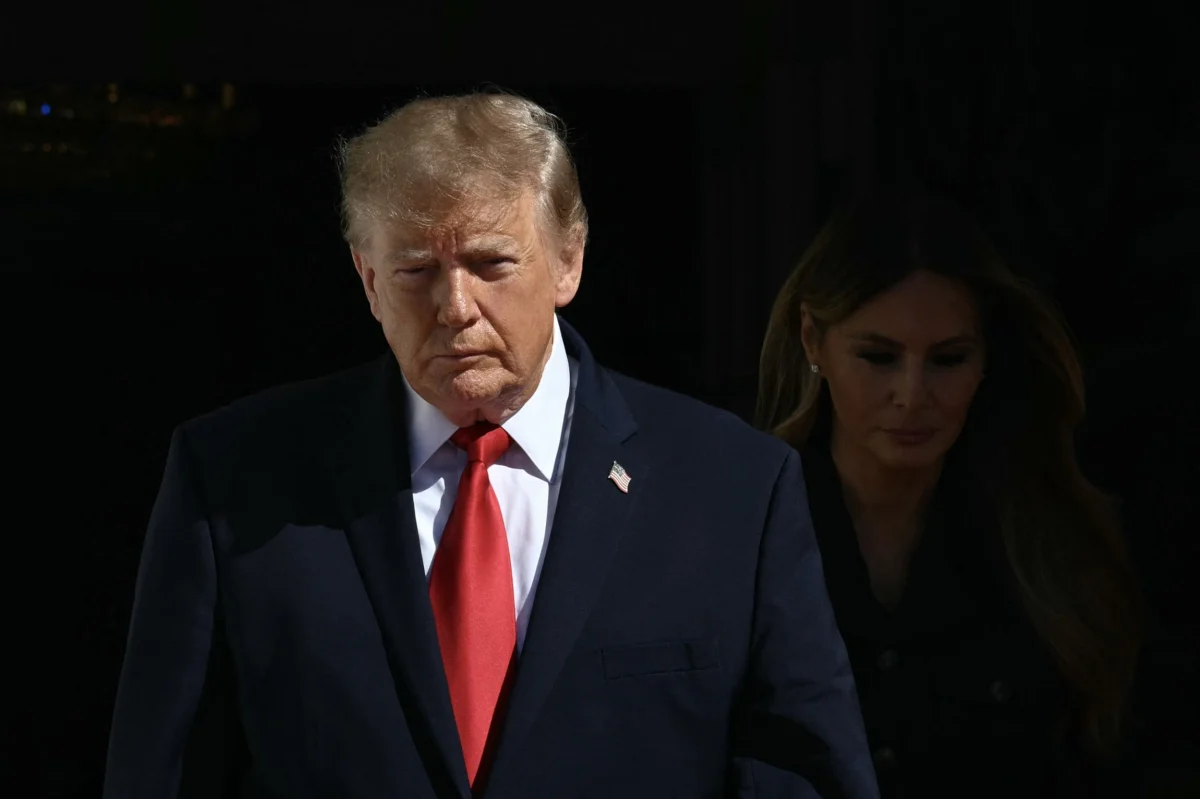
WASHINGTON, D.C. — In a move that has sent shockwaves through the halls of the Capitol and further polarized an already divided nation, Representative Steve Cohen (D-Tennessee) formally introduced 26 articles of impeachment against President Donald Trump on Thursday. This legislative maneuver represents the most comprehensive attempt to date to remove the President from office during his current term, with Cohen labeling him the “most impeachable President our country has ever endured.”
The resolution, filed by Cohen in his capacity as a senior member of the House Judiciary Committee, outlines a sweeping array of alleged constitutional violations, ranging from unauthorized military escalations in the Middle East and South America to systemic corruption and the weaponization of federal agencies against domestic political opponents.
Main Facts: A Comprehensive Indictment of the Executive Branch
The 26 articles of impeachment are categorized into several pillars of alleged misconduct. Unlike previous impeachment efforts that focused on singular events, Cohen’s resolution seeks to paint a picture of a presidency that has systematically operated outside the bounds of the law since returning to power.
Military Aggression and International Law
Two of the most prominent articles focus on the administration’s use of military force. Cohen alleges that the President has engaged in unconstitutional military aggression against Iran without the requisite Congressional approval under the War Powers Act. Furthermore, the articles cite “extrajudicial killings in the international waters of Venezuela,” an escalation that critics argue constitutes a violation of both U.S. law and international maritime treaties.
The Immigration Agenda and Human Rights
A significant portion of the resolution targets the administration’s “mass deportation” strategy. Cohen highlights the deployment of the National Guard to major U.S. cities, a move the administration claims is necessary for public safety but which the articles of impeachment describe as an illegal use of military force on domestic soil. Perhaps most controversially, the resolution accuses the administration of defying court orders and overseeing the imprisonment of immigrants in a “notorious torture camp” located in El Salvador—a facility Cohen argues is funded by U.S. tax dollars in violation of human rights standards.
Corruption and Self-Enrichment
The resolution revives and expands upon long-standing allegations regarding the President’s business interests. Cohen asserts that the President is “profiting personally and directly from the presidency,” citing the use of federal funds at Trump-owned properties and the alleged steering of government contracts toward political allies and business associates.
Attacks on Democratic Institutions
Finally, the articles address the administration’s relationship with the press and the judiciary. Cohen accuses the President of misappropriating federal funds to punish political enemies and engaging in a sustained campaign to delegitimize the free press. The resolution claims these actions constitute a direct threat to the First Amendment and the separation of powers.
Chronology: The Road to the 26 Articles
The introduction of these articles is the culmination of months of mounting tension between the White House and House Democrats. To understand the current crisis, one must look at the sequence of events that led to this week’s filing.
- Early 2025: Following his return to the White House, President Trump initiated a series of executive orders aimed at radically reshaping the federal bureaucracy and immigration enforcement.
- Late 2025 – Early 2026: The administration began the deployment of the National Guard to several "sanctuary cities," leading to legal challenges and a standoff with various state governors.
- Summer 2026: Reports surfaced regarding the conditions in Salvadoran detention centers, sparking international condemnation and domestic protests. Simultaneously, military operations in the Caribbean and the Persian Gulf intensified.
- September 2026: Earlier this month, Rep. Al Green (D-Texas) forced a preliminary vote on a separate set of impeachment articles. While the measure failed to pass, it garnered 147 Democratic votes, signaling a growing appetite within the caucus for formal proceedings.
- September 25, 2026: Amidst these escalating tensions, the President and First Lady Melania Trump hosted Chinese President Xi Jinping at the White House, a high-stakes diplomatic meeting that occurred just hours before Cohen finalized his resolution.
- September 28, 2026: Rep. Cohen officially introduces the 26 articles, framing the move as a historical necessity.
Supporting Data: The Legislative and Public Pulse
The political landscape surrounding impeachment is complex, defined by a Republican-controlled Congress that remains largely loyal to the President, despite cracks appearing in the facade of GOP unity.
Congressional Vote Tallies
The failure of Rep. Al Green’s recent impeachment attempt provides a baseline for the current effort. Of the 147 Democrats who voted to advance the measure, the vast majority represented the progressive and centrist wings of the party. However, the vote also revealed significant internal friction:
- Defectors: 18 Democrats joined Republicans to table the articles. This group included Rep. Jared Golden (D-Maine) and Rep. Marie Gluesenkamp Perez (D-Washington), who have increasingly broken with their party to support Republican legislative priorities.
- The "Present" Votes: 46 Democrats, including House Minority Leader Hakeem Jeffries (D-New York), voted “present.” This strategy is seen by analysts as an attempt to maintain party discipline while avoiding a premature floor fight that the GOP majority would inevitably win.
Public Opinion and the Hegseth Factor
While the President’s impeachment remains a partisan flashpoint, there is broader public consensus regarding members of his cabinet. According to recent polling from The Economist/YouGov, 51 percent of U.S. voters believe that Secretary of Defense Pete Hegseth should be impeached.

This sentiment follows a separate set of eight impeachment articles introduced by Rep. Thomas Massie (R-Kentucky) against Hegseth. Massie, a libertarian-leaning Republican, accused the Defense Secretary of disregarding civilian safeguards in Yemen and the Caribbean. The fact that a majority of the public supports Hegseth’s removal suggests that the administration’s military policies are under greater scrutiny than the Republican leadership acknowledges.
Official Responses: A House Divided
The rhetoric following the filing of the 26 articles has been sharp and uncompromising.
Rep. Steve Cohen’s Statement:
“Trump is clearly the most impeachable President our country has ever endured,” Cohen stated. “His continued presence in office is a danger to our democracy. That the sycophantic Republican majority in Congress is derelict in its duty does not mean that I must abandon my responsibilities. When historians write about this period, and our constituents ask who stood up to President Trump’s lawlessness, this resolution is the answer.”
Republican Leadership:
GOP leaders have dismissed the articles as “partisan theater” and a “distraction from the administration’s successes.” House Speaker’s office released a brief statement suggesting that the Democratic caucus is “more interested in reliving the grievances of the past than in governing for the future.” They have signaled that the articles will likely be tabled or buried in committee, mirroring the fate of Rep. Massie’s attempt to impeach Secretary Hegseth.
The White House:
The White House has not issued a formal line-by-line rebuttal of the 26 articles, instead focusing on the President’s diplomatic agenda. However, surrogates for the President have characterized the move as an “abuse of the impeachment process” intended to influence the upcoming midterm elections.
Implications: Constitutional Strain and the 2026 Midterms
The filing of 26 articles of impeachment is more than a symbolic gesture; it carries profound implications for the American political system.
The Normalization of Impeachment
Political scientists warn that the frequent use of impeachment articles—now coming from both the left (Cohen, Green) and the right (Massie)—suggests that the process is becoming a standardized tool of political warfare rather than a "break-glass" constitutional remedy. If impeachment becomes a routine feature of every Congress, its power as a deterrent against executive overreach may be significantly diminished.
The Midterm Election Shadow
With the 2026 midterm elections on the horizon, the impeachment resolution serves as a rallying cry for the Democratic base. By forcing Republicans to vote against the articles, Democrats hope to frame the GOP as "enablers" of the President’s most controversial policies, particularly the use of the National Guard in domestic cities and the conduct of the war in Iran.
International Credibility
The allegations of "extrajudicial killings" and "torture camps" in El Salvador have already begun to impact U.S. foreign relations. Allies in the European Union and the United Nations have expressed "grave concern" over the details outlined in Cohen’s resolution. If these articles gain international traction, they could lead to sanctions or legal challenges in international courts, further isolating the administration on the world stage.
The Fate of the Hegseth Resolution
The parallel effort by Rep. Massie to impeach Secretary Hegseth creates a unique vulnerability for the GOP. If Republican leadership continues to block a vote on Hegseth despite majority public support for his removal, it may lend credence to Cohen’s argument that the majority is “derelict in its duty.”
As the resolution moves to the House Judiciary Committee, the nation remains braced for a prolonged period of legislative gridlock and heightened political tension. While the articles are unlikely to lead to a conviction in the current political climate, they stand as a formal, historical record of the opposition’s grievances against the 47th President.


 Nana

 Ammar Sabilarrohman






