
 Layla Zulfa
WASHINGTON, D.C. — As extreme weather events grow in frequency and intensity, the American property insurance market has become the latest frontline in the battle against climate change. Public Citizen’s Climate Program has officially announced the launch of a comprehensive, nationwide legislative outreach initiative designed to tackle what advocates describe as a systemic economic threat. To support this ambitious campaign, the organization is opening a high-level internship program for students and early-career professionals eager to engage in the intersection of climate policy, legislative strategy, and consumer advocacy.
The internship, running from August 31 to December 11, 2026, places participants at the center of an urgent effort to hold the insurance industry accountable for "climate profiteering"—a cycle wherein insurers hike rates for homeowners while simultaneously financing the fossil fuel projects that drive extreme weather.
Main Facts: The Intersection of Climate and Capital
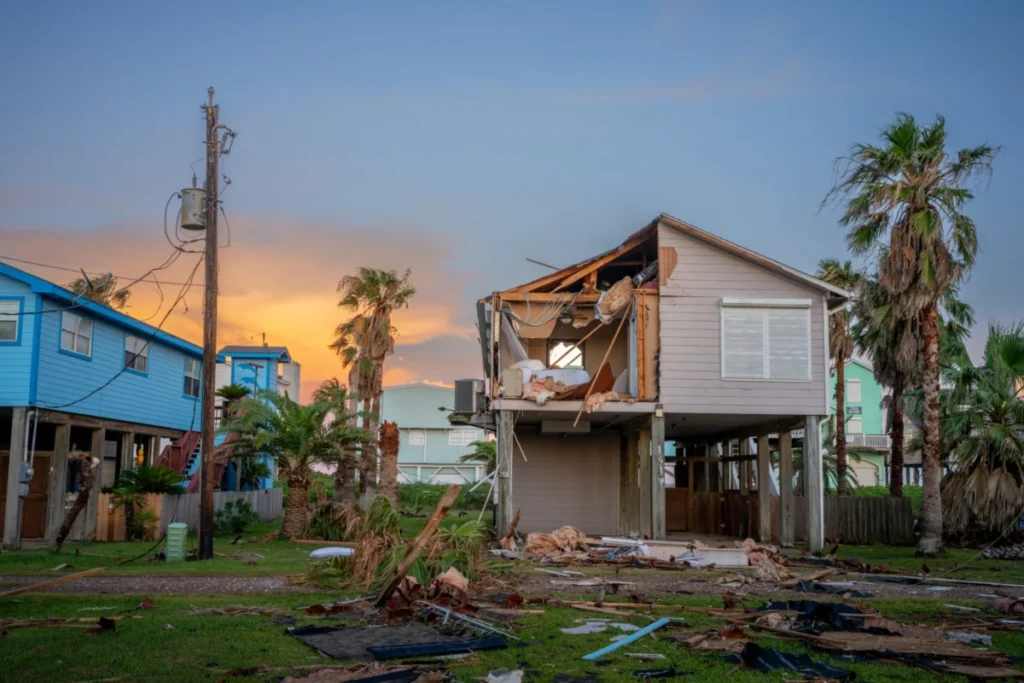
The core of the initiative rests on a sobering realization: the instability of the property insurance market is no longer a localized issue. It is a national emergency. Public Citizen identifies a "vicious cycle" where climate-driven disasters destabilize regional markets, leading to mass withdrawals by insurance providers and record-breaking rate hikes for consumers.
The campaign aims to bridge the gap between public frustration and state-level policy action. With homeowners and renters across all 50 states feeling the financial squeeze, Public Citizen is mobilizing to push for state-level solutions. The intern selected for this role will act as a primary driver for a multi-state outreach campaign, coordinating with legislators and advocacy organizations to craft and promote policy frameworks that protect consumers from industry exploitation.
Chronology: From 2008 Parallels to Current Mobilization
To understand the urgency of this campaign, one must look at the timeline of the insurance crisis:
- Pre-2020: Insurance markets remained relatively stable, though concerns regarding long-term climate risks were growing in academic and regulatory circles.
- 2020–2024: The frequency of "billion-dollar disasters" accelerated. Insurance companies began retreating from high-risk zones, most notably in California, Florida, and Louisiana, citing extreme climate volatility.
- 2025: Public sentiment reached a breaking point. Polling conducted throughout the year indicated that concern over rising premiums and insurance availability crossed traditional ideological lines, with residents in the Midwest, Southwest, and coastal regions all demanding government intervention.
- August 31, 2026: Official start of the legislative outreach internship, marking the beginning of a concerted push to transform public sentiment into legislative action ahead of the 2027 state legislative sessions.
- December 11, 2026: Conclusion of the pilot phase of the outreach campaign, with a projected goal of having identified key legislative allies and policy vehicles in at least 15 target states.
Supporting Data: The Systemic Threat
Public Citizen characterizes the current insurance crisis as a systemic threat to the U.S. economy on par with the 2008 financial crisis and the COVID-19 pandemic. The data supporting this assertion is multifaceted:
1. The Profiteering Cycle
Insurance companies are accused of "climate profiteering." By pulling out of markets—thereby reducing competition—they exert pressure on state regulators to approve massive rate hikes. This allows companies to maintain, and often increase, executive pay and shareholder returns even as the climate crisis worsens.
2. The Fossil Fuel Connection
Perhaps the most "insidious" element of the crisis, according to Public Citizen, is the reinvestment loop. The capital collected through inflated insurance premiums is often funneled into the very industries that accelerate climate change. This includes underwriting coal plants and financing new methane export terminals—projects that environmental scientists have categorized as "climate bombs" due to their immense carbon footprint.
3. Cross-Ideological Demand
Unlike many environmental issues, the insurance crisis is non-partisan in its impact. Whether in a "Blue" state like California or a "Red" state in the Midwest, the reality of uninsurable properties and skyrocketing costs is universal. Polling data suggests that there is a unique window of opportunity to build a coalition that spans the political spectrum, as homeowners’ associations, fiscal conservatives, and climate activists all find themselves on the same side of the insurance reform debate.
Official Responses: The Advocacy Mandate
Public Citizen has framed this initiative as a "vehicle for change." By engaging directly with state legislators, the organization hopes to bypass federal gridlock and create localized regulatory firewalls.
"The insurance industry has been operating with a dual strategy: profiting from climate disaster while bankrolling the fossil fuel industry," a spokesperson for the program noted. "Our outreach campaign is designed to expose this hypocrisy and provide state lawmakers with the tools they need to hold these companies accountable. We need the next generation of policy leaders to help us map this strategy and turn public outrage into concrete legislative action."
The organization emphasizes that the internship is not merely an educational exercise. Interns are expected to take ownership of projects, including:
- Designing communication strategies for target legislative districts.
- Drafting policy briefings that translate complex climate-insurance data into digestible, actionable content for lawmakers.
- Mapping political landscapes in key states to identify "low-hanging fruit" for potential legislative wins.
Implications: The Road Ahead
The implications of this campaign are profound. If successful, it could trigger a wave of state-level regulations that force insurance companies to divest from fossil fuel projects as a condition of their operating licenses. Such a move would strike at the financial heart of the fossil fuel industry, effectively increasing the cost of capital for new methane and coal projects.
Challenges to Success
The campaign faces significant hurdles, including the immense lobbying power of the insurance and fossil fuel industries. These sectors have a long history of influencing state-level insurance commissioners and state legislators. Furthermore, the complexity of insurance law—which is primarily regulated at the state level—creates a fragmented battlefield that requires highly localized, nuanced strategy.
The Role of the Intern
The intern will be a key participant in navigating these complexities. By working closely with senior staff at Public Citizen, they will gain exposure to:
- Policy Research: Analyzing the relationship between state-level insurance regulations and fossil fuel investment.
- Legislative Engagement: Developing the skills to pitch policy ideas to state representatives and their staff.
- Communications: Crafting narratives that effectively explain why insurance is a climate issue.
The internship is specifically designed for those interested in public policy, legislative affairs, advocacy, and non-profit leadership. It offers a rare look into how systemic change is organized from the ground up.
Conclusion: How to Apply
For students and young professionals, this opportunity represents more than just a resume builder; it is an entry point into the mechanics of institutional power. As the insurance crisis continues to destabilize the national economy, the work performed during this internship will contribute to a broader effort to re-align the financial sector with the realities of the climate crisis.
Public Citizen is currently reviewing applications on a rolling basis. Interested candidates should submit their resumes to the organization’s recruitment email. The application process requires the subject line: "[First Initial]+[Last Name]-Insurance Policy Intern."
Applicants are encouraged to clarify their availability for academic credit or external funding, as the organization offers both unpaid and a limited number of paid positions based on financial need. For those looking to shape the future of climate policy, this internship offers a direct, high-impact path to making a difference in the legislative arena.
As we move toward the close of 2026, the question remains whether the intersection of homeowner advocacy and environmentalism can produce a policy shift that forces the insurance industry to stop underwriting its own demise—and the planet’s. With this campaign, Public Citizen is betting that the answer is yes.

 Lina Irawan
 Lina Hope






