
 Rifan Muazin
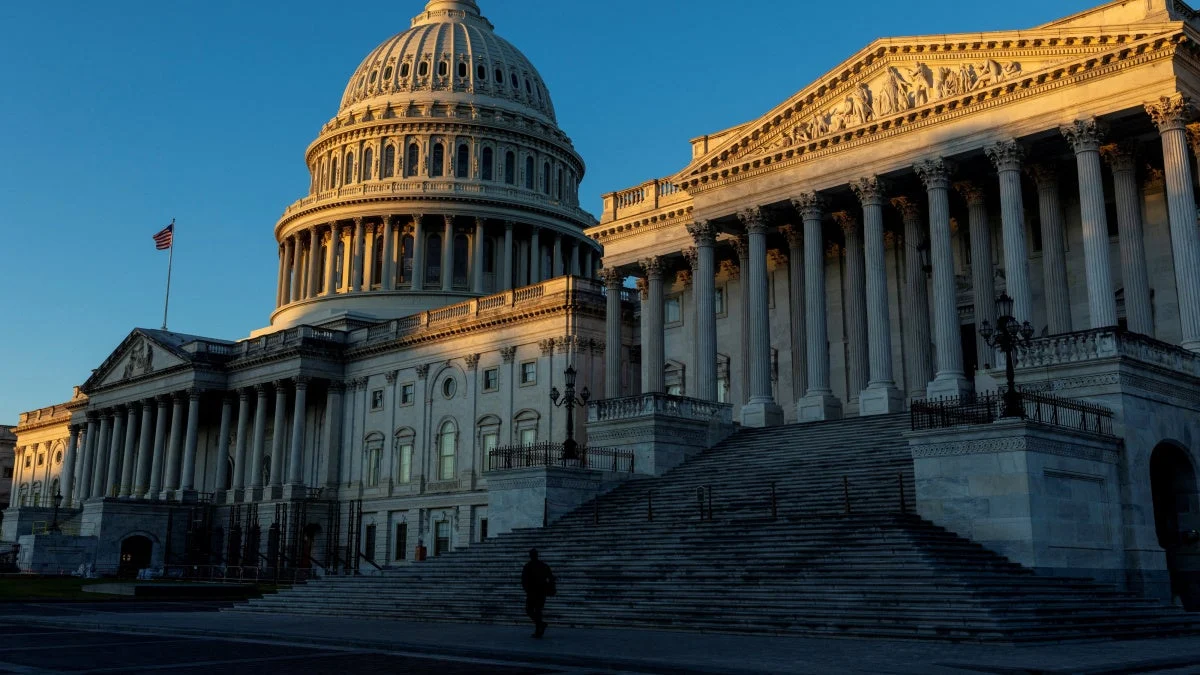
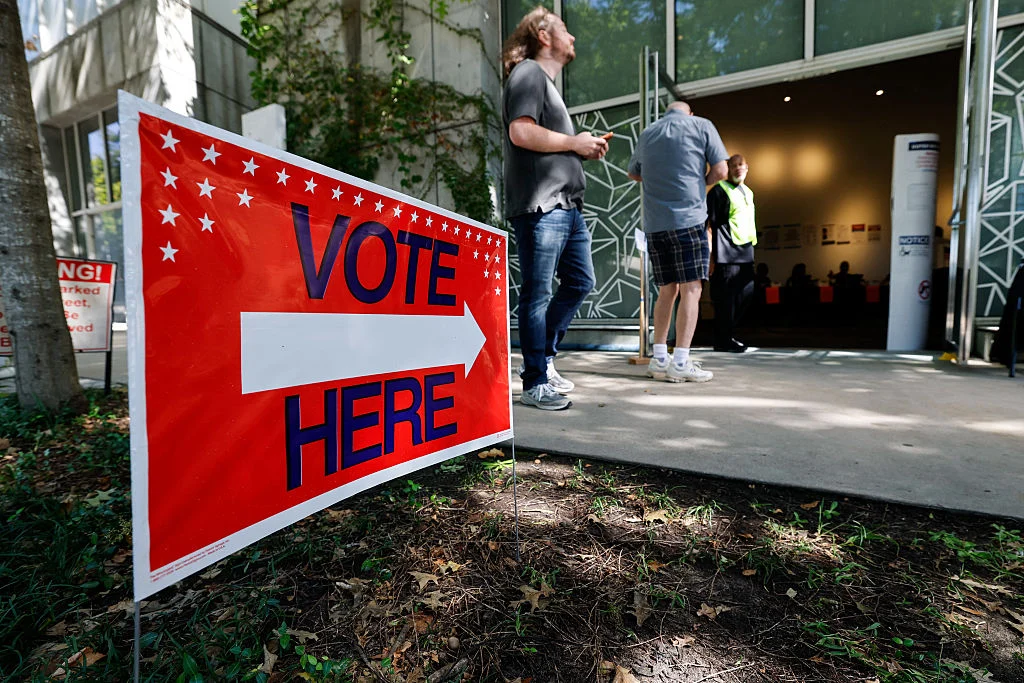
New York, NY – October 20, 2026 – As the United States approaches a critical juncture in its democratic process with upcoming midterm elections, a growing movement of impact investors and advocates is recognizing a profound truth: democracy extends far beyond the ballot box. The health and resilience of democratic societies are intrinsically linked to economic determinants – how citizens earn a living, where they reside, and their capacity to build generational wealth. This understanding is driving a new wave of investment strategies aimed at shifting power within the financial system and fostering more equitable economic landscapes.
A pivotal discussion on this subject is slated for Wednesday, October 21st, at 10 AM PT / 1 PM ET / 6 PM London. The event, hosted by ImpactAlpha, will convene leading figures in the impact investing space to delve into the economic underpinnings of democracy. Participants will include Ian Simmons of Blue Haven Initiative, Fran Seegull of the US Impact Investing Alliance, Whitney Shepard of Majority Action, Stacey Faella of Woodcock Foundation, and Napoleon Wallace of Partners in Equity. Together, they will explore actionable strategies for embedding democratic principles into the very fabric of financial systems.
This initiative underscores a broader trend: the recognition that economic stability, opportunity, and equitable wealth distribution are not merely desirable outcomes but essential pillars for a functioning democracy. When individuals and communities have a stake in their economic well-being, they are more likely to participate actively in civic life and advocate for policies that benefit the collective good. Conversely, economic insecurity and widening inequality can breed disengagement, cynicism, and vulnerability to populist appeals, thereby eroding democratic norms and institutions.
The Imperative of a "Just Transition" in Southeast Asia’s Energy Sector
Beyond the immediate concerns of electoral politics, the global pursuit of a sustainable future presents its own set of challenges and opportunities for economic empowerment and democratic participation. In Southeast Asia, the rapid expansion of clean energy infrastructure, while critical for mitigating climate change, is encountering significant hurdles rooted in community engagement and the equitable distribution of benefits.
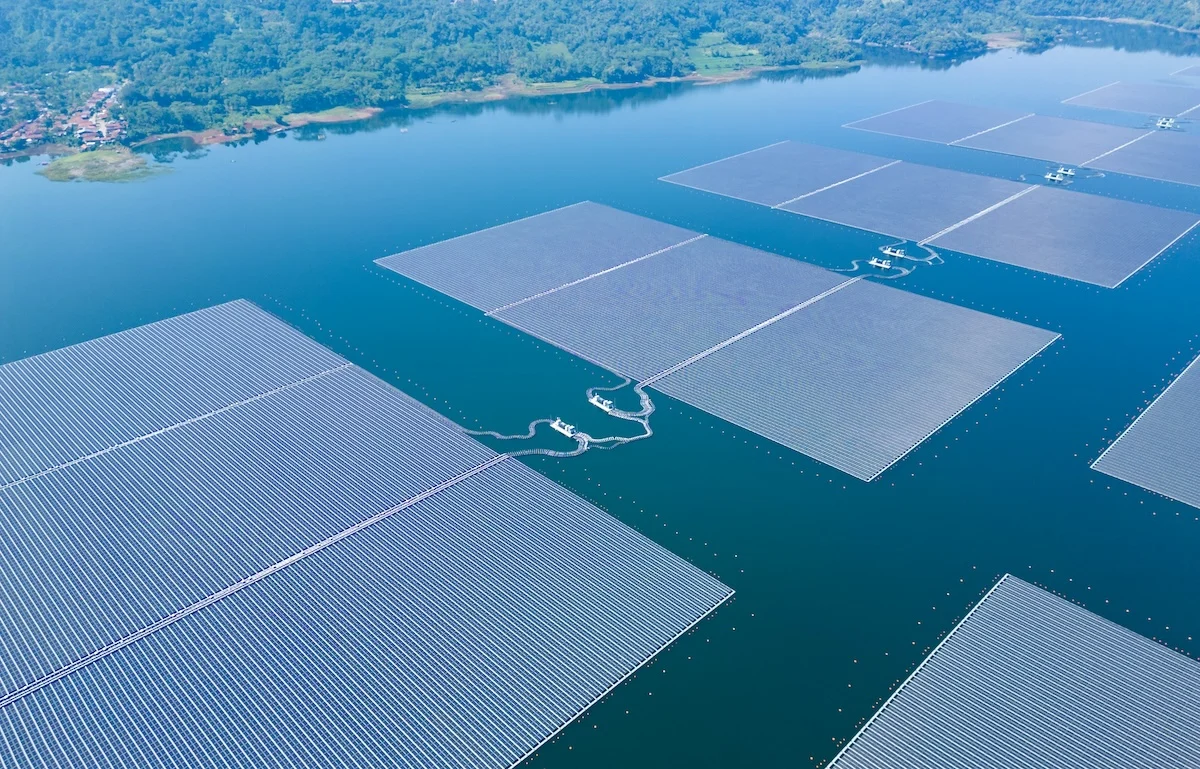
Developers are aggressively pursuing the development of solar farms and other renewable energy projects across the region to meet burgeoning demand. A substantial portion of this new power generation is slated for export, with countries like Singapore aiming to import six gigawatts of low-carbon electricity over the next decade. Projections indicate that an estimated $764 billion in investment will be required to achieve the region’s cross-border transmission and renewable generation targets by 2045.
However, this ambitious green build-out is not proceeding without friction. Community opposition has emerged as a significant obstacle, highlighting the critical need for a "just transition" that prioritizes local well-being alongside environmental goals. A stark example is the proposed $25 billion "Eco City" project, envisioned as a hub for glass and solar panel manufacturing. This initiative faced fierce protests, with residents, many of whom belong to Indigenous communities, facing threats of eviction. Similar pushback has been observed in the development of data center projects across the region.
The complexities of land acquisition and the maintenance of community support are particularly acute in areas where land titles are often unclear and customary rights may not be formally documented. Kitty Bu, a climate finance expert formerly with the Global Energy Alliance for People and Planet and the European Climate Foundation, emphasizes the financial implications of neglecting these issues. "If developers believe that unresolved land rights and community conflict are not material financial issues, they’re wrong," Bu stated. "Pushback from community groups can cause long delays or render projects unfinanceable." This underscores the necessity for developers to adopt a more inclusive and participatory approach, ensuring that the economic benefits of clean energy projects are shared equitably with the communities that host them.
Deep Tech Innovations Driving Supply Chain Resilience and Diversification
In parallel with the energy transition, advancements in deep technology are poised to reshape global economic landscapes and enhance national resilience. A recent development in this arena is the $25 million funding round secured by Scimplify, an Indian company focused on diversifying supply chains for specialty chemicals.
The intricate web of global industries, from food and agriculture to pharmaceuticals and clean energy, relies heavily on chemical inputs. While many of these chemicals are produced in large volumes, the market for more niche or "bespoke chemicals" has been largely dominated by Chinese manufacturers. Scimplify is strategically positioning India as a viable alternative source for these specialized compounds.
The $25 million investment, led by Hitachi Ventures, with participation from Henkel and Teknor Apex Company, will fuel Scimplify’s expansion into the United States market. Existing investors, including Accel India, 3one4 Capital, and the agri-focused impact VC Omnivore, also participated in the round, signaling strong confidence in the company’s trajectory.
The strategic importance of Scimplify’s mission was highlighted by the Omnivore team, who noted, "As the world rethinks where its critical materials come from, building reliable alternative supply, much of it out of India, is becoming a strategic necessity." This sentiment resonates with the growing global imperative to de-risk supply chains and foster greater economic sovereignty.
Scimplify leverages proprietary artificial intelligence and an asset-light operational model to develop "generic speciality chemicals." These chemicals find applications across a range of vital sectors, including agriculture, pharmaceuticals, flavors, fragrances, and nutrition. The company’s expansion plans also encompass new markets in Europe and Japan, further solidifying its role as a key player in global chemical supply chain diversification. This development represents a significant step towards creating more resilient and geographically diverse supply networks, a crucial element for economic stability and, by extension, democratic integrity.
Navigating the Complexities of Energy Finance: Singaporean Banks and the "Coal Loophole"
The global push towards decarbonization is fraught with complex financial dynamics, as exemplified by recent analyses of lending practices by Singapore’s major banks. Despite commitments to restrict financing for new coal projects, these institutions appear to be finding ways to continue supporting coal-fired power plants through a practice known as "captive coal."
Singapore’s top three banks – DBS, OCBC, and UOB – have been identified as backing on-site coal plants that power industrial facilities. These facilities are often involved in processing minerals and metals essential for the low-carbon economy, such as nickel and aluminum. Nickel is a critical component in electric vehicle batteries, while aluminum is indispensable for the manufacturing of solar panels and wind turbines.
An analysis conducted by the environmental finance advocacy group Market Forces revealed that between 2020 and 2025, these three prominent Singaporean banks provided financing to coal-dependent industrial groups. This finding is particularly noteworthy given that all three banks had publicly announced restrictions on financing new coal power in 2019. The Market Forces report suggests that the classification of these plants as "captive coal" – meaning they are directly linked to industrial operations rather than serving as general power providers – may be creating a loophole that allows for continued investment in coal infrastructure.
This situation highlights the inherent tension between the urgent need for climate action and the complex economic realities of industrial production. While the transition to renewable energy is paramount, the interim reliance on fossil fuels for critical industrial processes presents a quandero for financial institutions aiming to align their portfolios with sustainability goals. The findings raise important questions about the effectiveness of existing lending policies and the need for greater transparency and accountability in the financial sector’s commitment to decarbonization. The implications extend beyond environmental concerns, touching upon the broader economic stability and energy security of nations reliant on these industrial processes.
Agents of Impact: Talent and Opportunities in the Impact Ecosystem
The dynamism of the impact investing landscape is further reflected in the continuous movement and growth of talent within the sector. A vibrant ecosystem of organizations is actively seeking skilled professionals to drive forward innovative solutions.
Upcoming events in Asia and beyond, detailed on ImpactAlpha’s events page, offer crucial networking and learning opportunities for those engaged in impact-driven work. These gatherings serve as vital platforms for sharing best practices, forging collaborations, and identifying emerging trends.
Recent talent movements include the welcome of Seema Patel to Theia Ventures, who previously served at BlackSoil Group. The Asian Development Bank has appointed Scott Roberts as its new country director for Vietnam, a significant role in fostering regional development. Yuki Yasui has stepped down as head of the Glasgow Financial Alliance for Net Zero’s (GFANZ) Asia Pacific network, transitioning to its Japan chapter, signaling a continued commitment to regional climate finance efforts. GFANZ is actively seeking an Asia regional director for a 12-month contract in Singapore, underscoring the ongoing demand for leadership in this critical area.
The recruitment landscape within the impact sector is robust. ResponsAbility is hiring a climate finance analyst in Mumbai, a role crucial for channeling capital towards sustainable initiatives. Temasek Foundation seeks an associate director of finance in Singapore, indicating a focus on strategic financial management within philanthropic endeavors. Sagana is recruiting an investment director for climate tech in India, recognizing the burgeoning potential of this sector. Circulate Capital is hiring a global people and operations manager in Singapore, emphasizing the importance of operational excellence in driving impact. IIX is actively recruiting for key positions, including a senior vice president for investor relations in Singapore and a vice president for ESG and impact advisory in Jakarta, highlighting the growing demand for expertise in sustainable finance and corporate responsibility.
These talent movements and hiring initiatives underscore the maturation and expansion of the impact investing field. The demand for professionals with specialized skills in climate finance, ESG advisory, and impact measurement is a testament to the sector’s growing influence and its critical role in addressing global challenges.
Conclusion: A Holistic Approach to Economic and Democratic Resilience
The interconnectedness of economic determinants and democratic vitality is becoming increasingly apparent. From the strategic imperative of diversifying global supply chains to the complex challenges of financing a just energy transition, the pursuit of economic resilience is intrinsically linked to the health of democratic societies. The growing focus on embedding democratic principles within financial systems, coupled with the ongoing influx of talent and innovation in the impact sector, signals a promising trajectory. By addressing economic disparities, fostering inclusive growth, and demanding greater accountability from financial institutions, stakeholders can collectively build a more stable, equitable, and truly democratic future. The conversations and initiatives highlighted in this report are not merely academic exercises; they represent tangible steps towards a world where economic prosperity and democratic freedom are mutually reinforcing.


 Reynand Wu
 Raul Delapena Setiawan