

 Lina Irawan

You have spent weeks, perhaps months, meticulously planning your GivingTuesday activation. You have the vision, the cause, and the passion. But as the date approaches, the critical challenge shifts: How do you ensure the world not only notices your campaign but feels compelled to act?
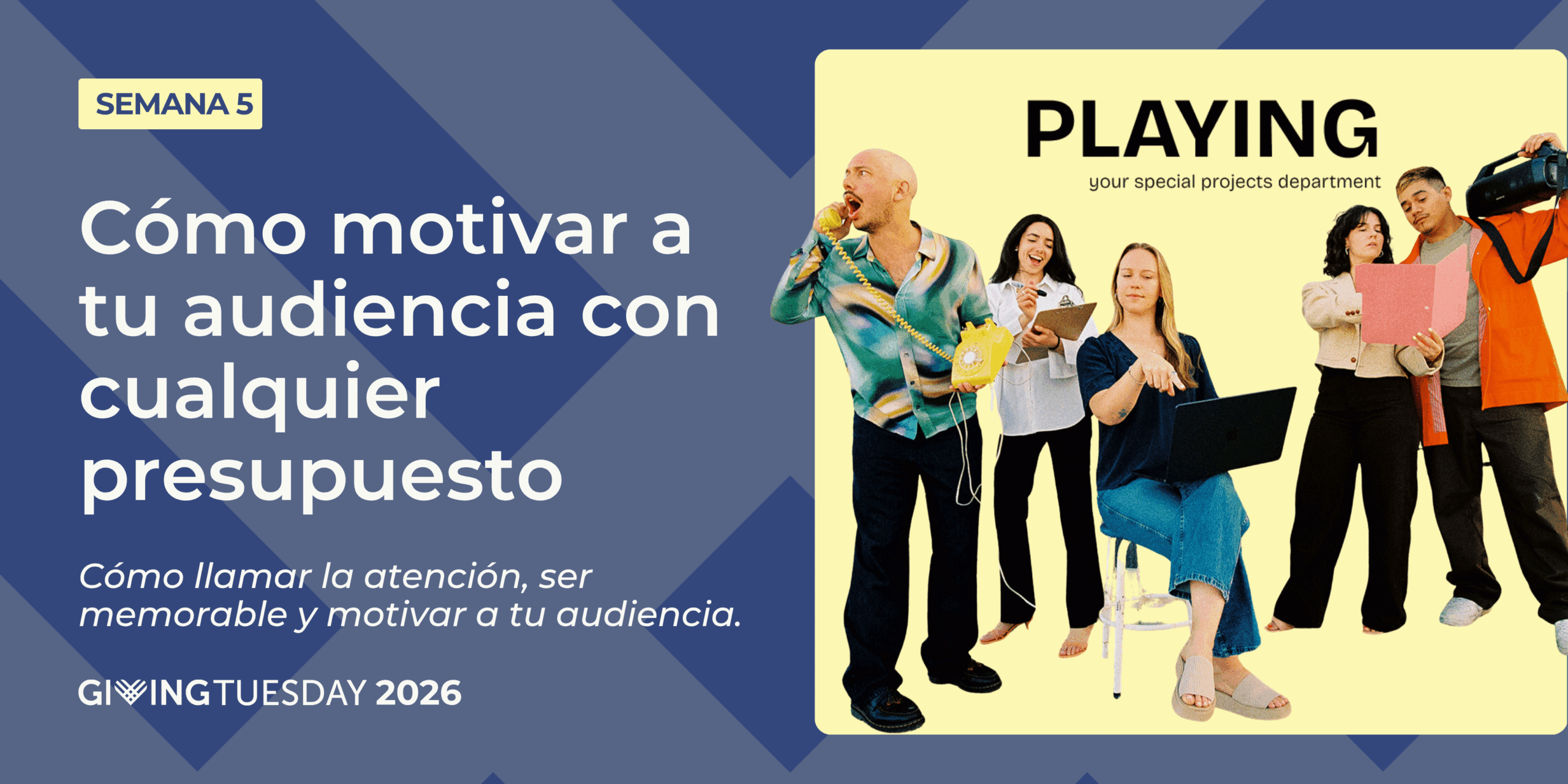
To bridge the gap between a great idea and a successful movement, we turned to the experts. Emily Parker and David Imani, founders of the creative strategy studio PLAYING, specialize in the intersection of human behavior and social impact. Working alongside collaborators Bruna Da Costa, Greg Falconi (Curamica), and designer Alexandra Vitale, they have distilled the essential components of a high-impact campaign. This guide serves as a masterclass in mobilizing audiences, ensuring that your message lands in the right place, at the right time, and with the right resonance.
The Foundation: Building a Strategic Framework
Success in the nonprofit sector is rarely the result of luck; it is the byproduct of a disciplined, well-executed strategy. Whether you are a grassroots organization with a shoestring budget or a major institution with vast resources, a focused strategy is the great equalizer.
The 5-Step Strategic Process
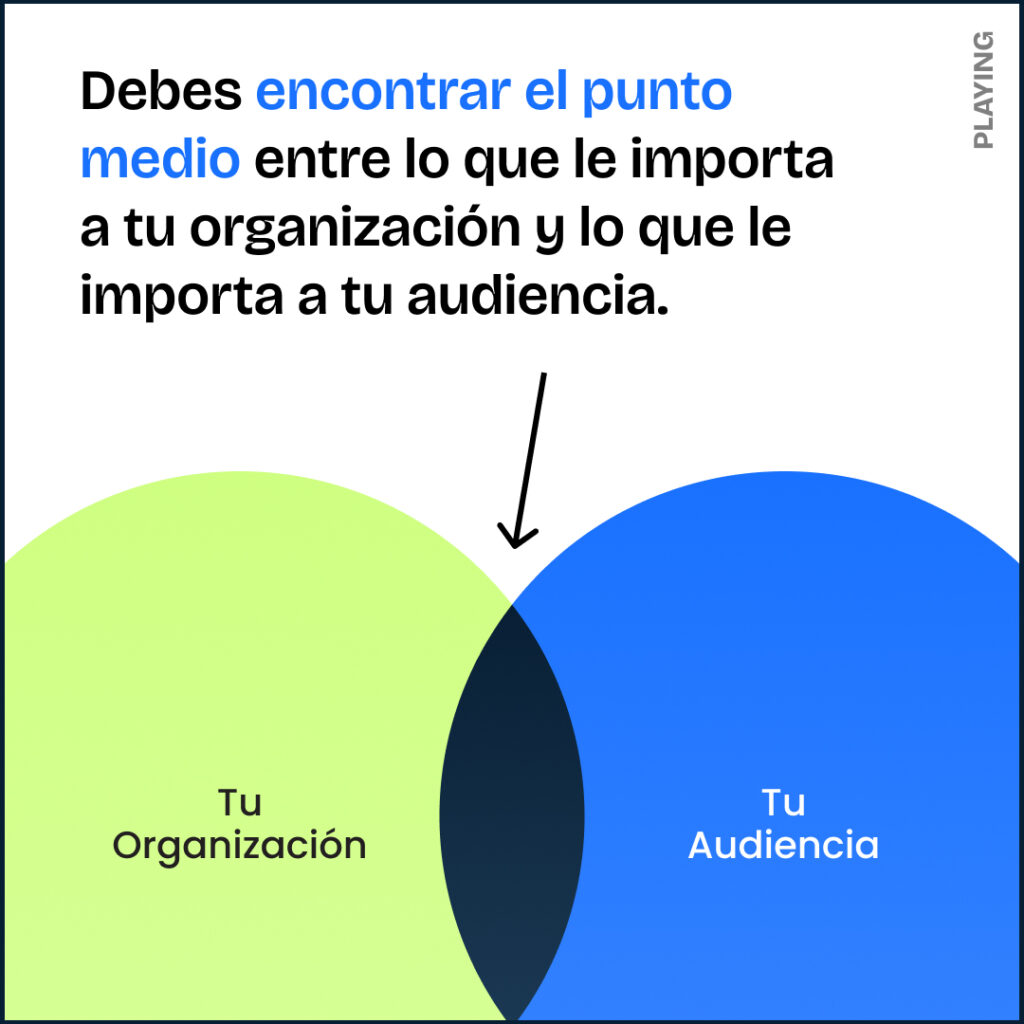
- Audience Empathy: Before you speak, listen. Understand the intersection of your organizational mission and your audience’s core values.
- Objective Clarity: Define exactly what success looks like. Is it a specific donation target, a volunteer milestone, or increased awareness?
- Channel Alignment: Don’t force your audience to come to you; meet them where they already congregate, whether that is on Instagram, in local community centers, or through neighborhood newsletters.
- Creative Resonance: Craft messaging that speaks to the "why" rather than the "what."
- Data-Driven Iteration: Use real-time feedback to pivot and optimize your efforts during the campaign.
The Marketing Funnel: A Journey, Not a Moment
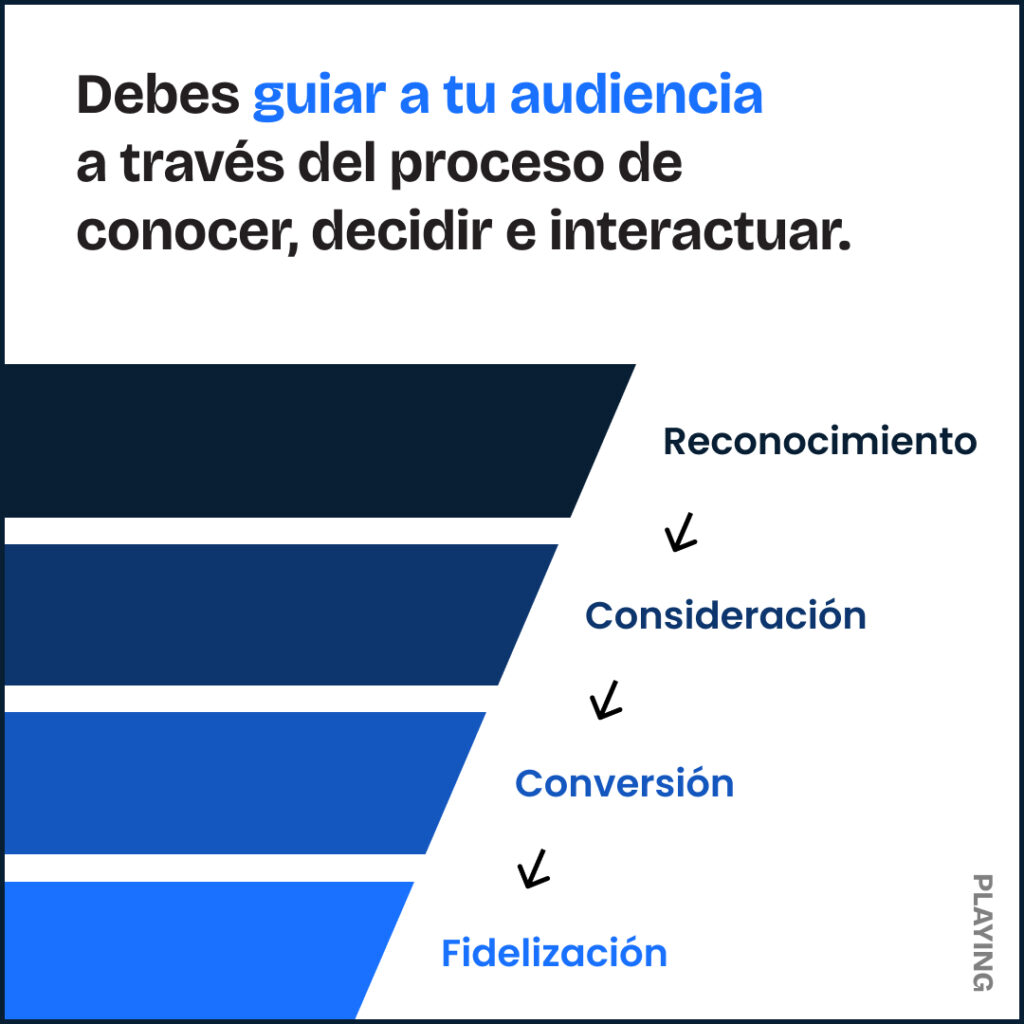
In the digital age, we often fall into the trap of believing a single viral post can drive sustained engagement. The reality is that marketing is a journey. Think of it as a funnel: Consciousness, Consideration, Conversion, and Loyalty.
- Consciousness: The audience must first discover you exist.
- Consideration: They must understand why your cause deserves their limited time or money.
- Conversion: The friction to act must be removed.
- Loyalty: The relationship must be nurtured so that the donor becomes a long-term advocate.
You cannot expect a single touchpoint to move a person through all four stages. Your strategy must provide multiple, interconnected points of contact that guide the donor gracefully toward action.
Tactical Execution: Where to Start
Before you launch your campaign, you must answer the fundamental questions that define your trajectory.
1. Defining Your Action
Ask yourself: What is the one thing I need my audience to do today? Is it signing a petition, making a micro-donation, or sharing a post? The more specific your call-to-action (CTA), the higher your conversion rate will be. Avoid ambiguity.
2. Fiscal Realities
Budgeting is not just about the money you spend; it is about the resources you allocate. Evaluate: What is our ceiling for ad spend? What is our cost-per-acquisition target? Do we have the bandwidth to manage paid media, or should we focus on high-impact organic partnerships?

3. Channel Selection
Not all platforms are created equal. If your audience is older, a local newspaper or email newsletter might outperform an Instagram reel. If you are targeting Gen Z, TikTok or Discord might be your primary battleground. Choose the channel where your audience is most receptive.
The Intensive Course on Paid Media
Paid media is the fuel that accelerates your organic fire. It is not a replacement for authentic engagement, but it is a powerful tool to reach new cohorts.
Strategic Layering
Rather than dumping your entire budget into a single ad, create a "layering" effect.
- Top-of-Funnel: Use video ads to drive awareness.
- Middle-of-Funnel: Use carousel ads to educate on the "why."
- Bottom-of-Funnel: Use direct, high-intent ads to push for the donation.
Scaling Success
If your initial ads are gaining traction, do not just throw more money at them blindly.
- Build on Success: Analyze the creative elements that performed best—the colors, the headlines, the music—and iterate on them.
- Expand Channels: Once one platform is saturated, look for "lookalike audiences" on secondary platforms.
- Remarketing: This is non-negotiable. Re-engage those who clicked but didn’t donate. These individuals are already warm leads; they just need a gentle reminder.
Crafting Creative That Moves People
Design and copy are the vehicles for your message. Whether you have a team of creative directors or are a one-person show, the principles of effective communication remain the same.
- Lead with the Benefit: Don’t tell people what your charity does (e.g., "We provide food"); tell them what they achieve by helping (e.g., "Your gift fills a child’s plate for a week").
- Keep it Simple: Complexity is the enemy of action. If your reader has to think too hard to understand your message, you have already lost them.
- Emotion Triggers Memory: Logic tells people what to do; emotion makes them actually do it. Use storytelling that evokes empathy, hope, or even a sense of shared responsibility.
The Power of Influencers and Community Voices
In an era of skepticism, people trust people more than they trust logos. Collaborating with creators, influencers, or local leaders is the most effective way to build instant credibility.
Principles for Effective Collaboration
- Start Small: Don’t aim for celebrity status immediately. Micro-influencers with high engagement rates often provide a better return on investment than macro-influencers with hollow reach.
- Co-Creation: Remember that creators are the experts on their own audiences. Give them the creative freedom to tell your story in their own voice.
- Long-Term Relationships: A one-off post is a transaction. A partnership is a movement. Build relationships that last beyond the GivingTuesday deadline.
Managing the Experience
When working with creators, clarity is key. Provide a "creative brief" that outlines the mission, the target audience, and the desired outcome, but leave room for their unique personality. Establish clear metrics for success—what are we measuring? Clicks? Conversions? Awareness? By setting these expectations early, you foster a healthy, professional relationship that yields better content.
Implications for the Future of Giving
The landscape of philanthropy is shifting. The old model of "broadcast marketing"—where an organization talks and the public listens—is dead. Today, the most successful GivingTuesday campaigns are those that view their audience as partners.
The strategies outlined by the team at PLAYING emphasize a transition from transactional giving to relational engagement. By investing in clear strategies, leveraging paid media effectively, crafting emotive content, and fostering genuine partnerships, organizations can ensure that their GivingTuesday activation is not just a 24-hour event, but a catalyst for year-round impact.
As you finalize your plans, remember the words of our experts: your goal is to make the world a better place through your work. By refining how you communicate that mission, you aren’t just raising funds—you are building a community of advocates who will stand with you long after the GivingTuesday banners are taken down.
For those looking to share their results or seek further guidance, the doors are open. The collective effort of every nonprofit, big or small, contributes to a global tapestry of change. Your work matters, and with the right strategy, your voice will be heard.
For additional resources, inquiries, or to share your success stories, contact the team at [email protected].


 Pevita Pearce

 Reynand Wu