

 Suro Senen
By Olivia Rosane and Cristen Hemingway Jaynes
Methane, a colorless, odorless gas, is a silent but powerful force behind the escalating climate crisis. While carbon dioxide (CO2) often takes center stage, methane is the second most significant contributor to global warming. Found naturally in environments like wetlands and produced by biological processes such as the digestive systems of livestock, methane is also a primary component of natural gas, a ubiquitous energy source. Its potent heat-trapping capabilities, coupled with its increasing atmospheric concentration due to human activities, demand urgent global attention and action. This comprehensive report delves into the nature of methane, its measurement, its profound impact on the climate, its diverse sources, and the crucial steps needed to mitigate its emissions.
Key Facts at a Glance
- Potency: Methane is significantly more potent than CO2 in trapping heat, capturing 86 times more over a 20-year period and 28 times more over 100 years.
- Atmospheric Lifetime: Methane persists in the atmosphere for approximately 12 years, making rapid reductions impactful for near-term climate stabilization.
- Contribution to Warming: Methane is responsible for about one-third of current global heating.
- Primary Human Sources: Agriculture (livestock and rice cultivation), fossil fuel extraction and use, and waste decomposition account for over 90% of human-caused methane emissions.
- Natural Sources: Wetlands are the largest natural source, but thawing permafrost and oceans also contribute.
- Reduction Target: The Global Methane Pledge aims for a 30% reduction in global methane emissions by 2030 from 2020 levels.
- Health Co-benefits: Reducing methane also curbs ground-level ozone, a harmful air pollutant linked to respiratory illnesses and crop damage.
Understanding Methane: Nature’s Powerful Hydrocarbon
Methane (CH4) is a simple hydrocarbon, composed of one carbon atom bonded to four hydrogen atoms. Its ubiquity stems from both geological and biological origins. Geologically, methane is formed over millions of years from the intense heat and pressure applied to ancient organic matter, a process that also yields most of the natural gas we extract today. It can also form deep within the Earth through non-organic chemical reactions.
Biologically, methane is a product of methanogenesis, an anaerobic respiration process carried out by microorganisms known as archaea. These single-celled organisms thrive in oxygen-deprived environments, such as the muddy bottoms of wetlands, the digestive tracts of ruminant animals like cows and sheep, and even within termite mounds. This biological origin highlights the interconnectedness of natural ecosystems and atmospheric composition.
Measuring Methane: A Multifaceted Approach
Accurately quantifying methane emissions is crucial for understanding its impact and developing effective mitigation strategies. Two primary methodologies are employed: "bottom-up" and "top-down" approaches.

Bottom-Up Approaches: These methods begin at the source and extrapolate outwards. They involve direct measurements of emissions from specific facilities, equipment, or by estimating emissions based on known factors for emitting entities. For instance, calculating methane from livestock might involve multiplying the average methane produced per cow by the total number of cattle in a region. Similarly, emissions from natural gas infrastructure can be estimated based on the known leak rates of different types of equipment. While valuable for detailed inventorying, these methods can sometimes underestimate total emissions by failing to account for extreme or infrequent events.
Top-Down Approaches: These methods often start with atmospheric measurements, typically taken from aircraft, high-altitude balloons, or increasingly, satellites. By analyzing the concentration of methane in the atmosphere and combining this data with knowledge of emission sources and sinks, scientists can model overall emission patterns. The advancement of satellite technology has been particularly transformative, enabling the detection of "super-emitting" incidents – localized sources releasing exceptionally large amounts of methane – that are often missed by bottom-up inventories. Studies have shown that direct measurements, especially for the fossil fuel sector, can reveal emissions significantly higher than official estimates, underscoring the importance of robust, multi-pronged measurement strategies.
Methane’s Impact on the Climate Crisis: A Potent Threat
Methane’s role in climate change is multifaceted. As a greenhouse gas, it traps heat radiated from the Earth’s surface, preventing it from escaping into space. While natural sinks like soil and the troposphere work to break down methane into less potent CO2 and water vapor, human activities have overwhelmed these natural processes.
Since the Industrial Revolution, the burning of fossil fuels, intensified agricultural practices, and widespread waste management have dramatically increased atmospheric methane concentrations. As of 2023, methane levels had surged by 265% compared to pre-industrial times, reaching 1,934 parts per billion (ppb). Approximately 60% of this atmospheric methane is attributed to human activities. This surge has contributed to roughly one-third of the current global warming, second only to CO2. Projections indicate that without intervention, methane emissions could rise by 13% between 2020 and 2030.
The urgency to reduce methane emissions stems from its dual nature: its high potency and its relatively short atmospheric lifespan. Over a 20-year period, methane traps 86 times more heat than CO2. This potent short-term warming effect makes reducing methane emissions a highly effective strategy for rapidly slowing the rate of global warming. The Global Methane Assessment has identified methane reduction as "the greatest potential to decrease warming over the next 20 years." To align with the goal of limiting global heating to 1.5 degrees Celsius above pre-industrial levels, the Intergovernmental Panel on Climate Change (IPCC) recommends a reduction of approximately 34% in methane emissions by 2030, relative to 2019 levels.

Unraveling the Sources: Where Methane Comes From
Methane emissions originate from both natural and anthropogenic (human-caused) sources, with human activities accounting for the larger share.
Human-Caused Emissions (Approximately 60%):
-
Agriculture (Around 40%):
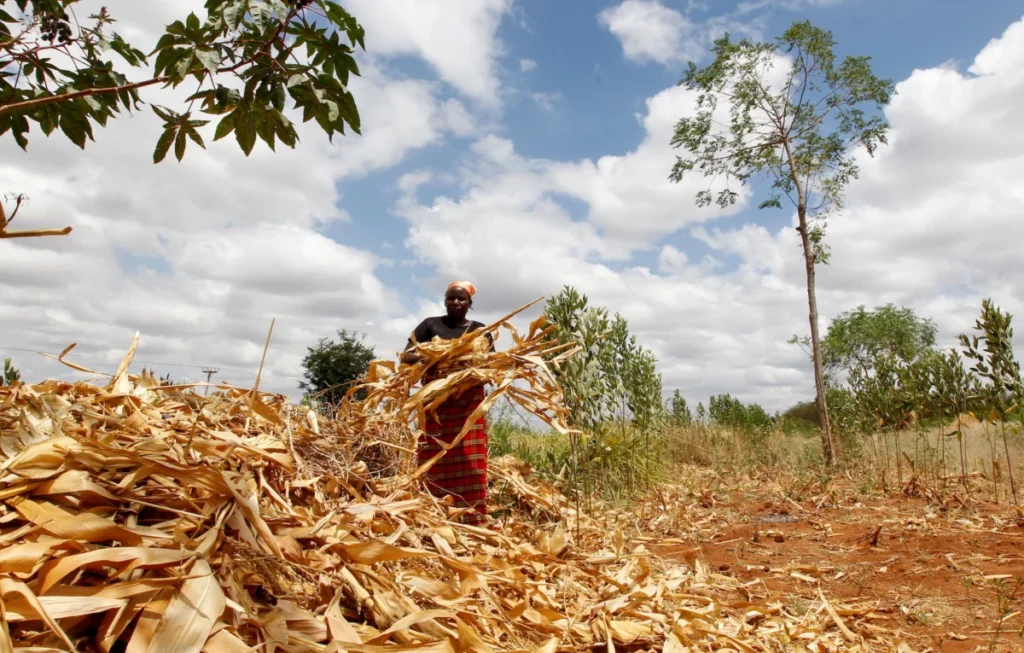
- Livestock: Ruminant animals like cows, sheep, and goats produce methane through enteric fermentation, the process of digesting their food. Cattle raised for meat and milk are the primary contributors, accounting for roughly 32% of human-caused methane. Manure management, particularly from pigs and cows, also releases significant methane.
- Rice Cultivation: The flooding of rice paddies creates an anaerobic environment conducive to methane-producing microbes, contributing about 8% of human-caused emissions.
- Biomass Burning: The burning of agricultural waste releases a smaller portion, around 1%.
-
Fossil Fuels (Around 35%):
- Oil and Gas Operations (23%): Methane is released during the extraction, transportation, and use of oil and natural gas through venting, leaks, and incomplete combustion. The increasing reliance on natural gas as a fuel source is a particular concern.
- Coal Mining (12%): Methane is naturally present in coal seams and is released during mining operations through seepage, ventilation systems, and drainage. Abandoned mines can also continue to emit methane.
-
Landfills and Waste (Around 20%): Decomposing organic waste in landfills and wastewater treatment facilities generates substantial methane emissions. These sites can be significant "super-emitters."

Natural Sources (Approximately 40%):
- Wetlands: These waterlogged environments are the largest natural source of methane, producing about one-third of total global emissions.
- Geological Sources: Natural gas and oil seeps, and volcanic activity contribute to natural methane releases.
- Other Natural Sources: Termites, oceans, wild animals, and thawing permafrost also release methane.
The Perilous Feedback Loops: Amplifying Climate Change
Methane plays a critical role in several positive climate feedback loops, where the initial warming triggers subsequent events that further accelerate warming.
- Wetland Methane Feedback: Rising global temperatures and altered rainfall patterns are causing an increase in wetland area and activity, leading to greater methane emissions. This "wetland methane feedback" is a growing concern, with observed increases in emissions exceeding even pessimistic projections. Tropical and Arctic permafrost wetlands are key drivers of this trend.
- Thawing Permafrost: Vast stores of carbon, including methane hydrates, are locked in permafrost across the Arctic. As temperatures rise, this permafrost thaws, releasing this stored carbon and methane into the atmosphere, potentially triggering a major tipping point and releasing emissions comparable to a major industrialized nation.
- Wildfires: A warmer climate increases the frequency, intensity, and size of wildfires. These fires release both CO2 and methane, contributing to further warming, which in turn fuels more fires. Large wildfires can be significant sources of methane, as demonstrated by the impact of California’s 2020 fire season.
Challenging the "Bridge Fuel" Myth: The Reality of Natural Gas
The notion of natural gas as a "bridge fuel" – a transitional energy source from coal to renewables – is increasingly being challenged due to the significant methane emissions associated with its extraction and transport. While burning natural gas releases less CO2 than coal, the leakage of methane throughout its lifecycle can negate this benefit.
Studies, including those utilizing satellite imagery, suggest that methane leaks from natural gas infrastructure are vastly underestimated. When these leaks are factored in, liquefied natural gas (LNG) can have a global warming potential comparable to, or even greater than, coal over a 20-year period. Furthermore, the expansion of LNG export infrastructure, particularly in the U.S., is projected to lock in greenhouse gas emissions at levels that could hinder progress towards climate goals and potentially displace renewable energy development. As climate campaigner Bill McKibben warns, the scale of planned LNG infrastructure could "overwhelm our efforts to rein in global warming."
Beyond Warming: Additional Benefits of Methane Reduction
Reducing methane emissions offers a critical co-benefit beyond mitigating climate change: improving air quality and public health. Methane reacts in the atmosphere to form ground-level ozone, a harmful air pollutant that exacerbates respiratory illnesses like asthma and damages agricultural crops.

Currently, methane-generated ozone is responsible for approximately half a million premature deaths annually worldwide. By curbing methane emissions, we can:
- Prevent an estimated 1,430 yearly deaths from respiratory and heart diseases.
- Reduce asthma-related emergencies and hospitalizations.
- Prevent significant annual losses of staple crops like wheat, soybeans, maize, and rice.
A Path Forward: Strategies for Methane Emission Reduction
Addressing methane emissions requires a multi-pronged approach, encompassing systemic changes in energy, food, and waste systems, alongside technological interventions. Experts believe that implementing existing technologies could curb emissions from the three main human-caused sources by 45% by 2030, aligning with the IPCC’s 1.5°C pathway.
1. From Agriculture:
- Systemic Shift: Reducing meat and dairy production and consumption is paramount. This includes tackling food waste, which accounts for a significant portion of agricultural methane emissions, and promoting plant-based diets.
- Production Efficiency: Enhancing the efficiency of animal agriculture by improving animal diets, health, and breeding can increase meat and milk output per animal, thereby reducing emissions.
- Dietary Interventions: Incorporating enteric methane inhibitors like specific feed additives (e.g., seaweed supplements, 3-NOP) into livestock diets can drastically reduce methane production. Research is also underway for methane-reducing vaccines and breeding programs.
- Manure Management: Optimizing manure storage by reducing storage time, covering waste tanks, separating liquid and solid manure, and using manure digesters to capture biogas can significantly cut emissions.
- Rice Cultivation: Cultivating higher-yield or lower-methane rice varieties, implementing alternative wetting and drying (AWD) techniques, and adding phosphogypsum and sulfate to fields can reduce emissions.
2. From Fossil Fuels:
- Phasing Out Fossil Fuels: The most effective strategy is to accelerate the transition to renewable energy sources and halt the expansion of fossil fuel infrastructure, particularly LNG.
- Leak Detection and Repair (LDAR): Implementing robust LDAR programs in the oil and gas sector can identify and fix methane leaks, a strategy considered to have the greatest short-term potential for significant reductions. Existing technologies can slash oil and gas sector methane emissions by up to 70%.
- Coal Mine Methane Capture: For coal mining, strategies include degasification wells, drainage boreholes, and capturing and reusing methane from existing and abandoned mines.
3. From Landfills and Waste:

- Circular Economy: Moving towards a zero-waste, circular economy that prioritizes reuse and recycling is essential.
- Waste Diversion: Keeping organic waste out of landfills by diverting it to composting systems and reducing overall food waste are crucial steps.
- Landfill Management: Capturing methane emissions from landfills through gas collection systems and covering landfills with materials that can break down methane can mitigate releases.
- Wastewater Treatment Upgrades: Investing in advanced wastewater treatment facilities that provide secondary and tertiary treatment, and incorporating biogas capture systems, can significantly reduce methane emissions.
4. Direct Removal and Geoengineering:
While not a substitute for emission reductions, scientists are exploring methods for directly removing methane from the atmosphere. This includes enhancing natural methane sinks like forests with trees that have high methane-absorbing capabilities (methanotrophs) and investigating geoengineering techniques, such as releasing iron salts into the atmosphere to trigger methane-degrading chemical processes. However, these approaches require further research to ensure safety and efficacy.
Progress and Challenges: The Global Methane Pledge and Beyond
Launched at COP26 in 2021, the Global Methane Pledge has seen 159 nations commit to reducing global methane emissions by 30% by 2030. This target is crucial for limiting global warming to 1.5°C. While the pledge has spurred unprecedented attention to methane mitigation, its real-world impact has yet to fully materialize.
Methane emissions reached a record high in 2023, and despite pledges, emissions from the oil and gas sector have continued to rise. A significant "implementation gap" exists, where the proposed reductions have not yet translated into concrete actions. As of 2023, only a fraction of total methane emissions were covered by comprehensive reduction policies, highlighting the need for stronger regulatory frameworks and enforcement.
Individual Actions: Empowering Change from the Ground Up
Individuals can play a vital role in reducing methane emissions through conscious choices:

- Dietary Shifts: Reducing consumption of meat and dairy products, even by a modest amount, can significantly lower individual methane footprints. Embracing plant-based diets or even vegetarianism can lead to substantial emission reductions.
- Reducing Food Waste: Practicing meal planning, purchasing "ugly" produce, and composting organic waste are effective ways to minimize methane from food disposal.
- Energy Consumption: For homeowners, switching from gas stoves and furnaces to electric or induction alternatives and heat pumps can eliminate direct methane emissions from household energy use. Renters can still reduce gas consumption through energy-saving practices and by using electric appliances to supplement gas heating and cooking.
- Advocacy and Engagement: Beyond personal choices, collective action is crucial. Engaging with local governments to establish municipal composting programs, supporting organizations working to halt fossil fuel expansion, and advocating for stronger climate policies can drive systemic change.
Conclusion: A Critical Window for Action
Methane emissions present a dual threat and opportunity. Its potency can rapidly accelerate global warming, fueling extreme weather events. However, its shorter atmospheric lifespan means that swift and decisive action to cut methane emissions can yield significant near-term benefits in stabilizing global temperatures. By raising awareness about methane’s sources and impacts, and by demanding accountability from political and business leaders, we can collectively steer towards a more sustainable future. The time to act on methane is now, for the health of our planet and its inhabitants.


 Jia Lissa