



 Basiran
New York City, NY – December 24, 2024 – In a landmark decision poised to reshape the future of construction and energy consumption, New York has officially become the first state in the United States to mandate that all new buildings be entirely electric, severing ties with fossil fuel hookups. This pioneering legislation, initially passed in 2023 as the All-Electric Buildings Act (AEBA), has now been solidified with the final approval from the State Fire Prevention and Building Code Council in late July 2025. The move signifies a profound commitment to environmental stewardship, aiming to significantly reduce greenhouse gas emissions from the built environment, which currently accounts for a substantial 31% of New York’s total emissions.
The new regulations will be phased in, impacting buildings based on their size and application approval dates. Residential structures up to seven stories tall, along with commercial and industrial buildings under 100,000 square feet, must comply with the all-electric requirement for building permit applications approved on or after December 31, 2025. For larger commercial and industrial facilities exceeding 100,000 square feet, the deadline for compliance is set for 2029. This strategic rollout acknowledges the varying complexities and scales of different construction projects, ensuring a manageable transition.
This legislation represents a significant victory for climate advocates and a bold step towards a cleaner energy future. It promises not only environmental benefits but also potential economic advantages for residents and building owners.
The Genesis of a Green Building Revolution: A Chronological Overview
The journey towards New York’s all-electric building mandate has been a testament to sustained advocacy and legislative perseverance. The foundational All-Electric Buildings Act was first passed by the New York State Assembly in 2023, setting a clear intention to transition away from fossil fuels in new construction. This initial passage marked a critical turning point, signaling a growing recognition of the environmental impact of traditional building practices.
The path to full implementation, however, was not without its hurdles. The legislation faced legal challenges from building and fossil fuel industry groups, who attempted to leverage arguments similar to those that had previously succeeded in overturning a gas ban for new buildings in Berkeley, California. These challenges underscored the significant financial interests at play and the entrenched reliance on fossil fuels within the construction sector.
Despite these opposition efforts, a pivotal moment arrived in early July 2025 when the U.S. District Court of the Northern District of New York ruled in favor of the state, allowing the 2023 All-Electric Building Act to proceed. This judicial decision was hailed as a resounding victory by environmental organizations and community advocates, affirming the state’s authority to enact policies aimed at protecting public health and the environment.
The finalization of the rule by the State Fire Prevention and Building Code Council in late July 2025 marked the culmination of this multi-year effort. This approval provided the definitive legal and regulatory framework for the all-electric building requirements, setting clear timelines and specifications for new construction projects across the state. The decision was met with widespread praise, solidifying New York’s position as a national leader in climate policy and sustainable development.
Unpacking the Data: Environmental and Economic Impacts
The environmental imperative behind New York’s all-electric building mandate is stark. Buildings are a significant contributor to greenhouse gas emissions, and by shifting new constructions to electric power, the state aims to drastically reduce its carbon footprint. According to a summary report on New York State Greenhouse Gas Emissions, buildings are responsible for 31% of all emissions within the state. By eliminating the need for natural gas and other fossil fuels in new buildings, New York is directly addressing a major source of pollution.
Beyond the broader environmental goals, the legislation is projected to yield tangible benefits for New Yorkers. Projections suggest that the act could lead to a reduction in energy usage in New York homes by approximately 17%. This enhanced energy efficiency translates directly into cost savings for residents. Over a 30-year period, households are estimated to save nearly $5,000.
The economic advantages extend to the construction phase itself. A study by the New Buildings Institute indicates that building 100% electric single-family homes can actually be more cost-effective than constructing conventional homes powered by fossil fuels. These savings are estimated to range from $7,500 to $8,200 per home. This data challenges the often-cited argument that green building practices are prohibitively expensive, demonstrating that in many cases, electrification can lead to upfront cost reductions as well as long-term operational savings.
While the mandate is comprehensive, it does include provisions for exemptions. These are carefully considered and designed to accommodate specific building types where electrification may present unique technical challenges or where alternative solutions are demonstrably more efficient or necessary. Exemptions are in place for agricultural buildings, medical facilities, crematoriums, laboratories, restaurants, and other specific facility types that meet certain predefined criteria. This nuanced approach ensures that the legislation is both effective and practical.

Voices of Support and Opposition: Official Responses and Advocacy
The finalization of the All-Electric Buildings Act has elicited strong reactions from various stakeholders, reflecting the multifaceted nature of this policy shift. Environmental organizations and public health advocates have lauded the legislation as a crucial step towards a healthier and more sustainable future.
Dawn Wells-Clyburn, executive director of PUSH Buffalo, articulated the sentiment of many when she stated, "The fossil fuel industry was sent a powerful message by the court in this case – the health, well-being, affordability, and prosperity of our communities matters more than the industry’s profits and the hollowness of its fear mongering. The AEBA remains a powerful victory in the fight for our lives." This statement highlights the perceived triumph of community well-being over corporate interests and underscores the profound human impact of transitioning away from fossil fuels.
Alex Beauchamp, Northeast region director at Food & Water Watch, echoed this sentiment, emphasizing the power of collective action: "When New Yorkers come together… we can win even in the face of opponents with an almost-limitless budget. That is how we won this bill. It’s also how we are going to continue the fight to get fossil fuels out of all the existing buildings in the state.” His words underscore the grassroots nature of the advocacy that propelled this legislation forward and point to a continued commitment to broader decarbonization efforts.
Conversely, industry groups representing fossil fuel interests have expressed concerns and continued to advocate for their position. Reports indicate that some industry groups have requested the U.S. Department of Justice to block the act from taking effect, suggesting that legal challenges may persist. These groups often cite concerns about the reliability and cost-effectiveness of electric heating and cooking systems, as well as the potential strain on the electrical grid. However, the court’s ruling and the data on cost savings and energy efficiency are increasingly challenging these narratives.
The legislative bodies that championed the bill, such as the New York State Assembly, have celebrated the passage as a forward-thinking policy that aligns with global climate goals. The approval from the State Fire Prevention and Building Code Council signifies the official endorsement of the state’s technical and safety standards for these new all-electric buildings.
Looking Ahead: Implications for New York and Beyond
New York’s pioneering move to mandate all-electric buildings carries profound implications, not only for the state’s environmental trajectory but also as a potential blueprint for other states and municipalities across the nation. By demonstrating the feasibility and benefits of such a policy, New York is setting a precedent that could accelerate the decarbonization of the built environment nationwide.
The shift away from fossil fuels in new construction is a critical component of meeting climate targets. As buildings are a major source of greenhouse gas emissions, this legislation directly addresses a significant contributor to climate change. The reduction in emissions will contribute to improved air quality, leading to better public health outcomes and potentially reducing healthcare costs associated with respiratory illnesses.
The economic implications are also far-reaching. The projected energy savings for residents and the potential for lower construction costs for all-electric homes can make housing more affordable in the long run. This could stimulate innovation in the building materials and technology sectors, fostering the growth of green industries and creating new job opportunities.
Furthermore, the successful implementation of this mandate could encourage broader electrification efforts. While the current law focuses on new construction, the momentum generated by the AEBA may galvanize efforts to electrify existing buildings, which represent a much larger challenge but also a significant opportunity for emission reductions.
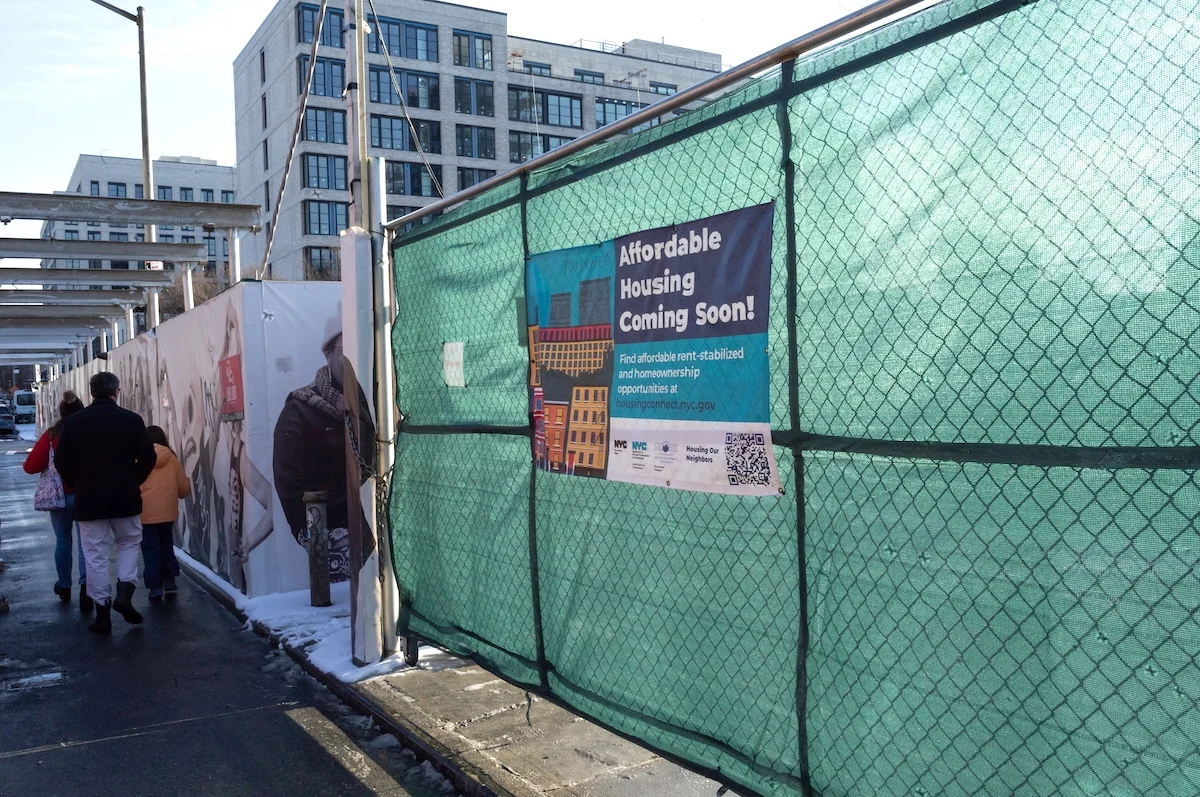
The legal battles and industry opposition highlight the ongoing tension between established energy systems and the transition to cleaner alternatives. However, the court’s decision and the growing body of evidence supporting the benefits of all-electric buildings suggest that the tide is turning. New York’s bold stance is a testament to its commitment to a sustainable future, and its success will undoubtedly be closely watched by policymakers and environmental advocates worldwide. The image of dozens of large housing construction projects rising along the Gowanus Canal in Brooklyn, now destined to be powered by clean electricity, serves as a powerful visual symbol of this transformative era.


 Jia Lissa

 Suro Senen