




 Lina Irawan

As winter’s grip begins to loosen, farmers and homesteaders alike are turning their attention toward the most critical component of agricultural success: the soil. March serves as the pivotal transition month where the groundwork for a successful harvest is laid. Whether you are operating in the milder climates of the South or navigating the tail-end of a northern freeze, understanding how to amend your soil before the first planting of the season is essential for maximizing yields and ensuring long-term land health.
The Foundation of Prosperity: Why March Matters
Soil is not merely a growing medium; it is a complex, living ecosystem. By the time spring arrives, the soil profile has often been depleted by winter weather, nutrient leaching, or the residual demands of the previous year’s crops. March presents a unique window of opportunity to restore balance.
However, timing is everything. Before adding any material to your fields, it is imperative to gauge the soil temperature. Experts recommend waiting until the ground reaches a consistent 40°F (4°C). If the ground is still frozen or waterlogged, working the soil can cause structural damage, leading to compaction that inhibits root growth later in the season. Use this "waiting period" to inventory your needs and source materials locally, prioritizing on-farm sustainability whenever possible.

Chronology of Spring Soil Preparation
A systematic approach to soil health yields better results than reactive, last-minute interventions. Below is the recommended sequence for spring soil preparation:
- Early March (Inventory and Testing): Begin by conducting a comprehensive soil test. This diagnostic tool is the cornerstone of responsible farming, revealing pH levels and nutrient deficiencies that dictate your amendment strategy.
- Mid-March (Sourcing and Staging): Once you understand your soil’s specific needs, identify your sources. Can you produce the amendments on-site, or should you coordinate with neighboring farms? Establishing these logistics now prevents delays when the weather finally breaks.
- Late March (Application): As the ground thaws and temperatures stabilize above 40°F, apply your amendments. This allows time for organic matter to begin breaking down and integrating into the soil horizon before your primary planting dates.
The Essential Toolkit: Key Soil Amendments
While every field has unique requirements, several time-tested amendments are universally beneficial for boosting soil productivity.
1. Compost: The Gold Standard
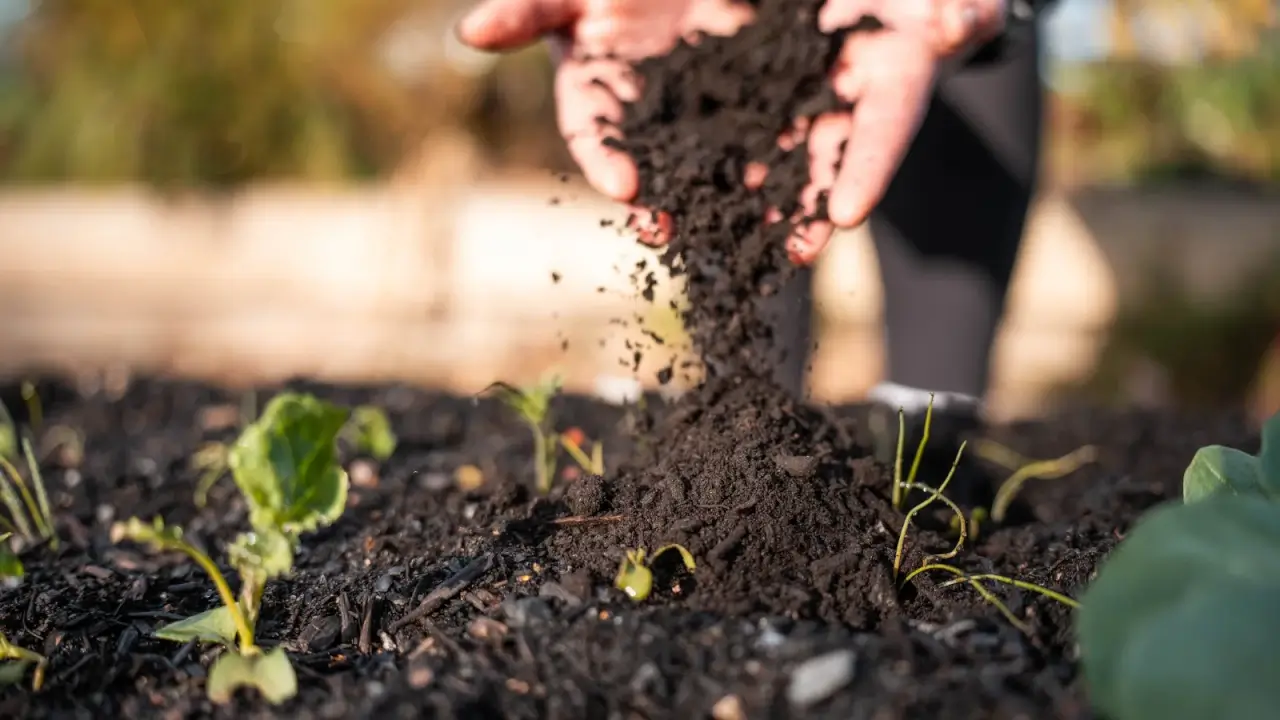
Compost is perhaps the most versatile amendment a farmer can utilize. It serves as a dual-action agent, providing both physical structure and a biological boost to the soil microbiome. The beneficial bacteria, fungi, and archaea found in high-quality compost facilitate a consistent nutrient exchange, making essential minerals more bioavailable to plant roots.

- Pro Tip: If you lack a compost system, establish one immediately. A simple 3:1 ratio of carbon-rich materials (browns) to nitrogen-rich materials (greens) will eventually yield a nutrient-dense resource that costs nothing but time and space.
2. Mulch: Protecting the Living Surface
Unlike fertilizers, which must be incorporated into the earth, mulch acts as a protective blanket. By applying a two-to-three-inch layer of organic material—such as wood chips, shredded leaves, or straw—you effectively suppress weed germination, regulate soil temperature, and prevent erosion caused by spring rains.
- Strategic Application: Keep mulch away from the immediate base of stems or trunks to prevent rot. Furthermore, if you are direct-seeding, delay mulching until your seedlings have established their first set of true leaves.
3. Worm Castings: The Nutrient Powerhouse
Often referred to as "black gold," worm castings offer a slow-release, highly concentrated form of nutrition. Studies have shown they can contain up to 4% more nitrogen than standard compost and significantly improve the water-holding capacity of the soil. For farms looking to increase porosity, vermicompost is an unparalleled choice.
4. Leaf Mold: Lessons from the Forest Floor
Farms situated near wooded areas have access to one of nature’s most effective soil conditioners. Leaf mold, the result of partially decayed deciduous leaves, is a fungal-dominant amendment that is essential for long-term soil health. It mimics the natural forest floor, creating a sponge-like environment that locks in moisture and protects the delicate soil structure during the transition into spring.
Supporting Data and Soil Science
The efficacy of these amendments is backed by fundamental agricultural science. Soil productivity is largely dictated by the "cation exchange capacity" (CEC), which refers to the soil’s ability to hold onto nutrients. Organic matter—the primary ingredient in all the amendments listed above—is the most effective way to increase a soil’s CEC.
Furthermore, the introduction of organic material creates a buffer against pH fluctuations. While synthetic fertilizers often provide a sudden, harsh spike in nutrients that can disrupt the soil microbiome, organic amendments provide a steady, "slow-release" feeding schedule that matches the natural growth cycle of plants.
Official Perspectives: The Role of Soil Testing
Agricultural extension services and agronomists consistently emphasize that "guessing is not a strategy." Adding phosphorus or nitrogen without a baseline test can lead to nutrient lock-out, where an excess of one mineral prevents the plant from absorbing another.

"Always start with a soil test," says the advisory team at Modern Farmer. "An excess of any one nutrient could spell disaster for your crops, and it takes seasons of careful management to recover from chemical imbalances." A professional test will provide specific recommendations on whether your soil requires lime to raise pH, sulfur to lower it, or specific micronutrients to address local deficiencies.
Implications for Future Harvests
The decision to invest in soil health during the month of March is not merely a chore; it is an investment in the long-term viability of the farm. Soil that is rich in organic matter is more resilient to climate-related stresses, such as droughts or heavy rainfall, because it acts as a reservoir for water and nutrients.
By focusing on these organic, regenerative practices, farmers can move away from a reliance on external, synthetic inputs. This not only improves the bottom line by reducing costs but also fosters a sustainable, closed-loop system. When you feed the soil, the soil feeds the plant, and the plant—in turn—feeds the ecosystem.

Conclusion: Starting the Season Right
As you stand in your fields this March, remember that the work you do now is the foundation for the entire year. Whether you are spreading compost, laying down mulch, or setting up a vermicompost bin, every action taken to improve soil structure pays dividends.
The goal for any successful farmer is to leave the land in better condition than they found it. By utilizing these March amendments, you are not just preparing for a successful harvest; you are ensuring that your farm remains a productive, healthy, and vibrant resource for years to come. Take the time to test your soil, respect the biology beneath your feet, and cultivate a foundation that supports life, growth, and prosperity.


 Evan Lee Salim

 Asep Darmawan





