




 Layla Zulfa
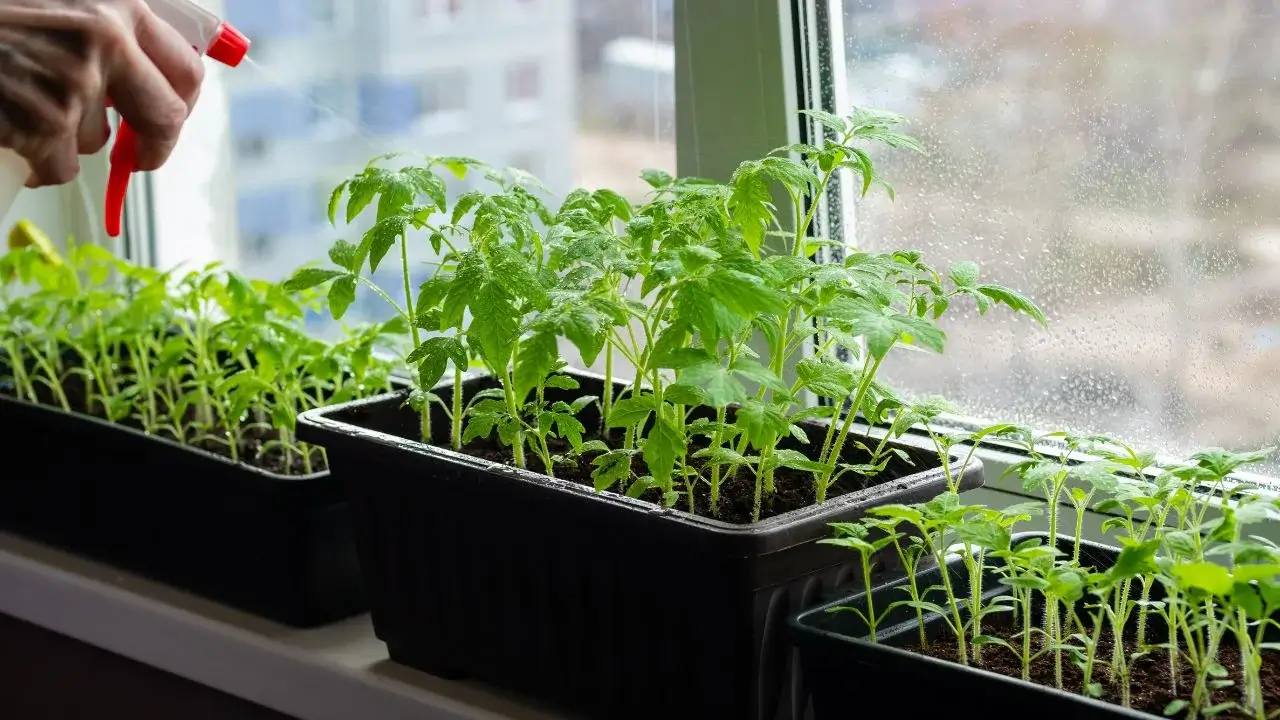
Tomatoes represent the crown jewel of the late spring and early summer agricultural cycle. For both home gardeners and commercial market growers, the sight of vibrant, heirloom varieties—ranging from deep purples and sunny yellows to classic fire-engine reds—lining market stalls serves as a signal that the growing season has hit its stride. However, achieving that level of production requires more than just luck; it demands a precise, science-backed approach to seed starting.
Whether you are looking to scale up for market demand or simply ensure a bountiful supply for your own canning and table needs, the process begins long before the first flower appears. For growers in many North American regions, the challenge of lingering winter frosts makes indoor seed starting not just a preference, but a necessity. By implementing the following expert-level techniques, you can transform your annual tomato-growing practice from a hit-or-miss hobby into a highly efficient, high-yield operation.
The Fundamentals of Tomato Propagation: A Chronological Roadmap
Success with tomatoes is dictated by the calendar. Understanding the lifecycle of the Solanum lycopersicum is the first step toward a productive harvest.

1. The Pre-Season Planning Phase (8–10 Weeks Before Last Frost)
Preparation begins well before the soil is even touched. This is the time for variety selection. Growers must assess their climate, market demand, and intended use. Are you producing for fresh slicing, or do you require high-density paste tomatoes for canning? During this phase, your seed inventory should be finalized, and your equipment—lights, heat mats, and trays—must be sanitized and staged.
2. The Indoor Sowing Window (4–6 Weeks Before Last Frost)
In temperate regions where winters persist, indoor sowing is essential. Sowing your seeds four to six weeks before the last predicted frost date allows the seedlings to develop a robust root system and reach a transplantable size without becoming root-bound or leggy.
3. The Germination and Seedling Development Phase
Once seeds are sown, they enter the critical germination stage. This period requires consistent moisture and elevated temperatures. By maintaining a soil temperature between 65°F and 85°F (18°C–29°C), you ensure the most efficient use of your seeds and prevent the common pitfall of uneven germination.

4. The Up-Potting and Hardening-Off Phase
Once the first set of true leaves appears, seedlings need more space. Up-potting into larger containers prevents stunting and allows for the development of a deeper root mass. Following this, the "hardening-off" period—a gradual introduction to outdoor conditions—is vital to prevent transplant shock.
5. The Field Transition (1–2 Weeks Post-Frost)
Finally, once the danger of frost has definitively passed, the plants move to their final home. Whether in an urban garden plot or a commercial row-crop field, this is the culmination of your efforts.
Supporting Data: Understanding Variety Selection
One of the most critical decisions a grower makes is selecting the right variety. This is not merely a matter of taste; it is a matter of biology.

Determinate vs. Indeterminate Varieties
- Determinate Varieties: These plants are genetically programmed to reach a specific size and produce their entire crop within a condensed window of two to three weeks. For commercial farmers who need to clear beds for rotation or home gardeners with limited processing time, this "all-at-once" harvest is a strategic advantage. Many determinates are bush-like and require minimal staking.
- Indeterminate Varieties: These are the "vines" that continue to grow, flower, and fruit until they are killed by frost. They are essential for those who want a steady supply of tomatoes throughout the season. However, they require significant infrastructure, including trellising and constant pruning to ensure airflow and disease prevention.
Expert Insight: If your region experiences intense mid-summer heat that causes "blossom drop" (where the plant stops setting fruit due to high temperatures), indeterminate varieties can be a challenge. In such climates, focusing on early-season production with determinates is often the most successful strategy.
Optimizing Your Infrastructure
If your current setup involves plastic cups on a windowsill, you are likely leaving potential yield on the table. Professional-grade results require professional-grade tools.
The Power of Cell Trays
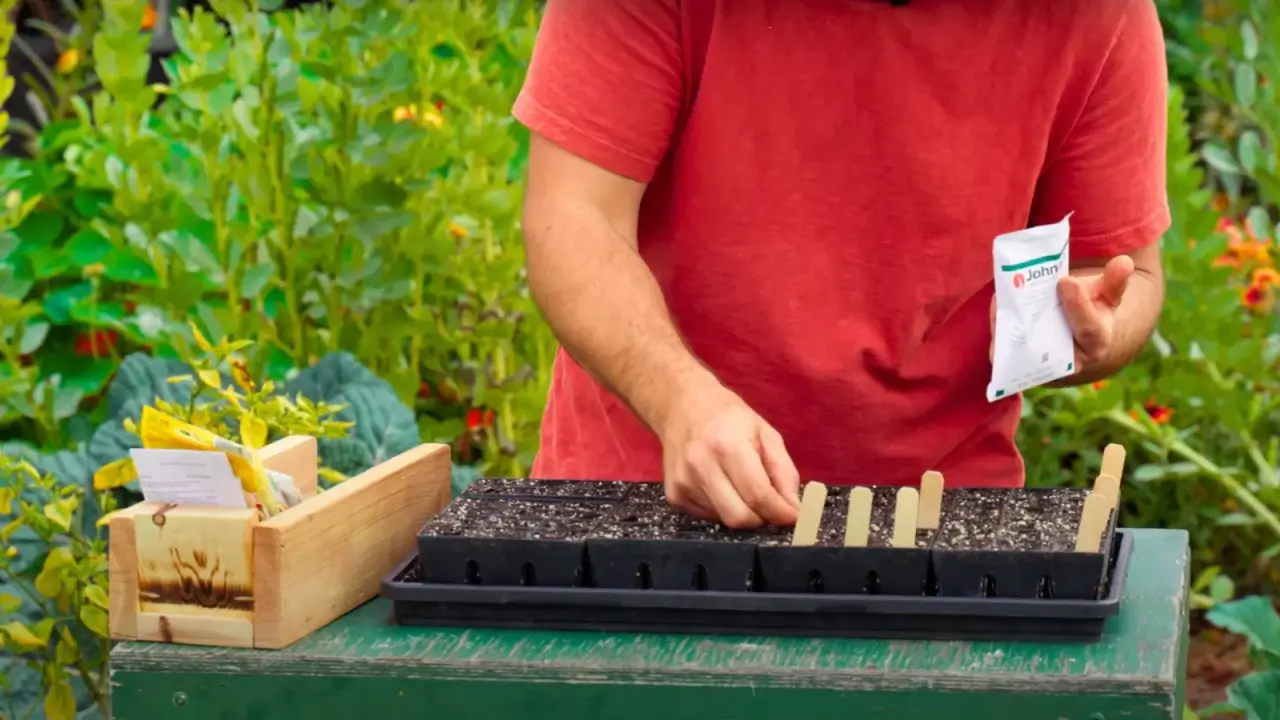
Switching to standard nursery cell trays is a game-changer for root development. These trays are specifically engineered with drainage holes and vertical ribs that guide roots downward, preventing them from circling the container. This "air-pruning" effect creates a denser, more fibrous root system that is better equipped to take up water and nutrients once transplanted.
The Role of Supplemental Lighting
Sunlight through a window is rarely sufficient for young tomato plants. Even a south-facing window often provides light that is too low in intensity, causing the plants to stretch toward the light, resulting in weak, "leggy" stems. High-quality LED grow lights that provide a full spectrum—covering the blue wavelengths for vegetative growth and red wavelengths for flowering—will produce stocky, vigorous seedlings.
Environmental Controls: The "Heated" Advantage
The secret to a high germination rate lies in the soil temperature. Tomatoes are native to the warm, humid regions of western South America; they do not respond well to cold, damp soil, which can lead to seed rot.
Using Heat Mats
A heat mat placed beneath your seedling trays is the most effective way to mimic the natural environment. By keeping the root zone at an optimal 70°F–80°F, you can see germination in as little as 5 to 7 days, compared to two weeks or more in cold conditions.

Alternatives for Small-Scale Growers
If a commercial heat mat is not in the budget, creative alternatives can be employed. Some growers utilize "chicken heaters" (brooder plates) positioned near the seedling rack to provide ambient warmth. This is safer and more effective than space heaters, which tend to dry out the air, leading to dehydration of the delicate, newly emerged foliage.
Hydration and Soil Chemistry
Tomato seedlings are succulent and fleshy; they crave consistent moisture. However, there is a fine line between "moist" and "soggy."
Water Retention vs. Drainage
When preparing your seed-starting medium, look for a balance of materials. Peat moss or coconut coir are excellent for holding moisture, but they must be balanced with perlite or agricultural grit to ensure oxygen reaches the roots. If your environment is particularly dry, increasing the ratio of coco coir can help maintain a stable hydration level without needing to water multiple times per day.

The Importance of Liquid Feeding
Once you have up-potted your seedlings, they will eventually exhaust the nutrients in their starting soil. However, caution is advised. Avoid using high-phosphorus "bloom booster" fertilizers at this stage, as this will trick the plant into trying to flower while it should still be focusing on vegetative growth. Instead, use a diluted organic fish emulsion (at 25% of the recommended strength) to provide the nitrogen necessary for healthy leaf development.
Implications for the Future of Farming
The art of starting tomato seeds is more than a chore; it is an exercise in precision agriculture. As climate patterns become increasingly erratic, the ability to control the early life stages of a crop is a vital skill for food security.
By mastering these five tips—selecting the correct variety, upgrading your light and tray infrastructure, utilizing heat for germination, maintaining precise moisture levels, and implementing a strategic up-potting schedule—you are not just growing plants. You are building a foundation for a resilient, high-output food system.

Whether you are a market farmer planning for a summer of high-volume sales or a home grower dedicated to the perfect BLT, these professional techniques will ensure that your tomatoes are ready to thrive the moment they hit the ground. When the summer sun finally hits, you will have the robust, well-rooted, and healthy plants necessary to produce the heavy yields that make the tomato the undisputed king of the garden.


 Asep Darmawan
 Lina Irawan






