




 Ammar Sabilarrohman
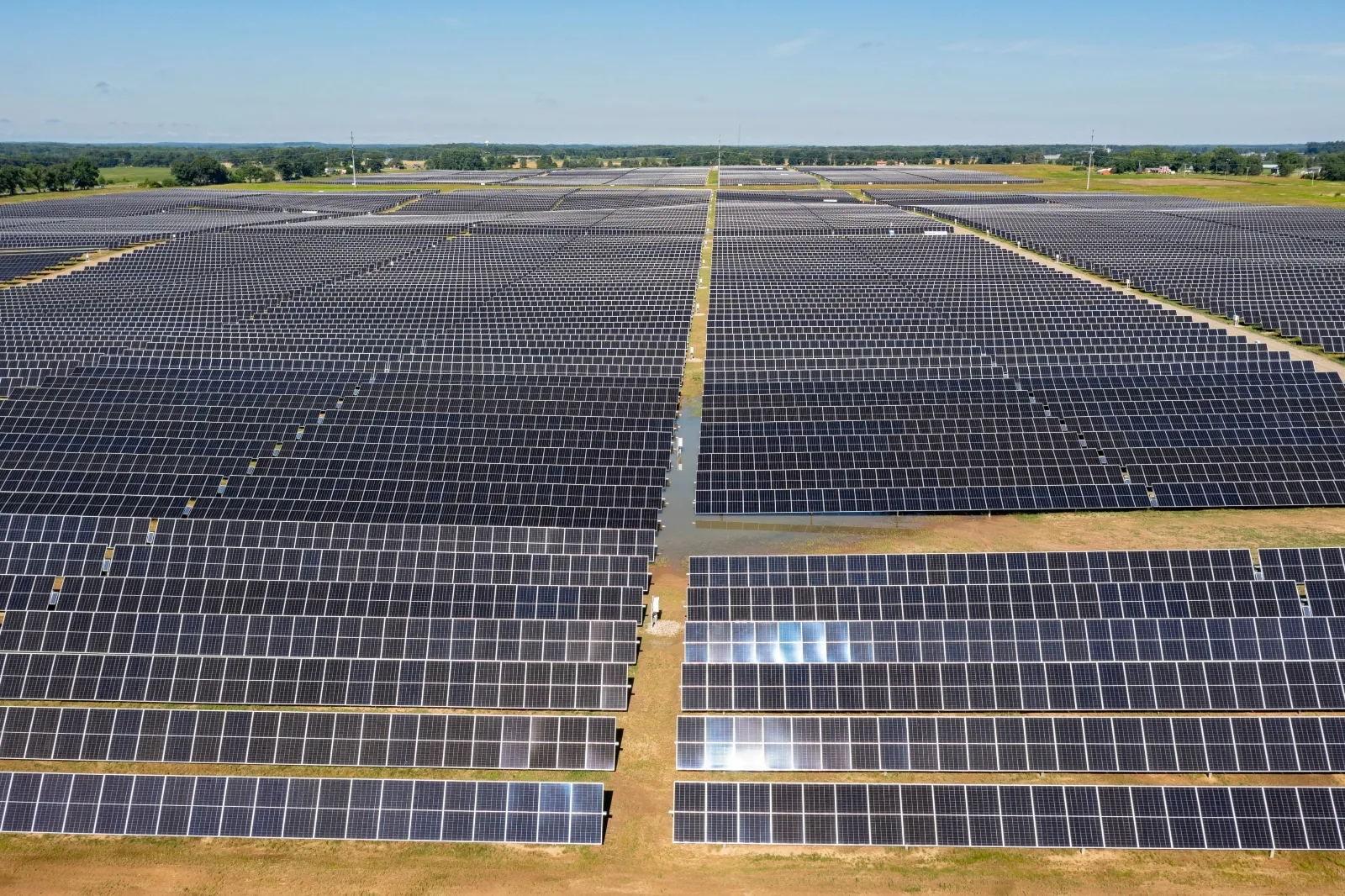
In the heart of Michigan’s 7th District, the landscape of American politics is being reshaped not by national party platforms or high-level rhetoric, but by the hum of cooling fans and the silent spread of solar panels. As a wave of industrial development—ranging from massive hyperscale data centers to expansive renewable energy arrays—sweeps across the state, a strange new coalition has emerged. It is a political marriage of convenience between “MAGA” conservatives, disillusioned progressives, and rural independents, all unified by a singular, defiant stance against large-scale, top-down infrastructure projects.
At the center of this electoral experiment is William Lawrence, a 36-year-old Democrat and co-founder of the Sunrise Movement. Once a firebrand for the Green New Deal, Lawrence is now betting his political future on a radical pivot: challenging the very pace and process of the clean energy transition he once championed, in favor of a model defined by community control and local consent.
Main Facts: The Clash of Interests
The tension in Michigan is palpable. While the state government pushes for a complete transition to clean energy by 2040, rural and suburban communities are pushing back. The flashpoint is the rapid proliferation of data centers—such as the $16 billion Oracle-OpenAI campus near Ann Arbor—and the industrial-scale renewable energy infrastructure required to power them.
Critics, including activists like Marjorie Steele, founder of the Economic Development Responsibility Alliance (EDRA), argue that these projects are being forced upon local populations without adequate consideration for farmland preservation, water usage, or noise pollution. For Steele, who has spent years fighting everything from EV battery plants to solar farms, the struggle is not merely ideological; it is about the sanctity of the local landscape and the right to determine the trajectory of one’s own community.
“When the progressives look at me and say, ‘You’re MAGA’ because of the green energy issue, it really hurts me,” Steele told Grist. Her experience highlights a growing disconnect between national climate goals and local reality, a gap that Lawrence is attempting to bridge.
Chronology of a Shifting Alliance
The alliance between Lawrence and figures like Steele began in the unlikely setting of a Jimmy John’s in Lansing. Earlier this year, Steele, who rarely finds common ground with Democrats, approached Lawrence to lobby for a data center ban. Expecting a dismissive reaction from a former Sunrise Movement leader, she was instead met with rigorous questioning and an open ear.
Lawrence’s trajectory has been unconventional. A former member of the Democratic Socialists of America (DSA) who once called for police abolition, he has transitioned into a candidate who emphasizes grassroots organizing over abstract policy mandates. Following their meeting, Lawrence began echoing the concerns of anti-development activists in his public rhetoric.
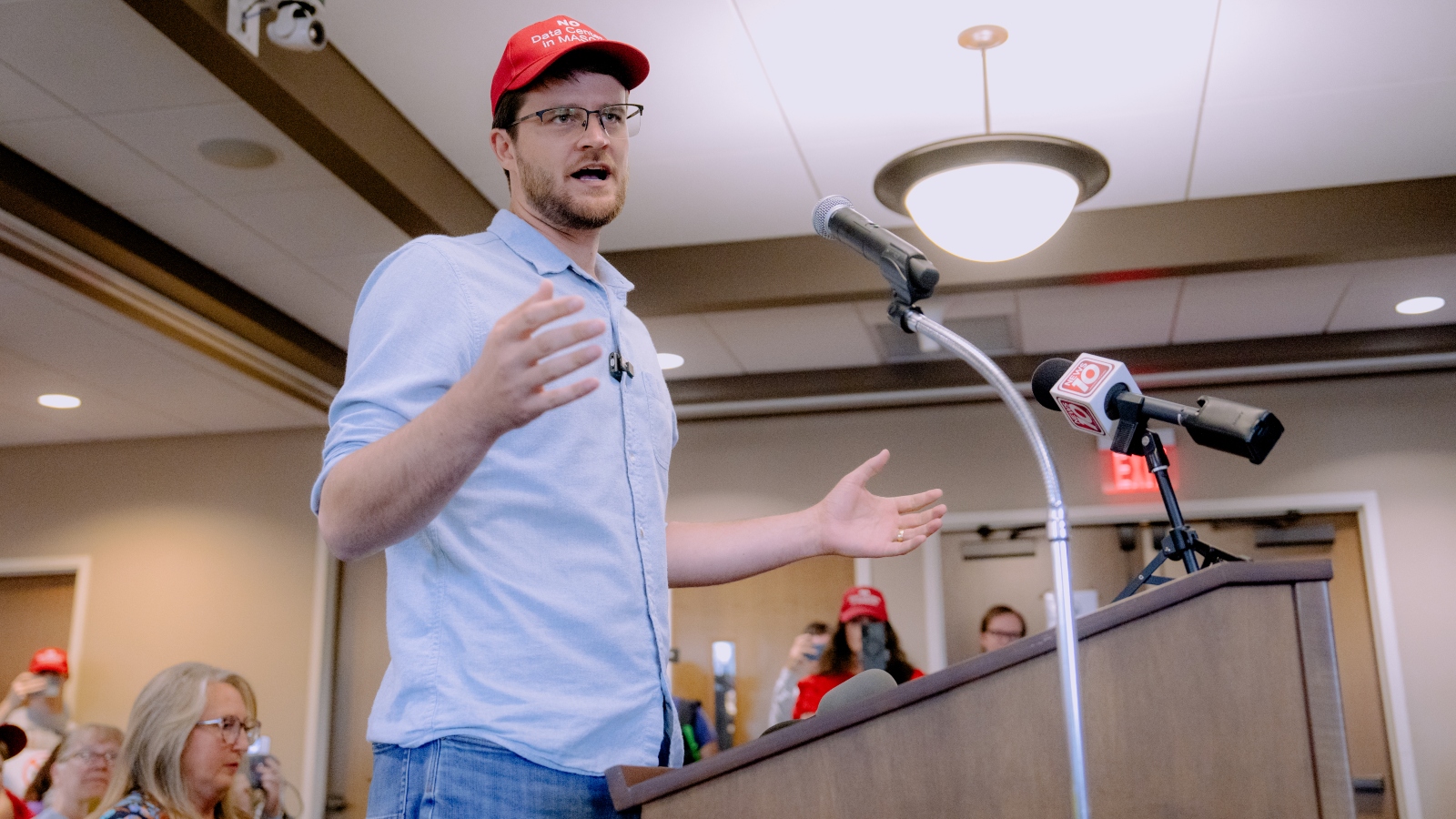
The turning point for the coalition came when Lawrence appeared at a city council meeting in Mason, Michigan, to oppose a local data center proposal. Standing alongside residents—many wearing the crimson-red baseball caps often associated with the Trump movement—Lawrence signaled that his campaign was not about towing the party line, but about giving voice to the “infrastructure fatigue” plaguing the Midwest. His endorsement by the EDRA, an organization that seldom engages with major-party candidates, solidified this cross-partisan bridge.
Supporting Data and the “Infrastructure Fatigue”
The backlash is not anecdotal; it is a widespread phenomenon. More than a dozen local governments in Michigan have attempted to enact bans or moratoriums on data centers. The failure of the “Deep Green” project in Lansing, despite the developer’s promises of sustainable heat recycling and water efficiency, serves as a testament to the depth of public skepticism.
Ed Rivet, who leads the Michigan Conservative Energy Forum, describes this phenomenon as “infrastructure fatigue.” While he argues that renewable energy is vital for cost and reliability, he acknowledges that the sheer scale of the projects is triggering a protective response from citizens.
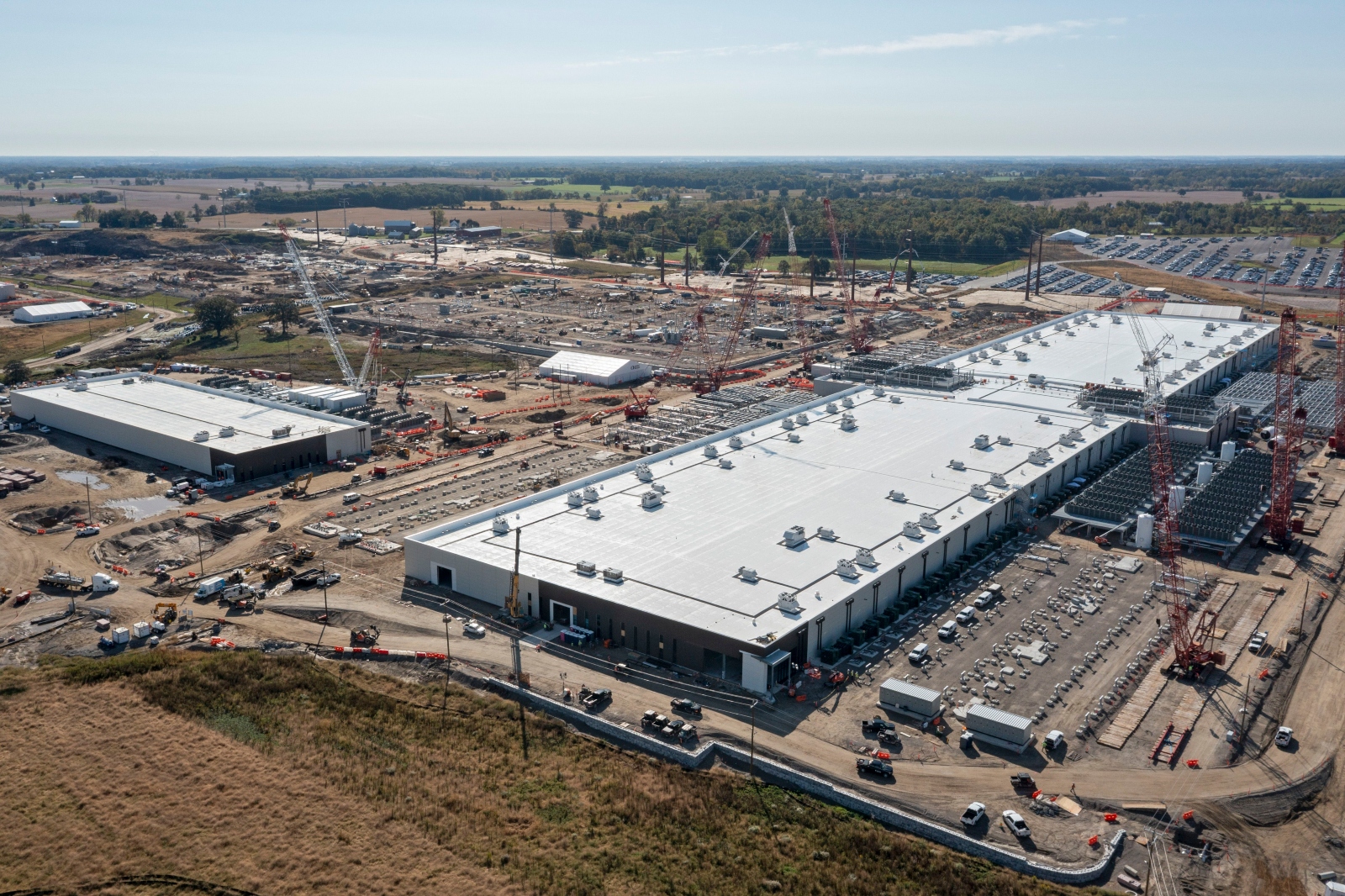
The data reflects a complex challenge for the state. Michigan’s 2040 clean energy goals require massive, rapid development. However, as Doug Bessette, a professor at Michigan State University, notes, the “smaller-is-better” approach preferred by many local activists is fundamentally at odds with the scale required to replace fossil fuel reliance. “In order to fully transition our economy to clean energy, you have to build huge solar and huge wind and huge batteries and you have to do it fast,” Bessette warned. The friction between this necessity and local resistance creates a recurring cycle of litigation and legislative preemption.
Official Responses and Policy Conflicts
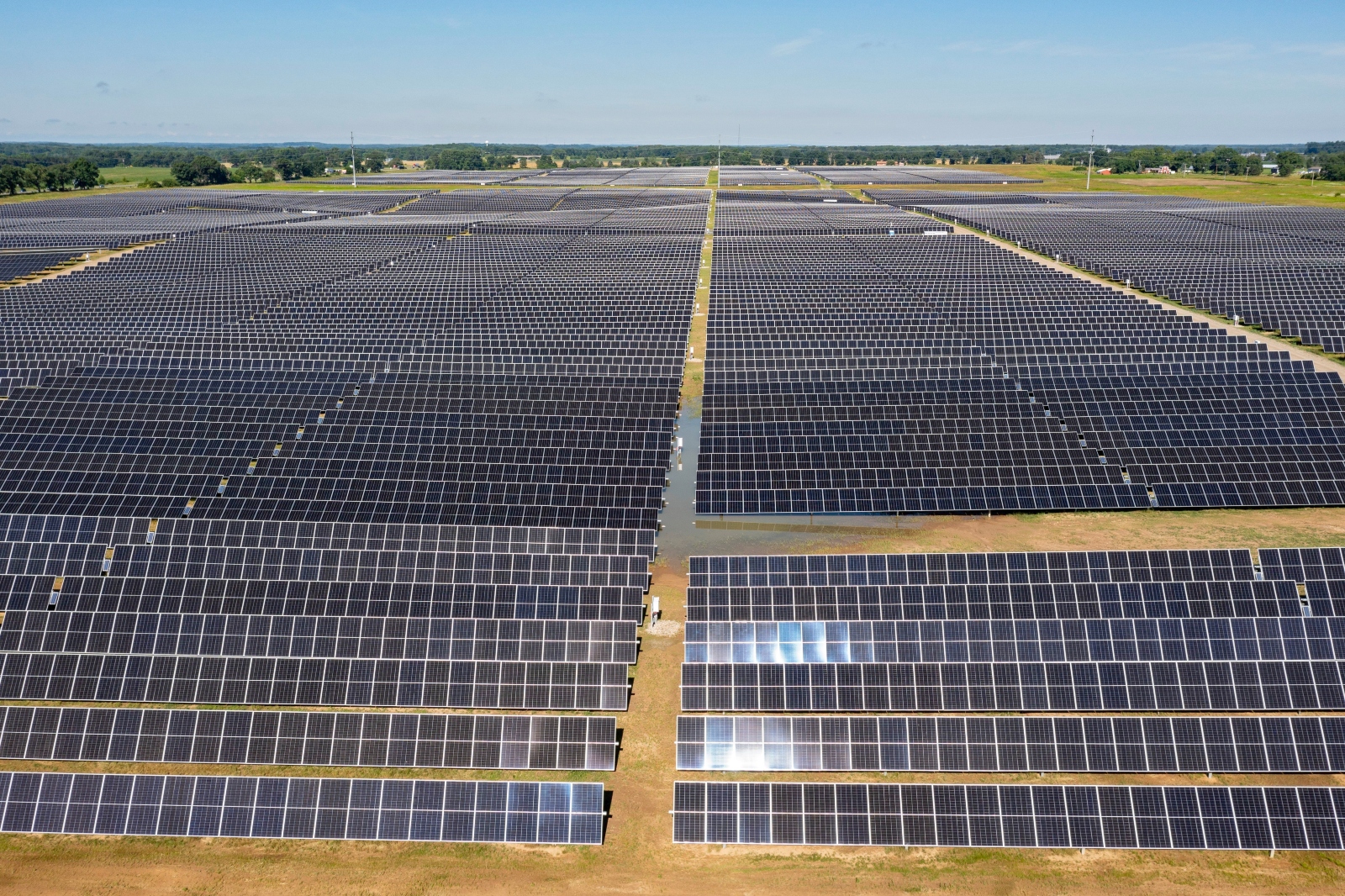
The state legislature’s decision in 2023 to preempt local zoning laws for solar projects has only intensified the conflict. By allowing developers to bypass local authorities, the state has inadvertently fostered an environment of resentment. The recent construction of the “Assembly Solar” project, which Lawrence toured with a local homeowner, has become a lightning rod for criticism.
Lawrence has been vocal in his critique of this state-level preemption, arguing that it allows utilities to “build mega projects without community buy-in.” His proposed solution is a departure from his past activism: he suggests the creation of public banks to finance infrastructure that prioritizes community benefit over high profit margins and advocates for a national pause on data center construction to allow for a re-evaluation of development standards.
His opponent, Republican incumbent Tom Barrett, also taps into the anti-data center sentiment, but the race remains a toss-up. Jean Hardy, a researcher at Michigan State University, suggests that because opposition to these projects is so broadly distributed across the political spectrum, it may not be a deciding factor for voters in the way a traditional wedge issue would be.
Implications: The Future of the Energy Transition
The implications of the 7th District race extend far beyond Michigan. It serves as a laboratory for a new, contentious form of politics: the "localism" of energy. If the energy transition is to succeed, it must navigate the "big no" of local communities and transform it into an "affirmative yes."
Lawrence’s pivot from a nationalized, top-down activist model to a localized, community-led framework represents a profound reckoning. He openly admits that his past work with the Sunrise Movement, while focused on the "necessity of the outcome," often overlooked the "necessity of the process."
“I’m reckoning with just how little trust we all have,” Lawrence said.
Whether this newfound focus on local control will satisfy voters remains an open question. For activists like Steele, the solution is not the abandonment of green energy, but a reimagining of it—through agrivoltaics, community solar, and light manufacturing that integrates into the existing agricultural landscape rather than displacing it.
As the election approaches, the 7th District stands as a microcosm of a larger American crisis: a crisis of faith in institutions and a profound disagreement over what progress looks like. Lawrence’s campaign is an attempt to prove that the path to a sustainable future does not have to be paved over the objections of the very people the transition is meant to protect. If he succeeds, it may provide a blueprint for other climate-conscious leaders to navigate the jagged landscape of local resistance. If he fails, the resulting impasse could stall the nation’s climate ambitions for years to come.
In the final analysis, the battle in Michigan is not just about where to place a power line or a data center. It is a referendum on the social contract itself, and whether the grand ambitions of the future can ever truly be reconciled with the realities of the present.


 Asep Darmawan

 Lina Irawan






