




 Laily UPN
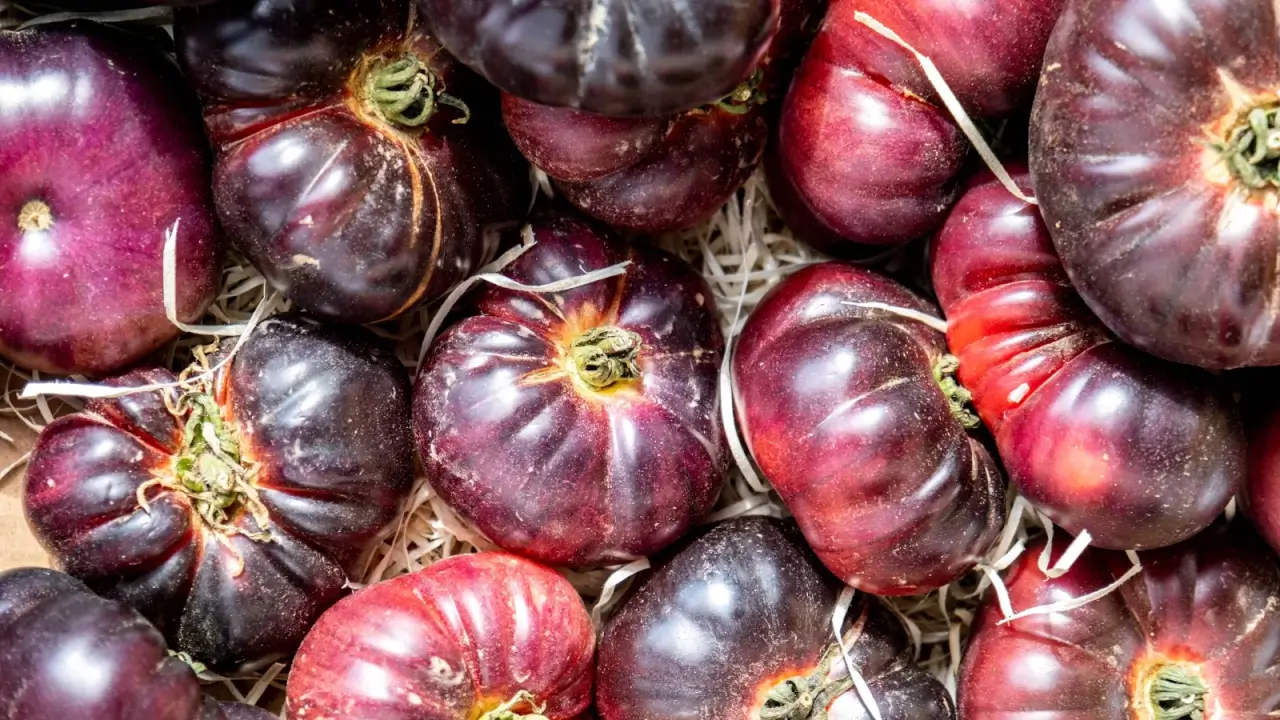
The return to heirloom vegetables is more than a culinary trend; it is a vital movement toward biodiversity, regional food sovereignty, and the preservation of agricultural history. For the contemporary farmer, cultivating open-pollinated, heirloom tomatoes offers a distinct competitive advantage at market stalls, where consumers are increasingly seeking the nuanced flavors and aesthetic diversity that modern commercial hybrids lack.
Choosing the right varieties requires a strategic approach. By aligning seed selection with your local microclimate and seasonal duration, you can transform your farm into a sanctuary of flavor. Whether you are a seasoned producer or a new grower, the following 11 heirloom varieties represent the gold standard for quality, yield, and market appeal.
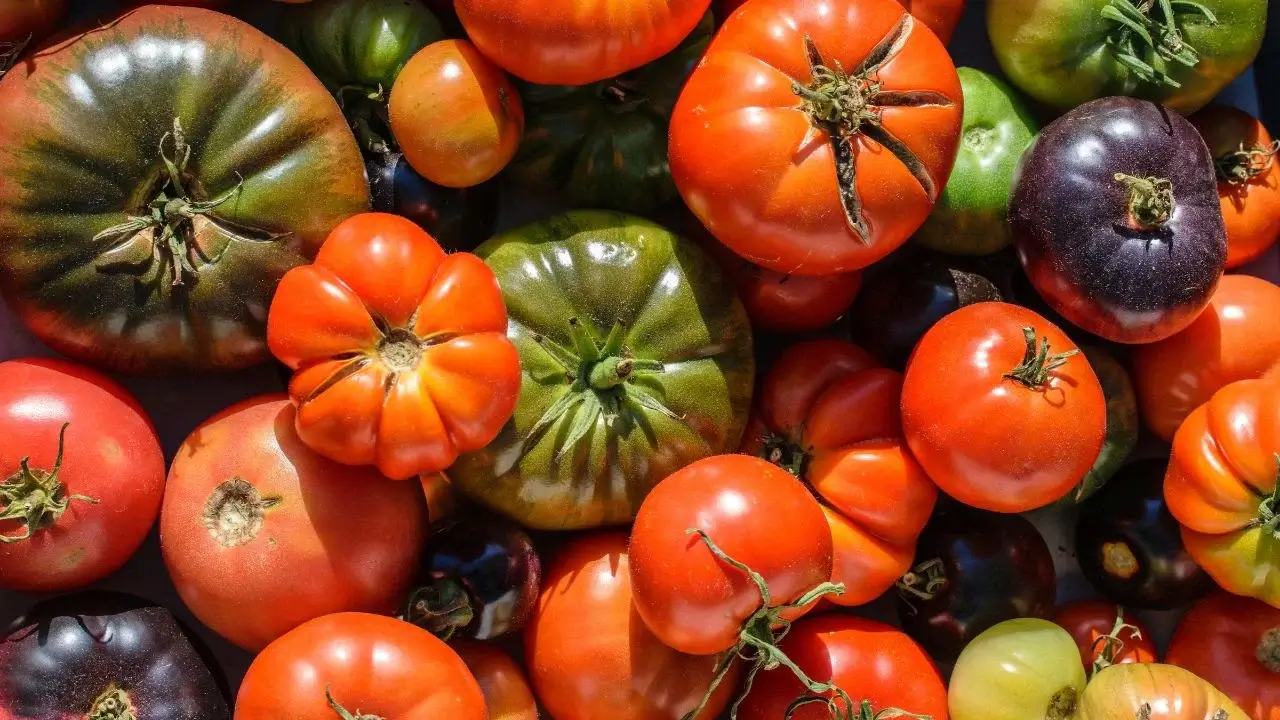
Understanding the Heirloom Advantage: Why Open-Pollinated Matters
Heirloom tomatoes are defined by their open-pollinated nature—meaning seeds saved from the fruit will produce plants that are true to the parent variety. Unlike F1 hybrids, which require annual seed purchases, heirlooms empower farmers to become stewards of their own genetics.
However, this freedom comes with responsibility. Because heirlooms lack the uniform resistance of modern hybrids, they require more diligent management. If you intend to save seeds, you must be prepared to isolate varieties to prevent cross-pollination. For the market farmer, the trade-off is well worth the effort: you gain a product that is not only delicious but also tells a story—a selling point that resonates deeply with today’s discerning customers.
The Selection: 11 Varieties for Every Climate
Success in tomato cultivation is dictated by the calendar. Understanding the difference between determinate (bush) and indeterminate (pole) habits is the first step in planning your production schedule.
1. San Marzano (The Gold Standard for Sauce)
Originating in the United States in the 1920s, the San Marzano remains the undisputed monarch of the kitchen. As an indeterminate pole tomato, it is a vigorous grower, often reaching heights of six feet or more.
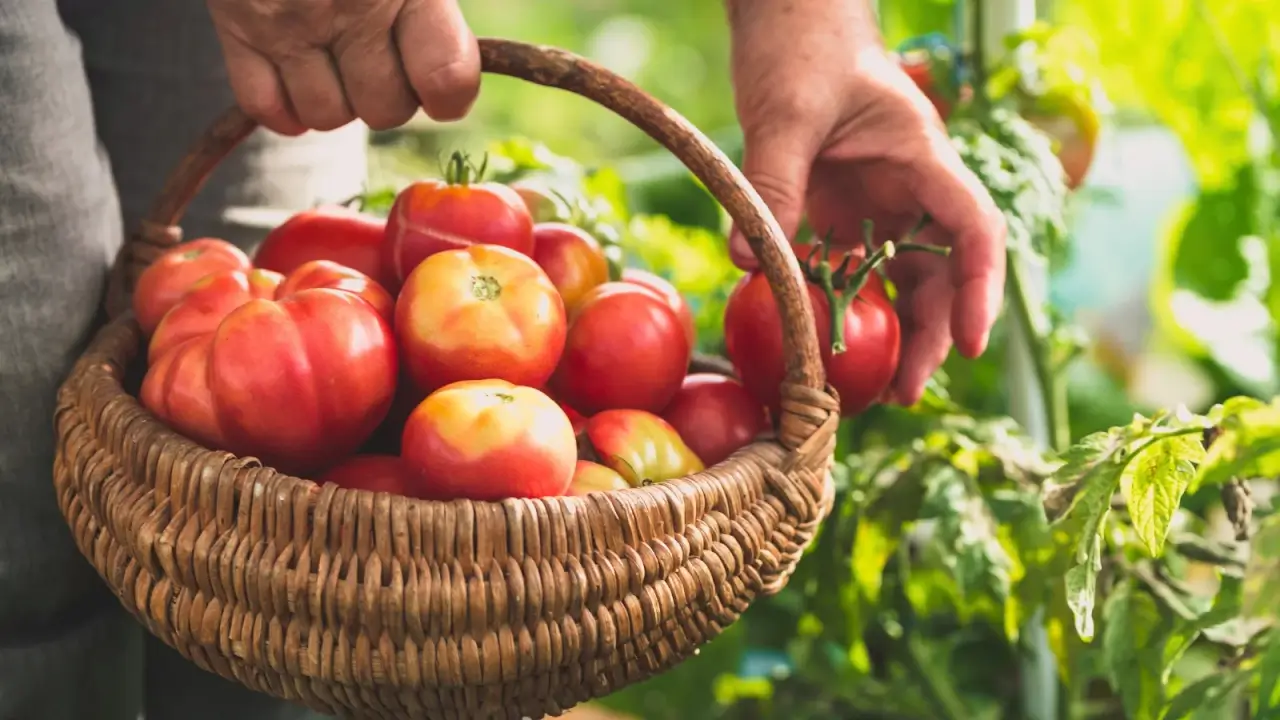
- Farm Strategy: These plants require robust trellising. Given a three-month window of warmth, they will provide a prolific, season-long harvest.
- Market Appeal: Their elongated shape and low seed count make them the primary choice for chefs and home canners alike.
2. Cherokee Purple (The Smoky Slicer)
With a pedigree stretching back over a century, the Cherokee Purple is a powerhouse of flavor. Known for its smoky, sweet profile, it produces large, 10-to-12-ounce fruits that are as beautiful as they are tasty.
- Farm Strategy: As an indeterminate variety, it demands significant support to hold the weight of its heavy, ribbed fruit throughout the growing season.
3. Ace 55 (The Reliable Bush Tomato)
For growers facing shorter seasons or limited space, Ace 55 offers a dependable alternative. Mating in approximately 80 days, this determinate bush variety produces uniform, globe-shaped fruit.

- Farm Strategy: Because the majority of the harvest ripens within a two-week window, this variety is perfect for farmers planning for high-volume canning days. Its resistance to verticillium and fusarium wilts adds a layer of security to your crop.
4. Beefsteak (The Century-Old Titan)
True to its name, the Beefsteak pole tomato is a behemoth. It requires a long season—roughly 95 days—to reach maturity.
- Farm Strategy: These fruits can weigh up to two pounds. In optimal conditions, the vines can reach 20 feet, requiring industrial-strength support structures.
5. Brandywine (The Flavor Benchmark)
Brandywine is synonymous with heirloom quality. Its pink-red and golden-yellow blends are legendary for their sweet, slightly fruity notes.

- Farm Strategy: Expect a harvest window between 76 and 100 days. Because it is indeterminate, you can enjoy a staggered harvest, allowing you to keep your market stand stocked throughout the late summer.
6. Gardener’s Delight (The Snacker’s Choice)
Sometimes, the best-selling product is the one that is eaten immediately. Gardener’s Delight is a German heirloom that produces clusters of one-inch cherry tomatoes.
- Farm Strategy: With a 65-day maturity, this is an ideal crop for short-summer regions. Each branch can hold 6 to 12 cherries, so even this small variety needs a sturdy cage to prevent the vines from collapsing under the fruit load.
7. Black Krim (The Heat-Tolerant Russian)
Originating from the Black Sea region of Russia, Black Krim is a testament to agricultural resilience. It is highly heat-tolerant, continuing to set fruit long after other varieties have succumbed to heat stress.

- Farm Strategy: The fruit size—roughly the size of a baseball—and its distinct salt-and-smoke flavor profile make it a premium item for gourmet markets.
8. Cream Sausage (The Container Specialist)
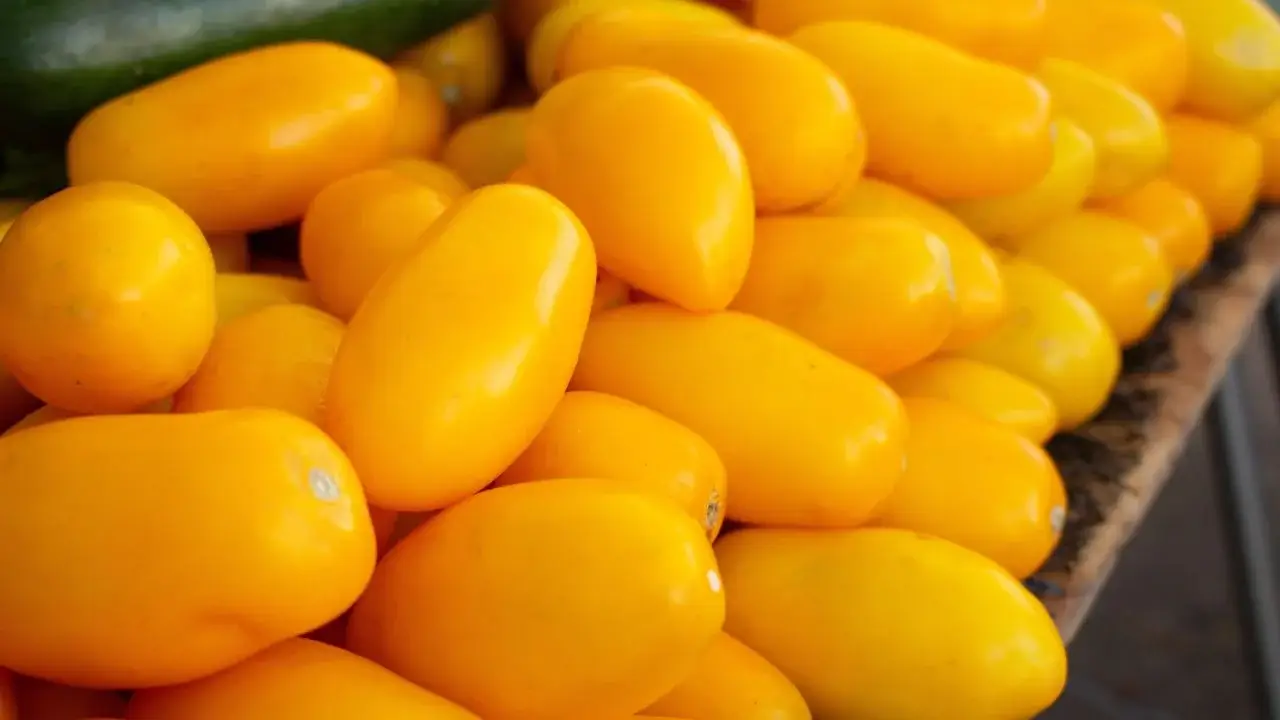
If you require a compact plant, Cream Sausage is an excellent choice. This determinate bush tomato reaches only three feet in height, making it perfect for containers or small hoop houses.
- Farm Strategy: Its yellow, roma-style fruit is versatile, working well for fresh salsas or sauces. It is an excellent variety to succession-sow for continuous harvests in limited space.
9. Red & Yellow Pear Blend (The Specialty Crop)
Pear-shaped tomatoes attract attention simply by their appearance. Traditionally used for pickling and preserves, these low-acid, succulent tomatoes are a favorite for farm-to-table displays.
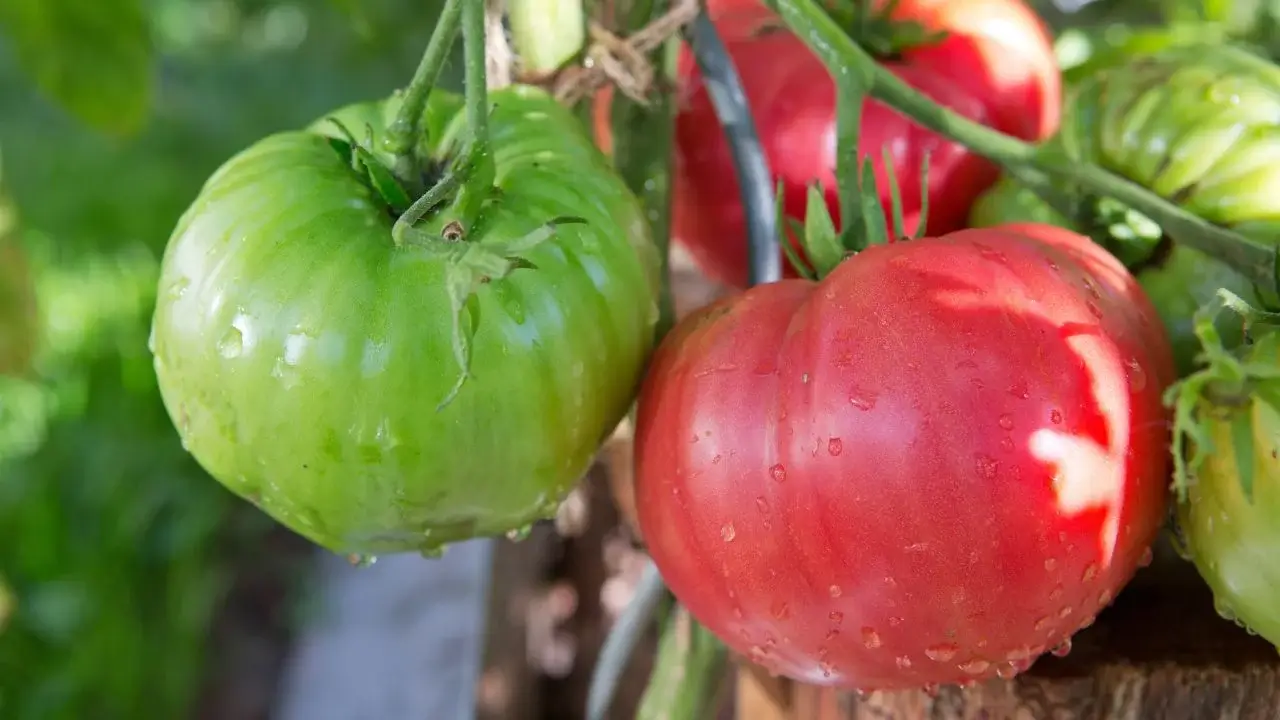
- Farm Strategy: Harvest these about 75 days after transplanting. They are high-value specialty items that differentiate a small farm from grocery store competitors.
10. Oxheart (The Culinary Classic)
The Oxheart (or Cuore Di Bue) traces its roots to Liguria, Italy. With its distinct heart shape and deep ribs, it is the classic choice for a traditional Caprese salad.
- Farm Strategy: These are indeterminate, producing throughout the warm (but not excessively hot) months. They are particularly prized by culinary enthusiasts who value them for roasting.
11. Costoluto Genovese (The Chef’s Favorite)
Another Italian masterpiece, the Costoluto Genovese is deeply ribbed and vibrant red. Its thick inner walls and substantial flesh make it a favorite for slicing and sauce preparation.
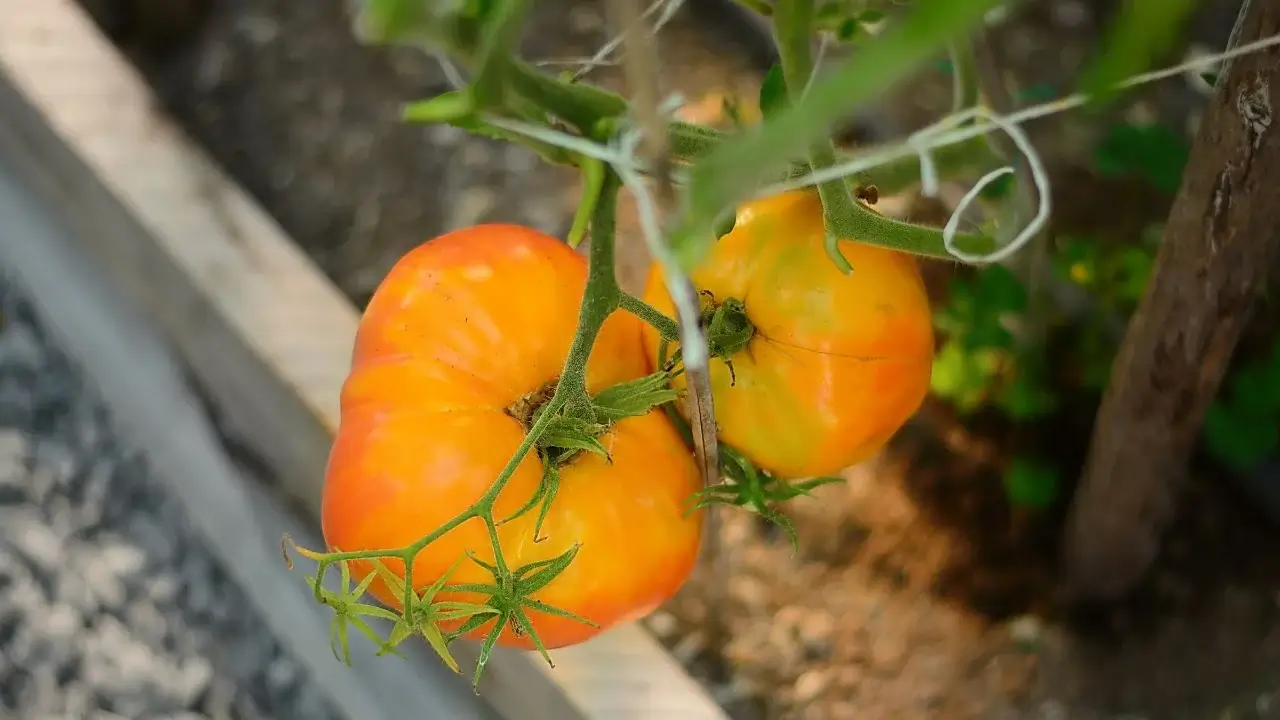
- Farm Strategy: Give this variety 80 to 90 days. Because the fruit can reach up to eight ounces, ensure your trellising is capable of handling the substantial weight.
Chronology of the Growing Season
Success with these varieties follows a strict seasonal logic.
- Seed Starting (Weeks 0–6): Utilize expert techniques for germination. Proper light, heat mats, and soil medium are essential to producing robust starts.
- Transplanting (Weeks 6–8): Once the threat of frost has passed, transplant your seedlings. Ensure proper spacing to encourage airflow, which is critical for disease management.
- Trellising & Maintenance (Weeks 8–16): As the plants grow, keep up with pruning and support. For indeterminate varieties, vertical management is key to preventing ground-borne diseases.
- Harvest (Weeks 12–24): Staggered harvesting is the hallmark of a successful market farm. Monitor color and firmness to ensure the best shelf life.
Supporting Data: The Economics of Heirloom Varieties
While hybrids offer standardized yields, data suggests that heirloom varieties command a higher price point at farmers’ markets. Because consumers associate these varieties with "real" food, price elasticity is often lower; buyers are willing to pay a premium for varieties they cannot find in a supermarket.
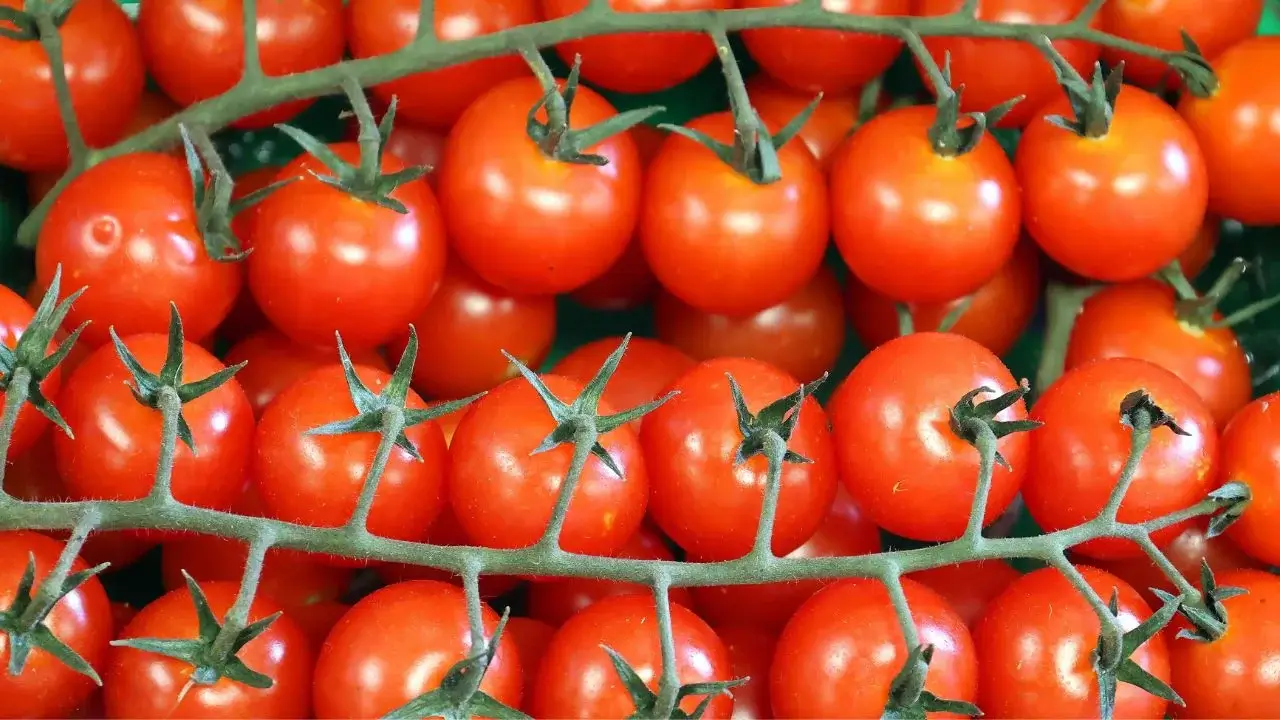
Furthermore, by utilizing disease-resistant varieties like Ace 55 alongside more temperamental heirlooms, farmers can mitigate the financial risks of total crop failure. The integration of "dry-farming" techniques—often applied to varieties like Black Krim—can further improve flavor concentration and shelf life, increasing the net profitability per pound of fruit.
Official Perspectives and Expert Advice
Agricultural extension services consistently emphasize that the primary barrier to growing heirlooms is "disease pressure." Unlike modern varieties bred for resistance to specific blights, heirlooms require a focus on cultural practices.
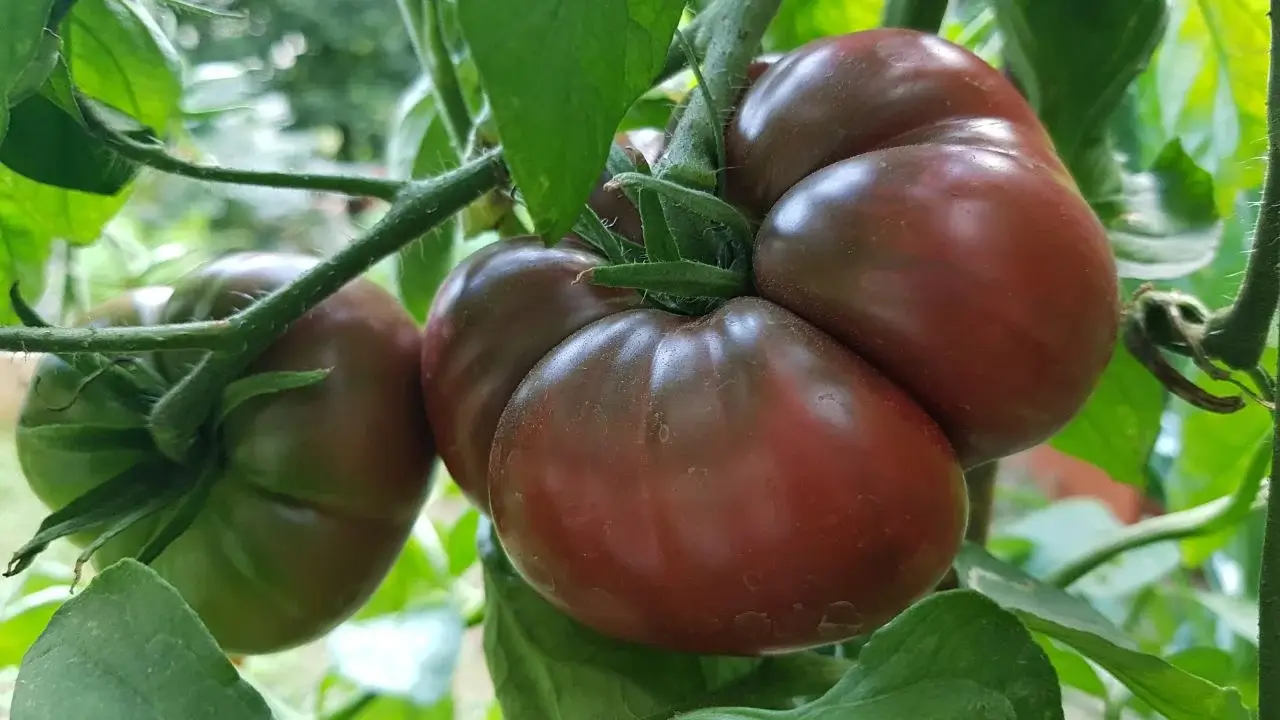
"The most important tool for the heirloom grower is not a fungicide, but a trellis," says a regional extension specialist. "Keeping fruit off the ground and ensuring the foliage dries out quickly in the morning is the single most effective way to prevent fungal issues."
Implications for the Future of Farming
The shift toward heirloom tomatoes represents a broader trend in the food system. As climate patterns become more erratic, the genetic diversity found in heirloom seeds serves as a "living library" of potential traits. By growing these varieties, farmers are not just producing food; they are engaging in the active preservation of agricultural heritage.
For the farm business, the implications are clear: specialization and quality are the keys to long-term viability. In an era of mass-produced, flavorless produce, the heirloom tomato stands as a beacon of what is possible when we prioritize the relationship between the land, the seed, and the consumer. As you plan your upcoming season, consider not just the yield, but the legacy you are planting in your soil.


 Asep Darmawan
 Lina Irawan






