



 Asep Darmawan
In the modern agricultural era, the push for maximum efficiency has often led to the dominance of vast, unbroken monocultures. However, a growing cohort of farmers—from large-scale industrial producers to small-scale homesteaders—is rediscovering a powerful, ancient technique: interseeding.
By planting cover crops, legumes, or secondary cash crops within the rows of a primary crop, producers are effectively transforming the function and output of their land. Interseeding is more than just a space-saving maneuver; it is a holistic strategy that bolsters environmental resilience, enhances economic sustainability, and restores the biological integrity of the farm.
The Core Mechanics of Interseeding
At its simplest, interseeding involves the strategic co-planting of two or more species within the same temporal and physical space. While most commonly associated with industrial corn production—where cover crops are sown into standing grain to protect soil and provide winter forage—the practice is increasingly applied in diverse vegetable gardens, orchards, and silvopasture systems.
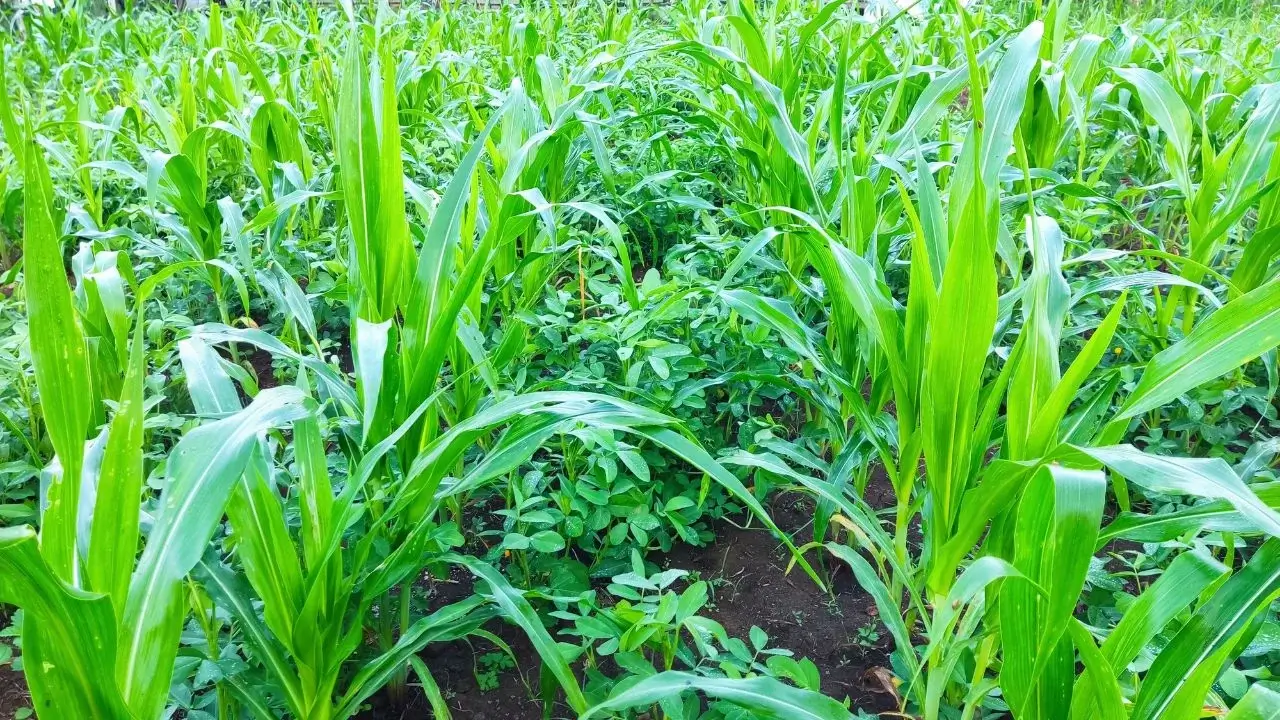
The primary hurdle for any producer considering this transition is timing. Successful interplanting requires a sophisticated understanding of phenology. For instance, in grain fields, the cover crop must be staged so that it does not outcompete the primary crop for light or water. On smaller farms, this might manifest as planting a shade-tolerant vegetable on the leeward side of a taller stalk crop. When executed correctly, the results are profound.
1. Maximizing Field Output: The Economics of Efficiency
The most immediate appeal of interseeding is the potential to double or even triple the output of a single plot of land. In traditional agriculture, land is often dedicated to a single crop, leaving the soil beneath exposed or underutilized.
The Multi-Crop Advantage
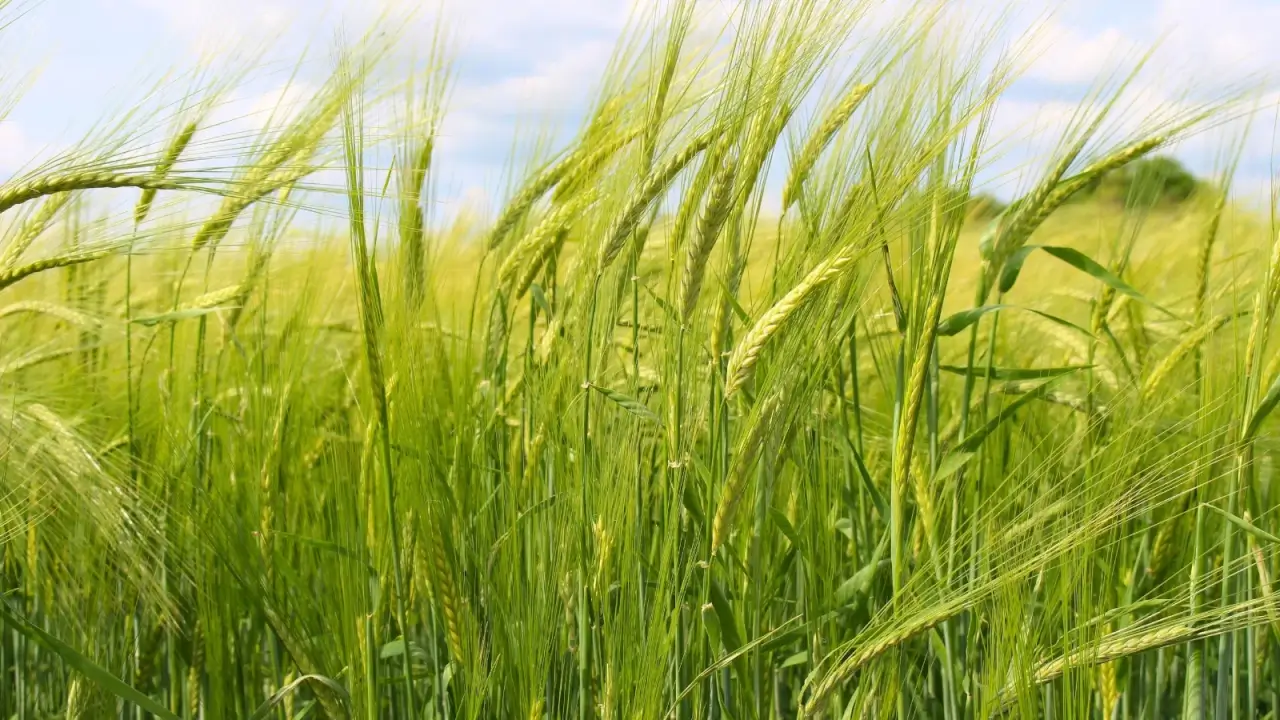
Large-scale operations have pioneered the interplanting of rye or barley between rows of corn. This allows the landowner to harvest two distinct commodities—a cereal grain and a forage crop—from the same acreage. For small-market growers, the potential is equally lucrative. Companion planting tomatoes with beans, or cabbage with onions, utilizes vertical and horizontal space to produce a diverse harvest.
Beyond food crops, growers are increasingly experimenting with "high-value companion planting." By pairing a cash crop with a flower species specifically intended for cut-flower arrangements, farmers can create a dual revenue stream that relies on a single irrigation and fertilization cycle. This is not merely about planting more; it is about planting smarter, ensuring that every square foot of soil is actively contributing to the bottom line.
2. Providing Sustainable Fodder for Livestock
For dual-purpose operations that integrate crop production with animal husbandry, interseeding acts as a vital insurance policy against seasonal volatility.
Bridging the Seasonal Gap
Winter can be a period of scarcity on many ranches. By interseeding livestock fodder—such as winter-hardy legumes or brassicas—directly into native grass stands, ranchers ensure a reliable food source during the "off-season." This reduces the reliance on expensive, purchased hay and minimizes the carbon footprint associated with transport and storage.
Furthermore, this practice extends to pest management. Farmers who utilize poultry, such as turkeys or guinea hens, to naturally manage grasshopper and beetle populations can interplant crops like millet or clover specifically to attract these birds to areas with the highest insect pressure. In silvopasture systems, the integration of forage grasses beneath timber stands provides a triple benefit: it creates a nutritional oasis for livestock, offers shade during heatwaves, and protects soil structure from the trampling effects of heavy grazing.
3. Natural Weed Suppression: The End of Tillage
Weed management remains one of the most labor-intensive aspects of farming, often necessitating frequent tilling or heavy reliance on herbicides. Interseeding offers a biological alternative.
Nature Abhors a Vacuum
Weeds thrive in open, disturbed soil. By planting a dense, fast-growing cover crop—such as clover or peas—immediately following the primary crop, farmers can "lock down" the soil. This vegetative blanket denies opportunistic weeds the sunlight and space they require to germinate.

The implications for soil health are significant. By reducing the frequency of mechanical tillage, farmers preserve the delicate fungal networks (mycorrhizae) that facilitate nutrient uptake. Legumes, in particular, serve as "living mulch," suppressing weeds while simultaneously fixing atmospheric nitrogen into the soil, thereby reducing the need for synthetic fertilizers. This shift represents a transition from "fighting" the farm to "designing" the farm, where the ecosystem does the heavy lifting.
4. Remediation and Soil Composition
Intensive monoculture farming is notorious for stripping the soil of vital nutrients, leading to long-term degradation. Interseeding acts as a form of soil restoration, even while the field remains in production.
The "Chop and Drop" Philosophy
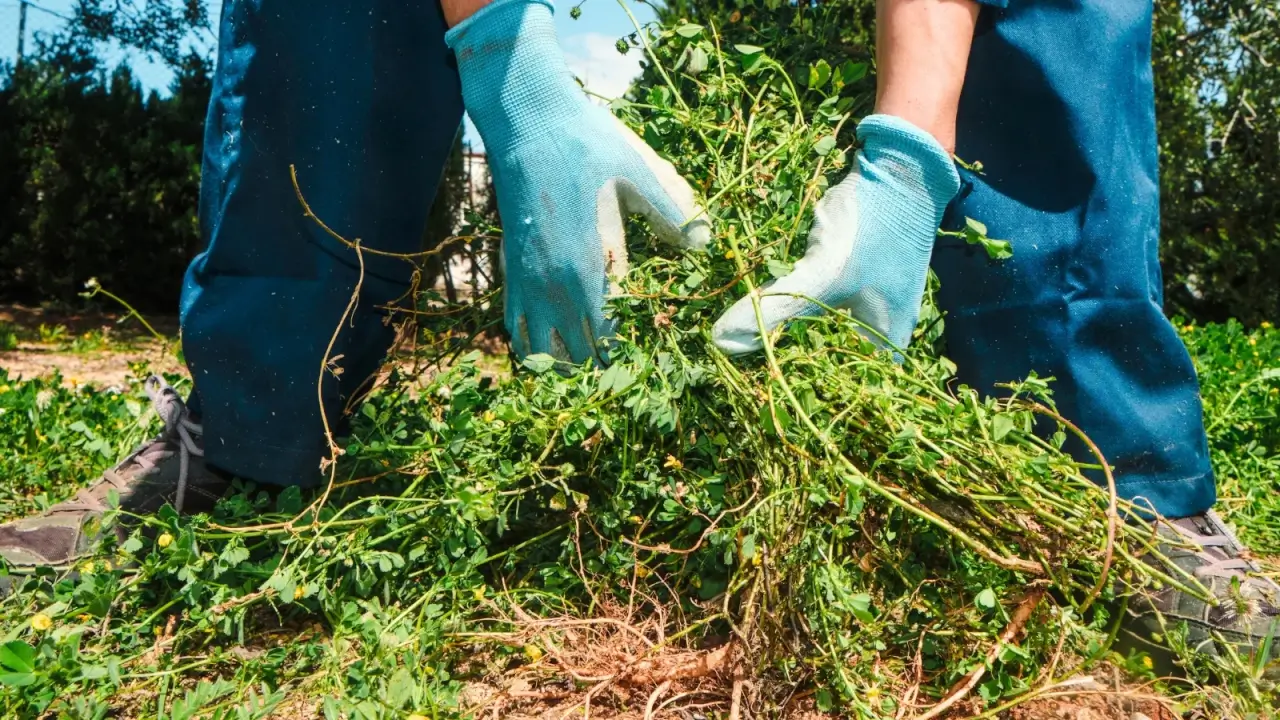
Many producers employ a "chop and drop" method: they allow cover crops to grow between rows to a certain height, then crimp or mow them back into the soil. This organic matter decomposes, reintroducing carbon and minerals into the topsoil. This is particularly vital on sloped land, where erosion can carry away precious topsoil during heavy rainfall.

Beyond simple nutrient replenishment, certain interseeded species are capable of bio-remediation. Specialized plants can absorb heavy metals or residual toxins from the soil, effectively "cleaning" the plot for future seasons. This ensures that the farm remains productive not just for the next year, but for the next generation.
5. Cultivating Biodiversity and Integrated Pest Management (IPM)
The final, and perhaps most critical, impact of interseeding is the reintroduction of biodiversity into the agricultural landscape.
Designing for Beneficials
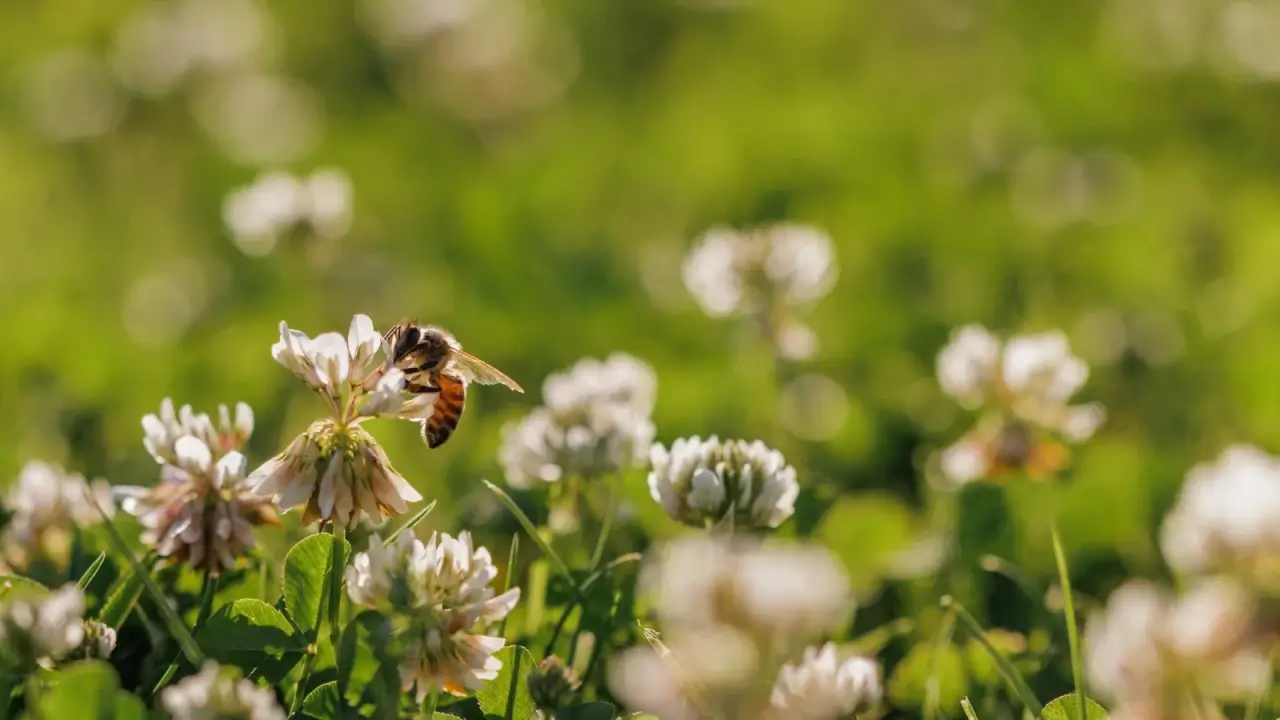
Monocultures are essentially biological deserts that offer no refuge for beneficial insects. By seeding flowering plants—specifically those with compound blooms, like umbellifers—farmers can invite a "police force" of parasitic wasps, hoverflies, and lady beetles into their fields. These insects provide free, natural pest control by preying on aphids and other agricultural pests.

The choice of plants matters. Bees are particularly drawn to blue and purple flora, while nocturnal moths favor white blooms. By consulting with local native plant societies, farmers can tailor their interseeding strategy to attract the specific pollinators and predators native to their region. This is the cornerstone of a truly modern, integrated approach to agriculture.
Chronology: The Evolution of Interseeding
- Pre-Industrial Era: Intercropping was the global standard, from the "Three Sisters" (corn, beans, squash) of Indigenous North American agriculture to the complex rice-fish systems of Southeast Asia.
- Mid-20th Century: The "Green Revolution" prioritized synthetic inputs and vast monocultures, causing the practice of interseeding to decline in favor of standardized, machine-friendly rows.
- Early 21st Century: Rising input costs and a growing awareness of soil degradation sparked a resurgence in regenerative agriculture, with interseeding gaining traction as a key tool for climate-resilient farming.
- 2025 and Beyond: With advanced sensing technology and precision planting equipment, farmers are now able to interseed at scale, using GPS-guided machines to manage complex multi-species fields with ease.
Supporting Data and Implications
Recent agricultural research indicates that farms utilizing diverse interseeding strategies report a 15–30% increase in soil organic matter over a five-year period. Furthermore, the reduction in synthetic fertilizer and pesticide expenditures often leads to a significant improvement in net farm income.
The implications for the food system are clear. By moving away from the fragile, chemical-dependent monoculture model, the agricultural sector can move toward a more resilient, localized, and productive future. Interseeding is not merely a farming technique; it is a fundamental shift in how we relate to the land—viewing the field not as a factory floor, but as a living, breathing ecosystem.
As the global food system faces the dual pressures of a changing climate and a growing population, the integration of these "companion" methods is no longer optional. It is a necessary evolution for the survival and prosperity of the modern farmer.


 Evan Lee Salim