



 Pevita Pearce
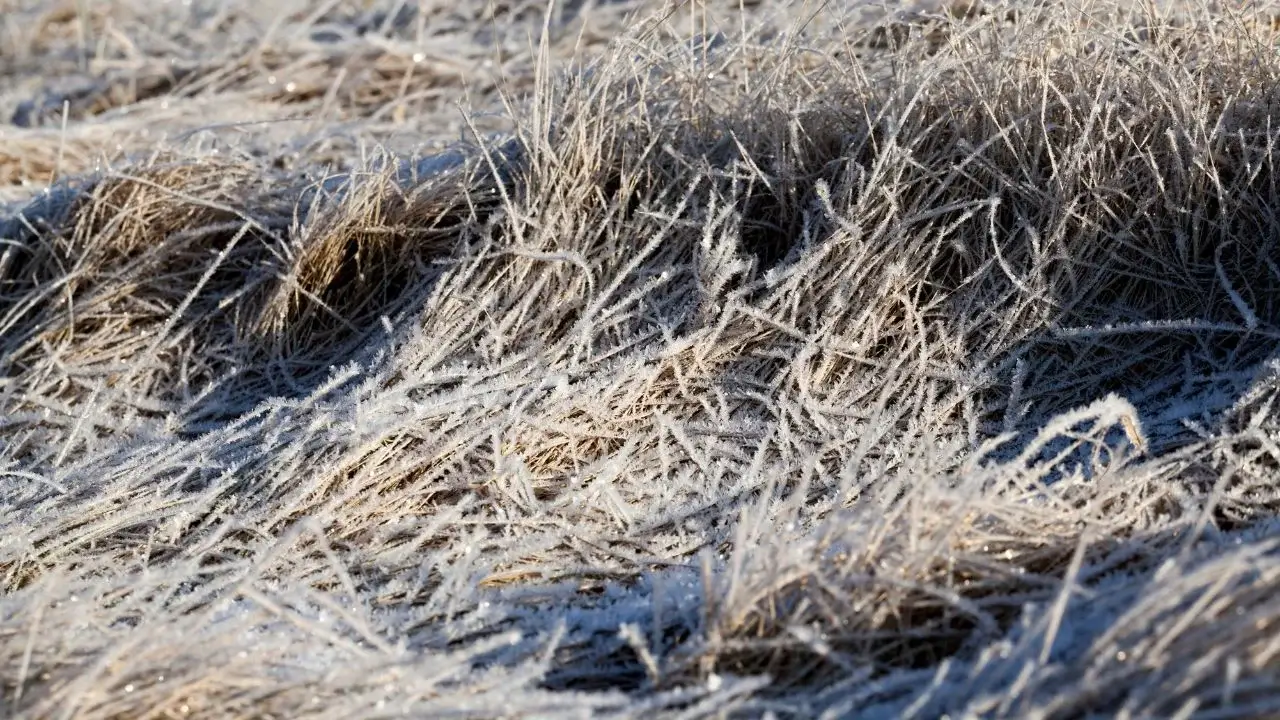
As the frost retreats and the first signs of spring emerge, farmers across the country face a pivotal management decision: the termination of winter cover crops. This process is far more than a simple chore of clearing the fields; it is a strategic maneuver that determines the success of the upcoming growing season. When executed correctly, termination preserves the vital organic matter and nutrients captured over the winter. When rushed or mismanaged, it can lead to stunted cash crops, moisture depletion, and the undoing of months of soil-building efforts.
For the modern grower, the choice of termination method is a delicate balance of climate, crop choice, and machinery availability. Understanding the nuance between mechanical, chemical, and biological termination is essential to maintaining the regenerative gains made during the dormant season.
The Strategic Importance of Timing and Context
The primary goal of cover cropping is to protect the soil, capture nitrogen, and suppress weeds. However, the benefits of these plants—such as cereal rye, crimson clover, or hairy vetch—must be carefully transitioned into a "mulch" or incorporated into the soil structure at the precise moment to avoid competition with the upcoming cash crop.
Managing Moisture and Pest Pressures
Context is the deciding factor in timing. If you are operating in an arid region or facing a dry spring, the cover crop acts as a thirsty competitor. In these conditions, it is best practice to terminate the crop at least two weeks before planting your cash crop. This buffer allows the soil moisture to stabilize and prevents the cover crop from "wicking" water away from germinating seeds.
Conversely, in regions where moisture is abundant, many farmers utilize "planting green"—the practice of sowing cash crops directly into the standing cover crop and terminating it shortly after the new plants emerge. This provides a living mulch that continues to suppress weed germination while protecting young seedlings from spring winds. If pest pressure is your primary concern, industry experts generally recommend terminating three to four weeks before planting to break the life cycles of insects that may be harboring in the cover crop biomass.
The Golden Rule: Prevent Seed Formation
Regardless of the method, there is one universal rule: terminate before the cover crop goes to seed. Once a plant shifts its energy from vegetative growth to seed production, its carbon-to-nitrogen (C:N) ratio changes, and it becomes significantly harder to manage. Furthermore, allowing a cover crop to drop seed turns a beneficial soil amendment into a persistent weed problem.
Mechanical Termination: Precision and Biomass Retention
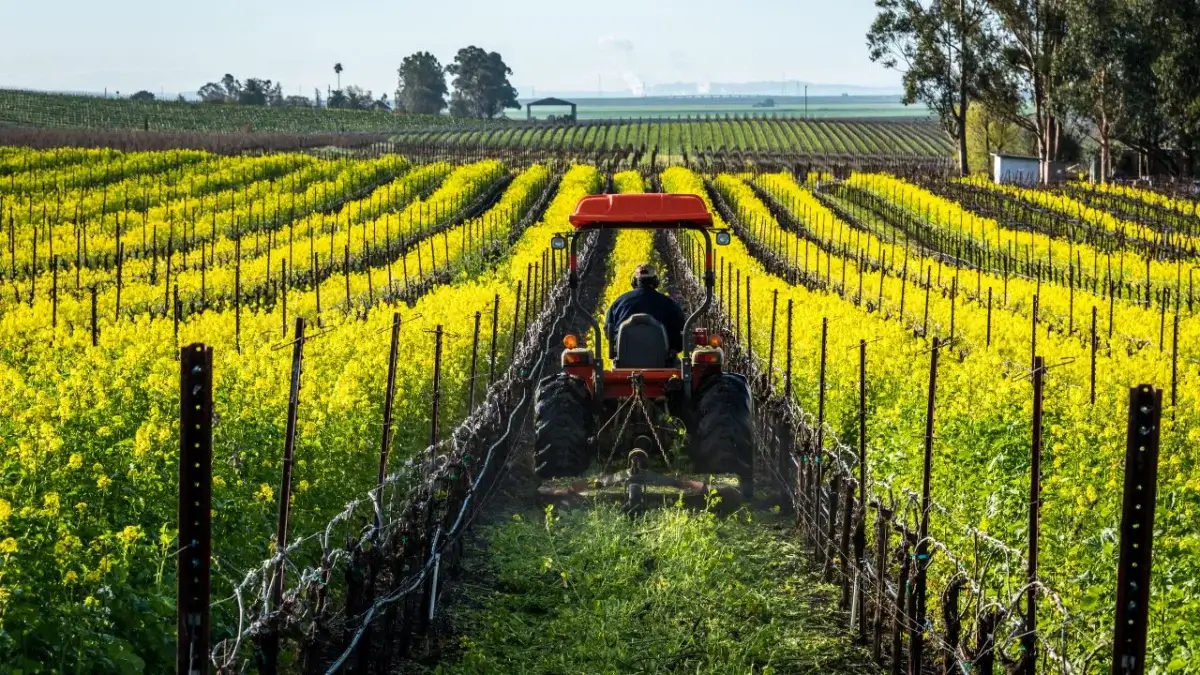
Mechanical methods are preferred by organic growers and those seeking to avoid synthetic herbicides. Each mechanical approach offers a unique set of trade-offs regarding soil disturbance and biomass management.
Mowing: The "Chop and Drop"
Mowing is perhaps the most accessible method for small-to-medium-scale operations. By cutting the crop as close to the ground as possible, farmers can kill the plants while leaving the root systems intact. These roots remain in the soil, slowly decomposing and creating channels for water infiltration and microbial activity.
- Best Practices: Utilize a flail mower or a mower with multiple blades to ensure the plant matter is shredded into smaller pieces. Smaller particles decompose faster, providing a more immediate nitrogen release.
- Ideal Candidates: Barley, cereal rye, and vetch respond well to mowing, especially when it is timed to coincide with the onset of flowering.
Roller Crimping: The Gold Standard for No-Till
Roller crimping has revolutionized no-till farming by effectively "killing" the crop without disturbing the soil structure. A heavy, drum-like implement with chevron-shaped blades flattens the crop and crimps the stem at multiple points. This disrupts the vascular system of the plant, causing it to die while leaving a thick, uniform mat of mulch on the soil surface.
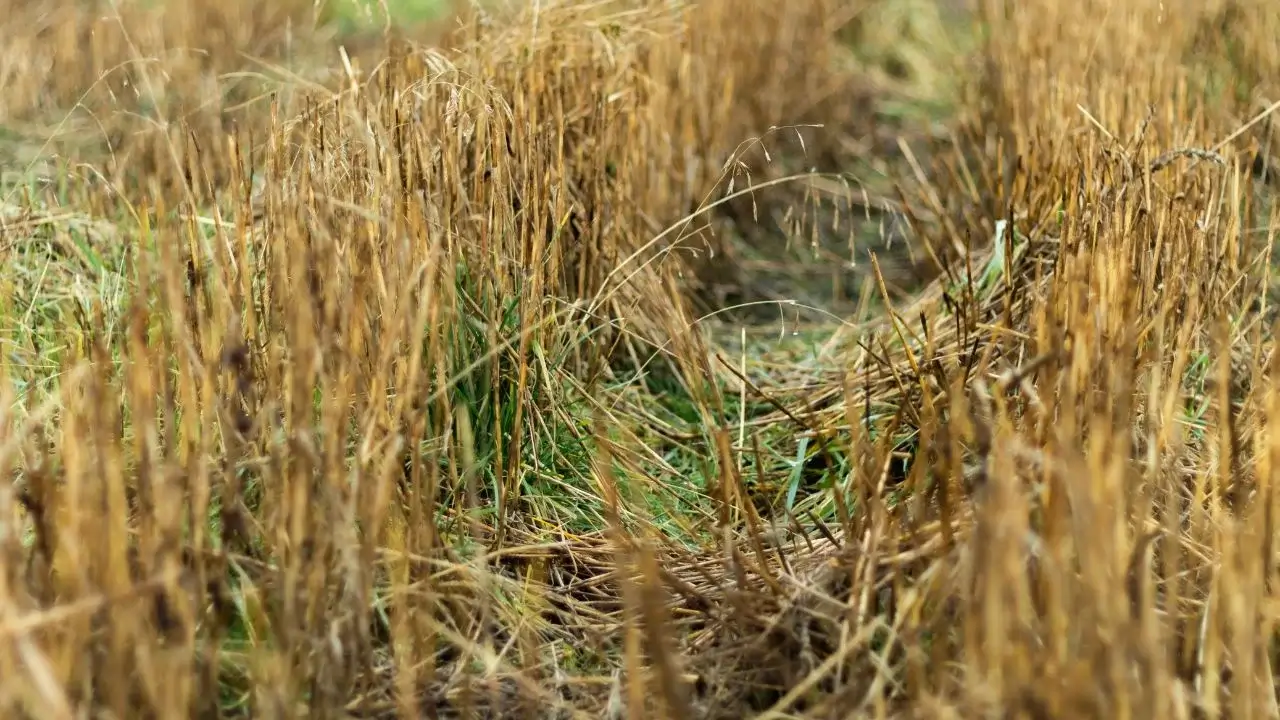
This mat serves as a natural weed barrier and helps regulate soil temperature. However, success depends on timing. The crop must be at the "anthesis" or early flowering stage. If crimped too early, the plant may simply spring back up; too late, and the plants may have already set seed.
Natural and Biological Termination
For some, the climate provides the most efficient termination tool.
Harnessing Winterkill
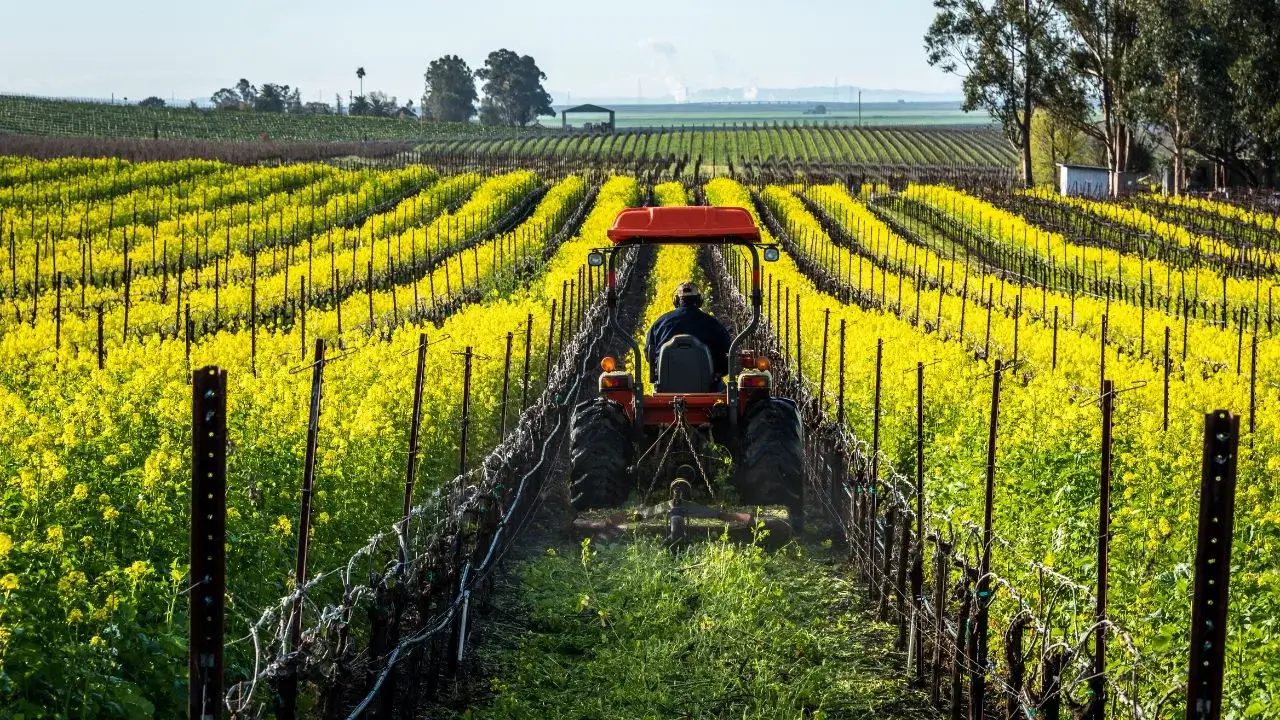
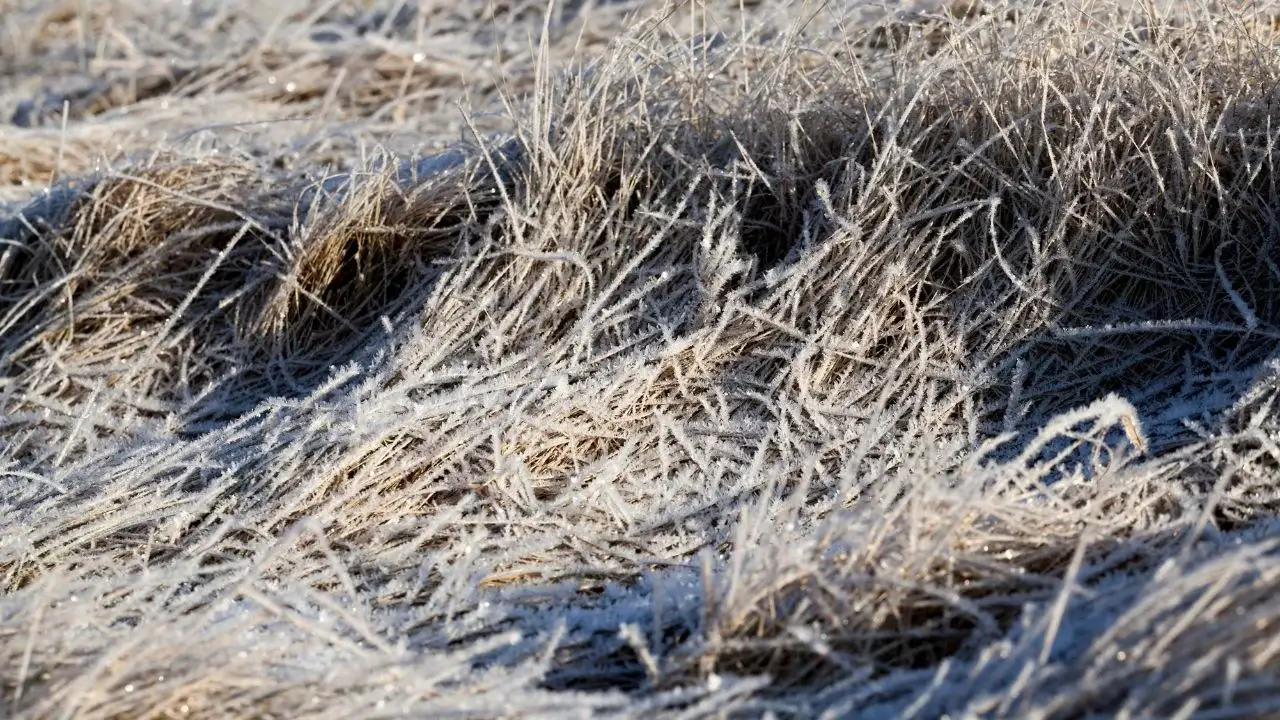
In northern latitudes, the most sustainable termination method is the one provided by nature. By selecting cold-sensitive species, farmers can allow the winter freeze to do the work for them. Oilseed radish, buckwheat, and field peas are excellent examples of crops that will naturally perish in extreme cold.
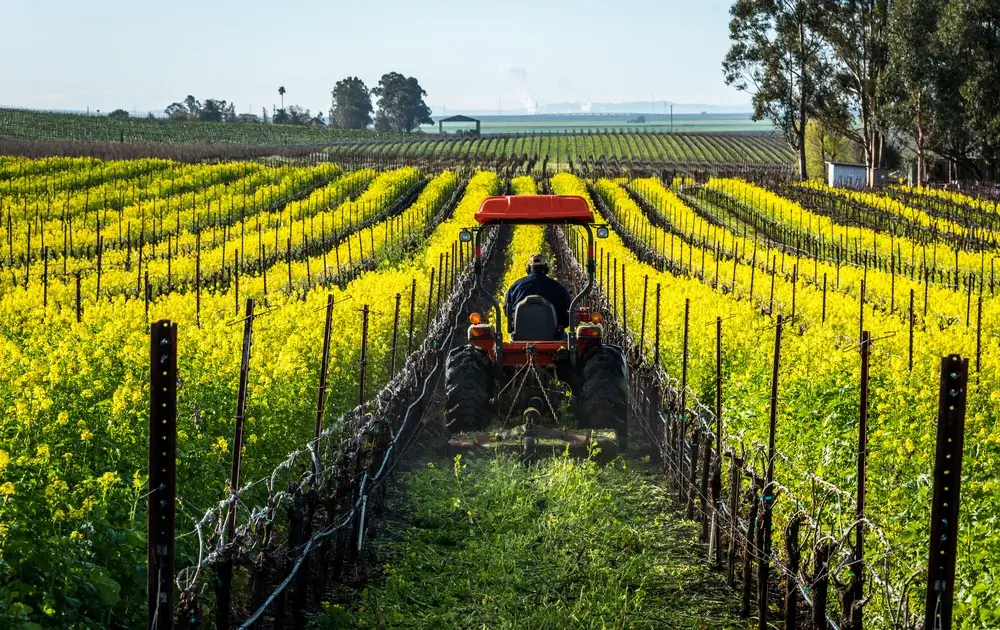
- The Implication: This method leaves the soil covered throughout the winter, but it requires careful planning in the summer to ensure these crops reach their full vegetative potential before the first hard freeze.
- The Warning: One downside of relying on natural kill is the absence of living roots during the early spring. Without active root systems, some fields may become prone to erosion during the spring thaw, particularly if the residue mat is not thick enough.
Managed Grazing: The Biological Approach
For livestock-integrated farms, grazing is an effective, profitable way to manage cover crops. Allowing cattle or sheep to consume the cover crop effectively terminates it while cycling nutrients back into the soil through manure.
- Stocking Density: To ensure the crop is effectively killed, farmers should aim for high-density grazing. This encourages uniform consumption and prevents selective grazing where only the most palatable parts of the plant are eaten.
- Health Hazards: Farmers must remain vigilant about nitrate toxicity. Under cloudy, cool, or drought-stressed conditions, certain cover crops can accumulate nitrates that are fatal to livestock. Always test your forage before turning the herd out onto a new field.
The Tillage Dilemma
While tillage remains a traditional method for terminating cover crops, it is increasingly viewed as a "last resort" in regenerative systems. Tilling kills the plant by uprooting it, which is highly effective for aggressive, late-season cover crops like winter rye. However, it destroys the soil structure that the cover crop worked all winter to build.
Tillage accelerates the oxidation of organic matter, meaning the very carbon you captured during the winter is released back into the atmosphere as CO2. If tillage must be used, it should be followed immediately by planting to minimize the time the soil remains bare and vulnerable to erosion.
Implications for Soil Resiliency
The transition from a dormant cover crop to an active cash crop is a critical juncture in the farm’s annual cycle. The goal of any termination strategy should be the preservation of soil biomass. This biomass acts as a sponge, holding water during droughts and preventing runoff during heavy rains.
Moving Toward a Systemic Approach
Farmers should view their termination strategy as part of a larger, multi-year plan. If you are struggling to terminate a specific crop, it may not be the method that is at fault, but rather the choice of seed or the timing of the initial planting. Many of the difficulties encountered in spring are actually "baked in" during the previous autumn.
The Role of Technology and Research
As modern agriculture faces increasing climate volatility, the focus has shifted toward "climate-smart" termination. Research institutions, such as the North Carolina State University extension, emphasize that there is no "one-size-fits-all" solution. Farmers are encouraged to utilize local data and extension services to tailor their termination programs to their specific soil types and local micro-climates.
Conclusion: A Path Forward
The management of winter cover crops is a testament to the sophistication of modern farming. By moving away from a reliance on broad-spectrum herbicides and embracing mechanical and biological alternatives, farmers are not only reducing their overhead costs but are also actively participating in the restoration of their land’s health.
Whether you choose the precision of a roller-crimper, the natural efficiency of winterkill, or the biological synergy of managed grazing, the ultimate goal remains the same: to create a productive, resilient ecosystem. By viewing termination as an opportunity to build, rather than just a way to destroy, farmers can ensure that their soil gains are preserved—and compounded—for generations to come.
As you plan your spring activities, remember that every acre is unique. Observe your fields, monitor your soil moisture, and remain flexible. The most successful farmers are those who treat the termination of their cover crops as a living dialogue with their land, adjusting their methods to match the specific conditions of each passing season. By doing so, they secure not only the yield of the next harvest but the longevity of the farm itself.


 Evan Lee Salim

 Asep Darmawan





