



 Ammar Sabilarrohman
As the North American landscape begins to thaw, April emerges as the most critical month in the agricultural calendar. For market farmers and home growers alike, this is the period where planning transitions into action. The success of a season—measured in both revenue and yield—hinges on a precise, well-executed seed-starting regimen. Whether you are operating a multi-acre commercial operation or a family garden, understanding the dichotomy between direct sowing and indoor propagation is the key to maximizing your harvest.
The Strategic Importance of the April Calendar
April is a bridge between the dormancy of winter and the explosive growth of summer. However, it is also a time of environmental volatility. Regional climates dictate the pace of growth; while growers in the Deep South may already be harvesting their first fruits, those in northern climates are still navigating the risks of late-season frost.
The primary objective for any farmer this month is to align their planting schedule with their local "last frost" date. This date is not merely a suggestion; it is the fundamental metric that determines whether a plant will thrive or succumb to the elements. By categorizing crops based on their tolerance to cold and their sensitivity to root disturbance, farmers can build a resilient, high-yielding garden.
Understanding the Climate-Crop Relationship
Successful seed starting requires a nuanced understanding of plant biology. Certain crops, particularly those with delicate root systems, are biologically programmed to prefer direct sowing. Transplanting these species often leads to "transplant shock," which can stunt growth, delay maturity, or kill the plant entirely.
Conversely, indoor starting offers a controlled environment that protects vulnerable seedlings from erratic spring weather, soil-borne pests, and early-season temperature fluctuations. It also allows for a longer growing season, which is essential for crops that require a long maturity window, such as heirloom tomatoes, large melons, and certain annual flowers.
Direct Sowing: Respecting the Roots
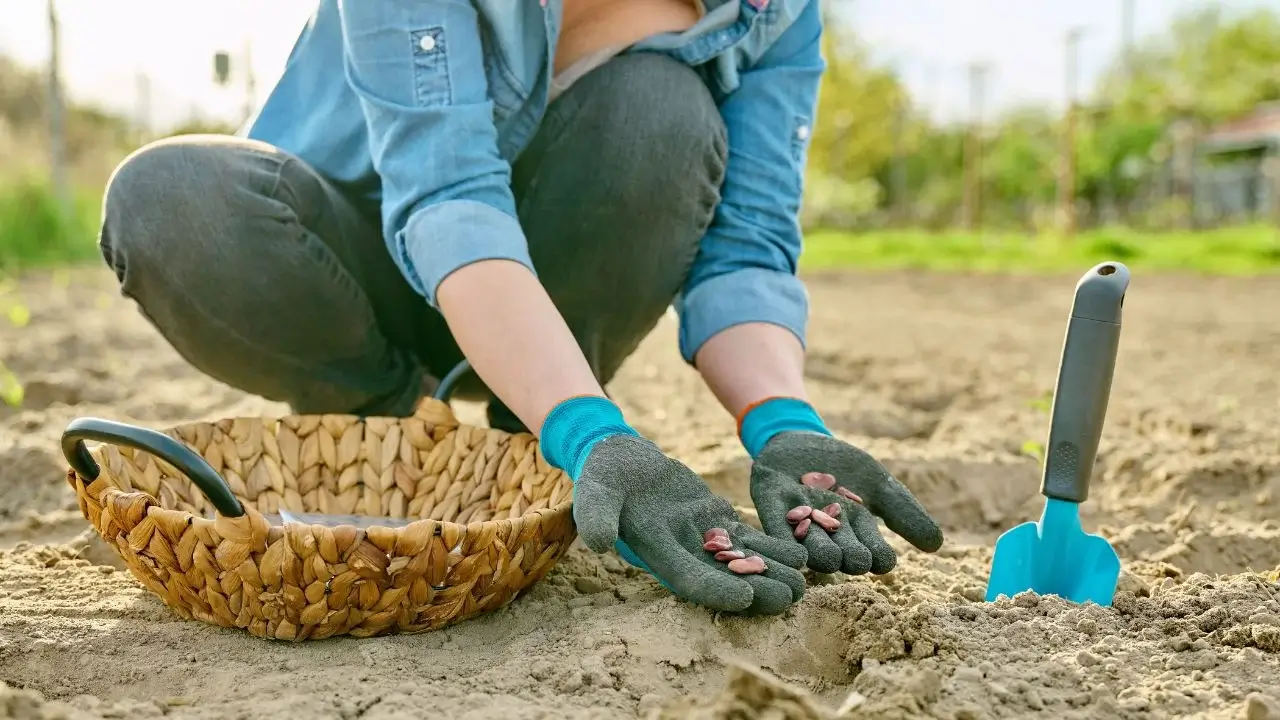
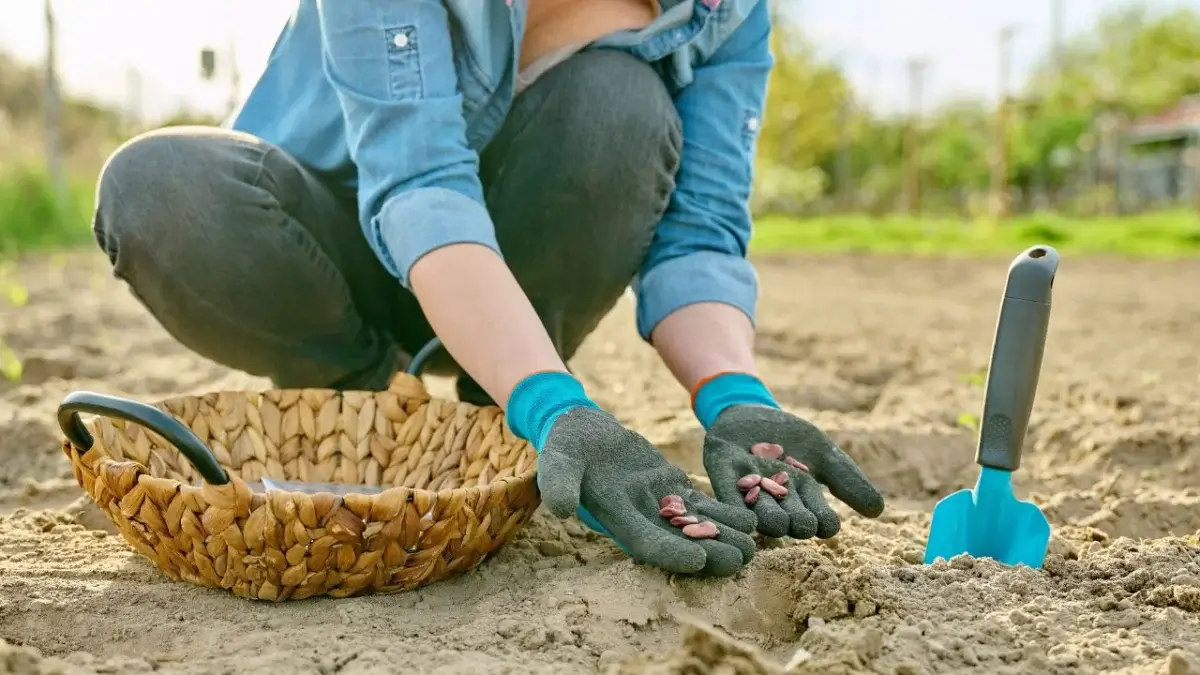
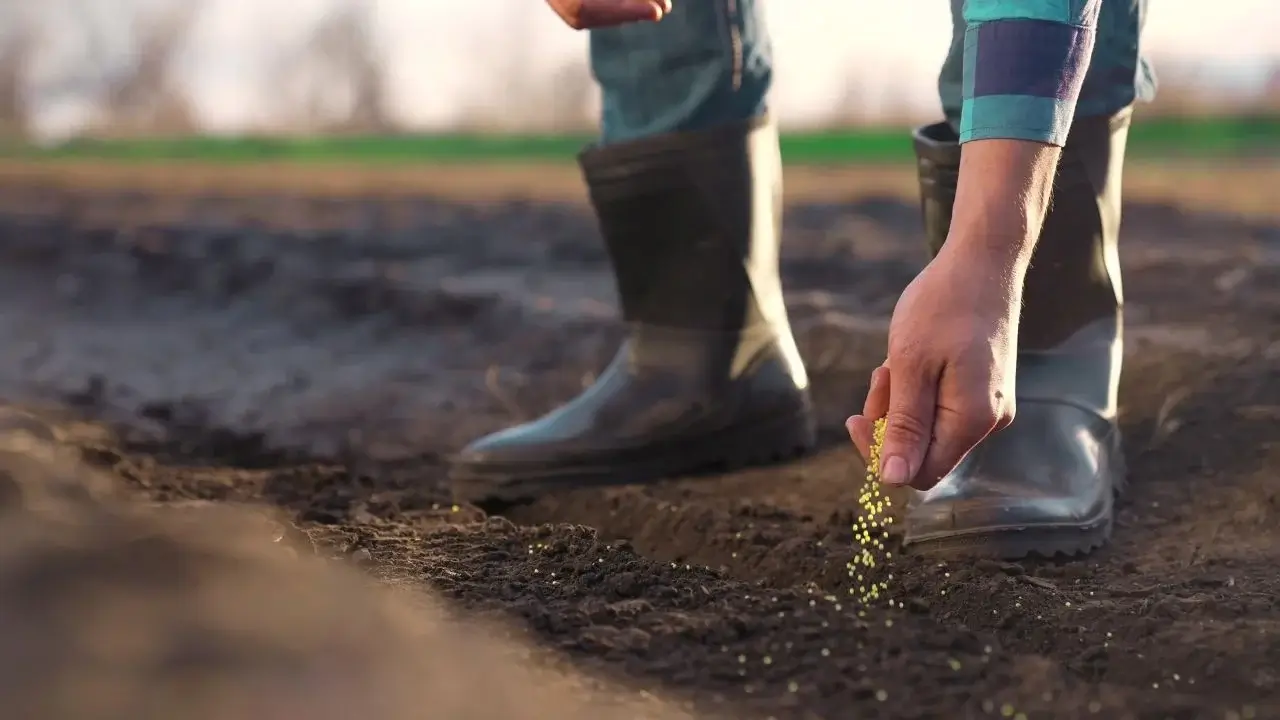
Direct sowing involves placing seeds directly into their permanent growing location. This method is the gold standard for crops that dislike root disturbance or those that grow so quickly that transplanting would be counter-productive.
1. Peas: The Cool-Weather Staple
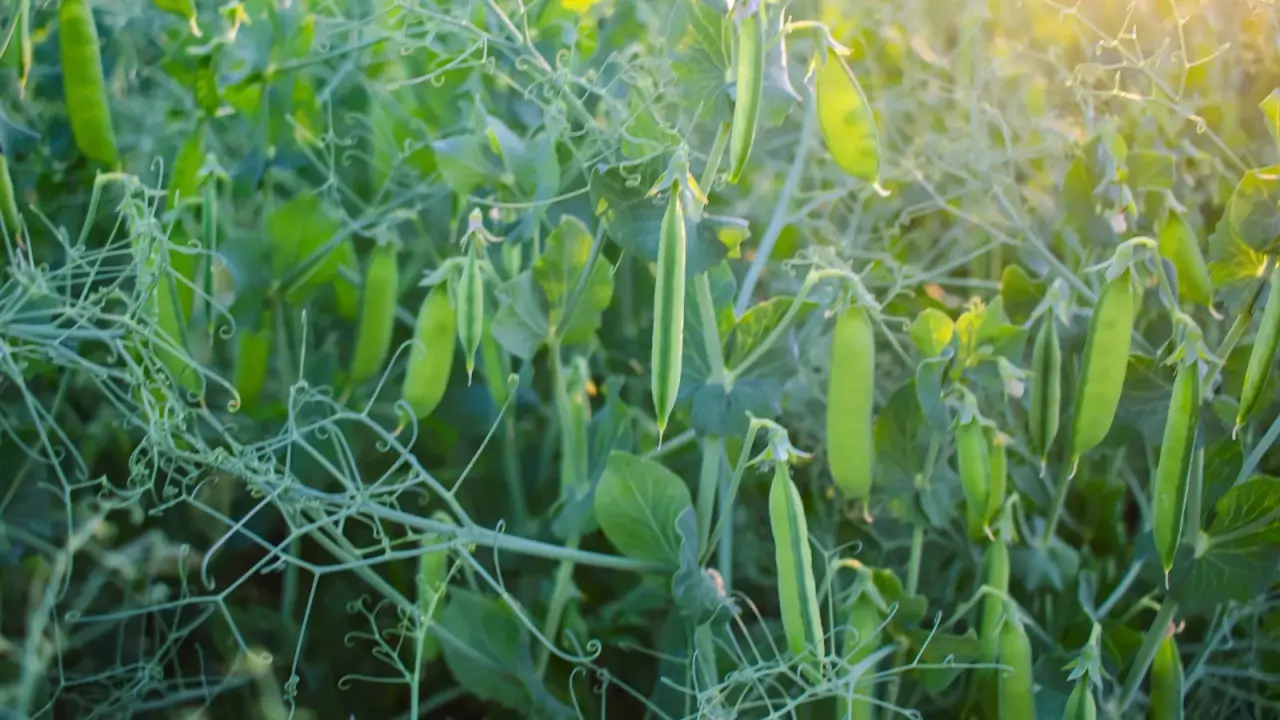
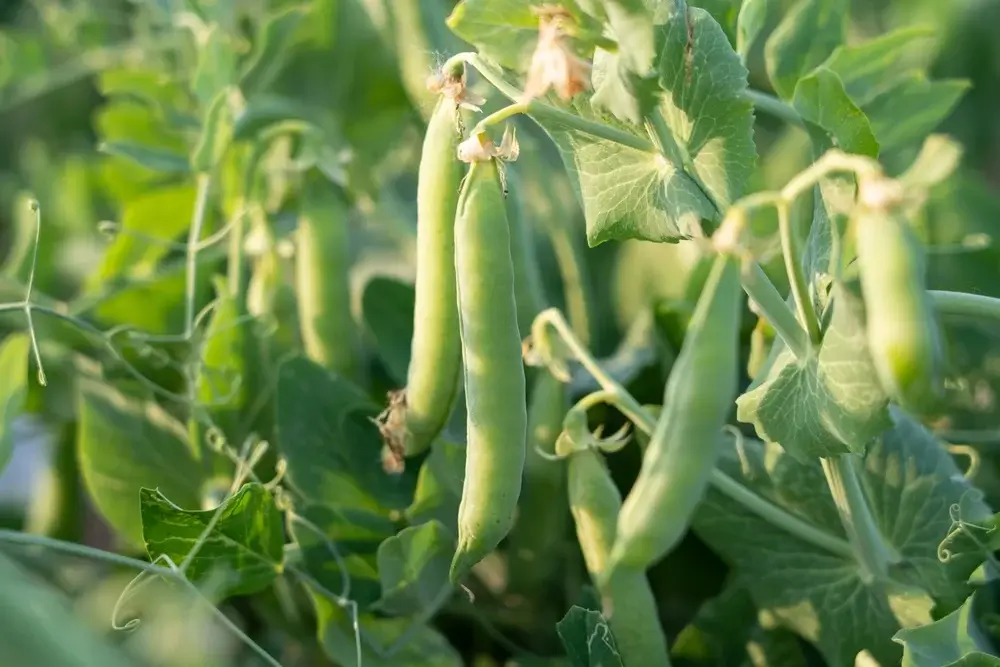
Peas are the quintessential April crop. To ensure optimal germination, soaking pea seeds in water overnight before planting is a time-tested technique that softens the seed coat. For growers in colder regions, snow peas can be sown as soon as the ground is workable, typically when temperatures reach 40°F (4°C). While sugar snap and shelling peas are popular, they all share a preference for rich, well-draining soil and a need for physical support.
2. Radishes: The Speed Demons
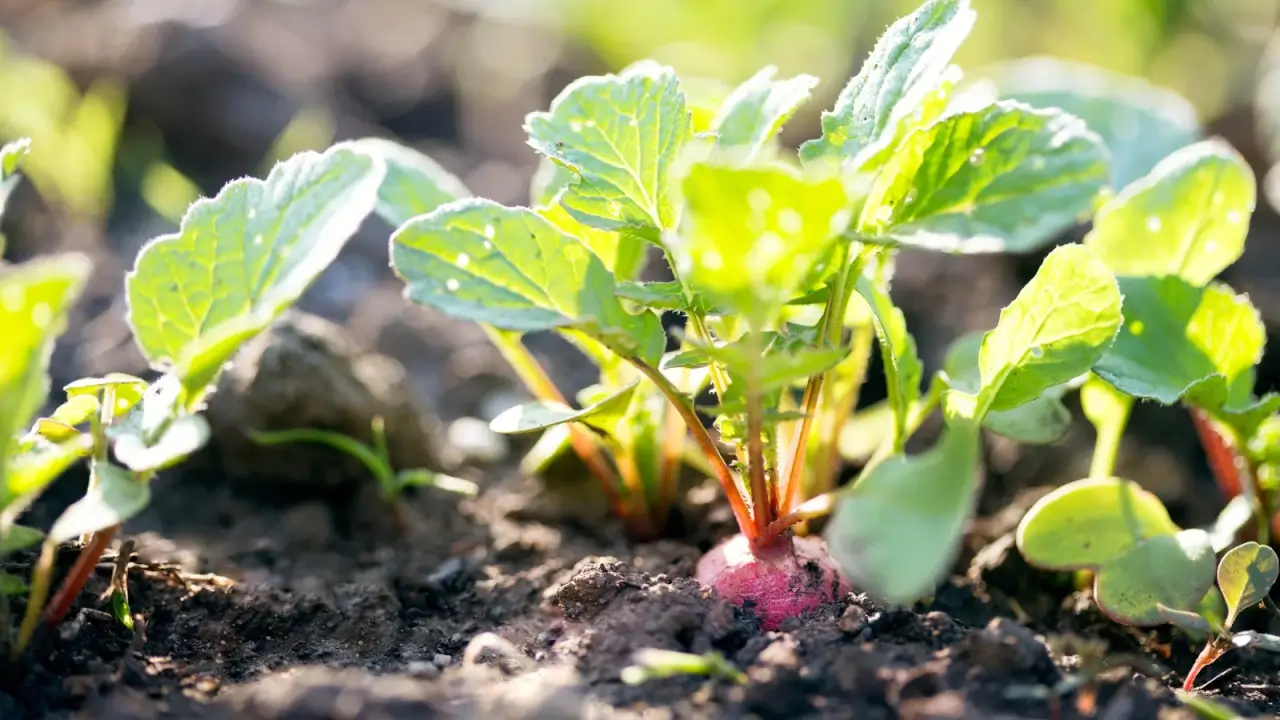
Radishes are the most forgiving of the April crops. Because they thrive in cool soil, they can be planted even while frost warnings remain in effect. For gardeners looking for a rapid turnaround, varieties like ‘Easter Egg’, ‘French Breakfast’, and ‘Cherry Belle’ reach maturity in roughly 30 days. For those in regions where spring is long and cool, larger varieties such as Black Spanish or Daikon radishes are excellent choices.
3. Beans: Timing the Frost
Beans represent a shift in the planting strategy. While most legumes are sensitive to cold, they are a primary candidate for April sowing once the danger of frost has passed. Climbing and shelling beans generally require a two-month maturation window, while heat-loving varieties like cowpeas may need three months. Farmers in regions where the frost window is closing should prioritize these to ensure the crop has enough time to thrive before the height of summer.
4. Spinach: The Frost-Lover
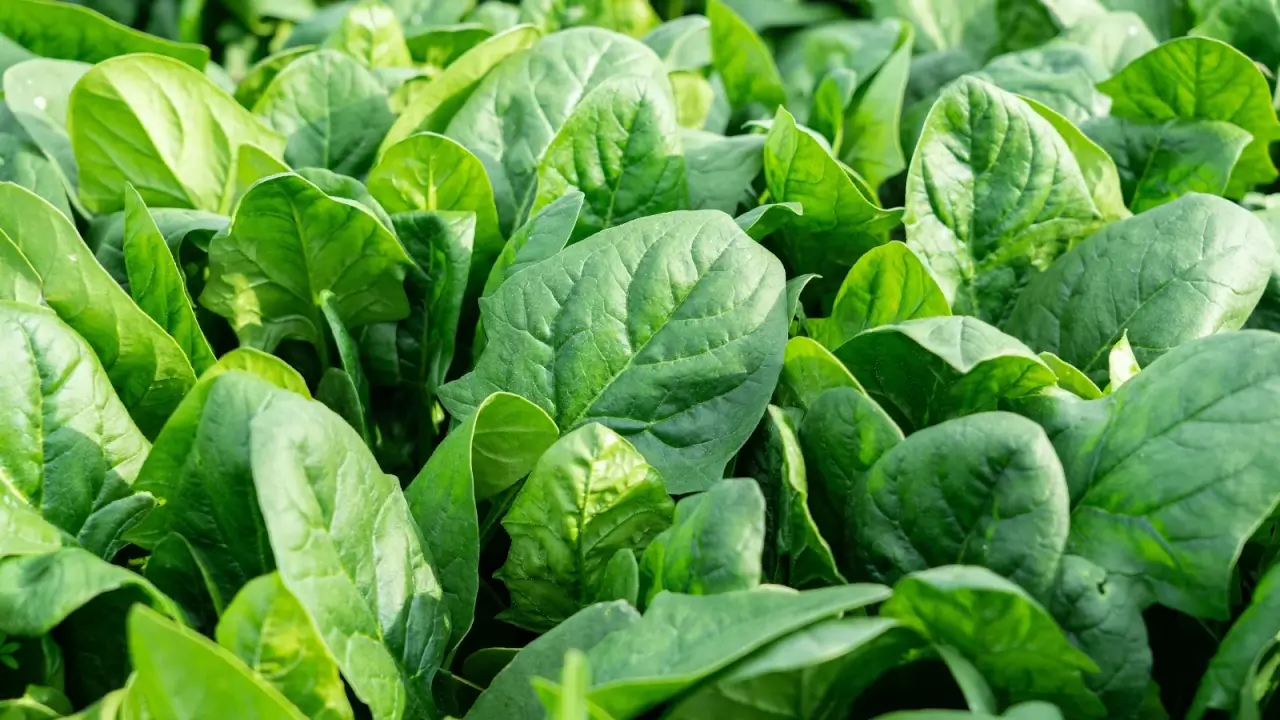
Spinach is uniquely suited for early spring. It not only tolerates the cold but often thrives when exposed to a "kiss of frost." Dense planting is highly recommended for spinach, as it helps create a microclimate that retains warmth. Varieties such as ‘Matador’ and the savoy-leafed ‘Bloomsdale’ are particularly resilient against the erratic weather conditions common in April.
Indoor Propagation: Engineering a Head Start
Starting seeds indoors provides a competitive advantage. By moving the germination process to a protected environment, farmers can ensure that their plants are already mature, robust, and ready to hit the ground running as soon as the soil warms.
1. Melons: The Long-Season Challenge
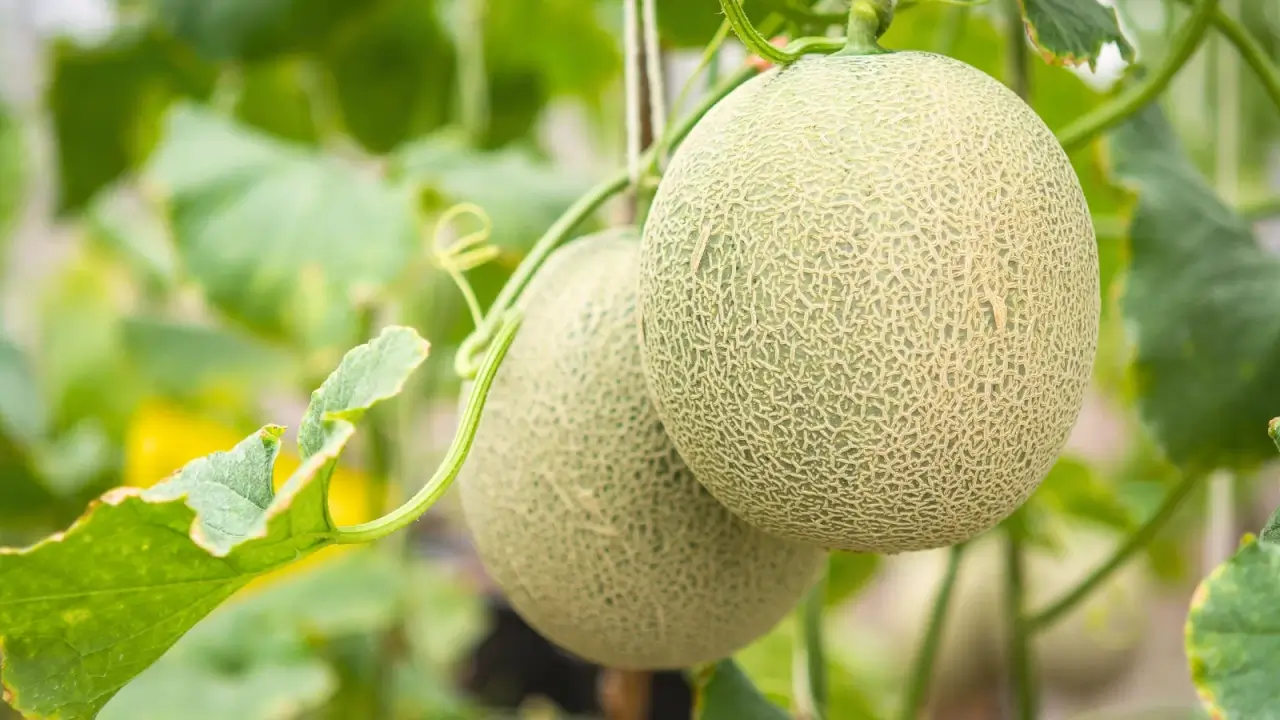
Melons are a high-value crop, but they are notorious for their long growing cycles. Large watermelons can require four to five months to reach full maturity. By starting these indoors in April, growers can circumvent the limitations of a short summer. Even smaller, fast-maturing melons like ‘Minnesota Midget’ benefit from the stability of indoor trays, allowing for a significantly earlier harvest.
2. Corn: Challenging the Conventional Wisdom
While traditional agriculture dictates that corn should be direct-sown to avoid root disturbance, modern techniques have made indoor starting viable. By using deep, biodegradable trays that allow for extraction with minimal root impact, farmers with limited acreage can effectively manage their space. This method is particularly useful for specialty varieties like ‘Glass Gem’ or popcorn, which require consistent conditions to reach their potential.
3. Annual Flowers: Pollination and Aesthetics
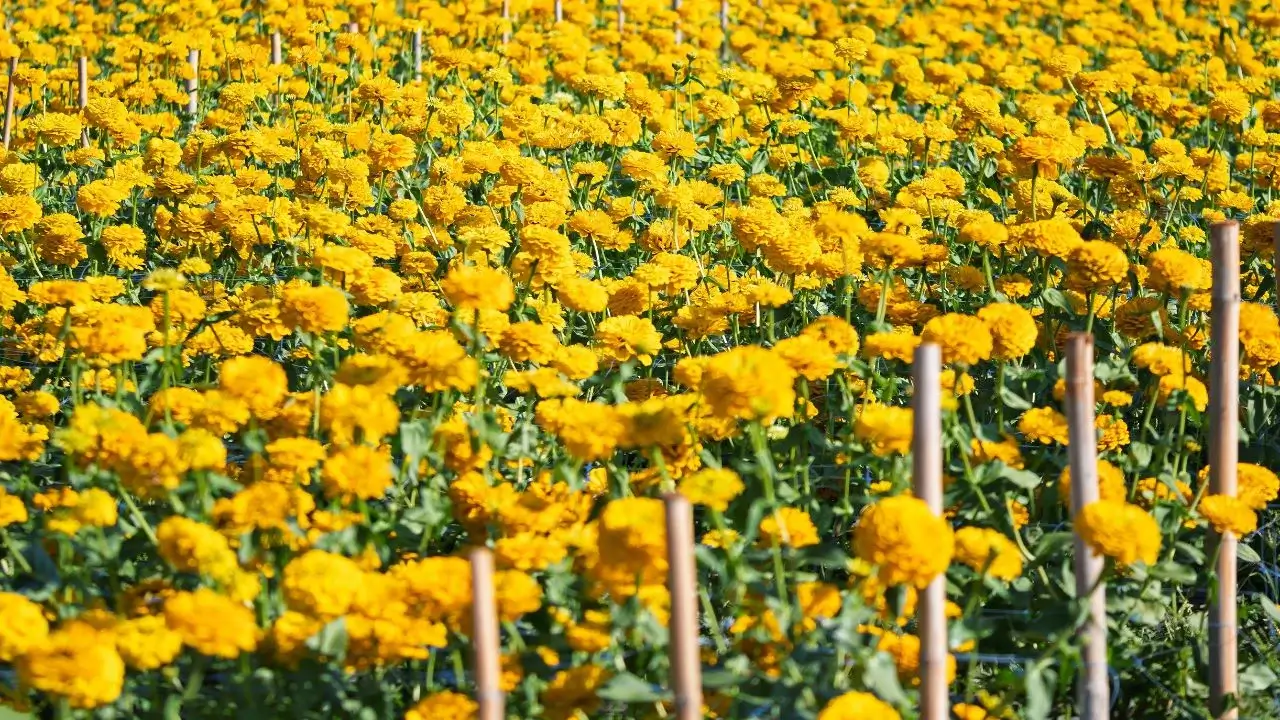
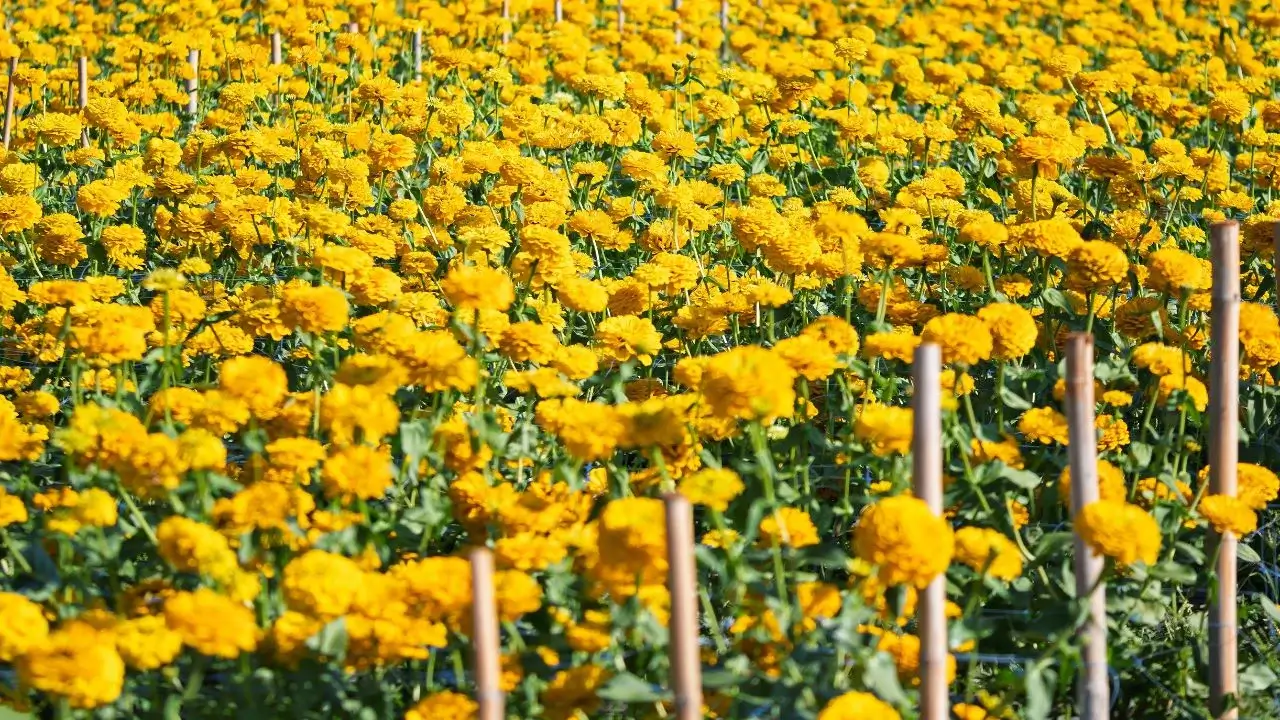
Flowers like zinnias, cosmos, and marigolds serve a dual purpose: they are aesthetically pleasing and essential for attracting pollinators to the farm. In colder regions, starting these indoors ensures that they bloom early and consistently throughout the season. Snapdragons, in particular, are highly responsive to indoor starting, providing a sturdy base that can be transplanted once the threat of heavy frost subsides.
Supporting Data and Best Practices
To achieve the best results, farmers must pay attention to more than just the seed packet.
- Soil Temperature: For flowers like zinnias, ensure that your growing medium is at least 70°F (21°C). If the soil is too cold, germination rates will plummet, leading to uneven stands.
- Light Requirements: Indoor seedlings require significant light exposure—typically 12 to 16 hours a day—to prevent them from becoming "leggy" or weak.
- The Hardening-Off Process: One of the most common mistakes in April is moving plants from the indoors to the field too quickly. A gradual "hardening-off" period, where plants are exposed to outdoor conditions for increasing amounts of time over a week, is mandatory to prevent transplant shock.
Implications for Modern Farming
The shift toward calculated seed starting reflects a broader move toward efficiency in agriculture. By choosing the right method—direct sowing vs. indoor propagation—farmers can significantly reduce waste, minimize the use of pesticides (as stronger plants are more pest-resistant), and increase their overall output.
Furthermore, this planning stage is vital for financial sustainability. Market farmers who have their crops ready for transplant at the earliest possible moment gain a significant market advantage, often securing higher prices for early-season produce.
The Role of Technology and Infrastructure
The use of cold frames, hoop houses, and specialized seed-starting trays has revolutionized what is possible in April. These tools allow farmers to extend their season by weeks, effectively creating a "buffer zone" against climate instability. The integration of these technologies into a standard spring plan is no longer optional for those seeking to maximize their land’s potential.

Conclusion: A Proactive Approach
As April progresses, the decisions made in the greenhouse and the field will dictate the rhythm of the coming months. By carefully assessing which crops require the sanctuary of an indoor setup and which are better served by the natural environment of the field, farmers can build a resilient, high-yielding system.
Whether you are a seasoned professional or a backyard enthusiast, the secret to a successful April is preparation. Take the time to map out your beds, test your soil temperature, and be mindful of your local frost dates. In the world of farming, a well-planned April is the foundation upon which a bountiful harvest is built.
As we look toward the remainder of the year, remember that agriculture is a partnership with the environment. By working with the specific needs of your plants rather than forcing them into arbitrary schedules, you ensure that your farm—or garden—remains a productive and thriving ecosystem.


 Asep Darmawan
 Lina Irawan






