



 Basiran
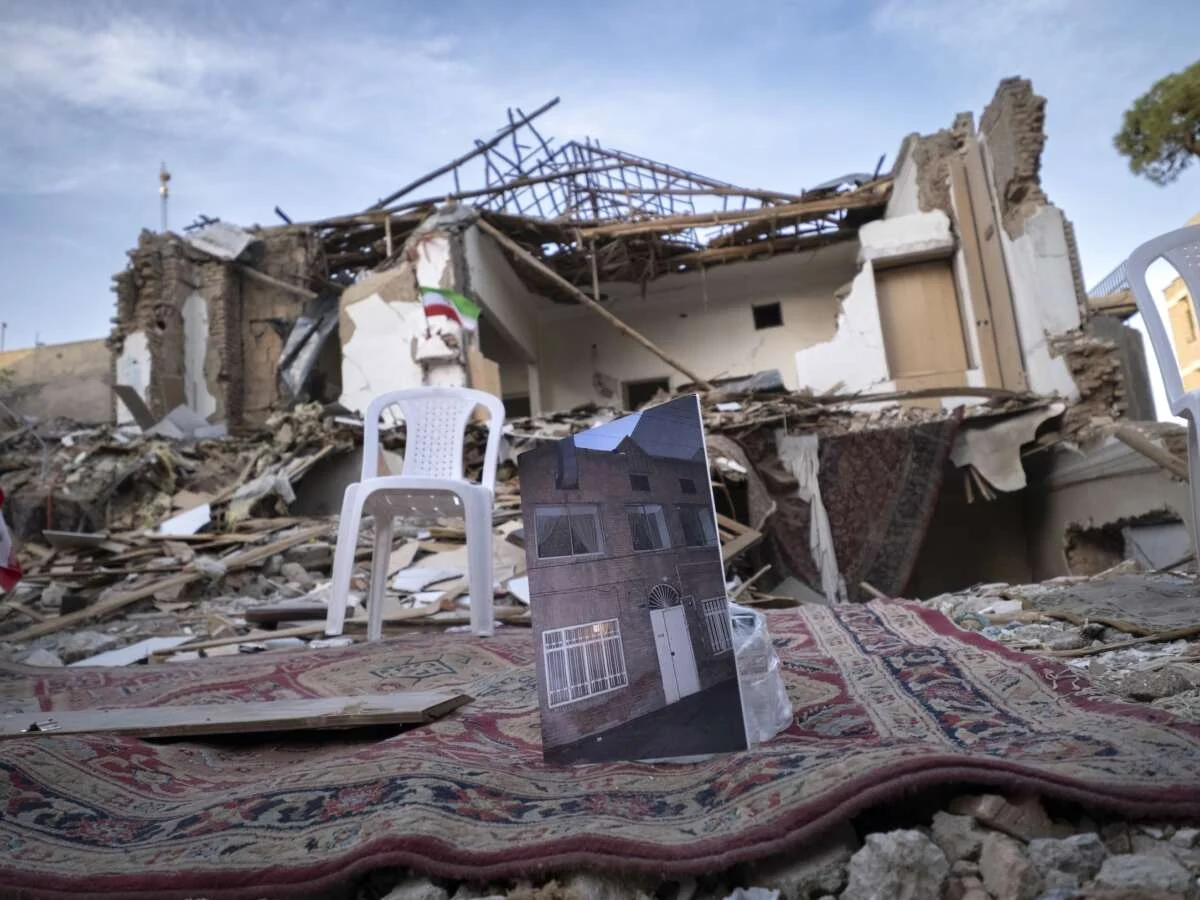
TEHRAN / WASHINGTON D.C. — A comprehensive new investigative report has illuminated the staggering scale of destruction visited upon Iran’s civilian infrastructure during the ongoing U.S.-Israeli military campaign. The findings, released Tuesday by the National Iranian American Council (NIAC), suggest a calculated pattern of targeting that extends far beyond traditional military objectives, pushing the nation’s 92 million residents toward a humanitarian catastrophe of unprecedented proportions.
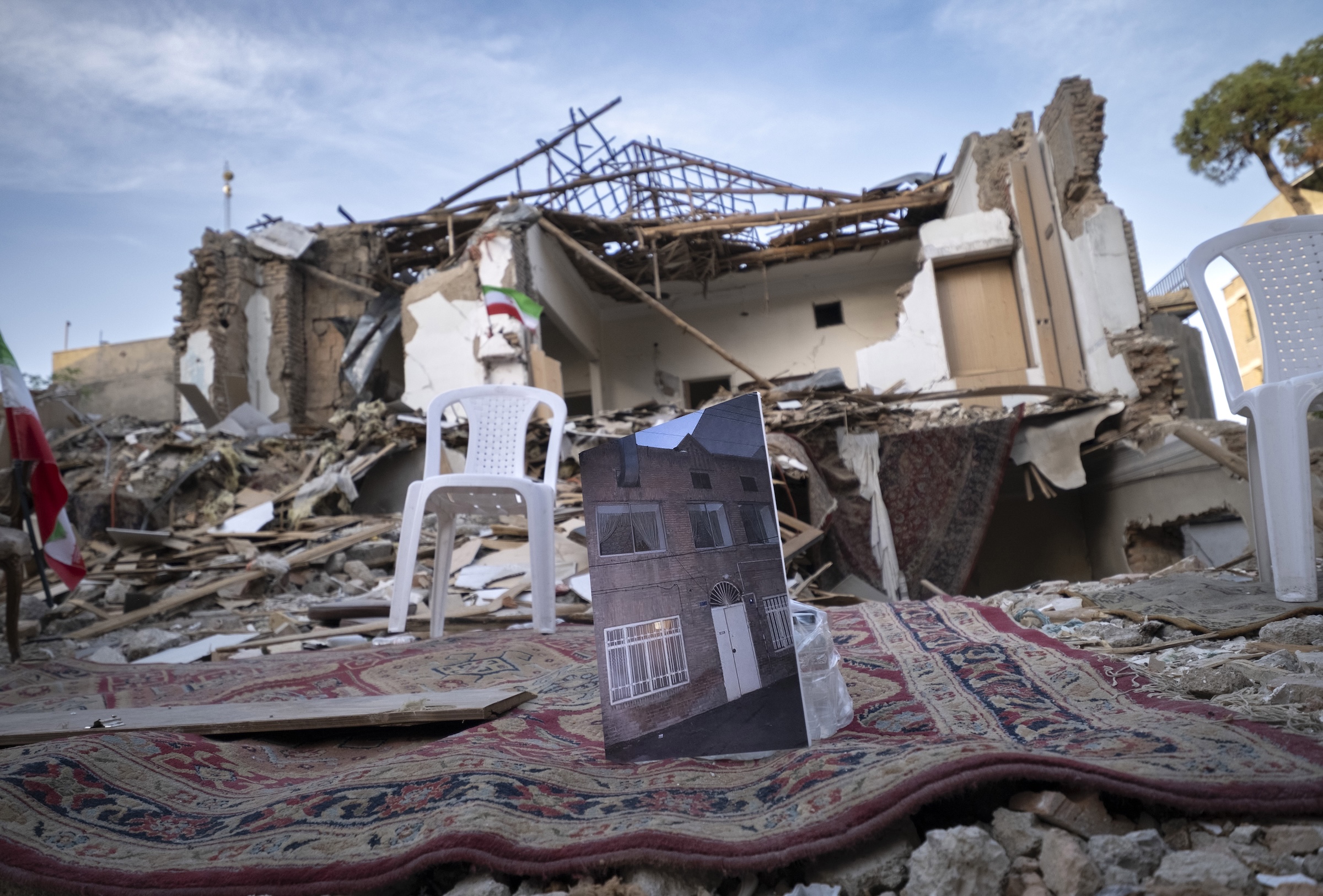
According to the NIAC analysis, which synthesized media reports, economic data, and government disclosures, the coalition’s air and missile strikes have systematically degraded the systems essential for modern life. From the complete destruction of international airports to the shattering of children’s oncology wards, the report paints a portrait of a nation whose social and economic fabric is being intentionally unraveled.
Main Facts: A Nation Under Siege
The scale of the damage documented as of late 2026 is immense. The NIAC report argues that the strikes represent a "pattern in which economic infrastructure was a target category itself," rather than incidental damage from strikes on military assets.
Key statistics from the report include:
- Energy and Industry: 80 energy facilities have been hit, resulting in the loss of 70% of the country’s refining throughput and 70% of its steel production capacity.
- Education: At least 1,288 schools have been damaged or destroyed, including 32 universities, effectively halting the education of millions.
- Transportation: 27 airports, 12 bridges, and two major tunnels have been rendered inoperable.
- Healthcare: Over 210 health centers have been struck, with the Iranian Red Crescent placing the figure as high as 339 facilities.
- Human Cost: The United Nations reports that as of June 2026, over 3,400 civilians had been killed, 33,000 injured, and 149,000 civilian housing units damaged or destroyed.
The report emphasizes that the consequences of these strikes are not localized. "The consequences did not remain at the strike sites," the analysis states. "They propagated through every system that connects a modern society."
Chronology of Escalation: 2026
The conflict, which has seen several waves of intensification, reached a critical fever pitch throughout the first three quarters of 2026.
- February 28, 2026: One of the most controversial incidents occurred when U.S. strikes targeted a school in Minab and a sports facility in Lamerd. A subsequent UN inquiry labeled these strikes as war crimes, noting the deaths of 123 children in the Minab incident alone.
- April 2026: Iranian officials announced that the number of medical centers hit had exceeded 200. The UN confirmed the deaths of approximately 25 healthcare workers during this period, signaling a growing crisis in the medical sector’s ability to respond to casualties.
- July 2026: The conflict entered a more aggressive phase targeting logistics and specialized care. Bushehr International Airport was completely destroyed following 13 consecutive nights of U.S. bombardment. Simultaneously, the Shahid Baghaei Hospital in Ahvaz—a critical facility for children’s cancer treatment—was rendered inoperable after nearby strikes sent shockwaves through the building, forcing the emergency evacuation of 200 critically ill children.
- August 2026: Strikes shifted toward the industrial heartland, focusing on steel and oil refining. By late August, the cumulative damage had effectively crippled Iran’s ability to export refined products or produce the materials needed for reconstruction.
- September 2026: The Trump administration further escalated the pressure by tightening the sanctions regime to "near-total" levels. This move coincided with the Iranian rial hitting a record low, sparking a domestic economic collapse that has outpaced even the physical destruction of the war.
Supporting Data: The Economic and Humanitarian Toll
The NIAC report highlights that the war is being fought on two fronts: the kinetic battlefield and the economic sphere. For the 92 million residents of Iran, many of whom were already struggling under decades of international sanctions, the 2026 conflict has brought about "daily deprivation."
The Industrial Collapse
The targeting of "dual-use" infrastructure has been a hallmark of the U.S.-Israeli strategy. By taking out 70% of the steel production capacity, the coalition has not only hindered Iran’s military manufacturing but has also ensured that the country cannot rebuild its bridges, hospitals, or schools. The loss of 70% of refining throughput has led to chronic fuel shortages, paralyzing the distribution of food and medicine.
Hyperinflation and Food Insecurity
The economic data is particularly grim. Food inflation has surged by 100%, a figure that translates to millions of families being unable to afford basic staples like bread and rice. Testimonies gathered by NIAC reveal that residents are skipping meals or eliminating meat and dairy entirely. This is compounded by the direct targeting of food-related infrastructure, such as wheat storage silos and the civilian fishing fleet in the Persian Gulf.
Labor Market Crisis
With the destruction of industrial hubs and the paralysis of the aviation and shipping sectors, over one million jobs have been lost since the start of the year. This mass unemployment, coupled with the collapse of the rial, has created a vacuum of stability, leaving the civilian population vulnerable to both the violence of the war and the structural violence of poverty.
Official Responses and War Crimes Allegations
The international community has reacted with increasing alarm to the conduct of the war. The UN Mission’s report on the February strikes in Minab and Lamerd provided the first formal documentation of war crimes, sparking a debate over the legality of the U.S. "maximum pressure" military strategy.
The U.S. Position
The Trump administration has remained defiant. In addresses to the UN General Assembly, the administration has frequently used rhetoric that critics describe as "threatening genocide," arguing that the Iranian government is responsible for the suffering of its people by refusing to capitulate to U.S. demands. Regarding the destruction of civilian infrastructure like the Bushehr Airport, U.S. officials have maintained that the presence of military assets—such as shared runways—renders the entire facility a legitimate target.
The Iranian Response
Iranian officials have characterized the campaign as "collective punishment" and a "war against the Iranian people." While acknowledging the devastating impact on their infrastructure, Tehran has also retaliated, with Iranian forces striking civilian sites in neighboring regions used by U.S. and Israeli forces. This cycle of retaliation has led to a breakdown in international norms regarding the protection of non-combatants.
Legal Scrutiny
The NIAC report notes that under international law, the "military function at one part of a shared airfield cannot license the destruction of the passenger terminal." The report further argues that because the war was waged without authorization from the UN Security Council, the legal threshold for "proportionality" and "necessity" in targeting civilian-related sites is virtually impossible to meet.
Implications: A Generation Lost to Ruins
The long-term implications of the 2026 conflict extend far beyond the eventual cessation of hostilities. The systematic destruction of 1,288 schools and 32 universities suggests a "generational setback" for Iran’s intellectual and professional development.
The Healthcare Vacuum
The damage to over 300 medical facilities, including specialized centers like the Shahid Baghaei cancer hospital, has created a healthcare vacuum that will take decades to fill. The loss of specialized equipment and the flight of medical professionals mean that even if the war ended today, the mortality rate from preventable and treatable diseases would remain elevated for years.
Reconstruction and Geopolitical Shifts
The cost of reconstruction is estimated to be in the hundreds of billions of dollars. With the steel and energy sectors in ruins, Iran will be forced into a state of total economic dependency on whichever global powers are willing to fund its rebuilding—likely shifting the geopolitical balance of the Middle East toward those willing to bypass U.S. sanctions.
The Humanitarian Legacy
Perhaps the most lasting implication is the psychological and social trauma of the 92 million residents. The NIAC report concludes that the war has "taken much of what remained" of the Iranian middle class, leaving a population that is "impoverished, traumatized, and disconnected."
As the international community grapples with the evidence presented by NIAC and the UN, the debate over the ethics of modern "infrastructure warfare" continues to intensify. For the people of Iran, however, the debate is secondary to the daily reality of survival in a country where the foundations of modern life—hospitals, schools, and markets—have been turned into the front lines of a global power struggle.


 Jia Lissa

 Suro Senen






