




 Sagoh
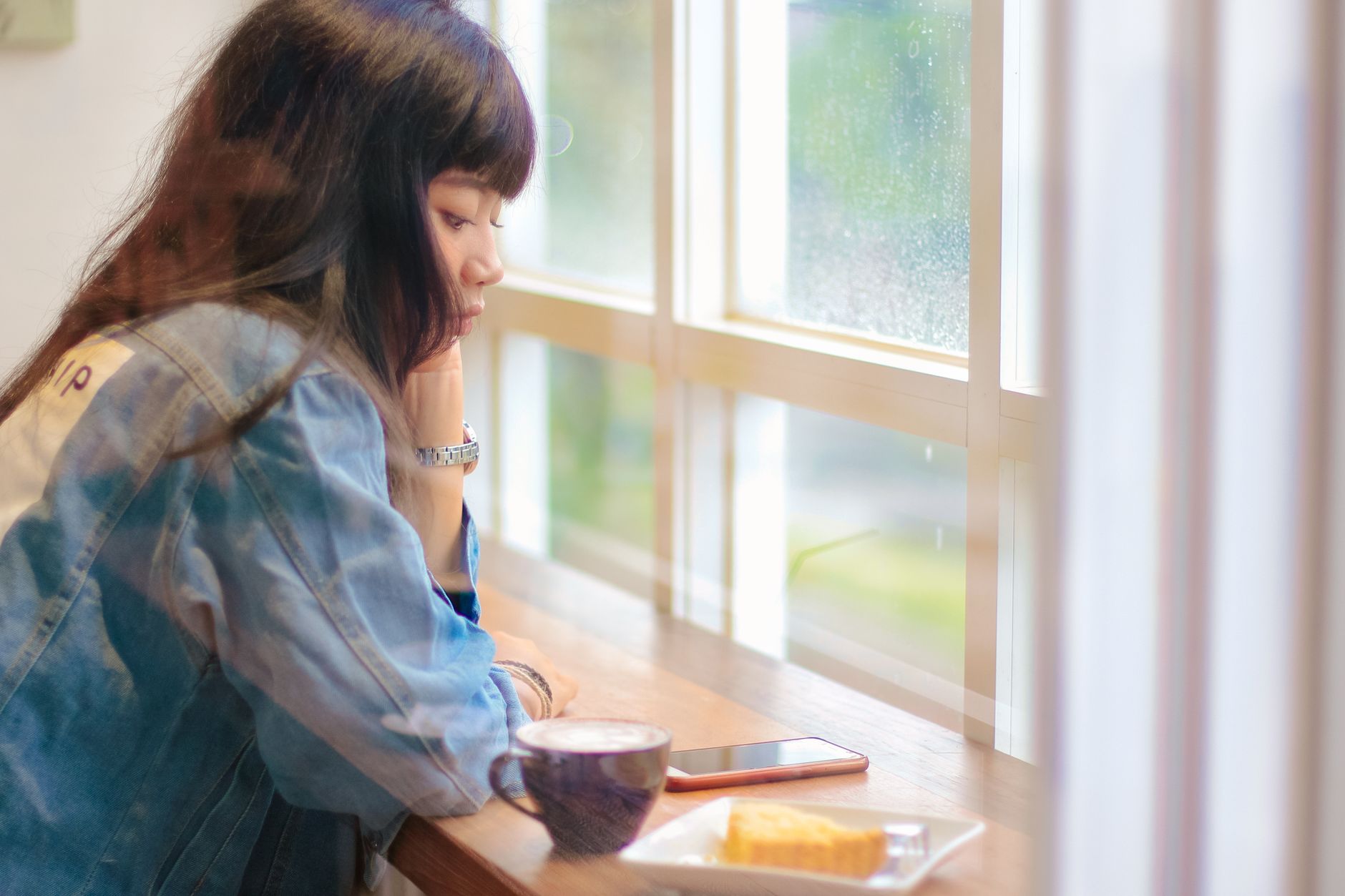
In a culture that relentlessly celebrates the social butterfly—the packed calendar, the curated social media feed, and the constant hum of connectivity—"alone time" has developed a PR problem. Somewhere along the way, the act of doing something by yourself transitioned from a simple lifestyle choice to a social red flag. If you are sitting in a coffee shop alone, the assumption is that you are waiting for someone who didn’t show up. If you spend your Friday night at home, the assumption is that you lack an invitation.
This societal narrative is not only flawed; it is scientifically reductive. There is a profound, fundamental difference between the aching, involuntary state of loneliness and the restorative, chosen state of solitude. Understanding this distinction is the first step toward reclaiming your time and transforming a quiet evening from a "consolation prize" into a high-value personal asset.
The Science of Solitude: A Mental Health Imperative
To dismantle the stigma surrounding alone time, one must first understand that the discomfort we feel when flying solo is often a byproduct of conditioning rather than an inherent human trait. From childhood, we are socialized to equate popularity with success. We are taught that to be "well-adjusted" is to be surrounded.
However, the biological and psychological reality suggests that humans require periods of isolation to function at peak capacity. Research from Harvard Health underscores that intentional solitude is a critical component of mental well-being. Far from being a state of neglect, it is a period of neurological recovery. When the brain is freed from the constant requirement to process social cues, manage impressions, and navigate interpersonal dynamics, it gains the bandwidth to engage in "default mode network" activity—a state of internal reflection that fosters creativity, sharpens focus, and builds a more robust sense of self.

The American Psychological Association (APA) has long made the distinction clear: loneliness is the pain of disconnection, while solitude is the pleasure of being alone. One is an involuntary void; the other is a deliberate practice of self-nourishment.
Chronology of a Misconception: How We Learned to Fear Being Alone
The path to our current "always-on" culture can be traced through several decades of technological and social shifts.
- The Pre-Digital Era (Pre-1990s): Solitude was a standard part of life. Reading, hobby-crafting, and independent exploration were normalized activities.
- The Advent of Connectivity (1995–2005): The rise of early internet forums and instant messaging began to shift the value proposition toward constant availability.
- The Social Media Revolution (2006–2015): The emergence of platforms like Facebook, Twitter, and Instagram created the "highlight reel" culture. Suddenly, being alone was not just a quiet moment—it was a failure to participate in the public exhibition of one’s life.
- The Modern Era (2016–Present): The normalization of FOMO (Fear of Missing Out) and the "attention economy" have turned solitude into a commodity that feels like a luxury, or worse, a symptom of exclusion.
We have moved from a society that respected the sanctity of private life to one that views privacy as a void that must be filled with digital validation.
The FOMO Paradox: Why Your Brain is Lying to You
The primary driver of the guilt associated with alone time is the "highlight reel" effect. When you scroll through your phone on a quiet evening, you are viewing a curated, filtered version of your peers’ lives. You see the gala, the group dinner, or the weekend getaway. You do not see the logistics: the two-hour debate over where to eat, the exorbitant bill, the exhaustion of constant social performance, or the inevitable late-night Uber ride home.
Researchers at the UC Berkeley Greater Good Science Center have observed a consistent pattern: human beings systematically overestimate the happiness of others while underestimating the intrinsic value of their own downtime. Your brain is not wired to accurately compare your "internal" reality—which includes your fatigue, your need for silence, and your desire for creative exploration—with someone else’s "external" curated image.
To combat this, one must perform a reality check. Next time the impulse to join a social event arises solely out of fear, ask yourself: "Do I actually want to be there, or do I just want to avoid the feeling of missing out on the idea of it?" Often, the answer is the latter.
Implications for Life Satisfaction
The implications of mastering solitude are significant. According to longitudinal studies referenced by the BBC, individuals who demonstrate a high capacity for being alone report higher levels of life satisfaction, better emotional regulation, and improved resilience in their professional lives.
This is not a personality trait reserved for the introverted or the "loner." It is a skill—a form of emotional intelligence that can be cultivated. When you become comfortable in your own company, you become less dependent on external validation to dictate your mood. This, in turn, makes you a more grounded, present, and supportive friend when you do choose to engage socially.
Strategic Solo Activities: Turning "Me Time" into "High-Value Time"
If you are accustomed to filling every gap in your schedule with external stimulation, starting a "solo era" can feel daunting. The goal is to choose activities that provide internal enrichment rather than passive distraction.
1. The "Flow State" Pursuit
Engage in activities that challenge your skills just enough to enter a state of "flow"—a psychological state where time seems to stand still. This could be painting, coding, writing, or learning an instrument. These activities require your full attention, leaving no room for the feeling of "missing out."
2. The "Intellectual Exploration"
Use your alone time to deep-dive into topics that your social circle might find tedious. Watch that three-hour documentary on a niche historical event, read the dense biography you’ve been putting off, or listen to a podcast series that challenges your worldview.
3. The "Physical Reset"
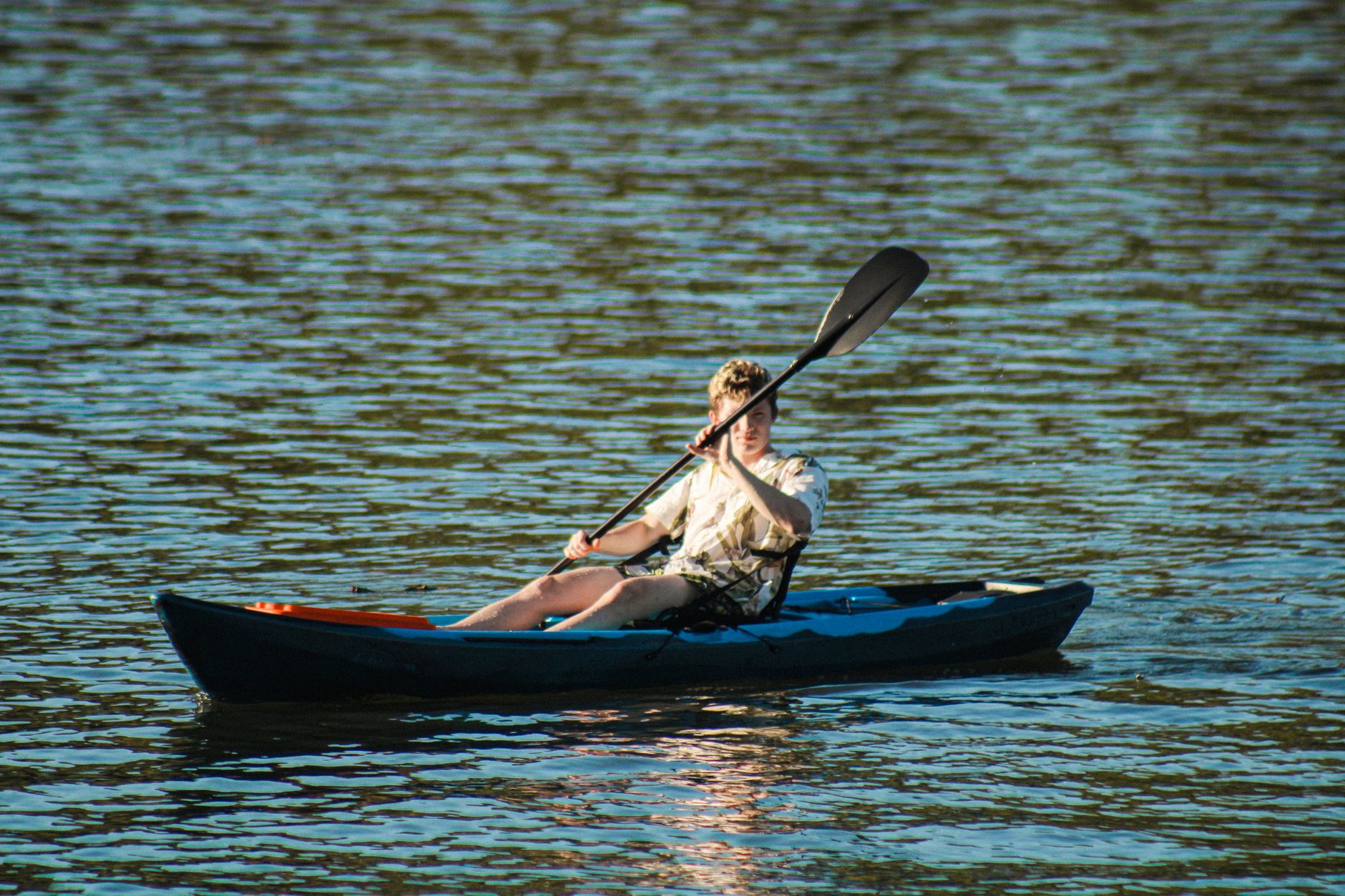
Physical activity is one of the most effective ways to move from a state of "lonely" to a state of "solitary." A long, solitary hike or a focused session at the gym allows you to reconnect with your body without the social pressure of performance.
4. The "No-Agenda" Hour
Designate one hour a week where you have absolutely no plans. No chores, no social media, no productivity goals. Simply exist. This forces your brain to recalibrate and teaches you that you are enough, even when you aren’t "doing" something.
The Mindset Shift: From Passive to Active Solitude
The most critical transition you can make is the shift from "I am alone" (a passive, victim-oriented stance) to "I am having time to myself" (an active, intentional stance).
Psychologists refer to this as "solitude as restoration." For many, particularly those with high-stress jobs or high-stimulation lifestyles, social interaction is an energy-depleting expense. Your alone time is the "income" that replenishes your emotional and mental bank account. To neglect this time is to invite burnout.
If you find that the silence is uncomfortable or even "loud" at first, this is a signal that you have been over-relying on external noise to drown out your own thoughts. Do not rush to fill the silence. Sit with it. Observe what feelings arise. Often, the discomfort is simply the sound of your own neglected psyche asking for attention.
Official Guidance and Professional Perspectives
Mental health professionals consistently emphasize that the quality of one’s relationship with oneself is the strongest predictor of overall life longevity and well-being. Harvard’s long-running study on adult development—one of the most comprehensive studies in history—repeatedly highlights that those who can maintain a healthy balance between their social lives and their internal lives are significantly more likely to age with grace and psychological stability.
The Cleveland Clinic’s guidance on the subject suggests that the ability to tolerate solitude is a marker of maturity. It indicates that an individual has successfully integrated their needs and does not require constant external mirroring to feel secure in their identity.
A Starter Kit for Your Solo Era
You do not need a complicated ritual to begin. Start with these three pillars of the "Solo Starter Kit":
- The Digital Fast: When you decide to take time for yourself, put the phone in another room. The presence of a smartphone is the enemy of true solitude because it offers a "virtual" audience that makes you feel watched and compared.
- The Environment Edit: Create a space in your home that is dedicated to you. Whether it’s a specific chair, a corner with a book, or a desk for your hobby, having a designated space signals to your brain that it is time for introspection.
- The Weekly Appointment: Treat your solo time with the same level of respect you would treat a business meeting. Put it on your calendar. Do not cancel it because a friend invited you out for drinks unless the invitation is truly meaningful to you.
Conclusion: The Power of Your Own Company
The goal of cultivating solitude is not to become a hermit or to reject human connection. Humans are, by nature, social creatures. The goal is to ensure that your social life is an addition to your happiness, not a requirement for it.
When you learn to be truly comfortable alone, you eliminate the desperation that often leads to unhealthy relationships and poor decision-making. You stop being a person who is "looking for something to do" and become a person who is "doing something meaningful."
Your solo era is not a phase of isolation; it is a phase of cultivation. It is the period where you build the person you will be when you return to the world. So, close the social media tabs. Turn off the notifications. Make the thing you want to make, go to the place you want to see, and give yourself the grace of silence. You might find that the most interesting person you have been missing out on was there all along.


 Pevita Pearce





