



 Basiran
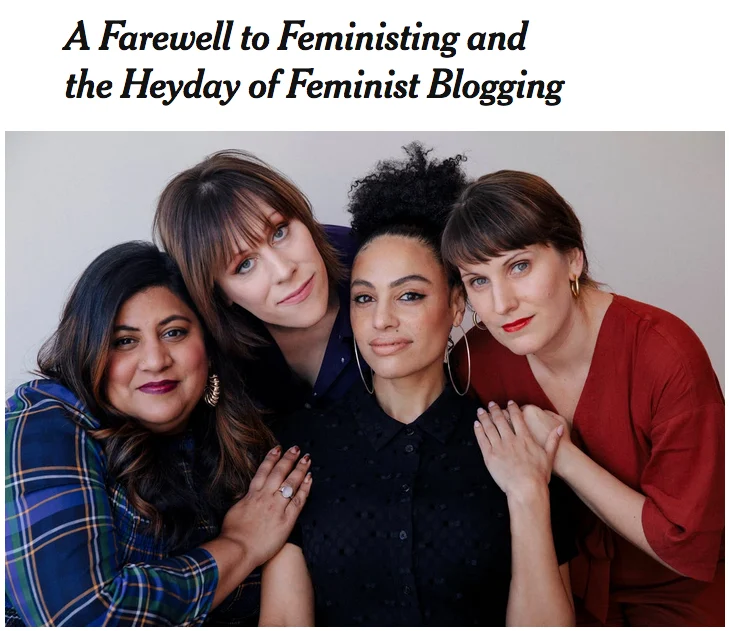
After a transformative 15-year run that reshaped the landscape of online discourse, the independent feminist powerhouse Feministing has officially announced it is ceasing operations. The closure marks a significant turning point in the history of digital media, signaling the end of an era defined by the rise of grassroots, independent, and intersectional blogging. As the digital ecosystem becomes increasingly dominated by corporate conglomerates and venture-backed platforms, Feministing’s departure serves as a sobering reminder of the mounting pressures facing independent journalism today.
The Main Facts: A Pioneer Bids Farewell
The announcement, delivered with a mix of pride and pragmatism, confirmed that Feministing will no longer publish new content. For over a decade and a half, the site functioned as a digital vanguard, producing bold, uncompromising, and deeply intersectional feminist analysis.
The primary driver of the closure is the increasingly difficult economic reality for independent media. Despite reaching a peak of 1.2 million unique monthly visitors and successfully cultivating a loyal, supportive readership, the site could not sustain a funding model that provided fair compensation for its team. In an era where digital ad revenue is monopolized by a handful of tech giants, the “labor of love” model—where contributors often balanced site management with full-time careers—proved untenable for the long term.
A Chronology of Influence
Founded in the mid-2000s, Feministing emerged during the “golden age” of the blogosphere, a time when the internet felt like a democratic frontier for marginalized voices.
- 2004–2006: The site’s inception. Feministing quickly established itself as a necessary counterweight to mainstream media, which largely ignored or misrepresented issues like reproductive rights and campus sexual assault.
- 2007–2012: The site’s peak years. Feministing became a household name among activists, setting the agenda for online discourse. It was during this period that the site’s intersectional approach—incorporating racial justice, trans rights, and anti-colonialism—became a gold standard for digital feminism.
- 2013–2018: The transition into the modern media environment. As the digital landscape shifted toward social media and corporate-owned platforms, Feministing maintained its independence, refusing to merge with larger entities that might demand a softening of its “controversial” editorial stance.
- 2019: The final chapter. The site formally announced its closure, acknowledging that the financial pressures of the current media environment had finally reached a tipping point.
The Digital Ecosystem: Supporting Data
To understand the significance of Feministing, one must look at the data. At its zenith, the site served as a vital portal for millions. Its 1.2 million monthly unique visitors represented a massive, engaged audience that looked to the platform not just for news, but for solidarity.
The site stood as a cornerstone of an entire ecosystem of activist media. In their farewell statement, the team recognized the cohort of pioneers who shared the digital trenches with them: Jezebel, Feministe, Racialicious, Tiger Beatdown, Crunk Feminist Collective, Pandagon, Black Girl Dangerous, The Hairpin, The Toast, and Bitch Media. These sites, many of which have also faced challenges or closures, represented a shift in the power dynamic of the media, moving the needle on public opinion regarding gender equity, pop culture analysis, and political accountability.
The Legacy of Leadership: Where Are They Now?
Perhaps the most enduring legacy of Feministing is the “pipeline of thought leadership” it created. The site served as an incubator for some of the most prominent voices in modern media and politics. Alumni of the site have gone on to hold influential roles across the professional spectrum.
Many former contributors now hold executive roles at major publications, including Teen Vogue. Others have become best-selling authors, political analysts, and strategists whose work appears in the New York Times, the Washington Post, and on networks like CNN and MSNBC. From hosting award-winning podcasts like Call Your Girlfriend to leading national policy discussions on sexual violence, the impact of Feministing’s alumni is profound and far-reaching. They have successfully transitioned the site’s radical, grassroots energy into the halls of institutional power and the mainstream cultural zeitgeist.
Official Responses and Reflections
The tone from the editorial team remains one of defiance and gratitude. “We are proud of what we have been able to achieve,” the team stated, emphasizing that their commitment to anti-racist and anti-capitalist analysis never wavered.
The editorial leadership highlighted that the site’s refusal to sacrifice its voice for corporate dollars was a badge of honor. By resisting venture capital-led mergers or toning down their rhetoric to appeal to advertisers, they preserved the integrity of the project until the final day. “It was truly a labor of love,” they noted, reflecting on the 15 years of work done by team members who balanced the site alongside full-time jobs.
The Implications: What Does This Mean for Independent Media?
The shuttering of Feministing serves as a case study for the fragility of independent, mission-driven media in the 21st century. The implications are three-fold:
1. The Consolidation of Digital Space
As independent sites disappear, the space for uncurated, radical, and niche discourse shrinks. The “corporatization” mentioned by the New York Times report suggests that media is becoming a landscape of giants, where small, independent voices find it increasingly difficult to compete for visibility, funding, and labor.
2. The Future of Feminist Activism
While the blog is closing, the movement remains. The closure of a single site does not equate to the end of a movement, but it does mark the end of a central hub for that movement. The challenge for future activists will be to build new, sustainable models of digital organization that do not rely on the precarious ad-based models of the past decade.
3. The Value of Archiving
The team behind Feministing has indicated that plans are in the works to ensure the site’s archives remain available. This is a critical step; the site contains 15 years of intersectional history, documentation of political shifts, and a record of the evolution of feminist thought. Preserving this digital library is essential for future researchers, historians, and activists.
Moving Forward: One Last Hurrah
The Feministing journey is not ending without a final celebration. The organization is planning a farewell project to reunite their “extended family,” including a “(B)logging Off” party in New York City. They are encouraging their community to sign up for their newsletter to stay informed about these final initiatives and the long-term archival plans.
As the team steps away from the digital interface, they leave behind a blueprint for how to use technology to build community, shift cultural norms, and hold power to account. Their final message to their readers remains as resonant as it was in 2004: “We’ll see you in the streets.”
The closure of Feministing is not merely a loss of a website; it is the closing of a chapter in the history of digital activism. It leaves behind a generation of feminists who were emboldened by the site’s work, a group of alumni who continue to shape the world, and a reminder that while the platforms we use may evolve, the necessity of the work remains as urgent as ever.


 Iffa Jayyana

 Ammar Sabilarrohman




