



 Basiran
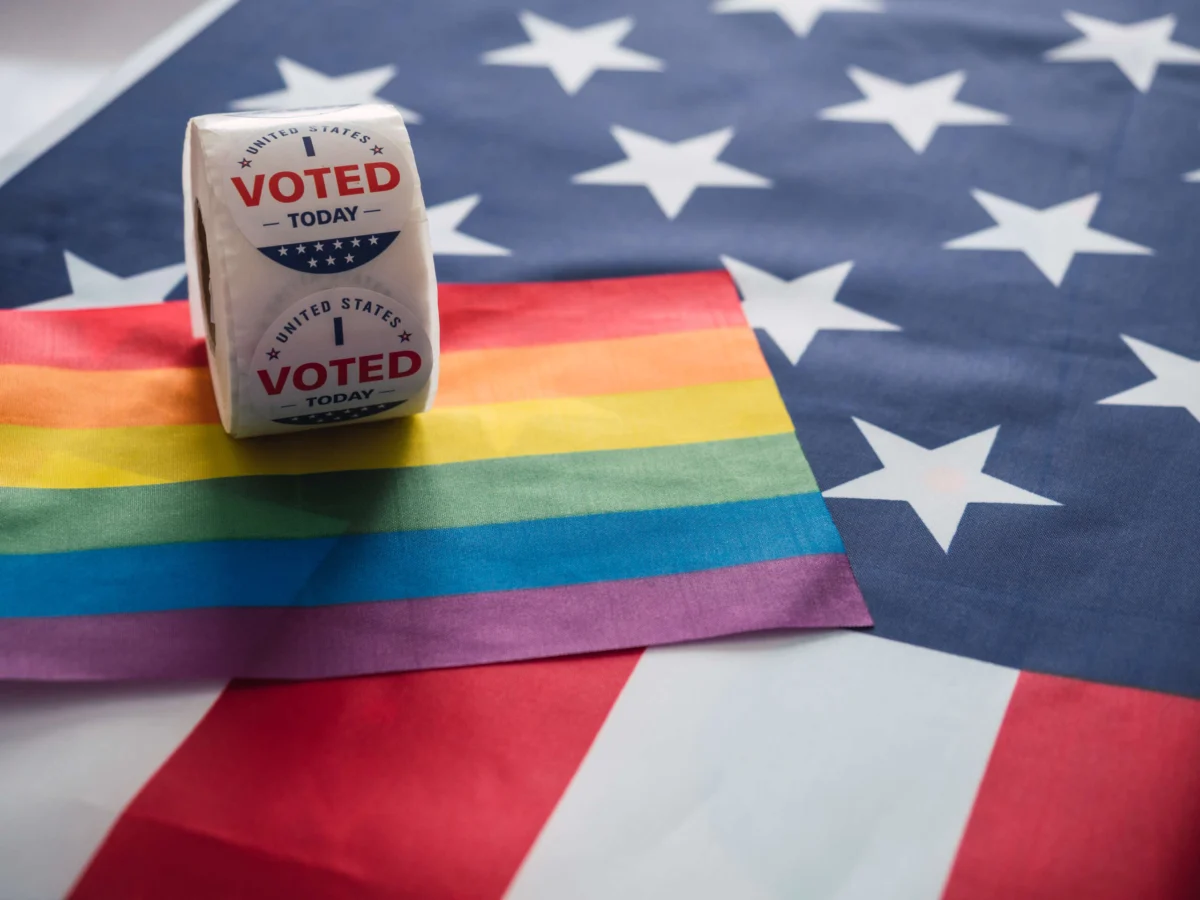
In the high-stakes environment of the 2026 midterm elections, the battle over civil liberties has shifted from legislative chambers directly to the hands of voters. This fall, citizens in seven states will decide the fate of more than half a dozen ballot initiatives that carry profound implications for LGBTQ+ Americans, with a specific and intense focus on transgender youth. These measures arrive at a pivotal moment, as issues of gender identity and sexual orientation have become central pillars of campaign rhetoric for both parties, influencing the race for control of Congress and several key governorships.
The landscape of these initiatives reveals a stark ideological divide. Nearly half of the LGBTQ+-related measures appearing on ballots seek to restrict transgender student-athletes from competing on sports teams that align with their gender identity. While this has long been a cornerstone of Republican platforms, a growing segment of the Democratic party has begun to navigate the issue with increased nuance or caution. Other measures aim to ban gender-affirming medical treatments for minors or, conversely, to codify nondiscrimination protections and marriage equality into state constitutions.
Main Facts: A State-by-State Breakdown
The 2026 ballot measures represent a diverse array of legal strategies, ranging from constitutional amendments to statutory changes. The following states are the primary battlegrounds:
Arizona: Restoring Restrictions
Arizona voters are tasked with deciding whether to reinstate restrictions on transgender athletes that were previously halted by the judiciary. A ballot initiative introduced by Republican State Representative Selina Bliss seeks to restore a 2022 law that was blocked by a federal appeals court in early 2024.
The proposal is comprehensive: it would require K-12 schools to designate sports teams as "male," "female," or "coeducational" based strictly on "biological status at birth." Furthermore, it would prohibit transgender students from using restrooms and locker rooms that match their gender identity if those spaces are deemed "integral to athletic engagement." Despite legal challenges alleging the measure violated Arizona’s "single subject" rule for ballot initiatives, state courts have cleared it for the November vote.
Colorado: Medical and Athletic Prohibitions
In Colorado, the organization "Protect Kids Colorado" successfully gathered over 168,000 signatures to place two major initiatives on the ballot. The first seeks to bar transgender student-athletes from K-12 and collegiate sports by defining eligibility through "biological reproductive systems."
The second measure is even more contentious, aiming to ban transition-related surgeries for minors and prohibiting the use of state funds, Medicaid, or insurance coverage for such procedures. Notably, while the measure targets surgical intervention—which remains rare for minors—it does not explicitly mention nonsurgical care like puberty blockers or hormone therapy, creating a complex legal gray area.
Missouri: The Intersection of Reproductive and Transgender Rights
Missouri presents a unique "omnibus" style conflict. Voters will weigh a proposal that seeks to reverse a 2024 amendment protecting abortion access. However, the new measure goes a step further by embedding a ban on gender-affirming medical care for transgender minors directly into the state constitution. This care has been prohibited by state law since 2023, but constitutional codification would make the ban significantly harder to overturn in the future.
Nebraska: Defining "Biological Sex"
Nebraska’s initiative seeks to amend the state constitution to require that athletic teams be designated by "biological sex," explicitly stating that girls’ sports "shall not be open to students of the male sex." Despite a pending lawsuit from voter Cara Ulman—who argues the public was not adequately informed of the measure’s full scope—the Secretary of State has certified the measure. Even if the state Supreme Court eventually rules against the wording, the measure will appear on the ballot, though its results could be invalidated post-election.
Washington: Verification and Parental Rights
Washington state faces one of the most invasive proposals. An initiative backed by the "Let’s Go Washington" PAC would require every female student-athlete to have her "sex assigned at birth" verified by a physician. This verification could involve genetic testing, hormone level checks, or an examination of reproductive anatomy.
Additionally, a second measure seeks to restore a "Parental Bill of Rights," which critics argue would force schools to "out" LGBTQ+ students to their parents, potentially endangering those in unsupportive households.
The Defensive Front: Vermont and Virginia
Not all initiatives are restrictive. In Vermont, voters will decide on an Equal Rights Amendment (ERA) that would prohibit discrimination based on sexual orientation, gender identity, and gender expression. In Virginia, a measure seeks to formally repeal a 2006 constitutional ban on same-sex marriage—which has been unenforceable since 2015—and replace it with an affirmative right to marriage for all consenting adults regardless of sex or race.

Chronology: The Road to the 2026 Ballot
The current surge in ballot initiatives is the culmination of a five-year legislative trend.
- 2021–2023: A wave of "Save Women’s Sports" acts and bans on gender-affirming care swept through Republican-led legislatures. During this period, 27 states enacted bans on healthcare for trans youth, and more than half the nation adopted sports restrictions.
- Late 2024 – Early 2025: As several of these laws faced injunctions from federal courts (such as in Arizona), conservative advocacy groups shifted their strategy toward direct democracy—using ballot initiatives to bypass judicial stalls or unfriendly governors.
- January – August 2026: Signature collection drives reached their peak. In Washington and Colorado, hundreds of thousands of signatures were certified, signaling a high level of grassroots mobilization on the right.
- September 2026: Legal challenges reached state Supreme Courts. In Missouri and Nebraska, the ACLU and individual voters attempted to disqualify measures based on "single subject" rules or misleading language, with mixed results.
Supporting Data: Reality vs. Rhetoric
One of the most striking aspects of the debate is the disparity between the political focus on transgender athletes and the actual number of students affected.
According to data from the Williams Institute at UCLA, there are approximately 300,000 teenagers (ages 13–17) in the U.S. who identify as transgender. However, only a small fraction of this population participates in organized school sports.
The disconnect is most visible in Washington state. While the ballot initiative there suggests a systemic issue requiring doctor-led sex verification for all girls, the Washington Interscholastic Activities Association reported that they are only aware of roughly 10 transgender middle and high school students participating in sports statewide. This is out of a total student-athlete population exceeding 200,000.
In Colorado, medical experts have pointed out that the focus on "transition-related surgeries" for minors targets a procedure that is statistically rare. Most gender-affirming care for minors involves social transition or reversible medical interventions, yet the ballot initiatives often conflate these with permanent surgeries to galvanize voter turnout.
Official Responses: Doctors, Athletes, and Politicians
The initiatives have drawn sharp criticism from professional organizations and high-profile figures.
Medical Community: The Colorado Medical Society (CMS) and the Colorado Academy of Family Physicians have taken a firm stand against the healthcare bans. CMS President Brigitta Robinson emphasized that "medical decisions belong in the exam room," arguing that the ballot measure interferes with the physician-patient relationship and contradicts the state’s existing "shield laws."
Athletes: International soccer icon and Washington native Megan Rapinoe has been a vocal opponent of the verification measures. In a high-profile op-ed, Rapinoe argued that the requirement for physical examinations and genetic testing would "drive girls out of sports altogether," citing the potential for abuse and the violation of privacy for both transgender and cisgender girls.
Government Officials: Arizona Attorney General Kris Mayes, a Democrat, has notably declined to defend the state’s previous trans-exclusionary laws in court, labeling them as discriminatory. Similarly, Washington Governor Bob Ferguson has condemned the "Parental Bill of Rights" initiative, stating it places vulnerable youth at risk of homelessness or abuse if they are "outed" against their will.
Implications: A Shifting Legal and Social Landscape
The outcome of these votes will have immediate and long-term consequences for the legal status of LGBTQ+ Americans.
- Judicial Conflict: If measures like the one in Missouri pass, they will set up a direct conflict between state constitutions and federal nondiscrimination protections under Title IX. This could force the U.S. Supreme Court to issue a definitive ruling on whether gender identity is a protected class nationwide.
- The "Chilling Effect": Advocates argue that regardless of whether these measures pass, the public debate itself has a "chilling effect" on LGBTQ+ youth. The prospect of sex verification exams or the public voting on one’s right to healthcare can lead to increased rates of anxiety and depression among a population already at high risk.
- The Future of Marriage Equality: The Virginia initiative highlights a growing concern among Democrats that the Supreme Court’s conservative majority might revisit Obergefell v. Hodges. By codifying marriage rights now, states are attempting to create a "firewall" against potential federal rollbacks.
- Political Realignment: The fact that some Democrats are beginning to align with Republicans on sports restrictions suggests that the "culture war" is evolving. The 2026 results will serve as a litmus test for how much these issues actually resonate with the "median voter" versus the party base.
As November approaches, the seven states in question have become more than just electoral prizes; they are the testing grounds for the next chapter of American civil rights. The decisions made at the ballot box will define the boundaries of inclusion, privacy, and parental authority for years to come.


 Nana
 Ammar Sabilarrohman






