



 Asro
Main Facts: The Environmental Shift in Seasonal Celebrations
As the global community becomes increasingly conscious of its environmental footprint, the traditional holiday season is undergoing a significant transformation. One of the most visible shifts is the move away from single-use, mass-produced advent calendars toward reusable, eco-friendly alternatives. According to sustainability experts and industry analysts, the "disposable culture" associated with December countdowns—characterized by non-recyclable plastic trays and glitter-coated cardboard—is being replaced by heirloom-quality pieces designed to last generations.

The core appeal of the reusable advent calendar lies in its multi-faceted impact: it reduces household waste, supports small-scale artisans, and fosters more intentional family traditions. From organic cotton wall hangings to FSC-certified wooden figurines, the market for sustainable holiday décor is expanding rapidly. Leading the charge are brands that prioritize fair trade practices, non-toxic materials, and plastic-free packaging, ensuring that the "joy of the season" does not come at the expense of the planet.

Chronology: From Religious Roots to Plastic Waste and Back to Sustainability
The concept of the advent calendar dates back to the mid-19th century, when German Lutherans made chalk marks on doors or lit candles to count the days leading up to Christmas. The first printed advent calendars appeared in the early 20th century, primarily made of simple paper. However, the post-war industrial boom of the 1950s and 60s introduced the chocolate-filled advent calendar, which eventually evolved into the modern mass-market version: a combination of low-grade cardboard, aluminum foil, and a molded plastic tray.

By the early 2000s, the "beauty advent calendar" and "toy advent calendar" trends surged, exponentially increasing the amount of packaging waste generated in December. It is estimated that millions of non-recyclable advent calendar trays end up in landfills every year.

However, the 2020s have signaled a return to form. Influenced by the "Zero Waste" movement and a growing appreciation for artisanal crafts, consumers are pivoting back to durable materials. The timeline of this shift reflects a broader consumer trend: a move away from "quantity over quality" toward "curated, meaningful experiences." Today, the advent calendar is no longer just a delivery system for a daily treat; it is a centerpiece of sustainable interior design and a commitment to ethical consumerism.

Supporting Data: Leading Innovations in Eco-Friendly Calendars
The current market offers a diverse range of sustainable options, categorized by material, origin, and social impact. Research into the top-performing eco-friendly brands reveals several key players setting the standard for the industry.

1. Natural Fibers and Heirloom Textiles
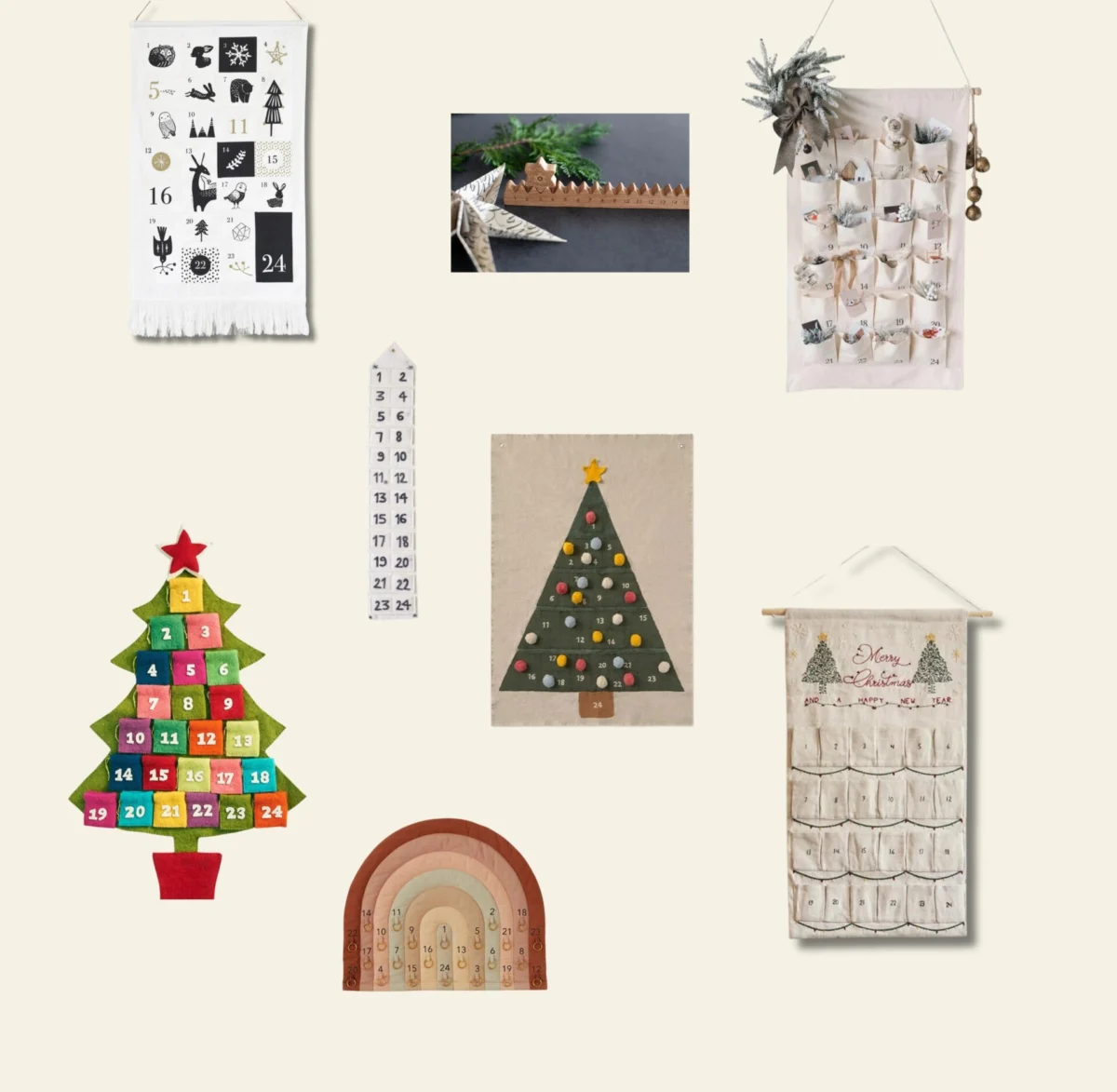
Brands like Craftspring and The Cotton Lane focus on durability and traditional craftsmanship. Craftspring, a Brooklyn-based, women-owned enterprise, collaborates with artisans in India and Kyrgyzstan to create linen and cotton calendars. Their pieces are designed as "heirlooms," intended to be passed down through families. Similarly, Wee Gallery utilizes 100% organic cotton twill, catering to the growing demand for non-toxic products in households with young children.

2. Fair Trade and Social Impact
Social sustainability is a critical component of the modern eco-friendly calendar. Arcadia Home and Global Goods Partners leverage fair trade networks to ensure that the production of their felted wool calendars provides living wages to artisans in Nepal and India. These products often use New Zealand wool and azo-free dyes, minimizing the chemical footprint of the manufacturing process.

3. Circularity and Preloved Markets
The secondary market for holiday décor is also thriving. Platforms like Etsy have seen a surge in searches for "vintage advent calendars." By purchasing a pre-owned wooden or hand-embroidered calendar, consumers are participating in a circular economy, extending the life of existing products and preventing them from entering the waste stream.

4. Botanical and Wellness Alternatives
Innovation has moved beyond sweets and toys. Amber Wind Studio, based in Switzerland, offers a botanical advent calendar featuring real pressed flowers and inspirational quotes. This shift toward "slow living" reflects a desire for holiday activities that promote mindfulness rather than just consumption.

Official Responses and Expert Perspectives: Why Reusability Matters
Sustainability advocates, including the team at Sustainable Jungle, emphasize that the transition to reusable calendars is about more than just reducing plastic. It is about "intentionality."

"An advent calendar that can be reused and refilled is a more sustainable countdown alternative," states Joy McConnochie, co-founder of Sustainable Jungle and a specialist in climate investing. "The big ‘advent-age’ is less holiday waste. A cardboard calendar is often done by December 26, plastic tray and all. Reusable versions support small makers and often use materials that are safer for the home environment."

Experts point out that many conventional calendars use "glitter," which is essentially microplastic. When these calendars are disposed of, they contribute to the microplastic pollution in waterways. By choosing fabric or wood, consumers are making a direct intervention in this pollution cycle. Furthermore, the ability to "fill your own" allows parents to control the quality of treats, opting for plastic-free chocolates, experiences, or educational notes instead of cheap plastic trinkets.

Implications: The DIY Movement and the Future of the "Conscious Christmas"
The rise of the reusable advent calendar has sparked a massive DIY movement, empowering individuals to create their own traditions using materials they already own. This "no-spend" or "low-impact" approach is perhaps the most sustainable of all.

The DIY Frontier
For those who prefer a hands-on approach, the possibilities are extensive:

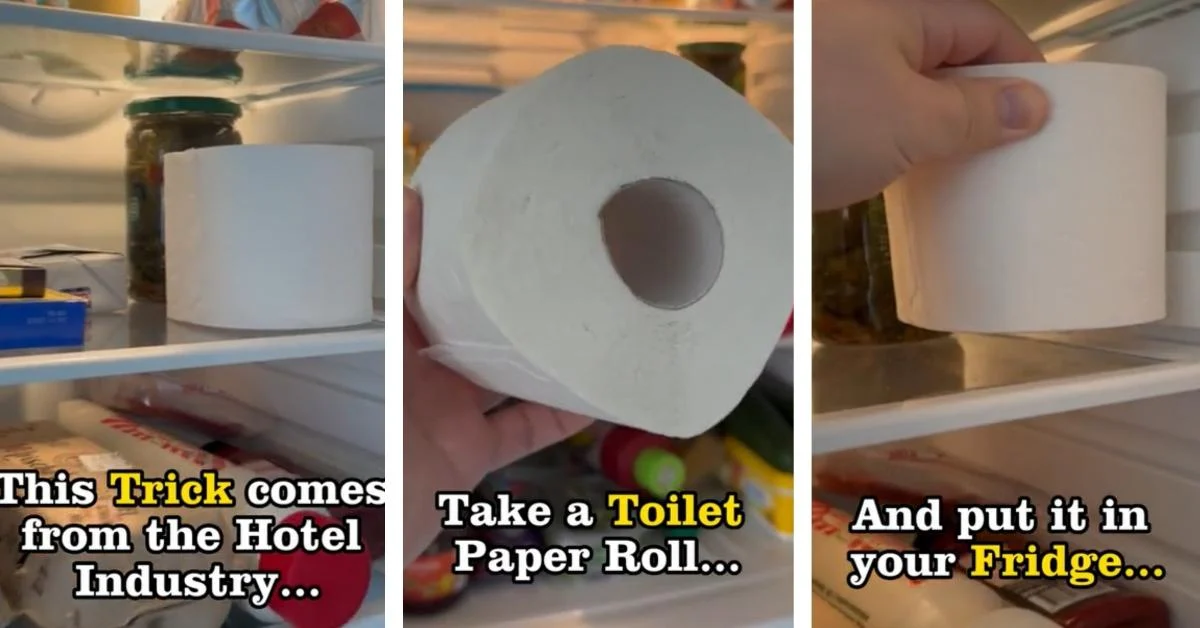
- Upcycled Materials: Utilizing toilet paper rolls, egg cartons, or glass jars to create a 24-day countdown.
- Textile Repurposing: Sewing pockets from scrap fabric or hanging "odd socks" on a twine garland.
- Activity-Based Advent: Moving away from physical gifts entirely and instead filling a reusable calendar with "experience coupons," such as "baking cookies together" or "watching a classic holiday movie."
Conscious Filling: The Next Step
The environmental impact of a calendar is also determined by what is placed inside it. To maintain a truly eco-friendly tradition, experts recommend:

- For Children: Wooden figurines, wildflower seed packets, FSC-certified art supplies, or secondhand LEGO pieces.
- For Adults: Loose-leaf tea, organic skincare samples, or high-quality fair-trade chocolate wrapped in compostable paper.
Long-Term Outlook
As we look toward 2026 and beyond, the implication for the retail industry is clear: transparency and durability are becoming non-negotiable. Brands that continue to rely on excessive plastic packaging may find themselves alienated from an increasingly eco-conscious demographic.

The shift toward reusable advent calendars is a microcosm of a larger movement. It represents a collective realization that holiday joy does not require environmental destruction. By investing in a single, high-quality piece—or crafting one from recycled materials—families are building a legacy of conservation.

In conclusion, the "Green Countdown" is more than a trend; it is a structural change in how we celebrate. It prioritizes the artisan over the factory, the organic over the synthetic, and the enduring over the ephemeral. As these traditions take root, the holiday season becomes not just a time of giving, but a time of preserving the world for the generations to come.

Appendix: Storing and Maintaining Your Sustainable Investment
To ensure a reusable advent calendar lasts for decades, proper maintenance is essential:

- Textiles: Ensure fabric calendars are completely dry before storage. Roll them around a hanging rod rather than folding them to prevent permanent creasing.
- Wood: Dust thoroughly and store out of direct sunlight to prevent paint fading or wood cracking.
- Wool/Felt: Store in airtight containers to protect against moths. Using cedar blocks is a natural deterrent, but a tight seal is the most effective method.
By following these preservation steps, consumers can ensure that their commitment to sustainability remains a vibrant part of their holiday celebrations for a lifetime.

 Nana

 Ammar Sabilarrohman






