




 Nana
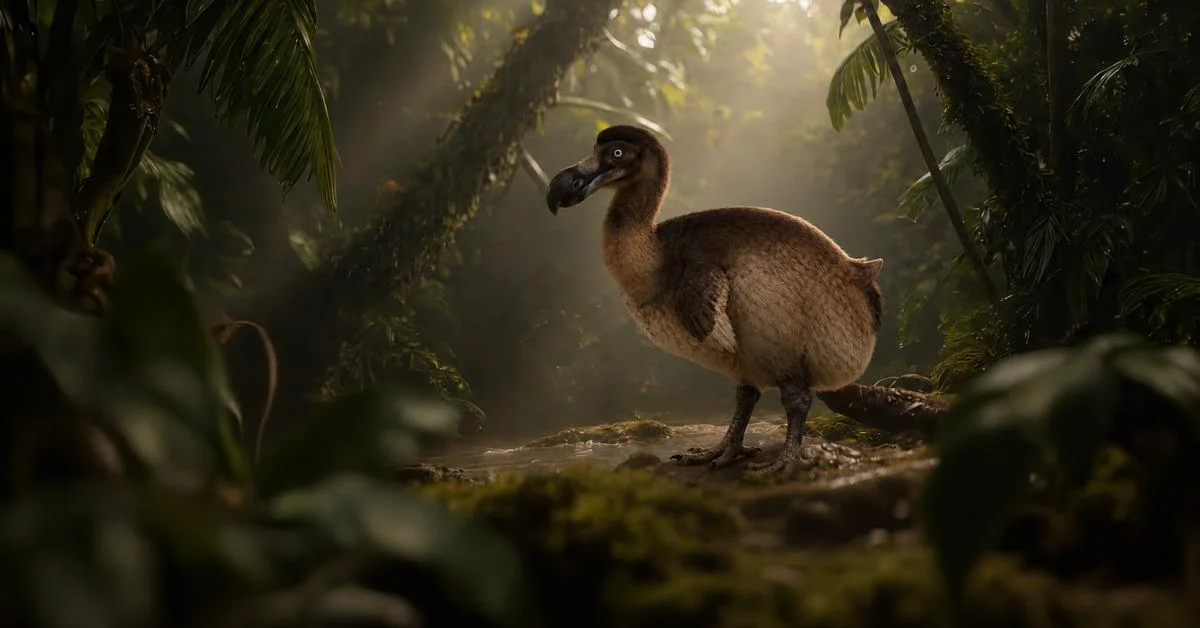
For centuries, the dodo has been a symbol of irreversible loss, a cautionary tale whispered through history. This flightless bird, native to the island of Mauritius, became extinct in the late 17th century, a victim of human exploitation and introduced species. Now, however, the dodo is poised to re-enter the realm of the living, thanks to the ambitious de-extinction efforts of Colossal Biosciences. The company, renowned for its work on woolly mammoths and dire wolves, has unveiled a suite of technological breakthroughs, spearheaded by an innovative AI platform named GenoMorph, that are rapidly transforming the dodo from a legendary punchline into a tangible reality. This article delves into the science, the history, the challenges, and the profound implications of this extraordinary endeavor.
The Dawn of De-extinction: Reconstructing the Dodo’s Unique Blueprint
The central challenge in de-extinction lies in understanding and recreating the genetic and developmental pathways that define an extinct species. For the dodo, this meant deciphering the genetic instructions that sculpted its distinctive, robust physique, most notably its famously oversized, hooked beak. This is where Colossal Biosciences’ proprietary AI platform, GenoMorph, emerges as a game-changer.
Traditional genetic research often relies on comparing the genomes of living populations to identify key genetic variations. However, the scarcity of surviving dodo genomes presents a significant hurdle. GenoMorph circumvents this limitation by employing a sophisticated approach that analyzes the regulatory DNA of living birds. Regulatory DNA acts as the conductor of the genetic orchestra, dictating when, where, and how intensely specific genes are expressed. By fine-tuning these "faders," the same set of genes can produce vastly different outcomes.
Colossal’s team has meticulously constructed a comprehensive reference library by sampling chicken, quail, duck, and pigeon embryos across six critical developmental stages. This biological data is then integrated with genomic information and CT-scanned skull data from over 70 bird species, mapped with remarkable precision at 541 anatomical points. GenoMorph sifts through this immense dataset, identifying approximately 2,300 candidate genetic "switches" that are strongly correlated with beak size and shape. This painstaking analysis allows scientists to pinpoint the specific genetic elements that likely contributed to the dodo’s unique morphology.
"De-extinction is as much a data problem as a biology problem," stated Ben Lamm, CEO and Co-Founder of Colossal. "Because so few dodo genomes survive, we cannot rely on the population-level comparisons available for many living species. Our GenoMorph platform provides another path: it learns how regulatory DNA shapes living birds, then identifies the genetic switches that may have contributed to the dodo’s distinctive anatomy. This is more than a solution for the dodo. It provides a repeatable approach for extinct species whose genomic records are similarly limited."
This AI-driven approach not only offers a path to resurrecting the dodo but also establishes a replicable framework for de-extinction efforts targeting other species with limited genomic data. Colossal’s commitment to open science is evident in their publication of a genome-assembly method in Cell Genomics, originally developed for the dire wolf, which has already proven instrumental in filling critical gaps in the dodo’s fragmented DNA. This method allows for the precise integration of ancient genetic fragments, enabling the reconstruction of a more complete dodo genome.
A Chronological Quest: From Extinction to Re-creation
The dodo’s story is a stark reminder of humanity’s impact on the natural world. The bird’s extinction, which occurred relatively rapidly after human arrival on Mauritius in the late 17th century, is a well-documented tragedy. Sailors and settlers, along with the animals they introduced – such as rats, pigs, and monkeys – decimated the dodo population. The bird, having evolved in the absence of natural predators, was unafraid of humans and unable to fly, making it an easy target for both hunting and habitat destruction.
The last confirmed sighting of a dodo was in 1662, marking the end of an era for this unique avian species. For over three centuries, the dodo existed only in museum specimens, scientific illustrations, and the collective memory of its symbolic extinction.
Colossal Biosciences’ journey to revive the dodo represents a modern chapter in this long history. The company’s de-extinction program, while ambitious, is built upon a foundation of rapidly advancing genetic technologies, including CRISPR-Cas9 gene editing, advanced computational biology, and sophisticated reproductive technologies.
The process can be broadly outlined as follows:
- Genome Reconstruction: Utilizing existing fragmented dodo DNA and leveraging advanced assembly techniques, Colossal aims to create a high-quality, near-complete dodo genome. GenoMorph plays a crucial role in identifying the specific genetic sequences that encode for the dodo’s key traits.
- Identifying Proxy Species: The dodo’s closest living relative is the Nicobar pigeon. By studying the genetics and developmental biology of the Nicobar pigeon, scientists can identify homologous genes and regulatory elements that can be modified to express dodo-like characteristics.
- Gene Editing: Using CRISPR-Cas9 technology, specific genes in the Nicobar pigeon genome will be edited to incorporate the identified dodo genetic sequences. This process will involve precise modifications to create a hybrid genome that exhibits dodo-like traits, particularly in the development of the beak.
- Embryonic Development and Chimeras: The edited genetic material will be introduced into developing embryos. Colossal has demonstrated success with creating chimeric chickens, where lab-grown stem cells are embedded within the developing bird. This technology allows for the integration of edited cells into the germline, the cells that will eventually produce sperm and eggs.
- Reproductive Technologies: The ultimate goal is to produce viable dodo offspring. This involves leveraging reproductive technologies, potentially including artificial insemination and the use of surrogate mothers (Nicobar pigeons), to carry the embryos to term. Colossal is also developing advanced lipid-nanoparticle systems to efficiently deliver gene-editing tools into developing embryos of various bird species.
This multi-stage process, from the digital realm of AI analysis to the biological reality of living embryos, represents a monumental undertaking, pushing the boundaries of scientific possibility.
Supporting Data and Technological Advancements: Building the Foundation for Revival
Colossal Biosciences’ de-extinction efforts are underpinned by a robust framework of scientific research and technological innovation. The company has made significant strides in several key areas:
- GenoMorph AI Platform: As detailed earlier, GenoMorph is central to Colossal’s strategy. Its ability to analyze complex regulatory DNA patterns across a wide array of avian species provides unprecedented insights into the genetic underpinnings of anatomical diversity. The identification of 2,300 candidate switches for beak morphology is a testament to its power.
- Genome Assembly Techniques: The publication of their genome-assembly method in Cell Genomics highlights Colossal’s commitment to scientific rigor. This method, refined for the dire wolf, has proven effective in reconstructing the fragmented dodo genome, a critical step for any de-extinction project.
- Nicobar Pigeon Colony: Colossal has established a thriving colony of 36 Nicobar pigeons at their Texas facility. These birds serve as the primary biological platform for gene editing and reproductive development. The successful harvesting of germ cells from these pigeons is a crucial milestone, as these cells are the precursors to sperm and eggs, essential for passing on genetic edits.
- Chimeric Animal Development: The successful hatching of chimeric chickens demonstrates the viability of embedding lab-grown stem cells into living organisms. This technology is pivotal for ensuring that edited genes are integrated into the germline and can be passed down to future generations.
- Lipid-Nanoparticle Delivery System: Colossal has developed a novel system of tiny fat bubbles designed to ferry gene-editing tools directly into developing embryos. This system has shown efficacy in chickens, rock doves, and ducks, indicating its potential broad applicability across avian species. This advancement is critical for efficient and targeted gene editing during embryonic development.
These technological advancements, when integrated, create a comprehensive ecosystem for de-extinction. The AI provides the blueprint, the living birds provide the biological machinery, and the advanced delivery systems ensure the precision required for genetic modification.
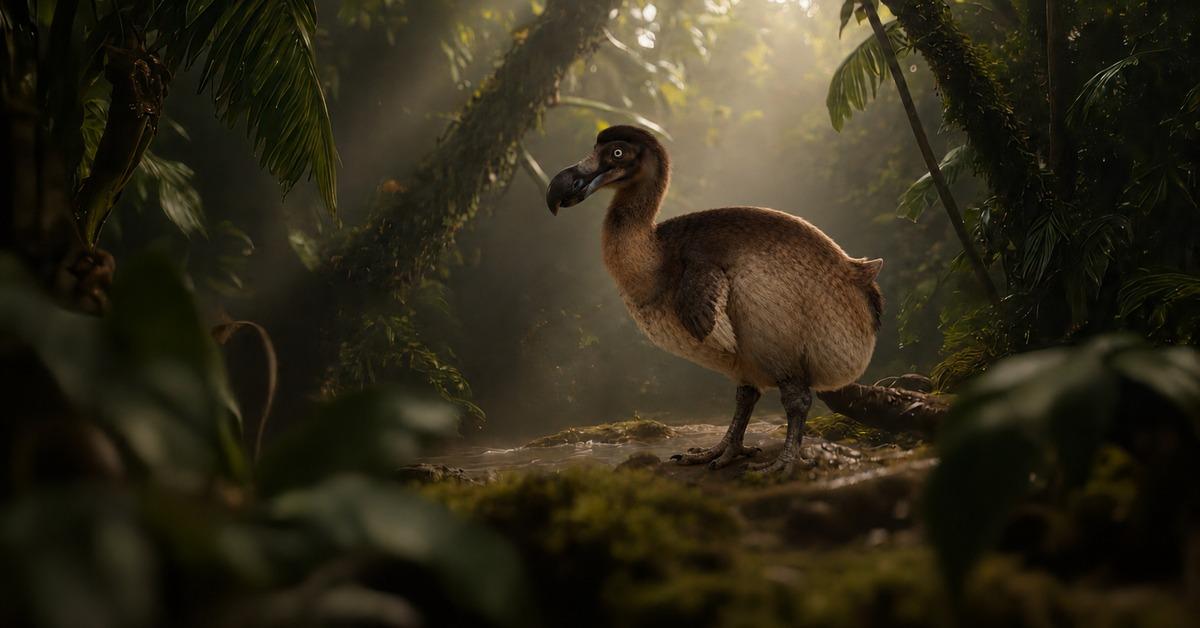
Official Responses and Scientific Perspectives: Navigating the Ethical Landscape
The prospect of de-extinction, particularly the resurrection of iconic species like the dodo, has ignited considerable debate within the scientific community and among the public. While Colossal Biosciences is at the forefront of this movement, their work is met with both excitement and caution.
Supportive Voices:
Many researchers acknowledge the scientific ingenuity and potential benefits of de-extinction. Proponents argue that:
- Ecological Restoration: Bringing back extinct species could potentially restore lost ecological functions and rebalance ecosystems. The dodo, for instance, may have played a role in seed dispersal on Mauritius.
- Conservation Innovation: The technologies developed for de-extinction can have direct applications in conserving critically endangered species. Techniques for genome sequencing, gene editing, and assisted reproduction can be adapted to bolster populations of at-risk animals.
- Scientific Advancement: De-extinction research pushes the boundaries of our understanding of genetics, developmental biology, and evolutionary history.
- Ethical Imperative: Some argue that humanity has a moral obligation to rectify past mistakes and restore species that were driven to extinction by human actions.
Cautious Perspectives and Ethical Considerations:
However, a significant portion of the scientific community raises concerns, emphasizing the ethical and practical challenges:
- Resource Allocation: Critics question whether the substantial resources invested in de-extinction could be better directed towards preserving currently endangered species and their habitats. The argument is that it is more effective to prevent extinction than to reverse it.
- Ecological Impact: Reintroducing an extinct species into a modern ecosystem raises questions about its ability to adapt, its potential impact on existing flora and fauna, and the availability of suitable habitats. The world has changed significantly since the dodo’s extinction.
- Animal Welfare: The process of de-extinction involves extensive experimentation, including gene editing and the use of surrogate mothers. Concerns are raised about the welfare of the animals involved in these procedures.
- "Playing God" Concerns: Some express philosophical and ethical objections to human intervention in recreating extinct life, viewing it as an unwarranted manipulation of natural processes.
- Defining Success: The very definition of "success" in de-extinction is debated. Is it merely creating a genetically identical organism, or does it encompass ensuring its long-term survival and ecological integration?
Colossal Biosciences actively engages with these discussions. Their CEO, Ben Lamm, has repeatedly emphasized that de-extinction is not a replacement for conservation but rather a complementary effort that can drive innovation and inspire new approaches to protecting biodiversity. The company’s focus on species like the dodo, which have clear ecological roles and where habitat restoration is feasible, is a deliberate strategy to address some of these concerns.
Implications for the Future: A New Era of Biodiversity and Responsibility
The potential resurrection of the dodo by Colossal Biosciences represents more than just a scientific marvel; it signifies a profound shift in humanity’s relationship with the natural world and our understanding of extinction.
A New Paradigm for Conservation: If successful, the dodo’s revival could usher in a new era of conservation. It suggests that extinction may not always be permanent, offering a glimmer of hope for species teetering on the brink. This could incentivize greater investment in conservation efforts, as the prospect of "undoing" extinction becomes a tangible possibility.
Ethical and Societal Debates: The dodo’s return will undoubtedly intensify ongoing debates about the ethics of genetic engineering and de-extinction. Societies will need to grapple with questions of ownership, responsibility, and the long-term stewardship of resurrected species. The legal and regulatory frameworks surrounding de-extinction will need to evolve to address these complex issues.
Ecological Restoration and Biodiversity: The reintroduction of the dodo, if carefully managed, could offer valuable insights into ecological restoration. Understanding its role in the Mauritian ecosystem and its interactions with contemporary flora and fauna will be crucial. This could lead to innovative approaches to rewilding and habitat management, potentially benefiting other endangered species.
Technological Spin-offs: The technologies developed by Colossal for de-extinction, such as advanced AI for genetic analysis and novel gene-editing delivery systems, have immense potential for applications beyond de-extinction. These could include advancements in medicine, agriculture, and the development of new biomaterials.
A Symbol of Hope and Responsibility: Ultimately, the dodo’s comeback story, if it unfolds as envisioned, will serve as a potent symbol. It will represent humanity’s capacity for scientific innovation and our ability to learn from past mistakes. However, it will also underscore our profound responsibility to protect the biodiversity that still exists. The dodo’s return must not be seen as a license to continue environmental degradation, but rather as a powerful reminder of what we stand to lose and what we can, with ingenuity and dedication, strive to preserve and even restore. The legend of the dodo is being rewritten, not as a tale of inevitable disappearance, but as a testament to the enduring power of life and the transformative potential of human endeavor.


 Jia Lissa

 Suro Senen






