


 Lina Irawan
In the heart of downtown San Antonio, where the vibrant echoes of the Historic Market Square meet the evolving landscape of contemporary art, a new dialogue is taking shape. Mercado/Material, a landmark exhibition curated by Mia Lopez, has officially opened its doors at the Centro de Artes gallery. Running through March 7, 2027, the exhibition serves as a profound interrogation of Latinx identity, utilizing the aesthetic language of consumerism and the quotidian objects of the marketplace to challenge traditional perceptions of cultural heritage.
Featuring 16 diverse artists, the exhibition is more than a display of objects; it is an exploration of the "aesthetics of Latinidad." By elevating the mundane—the fruit cup, the bodega storefront, the piñata—to the status of high art, Mercado/Material invites viewers to consider how the objects we consume, trade, and cherish form the bedrock of our personal and collective histories.
The Core Concept: Pop Art Through a Latinx Lens
At its heart, Mercado/Material occupies a space between the familiar and the monumental. Curator Mia Lopez has orchestrated a collection that intentionally echoes the Pop art movements of the mid-20th century, drawing intellectual parallels to the work of Andy Warhol and Claes Oldenburg. However, where Warhol’s Campbell’s Soup Cans served as a critique of mass-produced American homogeneity, the artists in Mercado/Material reclaim those same mechanisms of mass production to celebrate, mourn, and archive the nuances of Latinx life.
The exhibition spans a variety of media, including immersive installations, intricate textile works, ceramic sculptures, and evocative works on paper. The imagery is drawn from a vast, interconnected geography: the bustling markets of San Antonio, the street vendors of Chicago, the iconic storefronts of Mexico, and the neighborhood bodegas of New York City.
"These objects are not merely items for purchase," notes the exhibition’s curatorial statement. "They are repositories of labor, markers of migration, and symbols of belonging." When a viewer encounters a monumental piñata sculpture or a layered screen print of local grocery staples, they are being asked to engage with the complex intersection of labor, commerce, and identity.
A Chronology of the Centro de Artes: A Decade of Cultural Stewardship
The significance of Mercado/Material cannot be separated from its venue. The Centro de Artes, managed by the City of San Antonio’s Department of Arts & Culture, is celebrating a decade of operation as a premier Latinx-focused gallery. The building itself possesses a storied history that aligns perfectly with the thematic scope of the exhibition.
- Pre-1900s–1970s: The site of the current Centro de Artes originated as a produce annex, a vital hub for the regional agricultural economy that defined early San Antonio.
- Late 20th Century: The structure underwent various transitions, eventually becoming an adaptive-reuse landmark that preserved the architectural heritage of the downtown core.
- 2016: The City of San Antonio officially established the Centro de Artes as a dedicated space for contemporary art, specifically prioritizing the voices, histories, and visions of South Texas communities.
- 2016–2026: Over the course of its first ten years, the gallery has become an essential pillar of the city’s cultural infrastructure, welcoming more than 33,000 visitors annually.
- October 2026: The launch of Mercado/Material marks the gallery’s tenth anniversary, signaling a shift toward more ambitious, academically rigorous exhibitions that place local artists in a national, contemporary art conversation.
By housing an exhibition about the "market" within a building that once served as the literal heartbeat of the local produce market, the city has created a perfect synergy between site and subject.
Supporting Data: Impact and Reach
The success of the Centro de Artes is not merely anecdotal; the data provided by the City of San Antonio’s Department of Arts & Culture highlights the gallery’s substantial role in the city’s broader economic and cultural ecosystem.
- Total Artistic Footprint: Since its inception in 2016, the gallery has exhibited over 3,100 individual artworks.
- Artist Engagement: More than 600 artists have had their work featured within the walls of the gallery, ranging from emerging local talent to established national figures.
- Annual Attendance: With an average of 33,000 visitors per year, the gallery serves as a significant tourist destination and a local community center, emphasizing the city’s commitment to "art for all."
- Accessibility: The commitment to keeping admission free is a core component of the city’s mission, ensuring that economic barriers do not prevent the public from engaging with high-level contemporary discourse.
These statistics underscore the gallery’s function as an "adaptive-reuse" success story—transforming a space meant for the exchange of physical goods into a space for the exchange of intellectual and cultural capital.
Official Perspectives: The Philosophy of the Exhibition
The City of San Antonio’s Department of Arts & Culture has championed Mercado/Material as a flagship event for the 2026–2027 season. For the city, the exhibition is a testament to the idea that culture is not a static artifact, but a living, breathing entity.
"We wanted to challenge the way people see the mundane," a department representative remarked. "When we look at a ceramic sculpture of a grocery item, we are looking at the history of a family’s migration, the realities of the labor market, and the aesthetic markers of our shared heritage."
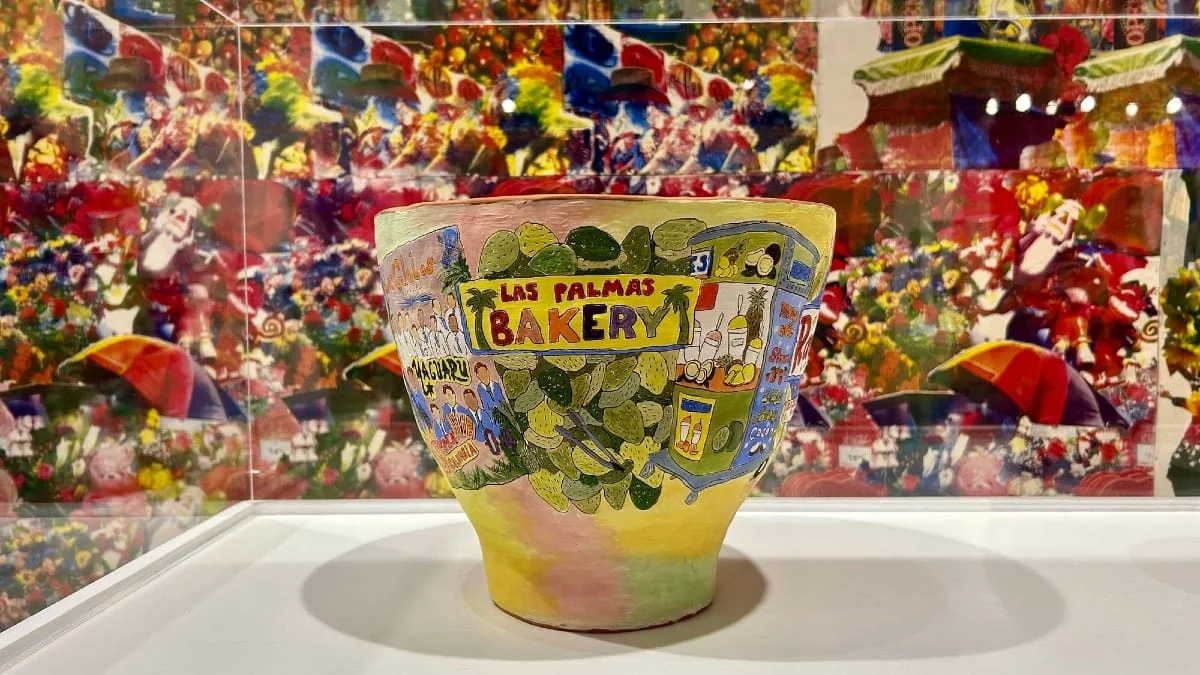
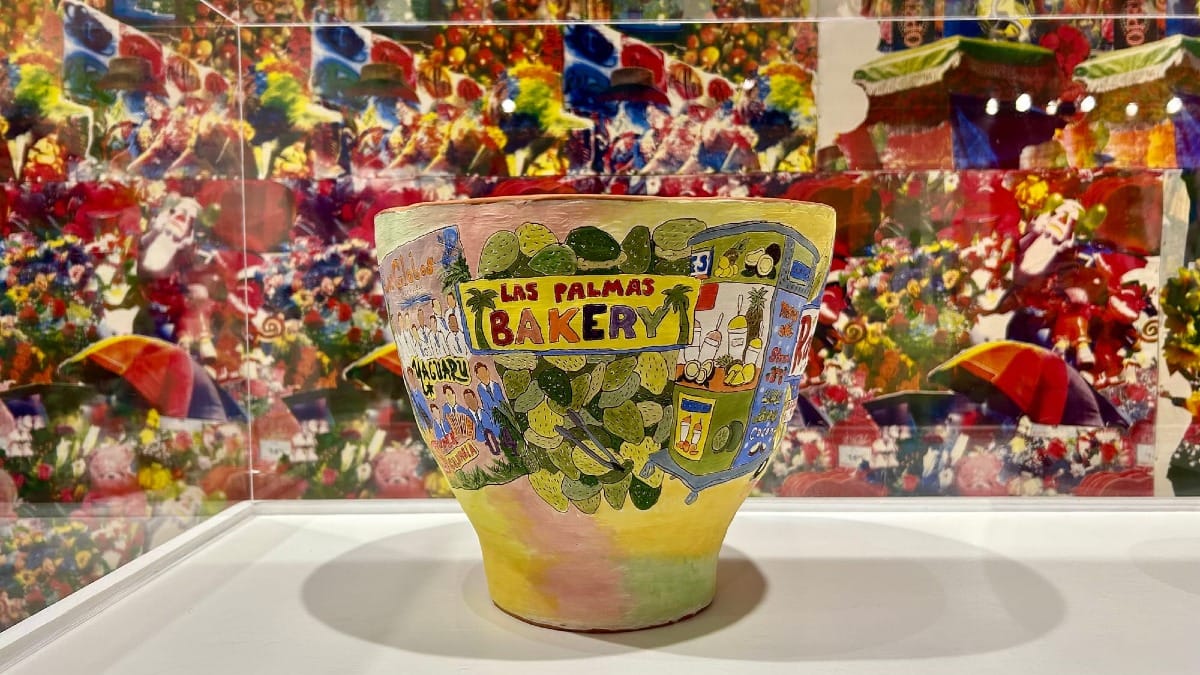
Mia Lopez’s curation intentionally blurs the line between the "high-brow" gallery space and the "low-brow" market stall. By inviting artists who utilize accessible materials—like the ceramic work of Sarita Garcia, whose Randy’s, Los Globos, Las Palmas highlights the specific aesthetic of a local landmark—the exhibition bridges the gap between the art world and the lived experience of the community.
Implications: The Future of Latinx Contemporary Art
What does Mercado/Material signal for the future of the arts in the American Southwest?
1. The Reclamation of Pop Aesthetics
For decades, the canon of Pop art has been dominated by a specific, largely Western-centric perspective. Mercado/Material asserts that Latinx artists have their own visual vernacular for consumerism—one that is deeply tied to cultural survival and community memory rather than just the critique of mass production. This exhibition positions these artists not as followers of the Pop tradition, but as innovators who are expanding the boundaries of what constitutes "Pop" in the 21st century.

2. The Role of the Gallery as a Community Anchor
The success of the Centro de Artes proves that public funding for the arts can have a measurable, positive impact on civic engagement. By focusing on themes that reflect the specific demographic and historical makeup of San Antonio, the gallery fosters a sense of pride and ownership among residents. The exhibition demonstrates that art does not need to be exclusive to be excellent; it can be deeply rooted in local culture while simultaneously holding its own on the national stage.
3. Economic and Cultural Interdependence
The themes of the exhibition—labor, commerce, and the market—serve as a meta-commentary on the current state of the global economy. By focusing on the "material" aspects of culture, the artists invite viewers to consider who makes the goods we use, how they are marketed, and how they define our status and identity. As we look toward 2027, the exhibition will likely serve as a case study for how cultural institutions can use their platforms to bridge the gap between historical heritage and contemporary socio-economic realities.
Conclusion: A Must-See Experience
Mercado/Material is a rare achievement: an exhibition that is intellectually demanding yet visually accessible, historically grounded yet forward-looking. As it continues its run through March 7, 2027, it stands as a monument to the endurance and ingenuity of the Latinx experience.
Whether you are a collector, an art student, or a casual observer, the exhibition offers a lens through which to view the everyday world with renewed clarity. The humble fruit cup, the neighborhood bodega, and the vibrant colors of the market are no longer just scenery; they are the materials from which a complex, beautiful, and resilient identity is built.
For those planning to visit, the Centro de Artes remains free to the public, offering a welcoming, inclusive space for all. To stay informed about upcoming artist talks, guided tours, and supplementary programming, visitors are encouraged to visit sa.gov. In a world that often moves too quickly to notice the details, Mercado/Material invites us to pause, look, and appreciate the profound significance of the things we hold in our hands.

 Pevita Pearce

 Rifan Muazin






