




 Layla Zulfa

A comprehensive and sobering new report published in the journal BioScience has issued a stark “diagnosis” for the planet, revealing that the Earth’s life-sustaining systems are in a state of unprecedented distress. The 2024 "State of the Climate" report, the seventh annual installment led by a global coalition of scientists, warns that the window for avoiding catastrophic climate destabilization is rapidly closing. Of the 16 key climate indicators tracked by the researchers, seven—or approximately 44 percent—have reached record-breaking extremes, signaling that global warming is no longer a distant threat but a present-day reality impacting every corner of the globe.
The report moves beyond mere warnings of future peril, instead presenting a data-driven assessment of a planet in the midst of a metabolic crisis. From record-high greenhouse gas concentrations to the rapid thinning of glaciers and the unprecedented expansion of global livestock populations, the findings underscore a fundamental disconnect between international climate goals and the current trajectory of human activity.
Main Facts: A System in Overdrive
The core of the BioScience report centers on the concept of "planetary vital signs." Much like a physician monitors a patient’s blood pressure or heart rate, scientists track specific environmental metrics to gauge the health of the Earth’s climate system. The latest data suggests the patient is in critical condition.
The most alarming findings involve the concentration of atmospheric greenhouse gases. Carbon dioxide (CO2), methane (CH4), and nitrous oxide (N2O)—the primary drivers of the greenhouse effect—all reached record highs in 2024. These gases, largely byproducts of fossil fuel combustion and industrial agriculture, act as a blanket, trapping heat within the atmosphere.
Furthermore, the report highlights a dangerous trend in the "Earth Energy Imbalance" (EEI). This metric measures the difference between the amount of solar energy the Earth absorbs and the amount it radiates back into space. Currently, the planet is absorbing significantly more energy than it releases, leading to the rapid warming of the oceans and the atmosphere. This imbalance is a precursor to more frequent and intense weather events, including heatwaves, hurricanes, and floods.
Perhaps most concerning is the researchers’ observation of "feedback loops." These are self-reinforcing cycles where the effects of global warming lead to further warming. For example, as the planet heats up, Arctic permafrost melts, releasing massive amounts of stored methane. This methane then accelerates warming, leading to even more permafrost melt. The report identifies wildfires as another critical feedback loop: as temperatures rise and forests dry out, fires become more frequent and intense, releasing the carbon stored in trees back into the atmosphere and further fueling the greenhouse effect.
Chronology of a Crisis: From Warning to Reality
The 2024 report is part of a decade-long effort by scientists to communicate the urgency of the climate crisis. The lineage of this research dates back to the 1992 "World Scientists’ Warning to Humanity" and the 2017 "Second Warning," which was signed by more than 15,000 scientists.
Over the last seven years, the "State of the Climate" reports have documented a steady decline in planetary health. In the early 2010s, many of the indicators now at record extremes were viewed as "warning signs" for the mid-21st century. However, the chronology of the last five years shows an acceleration that has outpaced many scientific models.
- 1960s–Present: The report notes a steady and dramatic rise in ruminant livestock populations. In 2024, the number of cattle, sheep, and goats reached its highest point in recorded history, creating a massive source of methane emissions that has grown alongside industrialization.
- The 2020s Surge: The last three years have seen a convergence of record-breaking ocean temperatures and the lowest recorded levels of glacier thickness and Greenland ice mass.
- 2024 Milestone: This year marks a turning point where the "distant future" of climate change has arrived. Per capita meat production hit an all-time high, and the frequency of billion-dollar weather disasters has reached a point where the global insurance and economic systems are beginning to feel the strain.
Supporting Data: The Metrics of Instability
To understand the gravity of the situation, one must look at the specific data points that define the 2024 report. The authors emphasize that these numbers are not just statistics; they represent physical changes to the environment that sustain human life.
1. Greenhouse Gas Concentrations
- Carbon Dioxide: Concentrations continue to climb as fossil fuel use remains high despite the growth of renewable energy.
- Methane: This gas is 28 times more effective than CO2 at trapping heat over a 100-year period. Its concentration is rising faster than at any time in the last 800,000 years, driven by leaks in gas infrastructure and the digestive processes of livestock.
- Nitrous Oxide: Primarily a byproduct of synthetic fertilizers used in industrial agriculture, its rise reflects the intensification of the global food system.
2. The Cryosphere and Oceans
- Glacier Thickness: Global glaciers are losing mass at a rate that threatens the water security of billions of people who rely on meltwater for agriculture and drinking.
- Greenland Ice Mass: The melting of the Greenland ice sheet has hit record lows, contributing significantly to sea-level rise.
- Ocean Heat Content: More than 90% of the excess heat trapped by greenhouse gases is absorbed by the oceans. This is causing thermal expansion (rising sea levels) and disrupting marine ecosystems and "blue carbon" sinks.
3. The Livestock Factor
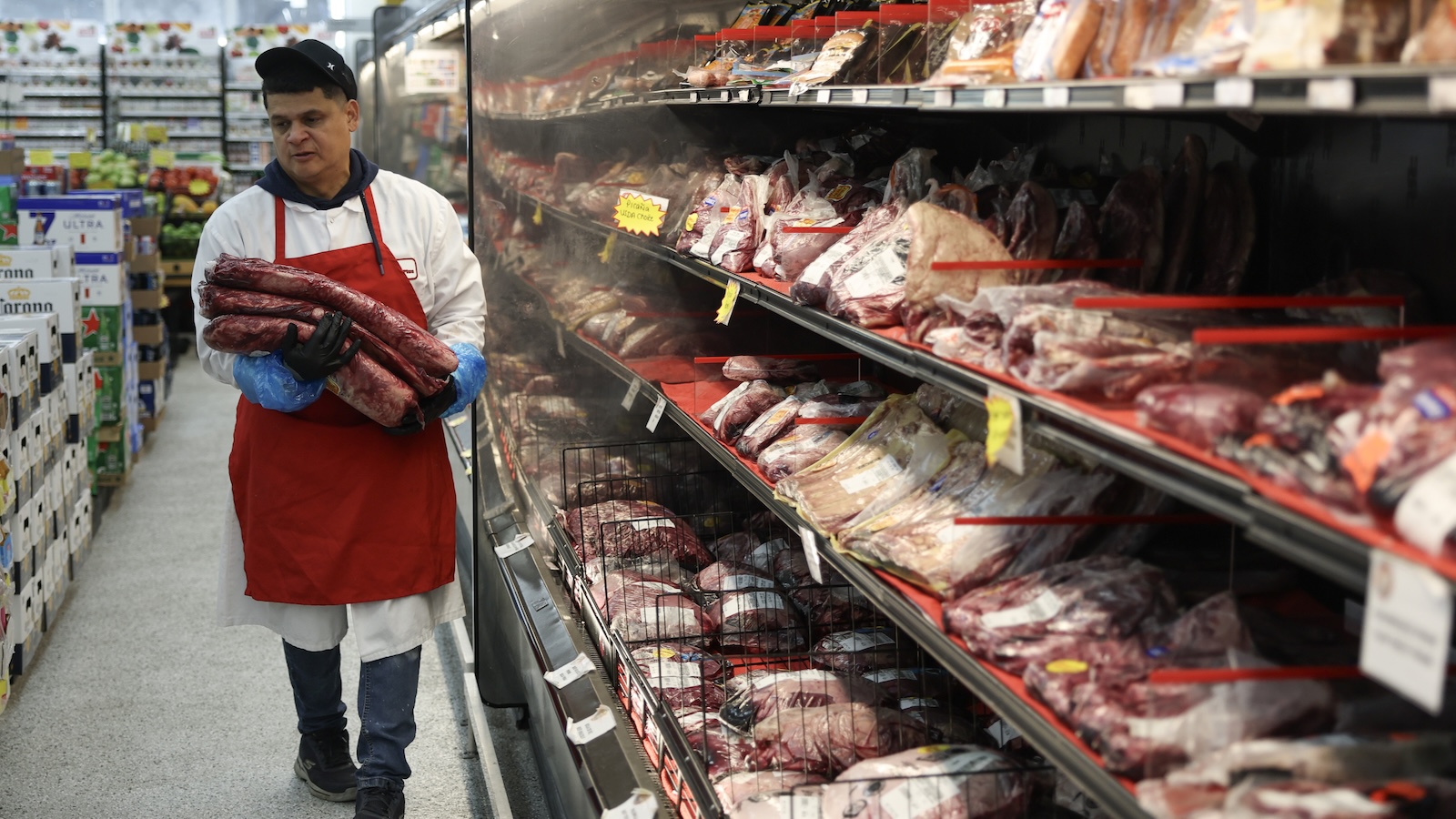
The report places a heavy emphasis on the role of ruminant animals. There are currently more than 4 billion ruminants on Earth. Because these animals (cattle, sheep, goats) emit methane through enteric fermentation, their sheer numbers have become a primary driver of short-term warming. In 2024, global meat production reached a record per capita level, reflecting a global shift toward Western-style diets in developing nations.
Official Responses and Expert Analysis
The report’s lead author, William Ripple, a professor of ecology at Oregon State University, has been vocal about the need for a fundamental shift in how humanity interacts with the planet. Ripple argues that the data provides a clear roadmap for action, particularly regarding the food system.
"Shifting toward more plant-based diets, especially in countries with high meat consumption, could make a meaningful difference," Ripple stated. He points out that while CO2 persists in the atmosphere for centuries, methane has a relatively short lifespan of about a decade. This means that reducing methane emissions—primarily through changes in agriculture—is one of the fastest ways to "apply the brakes" on global warming in the near term.
Timothy Searchinger, a senior research scholar at Princeton University and an expert on agriculture and climate, echoed these sentiments. Although he was not an author of the BioScience report, Searchinger’s research supports the findings regarding land-use efficiency. He notes that the conversion of forests and grasslands into cattle pastures is a primary driver of deforestation.
"We can’t solve climate change unless we stop such clearing of carbon-rich habitats," Searchinger noted. He provided a practical metric for the average consumer: "Just eating 1.5 hamburgers a week on average instead of three is one of the basic ways Americans can help address climate change."
The official consensus among the report’s authors is that while technological solutions like carbon capture and renewable energy are vital, they cannot succeed in a vacuum. Without addressing the underlying drivers of consumption—particularly in the energy and agricultural sectors—the "vital signs" of the planet will continue to deteriorate.
Implications: Food Security and the Path Forward
The implications of the BioScience report are far-reaching, touching on everything from global economics to individual lifestyle choices. The researchers argue that the current global food system is "wildly inefficient."
The Efficiency Crisis
A significant portion of the world’s arable land is currently dedicated to growing crops like corn and soy, not to feed people directly, but to feed livestock. Ripple argues that at a time when climate change is actively threatening global food security through droughts and soil degradation, humanity can no longer afford to use its productive land so inefficiently. Converting some of this land back into carbon-sinking ecosystems (forests or wetlands) or using it to grow plant-based foods for direct human consumption would create a more resilient food web.
The Methane Opportunity
Because methane is such a potent but short-lived gas, it represents a "silver lining" in the climate fight. Immediate reductions in methane emissions could lead to a measurable slowdown in the rate of warming within a decade. This provides a crucial buffer as the world works on the much more difficult, long-term task of decarbonizing the entire global energy grid.
Tipping Points and Social Stability
The report warns that as more indicators reach record extremes, the risk of crossing "tipping points"—thresholds beyond which climate changes become irreversible—increases. These shifts could lead to mass migrations, economic instability, and the collapse of regional agricultural systems.
The 2024 "State of the Climate" report serves as a final call for systemic change. The authors conclude that the "diagnosis" is clear: the Earth’s systems are under extreme stress. However, unlike a biological illness, the "patient" in this case is being affected by factors entirely within human control. The transition to a sustainable future will require a dual approach: a rapid phase-out of fossil fuels and a wholesale reimagining of the global food system to prioritize efficiency, carbon sequestration, and planetary health.


 Nana

 Ammar Sabilarrohman






