
 Lina Hope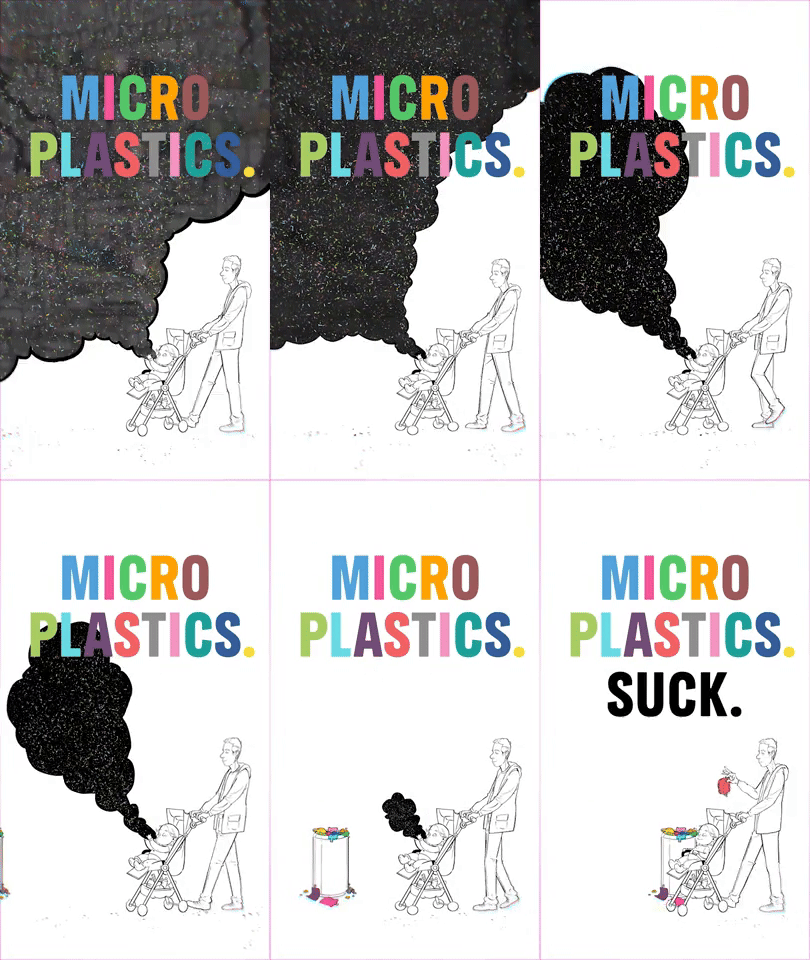
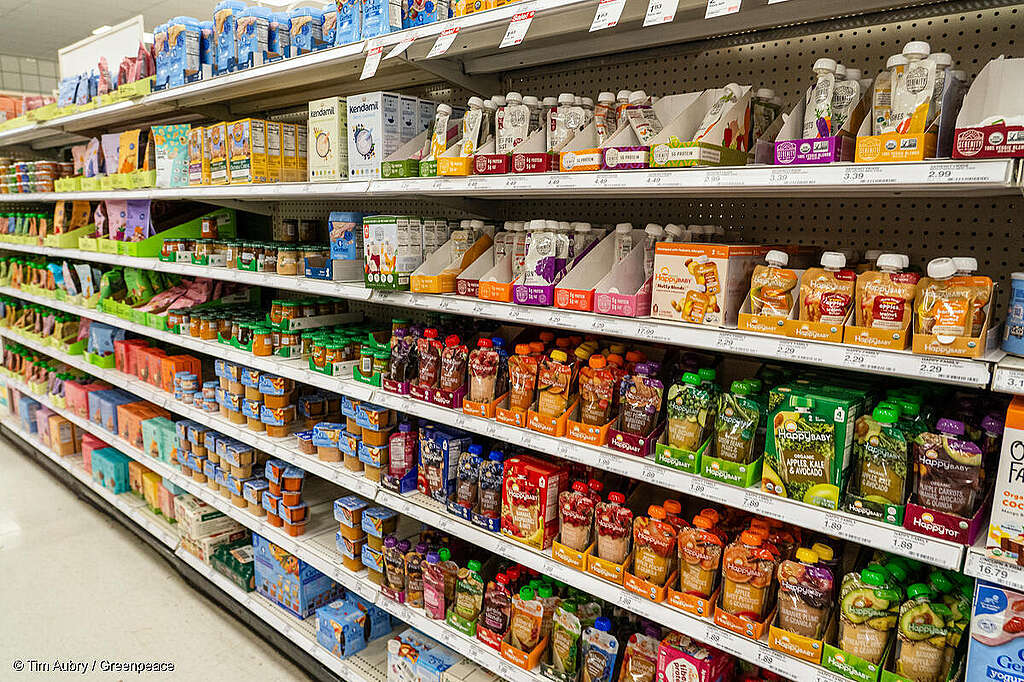
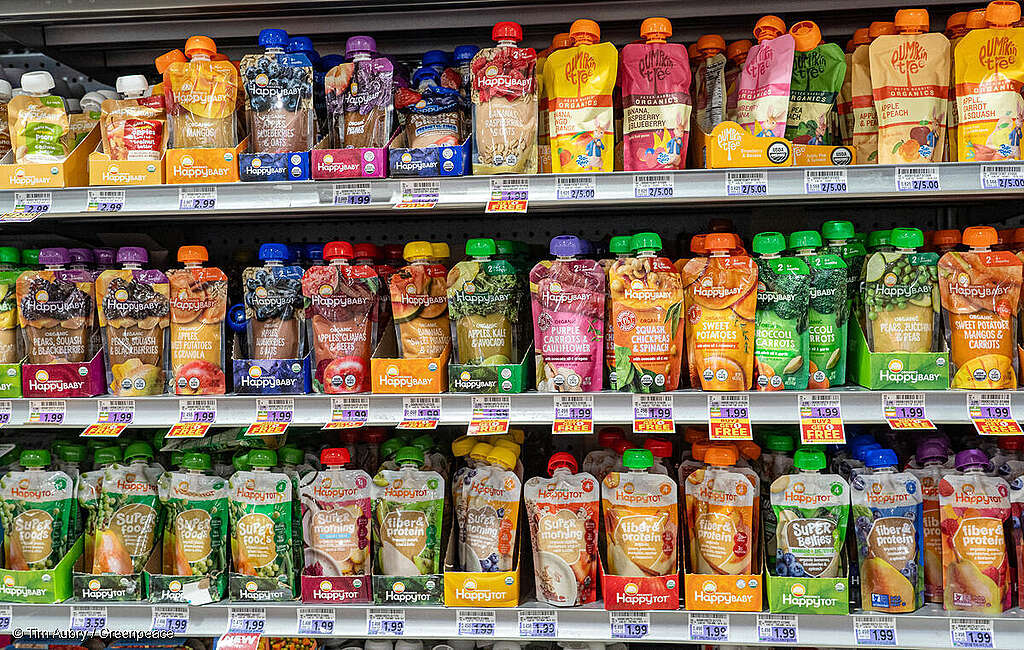
For decades, the image of a healthy baby was synonymous with glass jars and home-prepared meals. Yet, for modern parents navigating the frantic pace of the 21st century, the baby food aisle has undergone a radical, and perhaps dangerous, transformation. Today, shelves are dominated by colorful, convenient, and ubiquitous "squeeze-and-suck" plastic pouches. While these products promise nutrition on the go, a startling new investigation by Greenpeace International suggests that they may be delivering something far more sinister: a steady dose of microplastics and endocrine-disrupting chemicals.
As we grapple with a global plastic crisis that permeates every corner of our ecosystem, the realization that our most vulnerable citizens—infants—are consuming plastic with their first bites of solid food is nothing short of a public health alarm.
The Investigation: A Deep Dive into Microplastic Contamination
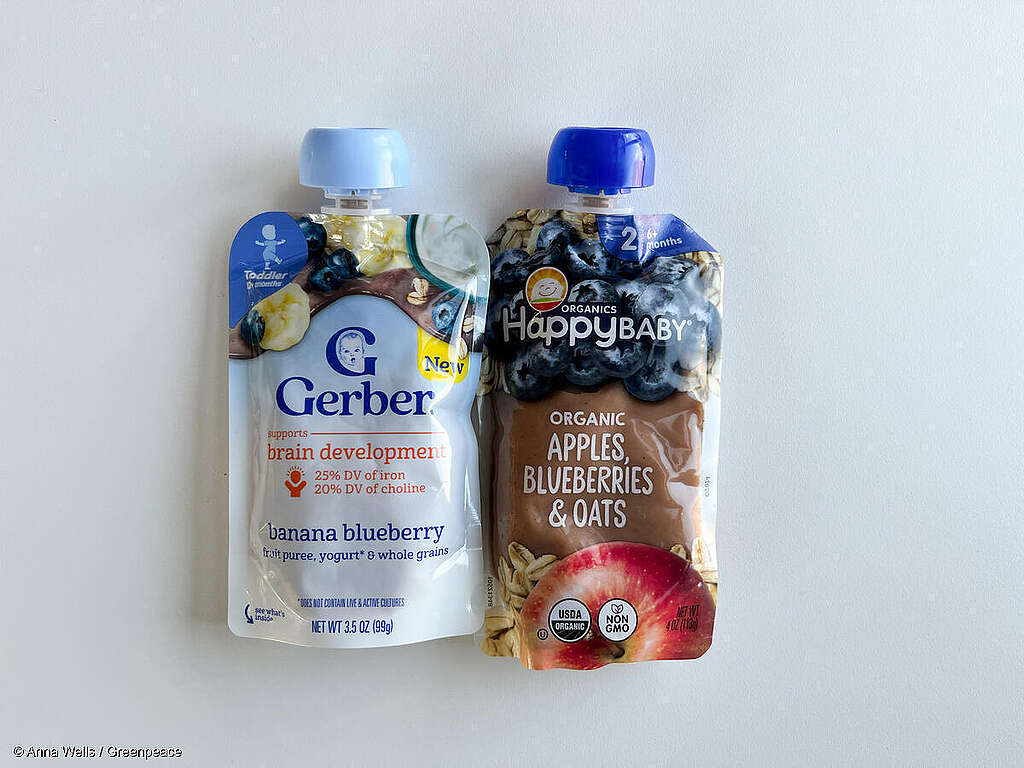
In the recently released report, Tiny Plastics, Big Problem: The Hidden Health Risks of Plastic Pouches for Baby Food, Greenpeace International commissioned independent laboratories to analyze the contents of popular baby food products. The study focused on two industry heavyweights: Nestlé’s Gerber brand yogurt-based purées and Danone’s Happy Baby Organics fruit-based purées. Both products are packaged in multilayered, flexible plastic spout pouches—a format marketed for its convenience.
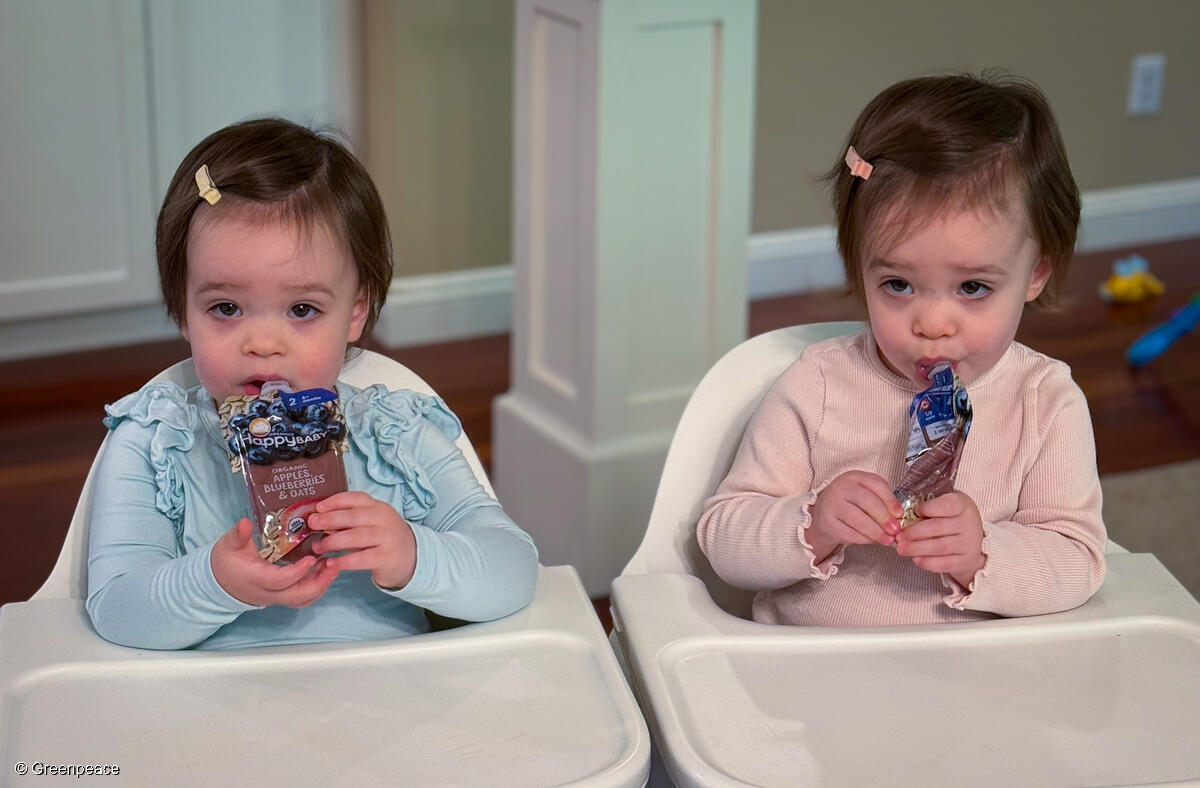
The findings were both sobering and statistically significant. The lab analysis revealed the presence of microplastics in both product lines. In the Gerber pouches, researchers identified up to 54 microplastic particles per gram of food. The results for Happy Baby Organics were even higher, with an average of up to 99 particles per gram. To put these figures into perspective for parents: a single teaspoon of these products could contain between 270 and 495 particles of plastic. Across a single pouch, a baby could be ingesting upwards of 5,000 to 11,000 microplastic particles.
The Chemistry of Contamination
The investigation suggests that the issue is not merely accidental contamination but a systemic failure of packaging design. The pouches in question are typically constructed from multilayered films, often incorporating polyethylene. The evidence indicates that these materials may be shedding microplastics directly into the food they contain. Furthermore, the testing identified a range of chemical additives within the food, including known endocrine-disrupting chemicals found in the Gerber yogurt products. These chemicals, when introduced to a developing infant’s endocrine system, pose significant, long-term health risks that the industry has yet to adequately address.
A Chronology of Corporate Negligence
The rise of the plastic pouch is not an overnight phenomenon; it is the result of a decades-long push by multinational corporations to prioritize shelf-life, shipping weight, and marketing aesthetics over material safety and sustainability.
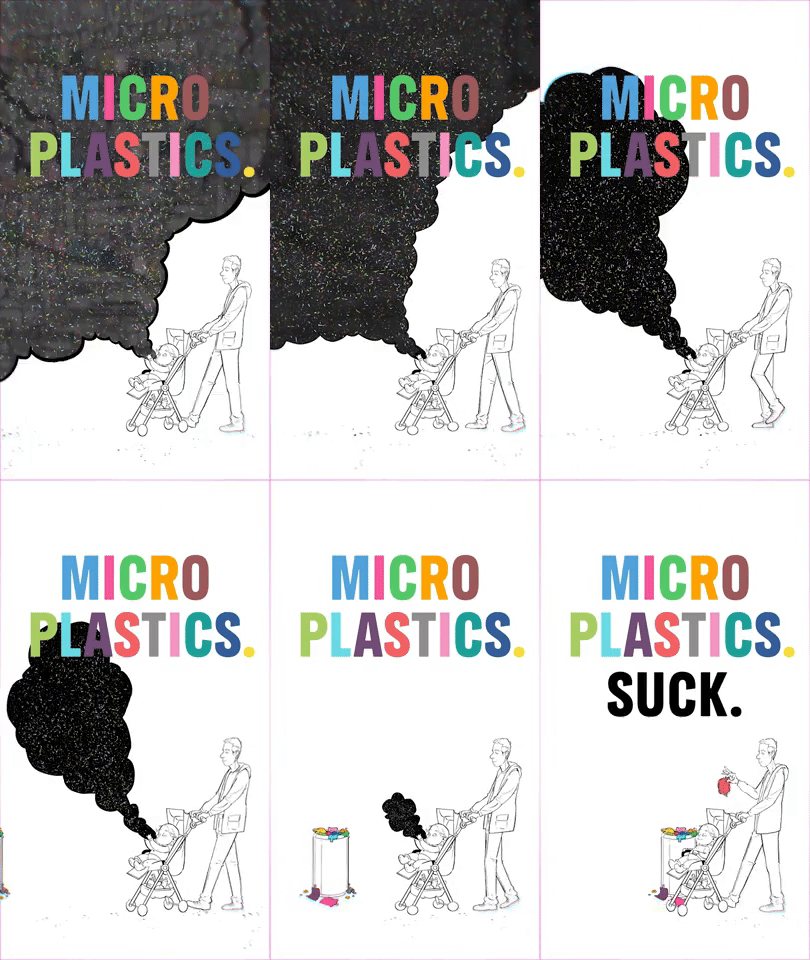
- The Rise of Convenience (2010–2015): As the "on-the-go" lifestyle became the global standard, food companies began aggressively pivoting away from glass packaging. The transition to flexible, lightweight plastic pouches was hailed as an innovation in supply chain efficiency and consumer convenience.
- The First Warning Signs (2018–2021): Independent environmental groups and academic researchers began publishing studies on the prevalence of microplastics in processed foods. While early focus remained on bottled water and seafood, the packaging industry dismissed concerns as "negligible" or "within regulatory limits."
- Growing Scrutiny (2022–2024): As plastic production hit record highs, global brand audits conducted by the Break Free from Plastic movement repeatedly named Nestlé and Danone among the world’s top plastic polluters. Despite public commitments to "recyclability," the actual recycling rates for these multilayered pouches remained near zero.
- The 2025 Investigation: Greenpeace International commissioned the current laboratory study to specifically address the gap in data regarding baby food. The results confirmed that the "convenience" model is fundamentally flawed, as these pouches are technically impossible to recycle effectively and are shedding particles into the food supply.
Supporting Data: Why "Recyclable" is a Myth
The industry often defends its reliance on plastic by citing "voluntary commitments" toward a circular economy. However, the technical reality of flexible pouches is that they are a "multilayered disaster."
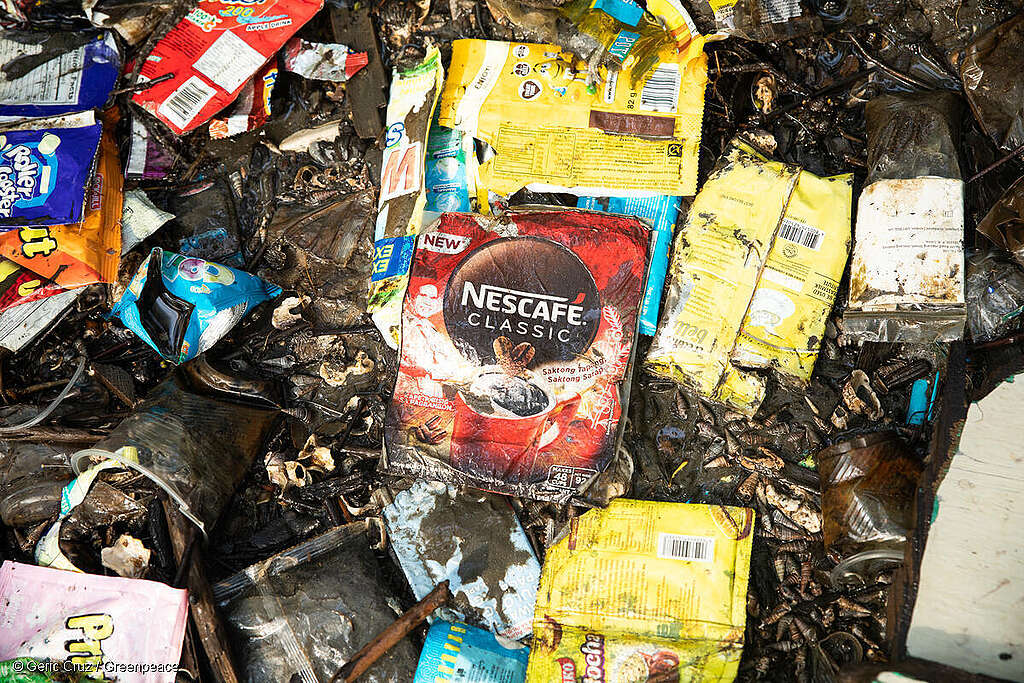
According to global waste management data, approximately 40% of all plastic produced annually is destined for packaging. Unlike glass or aluminum, which can be infinitely recycled, the plastic used in baby food pouches is a complex blend of polymers and foils designed for durability and shelf stability. Because these layers are fused together, they cannot be separated by standard recycling facilities. Consequently, these millions of pouches end up in landfills, incinerators, or, inevitably, the environment, where they fragment into the very microplastics now being found in our children’s food.
The scale of the production is staggering. Nestlé and Danone produce upwards of a million tonnes of plastic packaging annually. With a combined market share of approximately 40% of the global baby food sector, their decisions dictate the health of the global food chain. When they choose plastic over glass or refillable steel, they are not just making a business decision; they are setting a global standard that impacts millions of households.
Official Responses and the Corporate Silence
To date, the response from the corporate giants has been largely characterized by a reliance on existing, lax regulatory frameworks. When faced with inquiries regarding the presence of microplastics, companies frequently point to their adherence to "food safety standards." However, these standards are often outdated and fail to account for the emerging science of microplastic toxicity.
Critics argue that "meeting legal requirements" is an insufficient defense when the product involves the dietary foundation of infants. There has been a notable lack of transparency regarding the internal testing conducted by these companies prior to products hitting the shelves. Have they tested for microplastic leaching? If so, why have the results not been made public? The absence of a proactive recall or a commitment to phase out plastic pouches suggests that the companies are more concerned with protecting their profit margins than the health of their youngest consumers.
Implications: The High Cost of Inaction
The implications of these findings are profound, affecting everything from public health policy to the fundamental relationship between consumer and corporation.
A Public Health Crisis
Microplastics are not inert. They are known to carry and leach toxic additives, including phthalates and bisphenols, which are linked to hormonal imbalances, reproductive issues, and developmental delays in children. By exposing babies to these substances during the most critical period of their physical and neurological development, we are effectively conducting an uncontrolled, generational experiment on human health.
The Erosion of Parental Trust
Parents are conditioned to believe that major brands are subject to rigorous safety oversight. The revelation that the "convenience" of a pouch comes at the cost of potential toxic contamination is a significant breach of that social contract. It leaves parents in a difficult position: forced to choose between the necessity of accessible, affordable food and the desire to avoid plastic-contaminated products.
A Call for Systemic Change
The current model of "voluntary responsibility" has failed. As long as corporations are allowed to dictate the packaging format without regard for the full lifecycle impact, the pollution will continue. The solution lies in a fundamental shift toward non-toxic, plastic-free alternatives. This includes a return to glass, the development of robust refill systems, and, most importantly, the implementation of a legally binding Global Plastics Treaty.
Conclusion: Turning off the Tap
We are currently at a crossroads. The evidence is clear: the current packaging model for baby food is a failure of both environmental stewardship and consumer protection. Governments worldwide must move beyond the "precautionary principle"—the idea that one should act with caution in the face of scientific uncertainty—and move toward direct regulation.
The burden of proof regarding the safety of these materials must shift from the consumer to the corporation. It is no longer acceptable for companies to profit from the degradation of our ecosystems and the potential health risks to our children.
The age of plastic has been built on the promise of convenience, but we are now paying the price in a currency that matters far more: our future. By supporting a strong Global Plastics Treaty, we can force a pivot away from this toxic dependency. It is time to turn off the tap on plastic production, prioritize the health of the next generation, and demand that the food we feed our children is as pure as the future we hope for them.
Sarah King is a senior campaign strategist for the Greenpeace Plastic Free Future campaign. To learn more about the campaign and to sign the petition for a strong Global Plastics Treaty, visit the official Greenpeace website.

 Rifan Muazin
 Layla Zulfa