




 Asep Darmawan
Executive Summary: A New Frontier in Bio-Remediation
The ubiquity of microplastics has transitioned from a niche environmental concern to an urgent public health crisis. Recent studies have confirmed the presence of these synthetic polymers in the air we breathe, the water we drink, and even the placental tissues of newborn babies. As the global community grapples with the systemic challenges of plastic pollution, a new category of biotechnology is emerging: environmental probiotics.
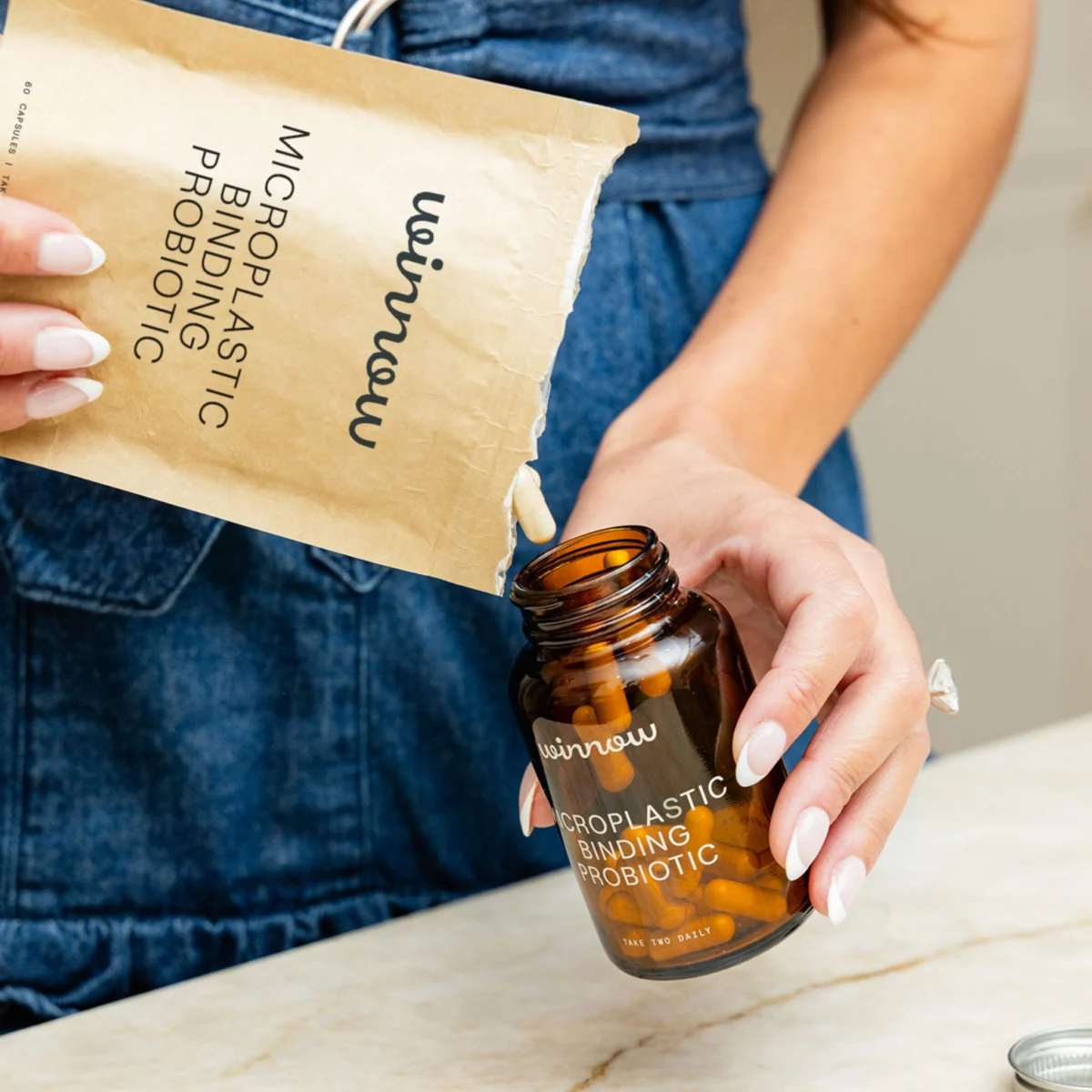
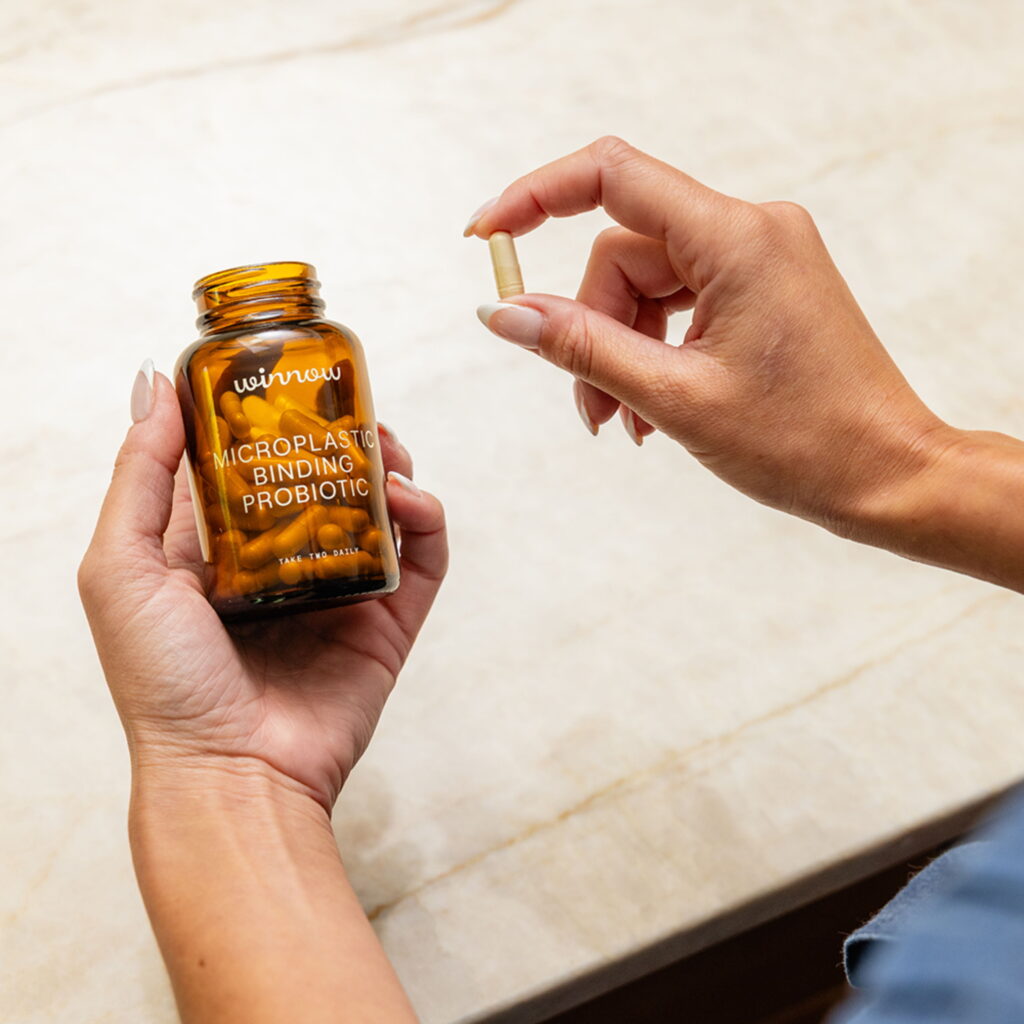
At the forefront of this movement is Winnow, a specialized daily probiotic designed not only to support digestive health but to actively bind and facilitate the excretion of ingested microplastics. Utilizing a mechanism known as surface adsorption, Winnow represents a shift toward individualized bio-remediation—equipping the human microbiome with specific bacterial strains capable of intercepting synthetic pollutants before they can accumulate in the intestinal lining. While its creators emphasize that supplements are not a substitute for systemic regulation, the science behind microplastic-binding probiotics offers a compelling look at how human health may adapt to a plastic-saturated world.
Main Facts: The Mechanism of Microbial Binding
Winnow is marketed as a dual-action supplement. On one hand, it functions as a premium probiotic, utilizing well-documented strains to support gut barrier integrity and digestive regularity. On the other, it introduces a novel application of microbiology: the use of bacteria as "biological magnets" for synthetic polymers.
The Strains Involved
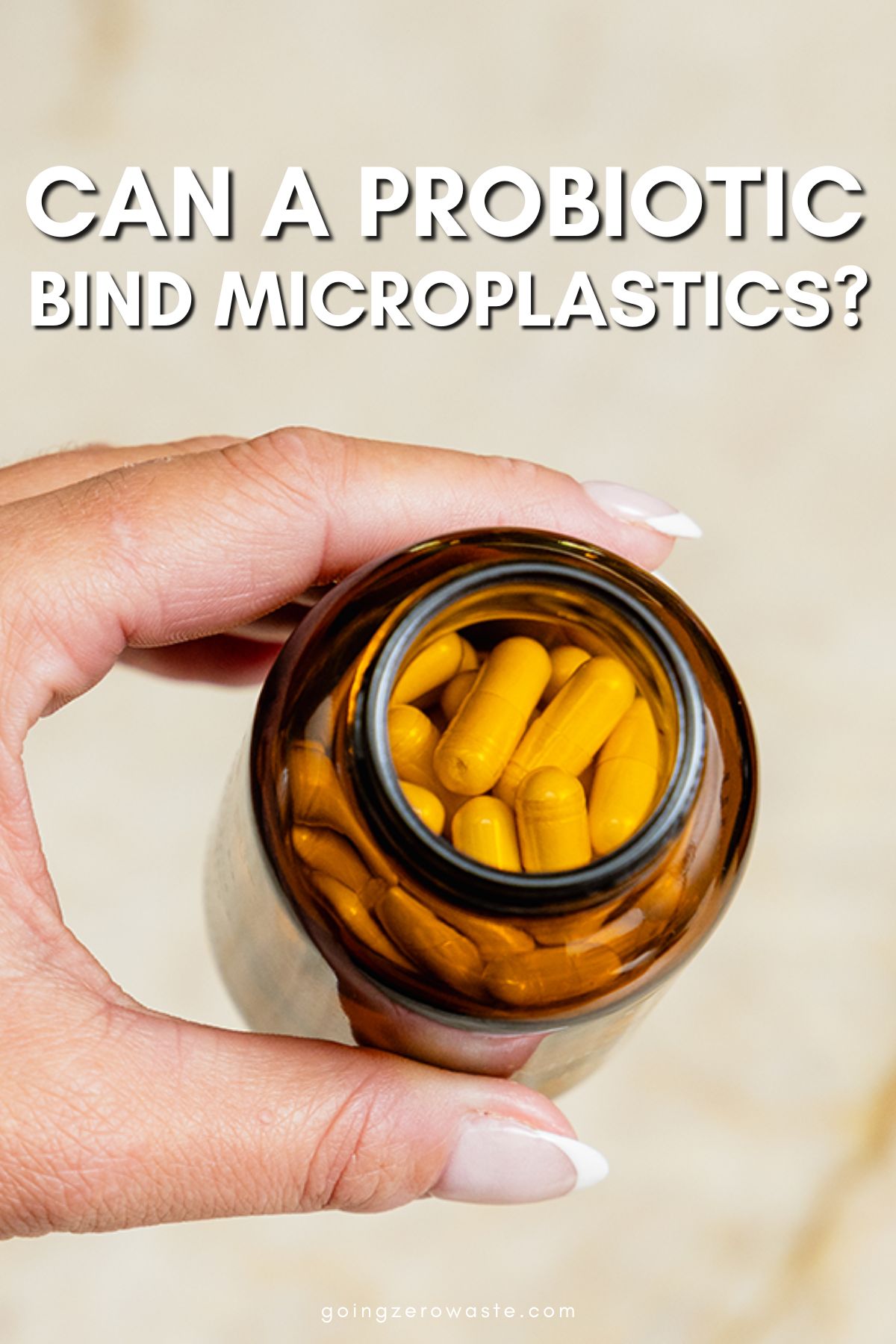
The formula relies on a "clinical backbone" of three primary strains:
- L. rhamnosus ATCC 53103: Traditionally used for immune support and intestinal health.
- L. reuteri DSM 17938: Studied for its role in digestive comfort and microbiome balance.
- L. acidophilus ATCC SD5212: Known for supporting the gut barrier.
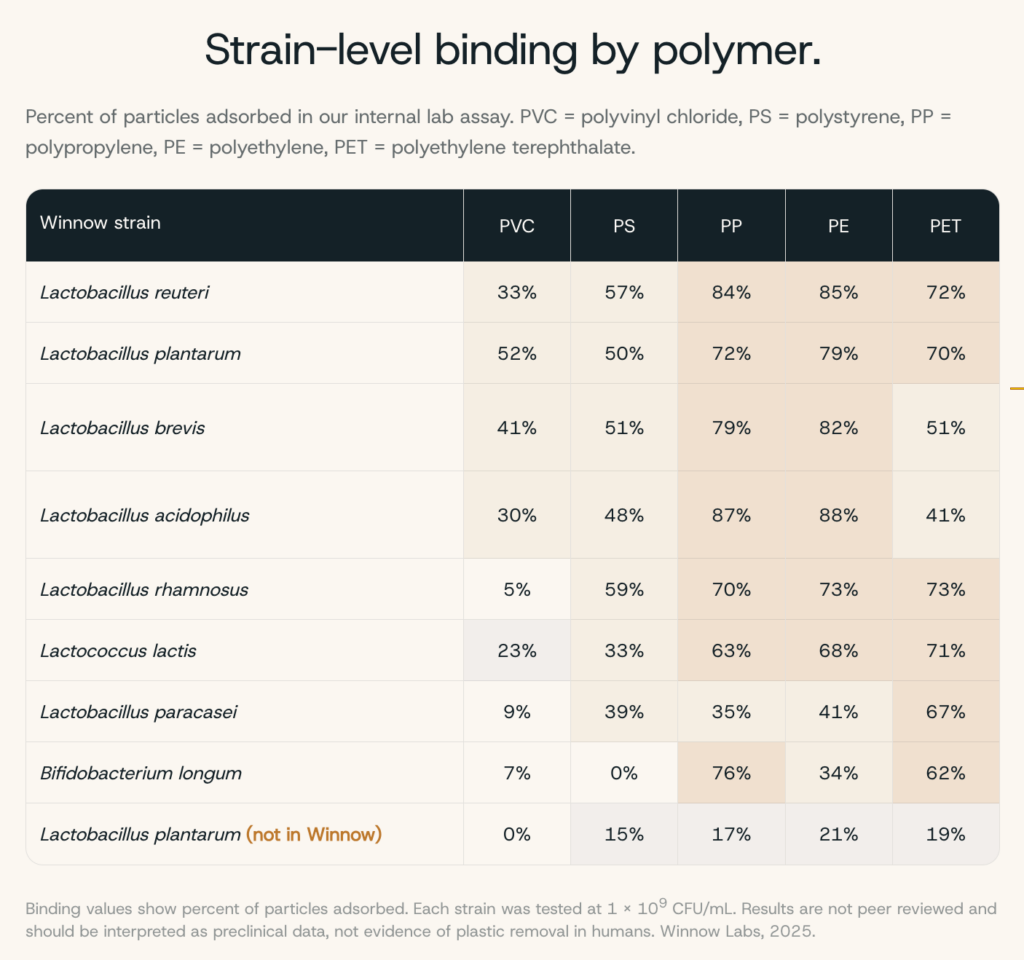
The innovation lies in the selection of these strains based on their "binding potential." According to preclinical testing, these specific bacteria possess surface structures—specifically exopolysaccharides (EPS) and S-layer proteins—that allow microplastic particles to physically adhere to the cell wall of the bacteria. Once bound, these particles are theoretically moved through the digestive tract and excreted, rather than lingering in the gut where they could potentially trigger inflammatory responses.
Plastic-Free Philosophy
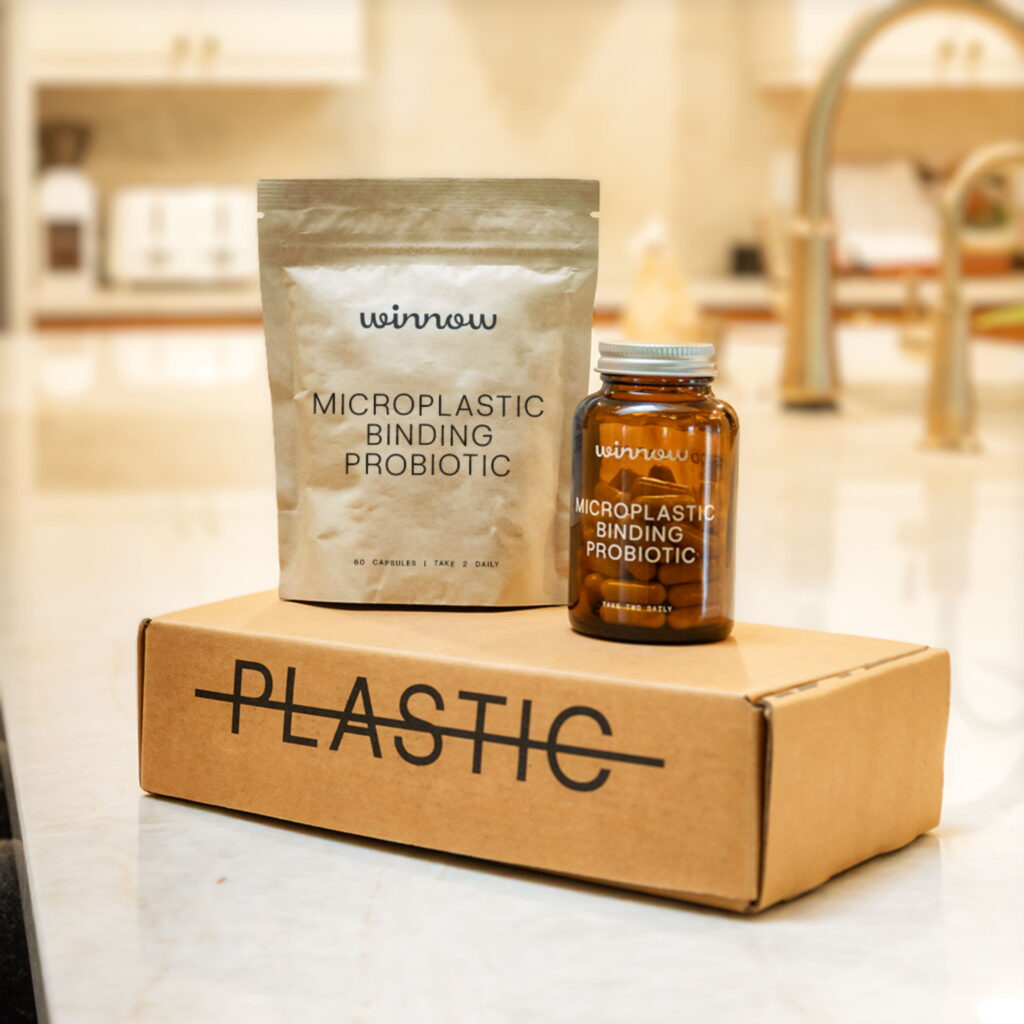
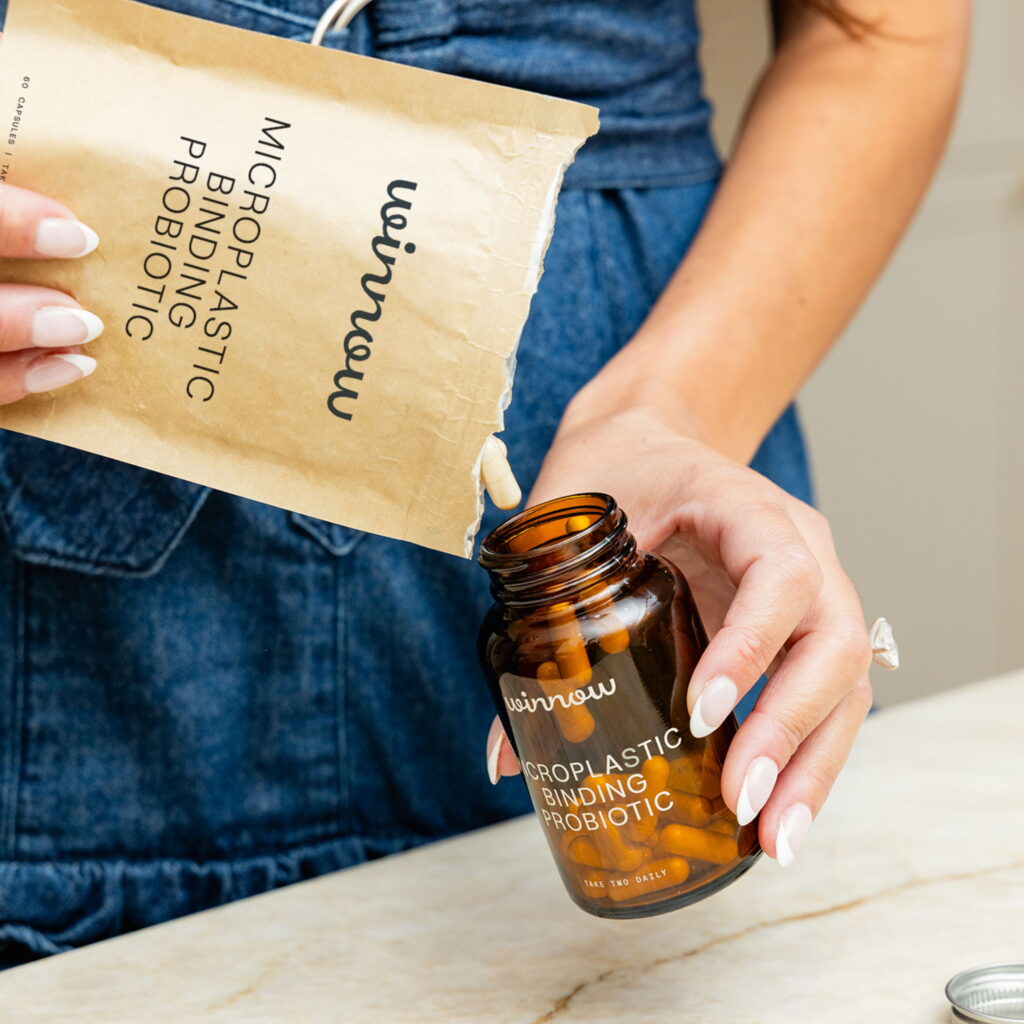
In a move to align its product with its environmental mission, Winnow’s packaging is entirely plastic-free. This addresses a common criticism of the supplement industry: the irony of selling health products in single-use plastic containers that eventually contribute to the very microplastic problem the products aim to solve.
Chronology: From Gut Health to Environmental Intervention
The development of Winnow follows a decade-long trajectory of increasing public awareness regarding the "Great Pacific Garbage Patch" and the subsequent realization that plastic does not disappear—it simply fragments.
- 2014–2020: The Exposure Realization: Research begins to quantify human ingestion of microplastics. Estimates suggest the average person consumes roughly five grams of plastic per week—the equivalent of a credit card.
- 2021–2023: The Microbiome Connection: Scientists start investigating how microplastics interact with gut flora. Studies indicate that microplastics can cause dysbiosis (imbalance in gut bacteria) and "leaky gut" syndrome.
- 2024: The Pivot to Binding Strains: Winnow Labs and similar biotech entities begin screening thousands of bacterial strains to identify those with high "adsorption" rates. Internal testing discovers that multi-strain formulas are significantly more effective than single strains.
- 2025 (Projected/Current Research): Peer-reviewed studies, including a landmark 2025 screening of 784 bacterial strains, identify specific probiotics that increase microplastic excretion in animal models. This research provides the scientific validation necessary for Winnow to move from a conceptual product to a market-ready supplement.
Supporting Data: Quantifying the Adsorption Rate
The efficacy of Winnow is backed by two tiers of data: established human clinical trials for digestive health and preclinical/internal lab testing for microplastic binding.
Internal Lab Findings
Winnow’s internal research focused on common plastic polymers that humans encounter daily, including:
- Polyethylene (PE): Found in plastic bags and bottles.
- Polypropylene (PP): Used in takeout containers and straws.
- Polystyrene (PS): Found in foam packaging and plastic cutlery.
- Polyvinyl Chloride (PVC): Used in pipes and certain food wraps.
- Polyethylene Terephthalate (PET): The standard for beverage bottles.
The data indicates that Winnow’s full multi-strain formula bound 1.8 times more of a blended plastic mix than any single strain alone. This suggests a synergistic effect where different bacterial surfaces are better suited to "grabbing" different types of plastic molecules. In every category tested, the composite formula outperformed the average performance of individual strains, highlighting the importance of a "cocktail" approach to bio-remediation.
Emerging Peer-Reviewed Evidence
A 2025 study cited by industry experts screened nearly 800 strains to determine which could best survive the acidic environment of the stomach while maintaining a "sticky" exterior for plastic. In animal testing, these high-adsorption strains not only increased the volume of plastic found in waste but also showed a measurable reduction in the accumulation of plastic particles within the intestinal tissues themselves. This is a critical distinction, as the primary health concern with microplastics is their ability to translocate from the gut into the bloodstream and organs.
Official Responses: Responsibility and Regulation
Winnow Labs and its advocates maintain a cautious but optimistic stance. A primary concern in the "zero-waste" and environmental community is the risk of moral hazard—the idea that if a "pill" can fix the problem, people and corporations will stop trying to reduce plastic production.
The Company’s Stance
Winnow has been transparent in stating that their product is a "tool for the world we actually live in," rather than a "magic solution." In official communications, the company emphasizes:
"We do not think any supplement replaces reducing plastic exposure, better regulation, safer materials, or holding companies accountable for the amount of plastic they produce."
This position acknowledges that while systemic change is the ultimate goal, individuals currently living in a plastic-dense environment need immediate, biological support.
The Expert Perspective
Environmental health advocates who have tested the product, such as those from the "Going Zero Waste" movement, suggest that Winnow is best suited for "high-exposure" individuals. These are people who frequently use bottled water, eat from takeout containers, or wear synthetic clothing (like polyester and nylon), which shed microfibers that are often inhaled or ingested.
Implications: The Future of Personalized Bio-Defense
The emergence of Winnow signals a broader trend in the health and wellness industry: the "individualization of environmental defense." As global plastic production is projected to triple by 2060, the health implications are profound.
1. The Burden of Protection
The shift toward supplements like Winnow raises ethical questions about who is responsible for health in a polluted world. While Winnow provides an option for those who can afford premium probiotics, it highlights a growing "wellness gap" where protection from environmental toxins becomes a luxury good.
2. Microbiome Engineering
Winnow represents an early stage of "functional microbiome engineering." In the future, we may see probiotics tailored to bind to heavy metals, pesticides, or "forever chemicals" (PFAS). The gut microbiome is increasingly viewed as the body’s first line of defense against the Anthropocene’s chemical legacy.
3. Complementary Lifestyle Changes
Experts agree that Winnow should be the final layer of a "defense-in-depth" strategy. To maximize the effectiveness of any microplastic-binding protocol, individuals are encouraged to:
- Eliminate Heat-Plastic Contact: Never microwave food in plastic containers, as heat accelerates the leaching of microplastics and phthalates.
- Filter Drinking Water: Utilizing high-quality carbon or reverse osmosis filters can remove a significant percentage of microplastics before they are ingested.
- Swap Kitchenware: Replacing scratched plastic cutting boards with wood or glass, and using stainless steel food storage, reduces direct ingestion.
- Dust Regularly: A significant portion of microplastic exposure comes from household dust (mostly synthetic clothing fibers). Regular vacuuming with HEPA filters is essential.
Conclusion
Winnow is a sophisticated response to an unprecedented environmental challenge. By merging the established science of probiotics with the emerging field of microbial adsorption, it offers a proactive way to manage the internal "plastic load" of the human body. However, its greatest value may be as a catalyst for conversation—reminding consumers that while we can attempt to "winnow" the plastic from our systems, the only permanent solution is to stop the flow of plastic at its source.

 Nana

 Ammar Sabilarrohman






