




 Reynand Wu
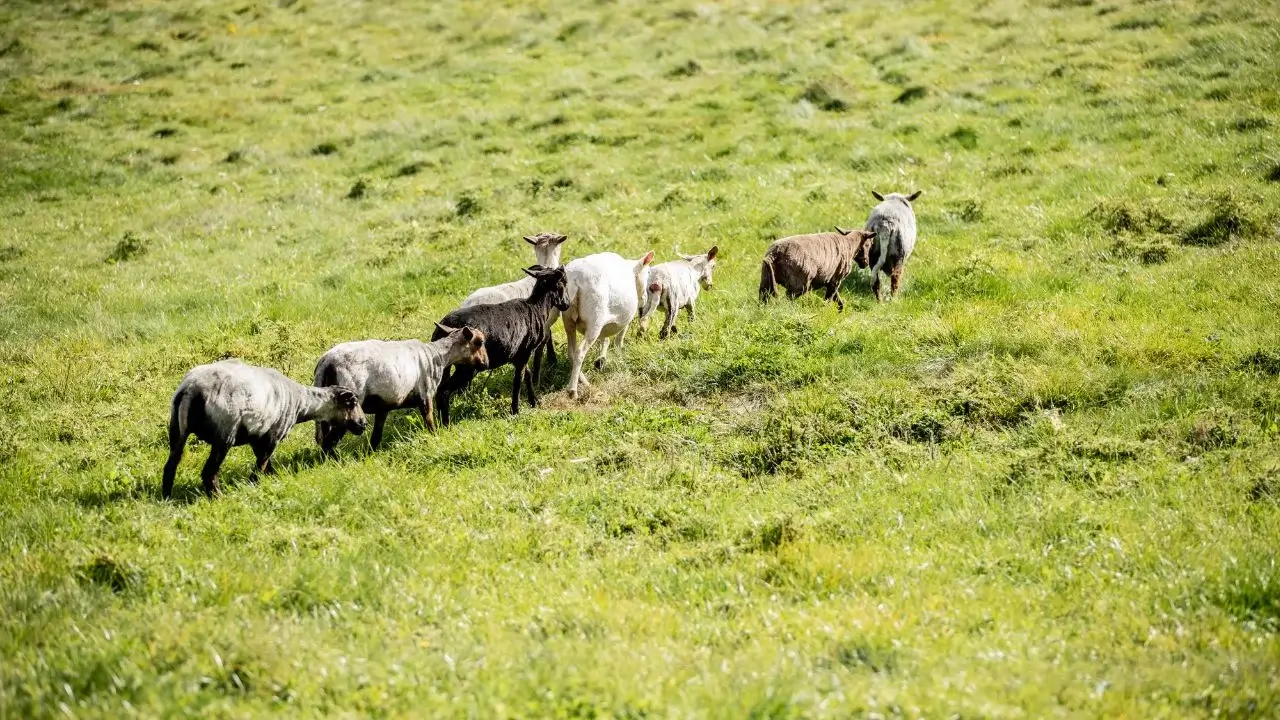
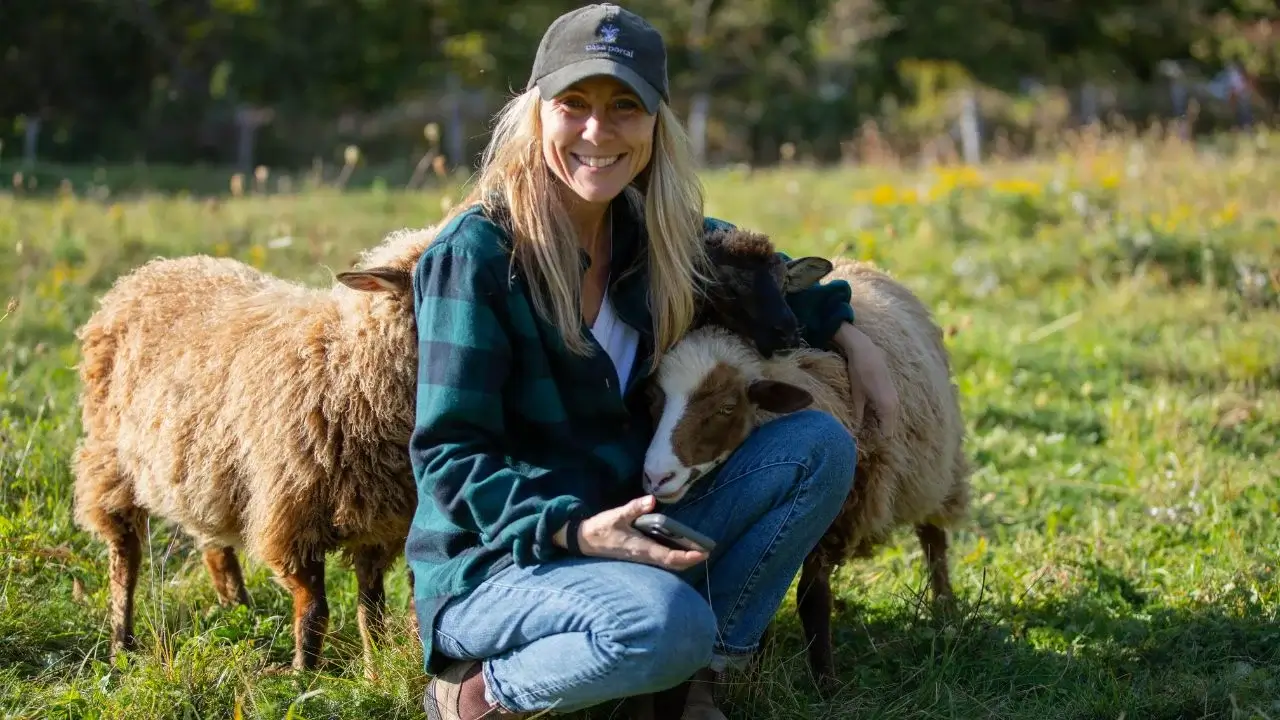
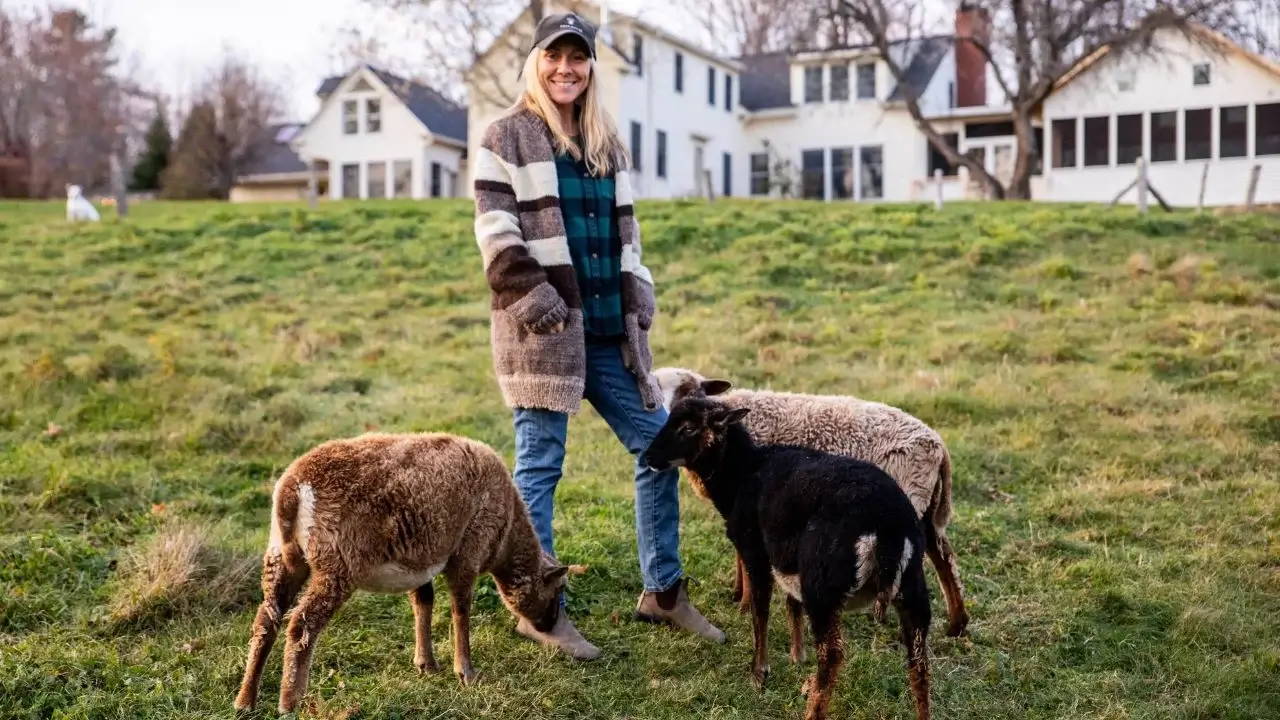
In the rolling, verdant fields of Maine, a quiet revolution is taking place—one that relies not on industrial machinery or high-tech inputs, but on the ancient, rhythmic movement of a flock of Navajo-Churro sheep. At the heart of this transformation is Melissa Schneider, the proprietor of Casa Portal, a farm that has become a beacon for those seeking a more intentional, symbiotic relationship with the earth.
Schneider’s journey from the fast-paced corridors of Los Angeles to the serene, demanding life of a shepherdess in the Northeast is more than a personal pivot; it is a case study in the growing movement toward regenerative agriculture. By centering her farm around a heritage breed with a storied, often tragic history, Schneider is proving that the future of farming may well lie in looking backward to the traditions of land stewardship that prioritize resilience over extraction.
The Genesis of Casa Portal: A Shift in Rhythm
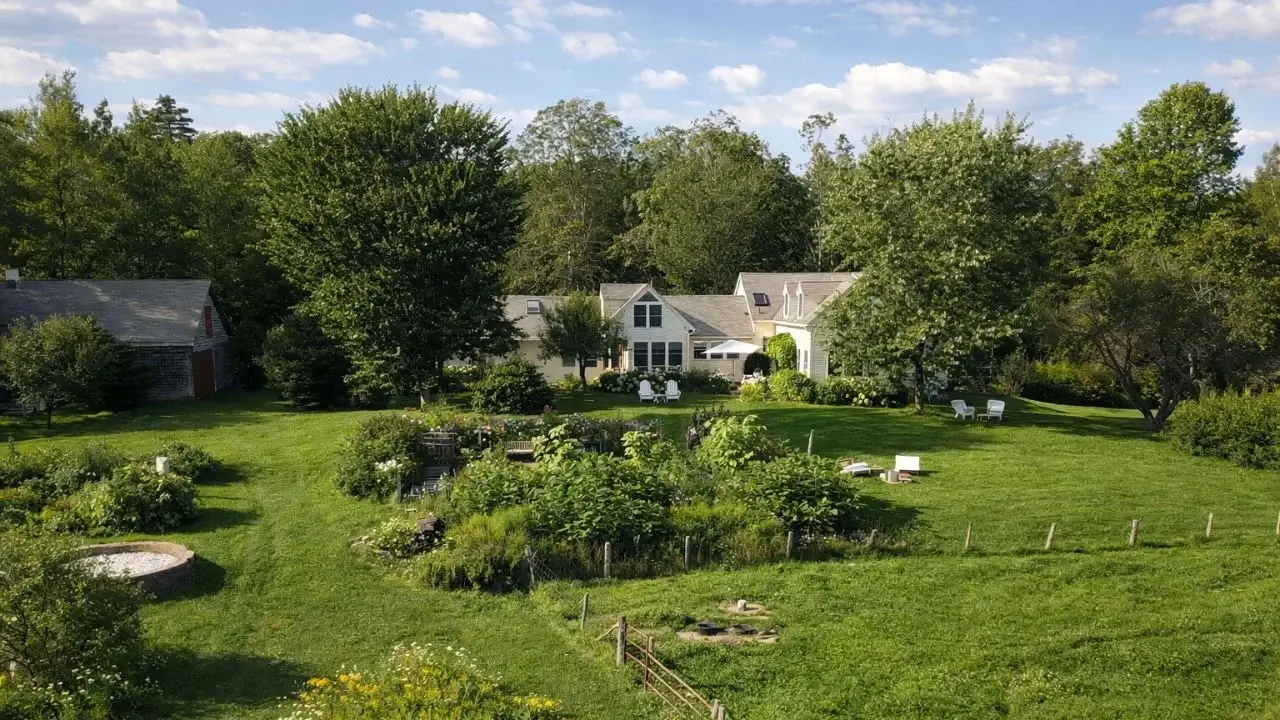
The transition for Schneider began as a quest for a slower pace of life. Leaving behind the output-driven pressures of urban living, she and her husband sought a environment where they could live closer to the land. When they took over the property formerly known as Rolling Meadows, they renamed it Casa Portal—a name that reflects the farm’s identity as a space one "steps into" rather than merely visits.
The farm’s foundation was not laid by Schneider alone. She inherited a piece of land that had already been the subject of intensive, restorative efforts by previous stewards who worked to heal the soil after decades of logging. By the time Schneider arrived, the framework for a healthy ecosystem—including the foundation of a Navajo-Churro herd—was already in place. Rather than reinventing the wheel, she embraced the role of custodian, learning the subtle language of the land through observation and mentorship.
A Chronology of Resilience: The Navajo-Churro
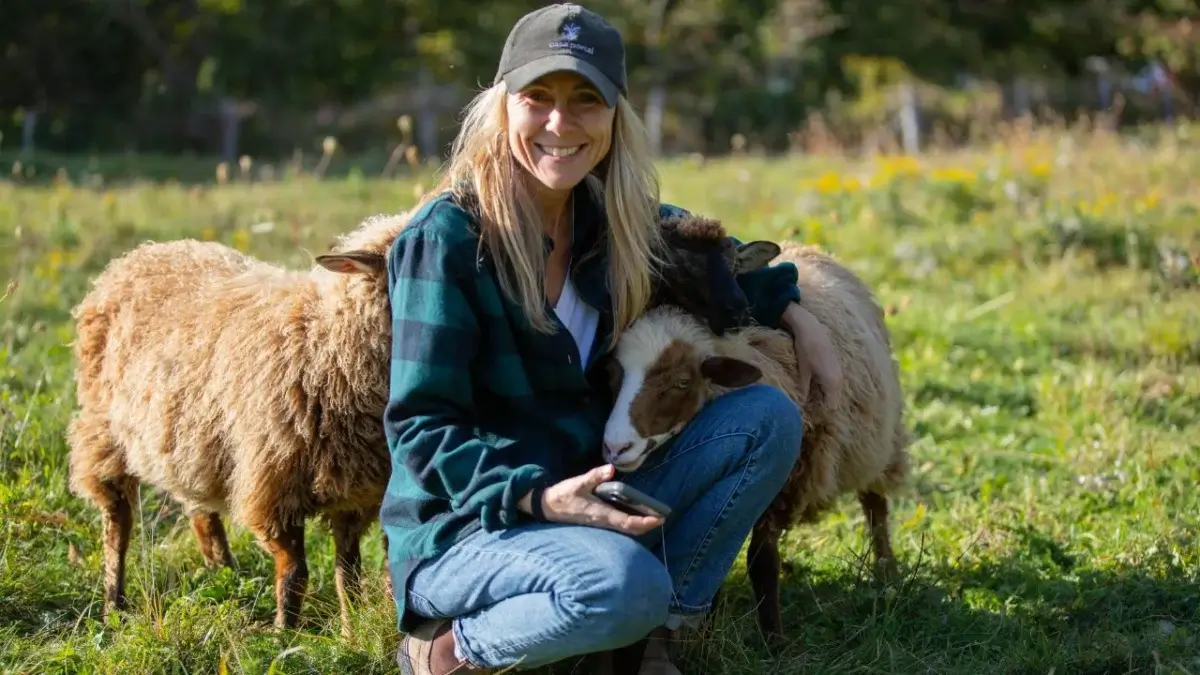
The sheep that roam the pastures of Casa Portal are not mere livestock; they are living artifacts of history. The Navajo-Churro breed, originally brought to the Americas by the Spanish in the 16th century, became an essential element of Diné (Navajo) culture in the American Southwest. These sheep are renowned for their hardiness, their dual-coated wool, and their ability to thrive in harsh, unforgiving environments.
However, the breed’s history is marked by a dark chapter of near-extinction. During the 1860s and into the 1930s, federal policies—most notably the government-mandated "stock reduction" programs—sought to decimate the Navajo-Churro population, viewing them as inferior to industrial breeds. By the 1970s, the breed was reduced to a few hundred individuals.
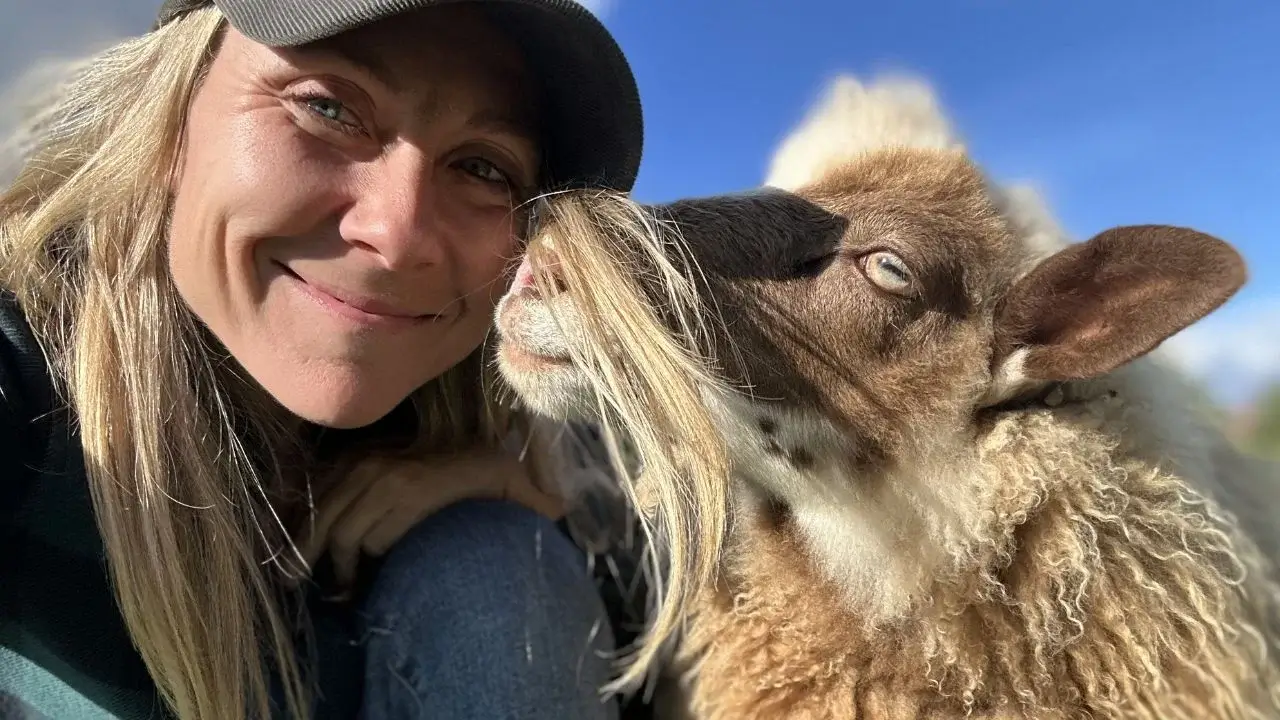
The survival of the breed is a testament to the dedication of Indigenous keepers and later, a dedicated network of small-scale farmers across the United States. The flock at Casa Portal descends from this lineage. Over the past two decades, successive stewards in Maine have carefully managed the herd, ensuring that the genetic integrity of these resilient animals is preserved. Today, Schneider acts as a vital link in this chain, managing a closed flock that continues to adapt to the rugged, temperate climate of the Maine coast.
Supporting Data: Why Heritage Breeds Matter
The choice to raise heritage breeds is a deliberate rejection of the "bigger is better" ethos of industrial agriculture. From a regenerative standpoint, the Navajo-Churro offers unique advantages:
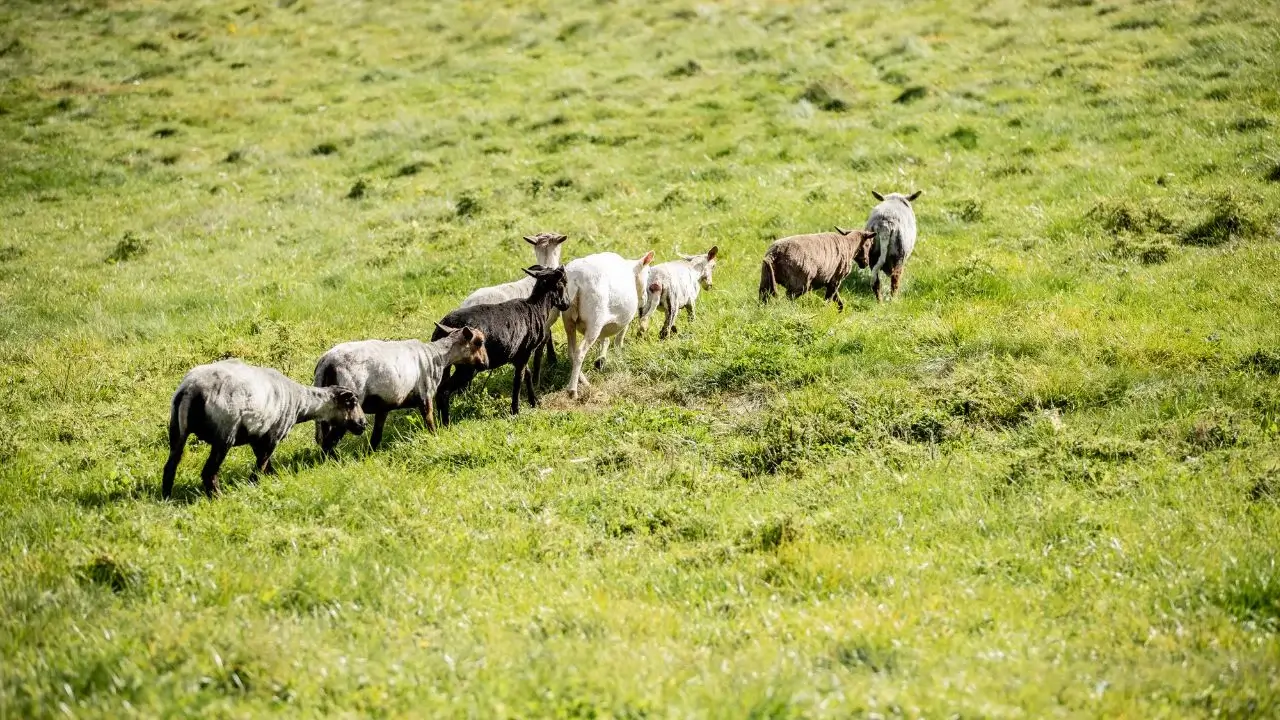
- Ecological Integration: Unlike industrial breeds that require controlled environments and heavy feed inputs, the Navajo-Churro is a self-sufficient forager. Their grazing patterns help mimic the natural cycles of grassland maintenance.
- Soil Health: Through rotational grazing, the sheep contribute to carbon sequestration. By moving across the land, they distribute nutrients, trample seeds into the soil, and manage vegetation height, which stimulates deep root growth and prevents erosion.
- Resource Circularity: At Casa Portal, nothing is wasted. The wool is processed into textiles, the manure enriches the soil for other farm projects like beekeeping and gardening, and the animals serve as the primary drivers of the farm’s ecological succession.
These data points illustrate a shift from a "take-and-replace" model to a "build-and-sustain" model. Where industrial farming often leaves land degraded and reliant on synthetic fertilizers, the regenerative model, as practiced at Casa Portal, improves the quality of the topsoil year over year.
Official Perspectives: The Rise of the Female Shepherd
The global agricultural sector is currently experiencing a profound demographic shift. The United Nations’ designation of 2026 as the "Year of the Female Farmer" serves as a formal recognition of a trend that has been building for decades.
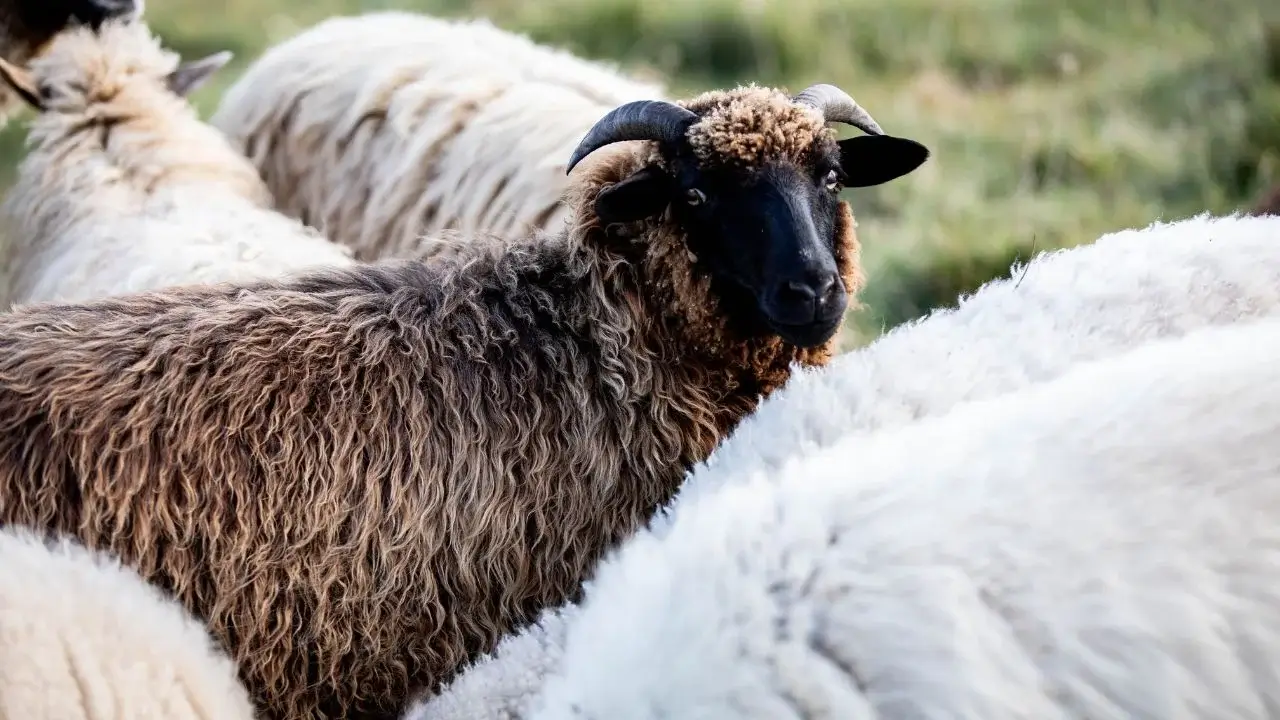
Schneider views this shift as a transition from invisible labor to recognized leadership. "Women have always been part of this work," she notes. "What we’re seeing now is a shift in visibility and value." She suggests that the approach many women bring to farming—centered on observation, relationality, and long-term care—is perfectly aligned with the needs of a changing planet.
This perspective is supported by broader trends in regenerative agriculture, where the focus is increasingly on the "whole system." By centering the needs of the animals, the soil, and the community simultaneously, female-led farms are demonstrating that successful agriculture does not have to be a battle against nature.
The Implications: A Model for Small-Scale Success
The success of Casa Portal offers several key implications for the future of farming:
1. The Power of "Quiet Rebellion"
Small-scale farming is increasingly being framed as a form of social and ecological resistance. By choosing to step outside the commodity-based supply chain, farmers like Schneider are creating decentralized, resilient food and fiber systems. This "rebellion" is not violent; it is slow, intentional, and deeply rooted in local landscapes.
2. Accessibility for Newcomers
One of the most significant barriers to entry for new farmers is the complexity of livestock management. However, Casa Portal demonstrates that smaller, regenerative operations provide a more approachable entry point. Because the farmer is in constant, daily contact with the herd, they learn to read the animals’ behavior and the land’s needs through direct experience rather than abstract data.
3. Community and Knowledge Sharing
The digital age has paradoxically strengthened traditional farming. Online communities where farmers share real-time troubleshooting, construction tips, and management strategies are bridging the gap between centuries-old wisdom and modern tools. This collaborative environment ensures that heritage breeds are not left to die out with the passing of a single generation of farmers.
4. Diversified Revenue and Resilience
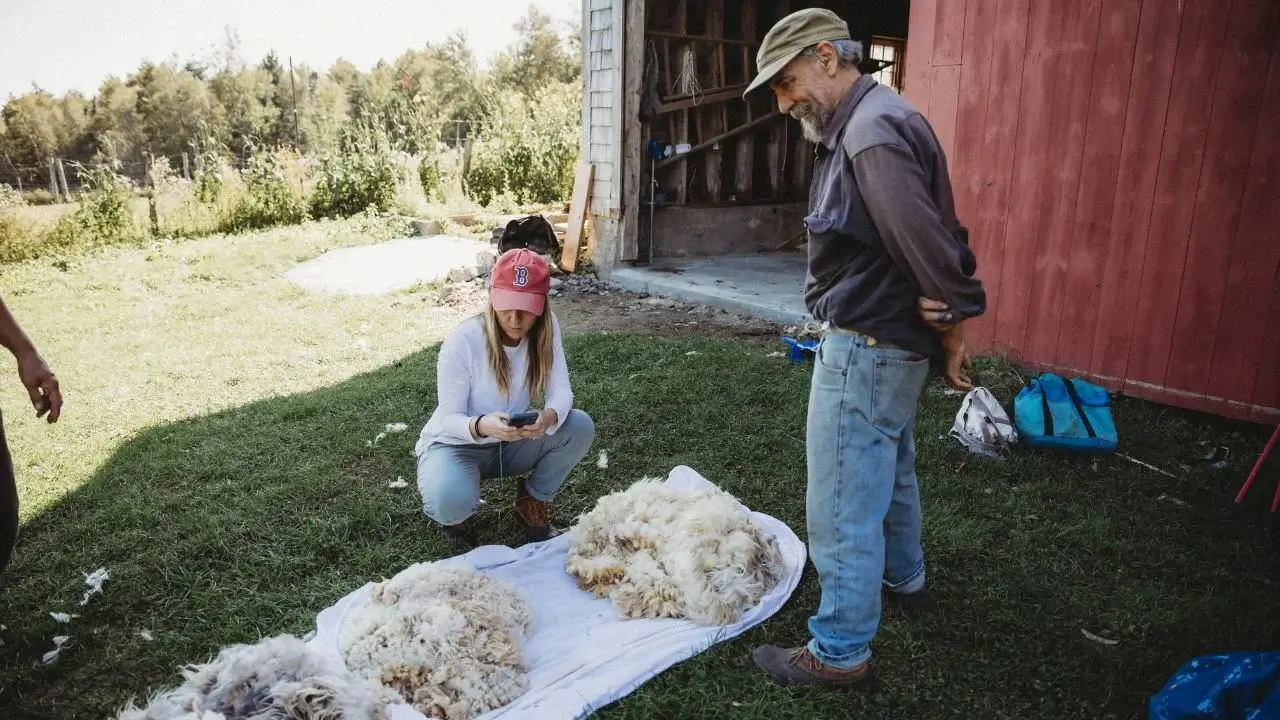
The future of Casa Portal includes expanding into fiber workshops, creative retreats, and farmstay hospitality. This diversification is essential for the economic viability of small farms. By inviting the public to participate in the lifecycle of the farm—from shearing the sheep to weaving the wool—Schneider is fostering a community that values the process, not just the product.
Conclusion: A Portal to the Future
As Melissa Schneider looks toward the future of Casa Portal, her goals remain modest in scale but vast in impact. The upcoming renovation of the barn into a fiber and arts workshop is intended to deepen the connection between the land and the public.
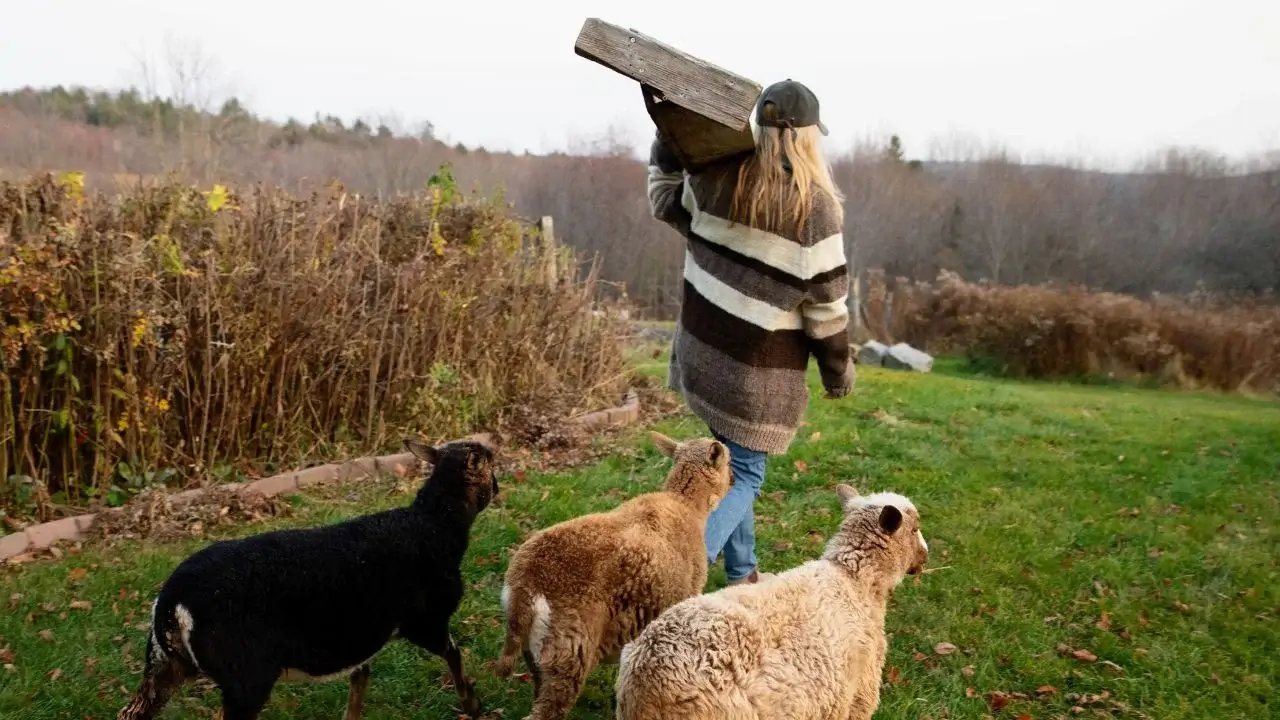
The story of the Navajo-Churro sheep is, in many ways, the story of our relationship with the earth. It is a story of near-obliteration, followed by patient, careful recovery. By embracing the role of shepherd, Schneider has not only preserved a piece of history but has also contributed to a burgeoning movement that views the farm not as a factory, but as a living, breathing, and regenerative portal.
For those looking to understand the future of agriculture, the answer may not be found in a lab or a board room, but in the quiet, observant, and respectful interaction between a person and their herd. As Schneider herself notes, shepherding is not about control; it is about listening. And in the rolling hills of Maine, the land is speaking quite clearly.


 Evan Lee Salim

 Asep Darmawan





