



 Basiran

By Journal Staff

The holiday season has long been synonymous with magic: the glow of sparkly lights, the aroma of shared meals, and the warmth of age-old traditions. However, beneath the cozy veneer of modern Christmas celebrations lies a stark environmental and economic reality. In recent years, the holiday season has transformed into a period of peak commercialism, characterized by unprecedented waste, high carbon emissions, and significant financial stress for households.

According to data from the Environmental Protection Agency (EPA), household waste in the United States increases by approximately 25% between Thanksgiving and New Year’s Day. This spike represents millions of tons of discarded wrapping paper, single-use plastics, and uneaten food. As global awareness of the climate crisis intensifies, a growing movement of "conscious consumers" is seeking to reclaim the holiday spirit through sustainability.

This report explores 18 pivotal strategies for a lower-waste, lower-carbon, and more affordable holiday season, examining the data behind the waste and the implications of shifting our festive habits.

Main Facts: The Hidden Cost of the Holidays
The environmental footprint of Christmas is multifaceted, involving global supply chains, energy consumption, and waste management systems. To understand the need for a "Green Christmas," one must first look at the sheer scale of seasonal consumption.

The Wrapping Paper Dilemma
Global sales of wrapping paper exceed $5 billion annually. While paper might seem harmless, much of the commercial product sold today is laminated with plastic, coated in foil, or saturated with glitter—materials that render the paper unrecyclable. When these materials reach landfills, they contribute to methane emissions and microplastic pollution. Experts suggest transitioning to "Furoshiki" (fabric wrapping), recycled kraft paper, or even repurposed newspapers to mitigate this impact.

The Energy of Illumination
Holiday lighting is a hallmark of the season, but its energy demands are staggering. Research indicates that seasonal lights in the U.S. alone consume more electricity than the annual usage of some developing nations. The transition from incandescent bulbs to LED lights has become a critical recommendation; LEDs use up to 80% less energy and last significantly longer, providing both environmental relief and cost savings for homeowners.

The Five-Gift Rule
To combat the "mindless buying" that characterizes December, many families are adopting the "Five-Gift Rule." This framework limits gift-giving to five specific categories:

- Something they want.
- Something they need.
- Something to wear.
- Something to read.
- Something to do (an experience).
This method prioritizes intentionality over volume, reducing the carbon footprint associated with manufacturing and shipping unwanted goods.
Chronology: The Lifecycle of a Sustainable Christmas
Transitioning to a sustainable holiday requires a shift in the timeline of preparation, from the initial selection of a tree to the final disposal of organic waste.

Phase 1: Preparation and Decoration (Late November)
The first decision for many is the Christmas tree. The "Real vs. Fake" debate is a staple of environmental discourse. Data suggests that a real, farmed tree is generally the greener choice, provided it is disposed of correctly. Farmed trees act as carbon sinks during their growth and support local agriculture. Conversely, an artificial tree—usually made of PVC and steel—must be used for at least 10 to 20 years to offset the carbon footprint of its production and transoceanic shipping.

Phase 2: The Gift Exchange (Early to Mid-December)
During the peak shopping period, the focus shifts to ethical sourcing. Organizations like Sustainable Jungle emphasize "Do-Good Gifting," where consumers prioritize brands that offer fair living wages and safe working conditions. The rise of "Experience Gifts"—such as national park passes or concert tickets—marks a shift away from physical resource consumption toward memory-based value.

Phase 3: The Celebration (December 25th)
On the day of celebration, waste management becomes the priority. In the UK, an estimated 40 million Christmas crackers are discarded on Christmas Day, many containing plastic trinkets that are immediately sent to landfills. Reusable crackers and plastic-free alternatives are now entering the mainstream market to address this specific waste stream.

Phase 4: The Aftermath (Late December to January)
The final stage involves "closing the loop." This includes composting seasonal food scraps and recycling trees through "mulching" programs. Proper disposal ensures that the organic matter returns to the soil rather than producing methane in a landfill.

Supporting Data: The Science of Seasonal Waste
The argument for a sustainable Christmas is backed by significant environmental research.

- Food Waste: ReFED estimates that Americans waste approximately 320 million pounds of food on Thanksgiving alone; Christmas figures are comparable. In the UK, households discard 4.4 million metric tons of edible food annually.
- Carbon Footprint of Diet: A 2023 Oxford University study revealed that vegan diets produce only a quarter of the greenhouse gas emissions of high-meat diets. A traditional Christmas dinner with meat and dairy has more than double the carbon footprint of a plant-based alternative.
- Plastic Pollution: A 2021 study published in Nature Sustainability found that takeout items, including plastic cutlery and containers used during holiday parties, account for the majority of litter in the world’s oceans.
Official Responses and Expert Perspectives
Industry leaders and environmental advocates are increasingly vocal about the need for systemic change in how we celebrate.

The Advocacy for Brand Transparency
Joy McConnochie, co-founder of Sustainable Jungle and a specialist in climate investing, argues that the responsibility lies with both the consumer and the brand. "Our passion is brand ratings," McConnochie states. "It’s about going deeper on what it really means to drive sustainability performance and true impact through business operations." Her organization advocates for a "Trust and Transparency" model, helping consumers cut through "greenwashing" to find truly ethical products.

The Corporate Shift
Brands such as Patagonia Provisions and Grace Farms are responding to the demand for ethical holiday consumption. Grace Farms, a Certified B Corp, focuses on humanitarian issues within the tea and coffee supply chains, offering low-waste, ethically sourced blends that cater to the winter season. These "official" responses from the private sector indicate that sustainability is no longer a niche market but a core business requirement.
The NGO Perspective
Organizations like WRAP (Waste & Resources Action Programme) in the UK have launched campaigns like "Love Food Hate Waste" to provide consumers with the tools to plan meals more effectively, directly addressing the financial and environmental cost of over-purchasing during the holidays.
Implications: The Long-Term Impact of a Green Christmas
The shift toward sustainable Christmas ideas carries profound implications for the future of the planet and the global economy.
1. Mitigation of the Climate Crisis
Individual actions, when scaled, contribute to the broader goal of carbon neutrality. By choosing LED lights, reducing meat consumption, and opting for sustainably harvested trees, millions of households can collectively prevent gigatons of CO2 from entering the atmosphere.

2. Economic Resilience
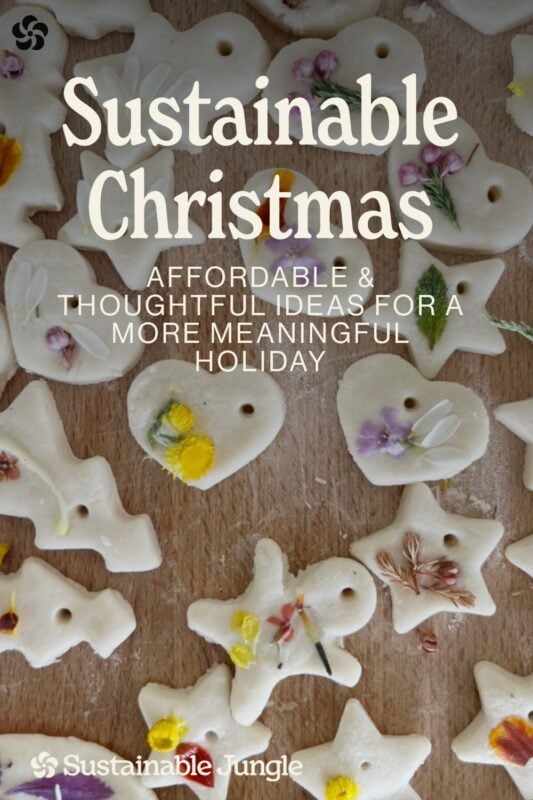
Frugality and sustainability are often two sides of the same coin. By resisting the pressure of "fast-trend" decor and novelty gifts, consumers can reduce seasonal debt. The "Five-Gift Rule" and the focus on DIY decorations (such as pinecone garlands or salt-dough ornaments) empower families to celebrate without the financial "hangover" typically associated with January.

3. Ethical Supply Chain Pressure
As consumers demand fair-trade stockings and hand-crafted ornaments from organizations like Ten Thousand Villages, they put pressure on mass-market retailers to improve labor practices. This shift supports artisans in developing nations and discourages the "race to the bottom" in manufacturing costs.

4. Psychological Well-being
There is an emerging psychological benefit to the "Slow Christmas" movement. By removing the stress of overconsumption and focusing on meaningful traditions—like making seed-paper cards or sharing experience-based gifts—families report higher levels of satisfaction and lower levels of holiday-related anxiety.

Final Thoughts: A Collective Effort
The transition to an eco-friendly Christmas is not about achieving perfection but about making intentional, incremental changes. As the data suggests, the environmental cost of traditional celebrations is unsustainable in a warming world. However, through a combination of traditional wisdom—such as composting and DIY crafting—and modern innovation—like LED lighting and ethical brand auditing—a new, more meaningful holiday tradition is emerging.

The "New Yuletide" is characterized by a return to the core values of the season: gratitude, connection, and stewardship of the earth. As Joy McConnochie concludes, "No single person can solve the climate crisis, but if we all collectively try our best to do what we can, a sustainable future is still possible."

By sharing these strategies and adopting a more conscious approach to the holidays, society can ensure that the "magic" of Christmas does not come at the expense of the planet’s future.


 Nana Wu

 Asro