


 Muslim
Phoenix, AZ – A $115,000 grant, seemingly a modest sum in the grand scheme of municipal operations, has become a focal point for a much larger narrative: the global water conservation strategies of Taiwan Semiconductor Manufacturing Company (TSMC). The recipients, Madison Park and Los Olivos Park in Phoenix, sit at the tail end of an intricate supply chain that originates in Taiwan and spans across continents. However, this small donation is more than just a local park improvement; it’s a tangible expression of TSMC’s deeply ingrained water discipline, a practice honed under pressure and now meticulously replicated wherever the semiconductor giant establishes its advanced manufacturing facilities.
The Phoenix Parks Grant: A Symbol of Water Efficiency
On July 8, 2026, the City of Phoenix Parks and Recreation Department announced the receipt of this significant grant from TSMC Arizona. The funds are earmarked for the installation of Calsense smart controllers and flow sensors. These sophisticated systems are designed to optimize water usage by allowing park crews to pause irrigation during monsoon rains, a common occurrence in the Sonoran Desert, and to immediately shut off a broken water line before a substantial amount of water is lost. Phoenix officials estimate that each instance of skipped watering due to smart controller intervention can save approximately 81,000 gallons of water. While the dollar amount of the grant might seem small in comparison to TSMC’s multi-billion-dollar investments, the underlying principle – a proactive approach to water conservation – is far-reaching and significant.
A Method Forged in Necessity: TSMC’s Taiwanese Water Stewardship
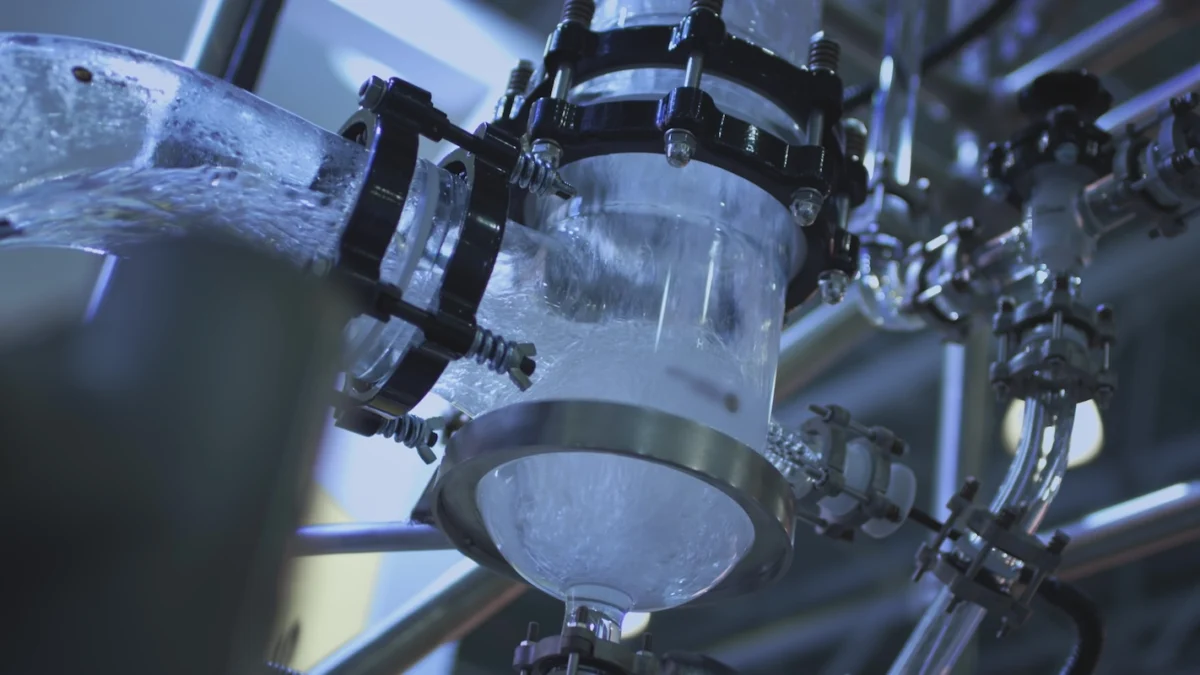
TSMC’s commitment to water conservation is not a new development; it is a strategy born out of necessity and refined through years of operation in water-scarce environments. The company’s Tainan, Taiwan, facility is a testament to this. It is home to the world’s first industrial wastewater reclamation plant designed specifically for direct reuse in advanced chipmaking. This groundbreaking facility, which commenced operations in September 2022, was constructed and is managed by the engineering group CTCI.
The Tainan plant employs a multi-stage purification process, including biological treatment, ultrafiltration, and reverse osmosis, to transform industrial wastewater into a high-quality resource suitable for the demanding requirements of semiconductor manufacturing. This innovative approach was a direct response to a severe drought that gripped Taiwan in 2021, the worst in approximately half a century. Coincidentally, this was the same year that U.S. authorities declared the first official water shortage on the Colorado River, highlighting a global trend of increasing water stress.
Industry reports from that period credited TSMC with maintaining the operational continuity of its Taiwan fabrication plants (fabs) throughout the drought. This resilience was attributed to a meticulously developed "staged water-shortage response plan," underscoring the company’s recognition of supply risk as a critical operational consideration. This proactive stance on water management has been a hallmark of TSMC for years.
John T. Yu, Chairman of CTCI, eloquently articulated the global significance of the Tainan reclamation project at its inauguration. He stated, "Utilizing reclaimed water as a water resource is becoming increasingly important in achieving global sustainable development." This sentiment encapsulates TSMC’s understanding that water stewardship is not merely an operational concern but a fundamental pillar of sustainable global development.
Transplanting Expertise: The Sonoran Desert’s Water Reclamation Initiative
The advanced water conservation techniques pioneered in Tainan are now being meticulously reproduced and adapted for the unique environmental and political landscape of the Sonoran Desert. TSMC Arizona’s north Phoenix campus is already demonstrating remarkable water efficiency. Currently, the facility recycles approximately 65% of the water it draws. However, the company has set an ambitious target to elevate this reuse rate to nearly 90% through the development of an Industrial Reclamation Water Plant.
This plant is engineered for near-total water reuse, a critical component of TSMC Arizona’s green manufacturing blueprint. The company’s commitment to a "near-zero discharge" design is a powerful statement of its dedication to conservation. This initiative aims not only to minimize its own water footprint but also to ensure the sustained availability of water resources for the burgeoning Phoenix community.
The grant to the local parks is an integral part of this broader strategy. It represents a dual-pronged approach to water management: one line item focuses on reducing the water consumption of the manufacturing facility itself, while the other addresses the efficient use of the remaining water resources within the surrounding municipality. When viewed in conjunction, these efforts paint a clear picture of a company actively working to lessen its impact on a shared and increasingly precious resource, both from the perspective of its direct consumption and its broader community engagement.
The "Neighbor Test": Extending Conservation Beyond the Property Line
True water stewardship is most credibly demonstrated when its benefits extend beyond the confines of a company’s own property. TSMC has actively sought avenues to make its conservation efforts visible and impactful to the wider community. In Tainan, the state-of-the-art reclamation plant has been transformed into a certified environmental education center. This center offers complimentary courses and guided tours to schoolchildren and aspiring water resource professionals, fostering a new generation of water-conscious individuals.
In Phoenix, the grant to the parks translates into greener public spaces that are maintained with significantly less water. Neither of these initiatives might appear monumental when measured against the sheer scale of a multi-billion-dollar semiconductor manufacturing operation. However, both endeavors serve as powerful responses to a fundamental question that inevitably accompanies the arrival of heavy industry in any community: "Will the newcomer contribute more than it takes?"
This question gains increasing urgency as the semiconductor sector continues its rapid expansion. The relentless demand for advanced chips is driving the construction of new fabrication plants in regions where water resources are already under significant strain, from the arid landscapes of the American Southwest to the water-conscious communities of central Taiwan. A manufacturer that arrives equipped with a proven track record in water recycling, a robust drought contingency plan, and a demonstrated commitment to supporting local efficiency projects offers host governments a far more compelling and sustainable partnership than one that merely connects to existing water infrastructure.
The Industry’s Watchful Eye: Setting the Standard for Semiconductor Water Use
TSMC does not operate in a vacuum. As the primary foundry for a vast array of technology sector companies, it occupies a pivotal position within the global supply chain. This unique standing means that its customers, regulatory bodies, and even rival manufacturers closely observe its practices, seeking to understand what constitutes "responsible" manufacturing at an industrial scale.
By achieving AWS Platinum standard for water efficiency, becoming the first to develop a chip-grade industrial wastewater reclamation plant, and swiftly replicating these advanced methods on a new continent, TSMC has cultivated something more enduring than mere goodwill. It has established a new benchmark, setting an expectation that others in the semiconductor industry are now measured against.
For an industry characterized by both escalating production volumes and a corresponding increase in water consumption, this evolving expectation may prove to be as significant as any individual manufacturing plant. The quiet savings of 81,000 gallons per cycle at Phoenix’s Madison Park and Los Olivos Park might go largely unnoticed by the broader public. However, the more profound detail lies in the fact that a company headquartered an ocean away chose to invest in these local green spaces, and that this decision is not an isolated act of philanthropy but a deliberate continuation of a water conservation strategy that TSMC has been meticulously building, fab by fab, for many years. This integrated approach to water management, from the industrial heart of its operations to the green lungs of its host communities, positions TSMC as a leader in a critical arena of sustainable manufacturing.


 Nana Wu

 Asro