




 Sagoh
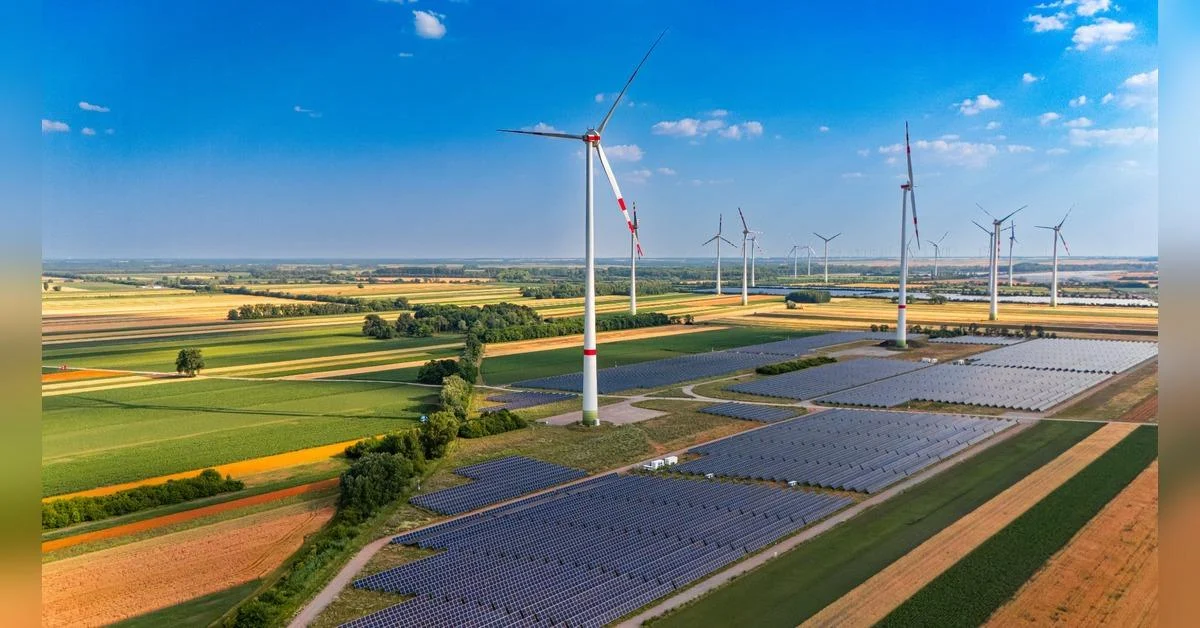
The promise of battery storage as the silver bullet for renewable energy integration is compelling, but a deeper dive reveals a landscape fraught with engineering challenges, operational nuances, and regulatory hurdles that extend far beyond the simple act of storing electricity. While falling battery prices and rapid deployment are transforming the energy sector, the day-to-day realities for those designing, commissioning, and operating these complex systems are a far cry from the straightforward narrative often presented. From the physics of energy loss to the intricacies of paperwork and the subtle degradation of components, the path to a fully optimized renewable energy grid is paved with a host of often-overlooked considerations.
The Persistent Challenge of Intermittency: Beyond a Few Hours of Storage
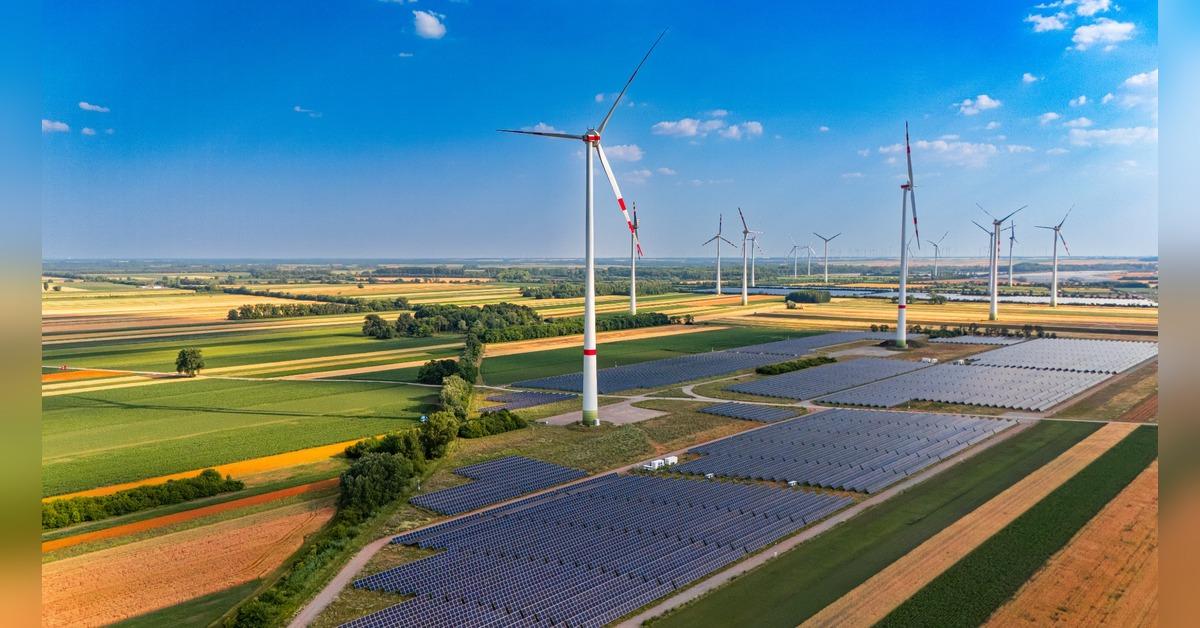
The concept that sufficient battery storage can solve the intermittency of solar and wind power is fundamentally correct, but the practical application is far more nuanced. While batteries excel at bridging short gaps in supply – such as shifting midday solar power to meet evening demand or smoothing out brief fluctuations in wind output – they fall short when faced with prolonged periods of low generation.
This challenge is starkly illustrated by the German concept of Dunkelflaute, or "dark doldrums," a scenario describing a cold, still week in winter where solar output is minimal due to short days and overcast skies, and wind turbines are largely motionless due to a persistent high-pressure system. Grid planners treat such events as critical design cases, highlighting the limitations of current battery deployments.
Many utility-scale battery projects are currently designed for durations of just a few hours, with two-hour systems being common and four-hour systems gaining prominence. While effective for daily load shifting, these durations are insufficient to cover multi-day deficits. Building lithium-ion capacity large enough to bridge such extended gaps would result in massive infrastructure sitting idle for the majority of the year, making the economics difficult to justify. This economic reality is a significant driver behind the ongoing exploration of long-duration energy storage (LDES) technologies.
The Spectrum of Long-Duration Solutions
The quest for solutions to cover multi-day, and even seasonal, energy shortfalls has brought a diverse array of technologies into focus. These include:
- Pumped Hydro Storage: A mature technology that leverages gravitational potential energy by pumping water uphill to reservoirs during periods of excess generation and releasing it through turbines when demand is high. Its primary limitation is its geographical dependence on suitable topography and water sources, along with lengthy development timelines.
- Compressed Air Energy Storage (CAES): This technology stores energy by compressing air into underground caverns or tanks during off-peak hours and releasing it to drive turbines when needed. Its effectiveness is highly dependent on the availability of suitable geological formations or large-scale infrastructure.
- Flow Batteries: These electrochemical storage systems store energy in liquid electrolytes held in external tanks. They offer scalable duration, with systems capable of discharging for 10 to 12 hours or more. However, they typically have lower energy density and can be more costly than lithium-ion batteries.
- Hydrogen Storage: The conversion of renewable electricity into hydrogen through electrolysis, its storage, and subsequent reconversion back into electricity offers the potential for very long-duration storage, spanning days to seasons. However, this process incurs significant conversion losses (well over half of the original energy can be lost), and requires substantial infrastructure development.
- Emerging Chemistries: Innovations such as iron-air batteries are beginning to reach commercial scale, offering promise for cost-effective long-duration storage, though their widespread deployment is still in its nascent stages.
Crucially, none of these technologies are direct drop-in replacements for one another. Each possesses unique strengths and weaknesses, necessitating careful consideration of specific grid needs and regional characteristics. Furthermore, the challenge extends beyond daily or multi-day gaps to encompass seasonal variations. At higher latitudes, the dramatic difference in solar output between summer and winter demands the ability to move energy across months, a feat that remains prohibitively expensive for most technologies today.
The Hidden Energy Drain: Efficiency Losses and Auxiliary Loads
The widely cited efficiency figures for battery storage, often around 85% for utility-scale lithium-ion systems, represent only a portion of the energy picture. This "round-trip efficiency" signifies the energy lost during the charging and discharging cycle itself. However, the total energy consumed by a storage system is significantly higher due to auxiliary loads – the constant power required to maintain the system’s operational readiness.
These auxiliary loads include:
- Thermal Management: Battery cells must operate within a specific temperature range to ensure safety and longevity. Cooling systems run continuously, through scorching summers and freezing nights, consuming a significant amount of energy. In hot climates, cooling can become one of the largest operational expenses.
- Inverter Standby Power: The power electronics responsible for converting direct current (DC) from the batteries to alternating current (AC) for the grid also draw power when idle.
- Battery Management Systems (BMS): The sophisticated electronics that monitor and control the battery cells require constant power.
- Site Lighting and Ancillary Equipment: Basic site operations also contribute to the overall energy consumption.
When a battery system cycles infrequently, these auxiliary loads can represent a substantial portion of the stored energy simply being used to keep the system ready. This "parasitic load" means that the actual energy delivered to the grid is less than what the efficiency figures might suggest, leading to a discrepancy between datasheet specifications and real-world performance reports.
The Aging Process: How Operational Nuances Affect Battery Lifespan
Warranty documents for battery systems often provide clear metrics for capacity fade – the gradual reduction in a battery’s ability to hold charge – based on a set number of full cycles or years of operation. However, the reality of daily grid operations introduces complexities that can accelerate this aging process.
Differential Cycling Patterns
The operational profile of a battery system is heavily influenced by its co-located renewable energy source. Solar-plus-storage systems typically follow a predictable daily pattern: charging during daylight hours and discharging in the evening. Wind-powered storage, on the other hand, can exhibit more erratic behavior. Output can fluctuate significantly within a single afternoon, leading to a battery that is constantly charging and discharging in small, uneven bursts, or frequently idling at a partial state of charge before suddenly being called upon for full power.
This uneven and often stressful cycling can contribute to faster degradation than anticipated. Furthermore, the state of charge at which a battery spends most of its time is critical. Lithium-ion cells, particularly, tend to age faster when held at a high state of charge for extended periods, a condition exacerbated by warm operating environments.
The Impact of Heat and State of Charge
In hot climates, the combination of high ambient temperatures and the internal heat generated by battery operation can significantly accelerate aging. When batteries are frequently operated and then stored at elevated temperatures and high states of charge, their lifespan can be noticeably reduced. This can lead to capacity fade occurring ahead of the curve projected in financial models, even if the number of charge-discharge cycles is relatively modest.
To mitigate this, many large-scale projects incorporate plans for "augmentation," where fresh battery modules are added periodically to maintain contracted capacity. However, if the timing of these additions is miscalculated, or if newer modules do not integrate seamlessly with older ones, the project budget can face unexpected increases.
The Unseen Problems: Subtle Failures and Maintenance Nightmares
Beyond the well-documented issues of duration, efficiency, and degradation, a host of subtler problems can emerge once a battery storage facility has been operational for a year or two. These are the issues that rarely make it into project brochures but can lead to significant maintenance headaches and unexpected costs.
Slow Insulation Breakdown on the DC Side
Large-scale battery systems often operate at high DC voltages, exceeding 1,000 volts. Even minor insulation defects at these voltages can pose a significant risk. These issues are not always immediately dangerous but can escalate into more serious maintenance problems if left undetected.
Common culprits for insulation breakdown include:
- Moisture Ingress: Water or humidity creeping into electrical enclosures through poorly sealed cable glands or connectors.
- Thermal Cycling: Repeated expansion and contraction of materials due to temperature fluctuations can degrade seals and connectors over time.
- Condensation: The formation of condensation inside enclosures on cold mornings can create pathways for current leakage.
These faults often begin as tiny leaks, too small to trip safety mechanisms. However, if left unaddressed, they can lead to nuisance inverter shutdowns and, in some cases, increase the risk of electrical arcing and more severe incidents. DC-coupled designs, where solar and storage share a common DC bus, introduce additional connection points where these problems can originate.
Effective monitoring is crucial to identify these developing issues. Advanced systems employ:
- Insulation Monitoring Equipment: Continuously tracks the insulation resistance of the system to ground.
- DC Leakage Current Sensors: Detect residual current flowing in DC circuits where it should not be, providing an early warning of developing faults.
It is important to note that conventional AC residual current devices (RCDs) can be desensitized by steady DC fault currents. Therefore, designers cannot rely on standard AC protection alone to detect all DC-side insulation problems. The goal is to catch these issues at an early stage, ideally when a simple connector replacement is sufficient, rather than waiting until a more extensive component failure necessitates the replacement of an entire rack.
State of Charge Drift: When the Battery Lies
Lithium iron phosphate (LFP) batteries have become the dominant chemistry in stationary storage, accounting for over 90% of new installations. A key characteristic of LFP is its remarkably flat voltage curve across most of its charge range. While beneficial for stable output, this flatness makes it challenging for Battery Management Systems (BMS) to accurately estimate the state of charge (SoC) solely based on voltage.
BMS primarily rely on integrating current flow over time to track SoC. However, even minor measurement errors in current sensing can accumulate over weeks of partial charging and discharging. This can lead to a gradual drift, where the BMS incorrectly believes the battery is at a certain SoC when, in reality, it is different.
The consequences of this drift can be significant. Operators might discover the error only when the battery depletes earlier than expected during a critical evening peak, leading to missed dispatches and associated financial penalties. Periodic full-charge recalibrations can correct this drift, but they require taking the asset offline for several hours, impacting revenue generation.
Unforeseen Hot Spots in Thermal Designs
Thermal management systems for battery containers are typically designed and validated against average environmental conditions and expected operational loads. However, the reality within a sealed container can be far more complex. Racks located near the container door or furthest from cooling outlets can consistently run several degrees Celsius warmer than other sections.
While a few degrees may seem insignificant, over the lifespan of a battery system, this temperature differential can lead to accelerated aging in the hotter cells. These cells can then drift out of balance with their neighbors, ultimately reducing the usable capacity of the entire string they belong to. These localized "hot spots" are often not predicted by initial thermal modeling and can become a persistent operational challenge.
Matching Technology to Need: A Diverse Portfolio for a Varied Energy Landscape
The pursuit of reliable renewable energy integration necessitates a diverse portfolio of storage technologies, each suited to different durations and operational demands. The choice of technology hinges on a careful evaluation of trade-offs between duration, efficiency, cost, and physical footprint.
| Technology | Typical Duration | Approx. Round-Trip Efficiency | Main Limitation | Common Use Case |
|---|---|---|---|---|
| Lithium-ion (LFP) | 1 to 4 hours | 80% to 90% | Degradation, thermal management | Daily solar shifting, fast grid services |
| Pumped Hydro | Several hours to days | 70% to 80% | Geography, long development times | Bulk balancing over hours or days |
| Flow Batteries | Several hours to 12+ hours | 65% to 80% | Lower energy density, cost | Longer daily shifting where space is less tight |
| Compressed Air | Hours to days | Highly design-dependent | Suitable geology or infrastructure | Bulk storage near favorable geology |
| Hydrogen (power-to-power) | Days to seasons | 30% to 40% | Conversion losses, infrastructure | Seasonal balancing, industrial demand |
It is crucial to understand that technologies optimized for very long-duration storage (days to seasons) can often tolerate greater energy conversion losses. This is because they are addressing a fundamentally different challenge: not bridging an evening peak, but ensuring grid stability through extended periods of low renewable generation, such as across an entire winter.
Beyond the Battery: Grid Congestion and Permitting Bottlenecks
While advancements in battery technology are crucial, the most significant bottlenecks to widespread storage deployment are increasingly found outside the battery itself.
The Grid Connection Conundrum
In many energy markets, the primary obstacle for new storage projects is not the technical feasibility of the battery but the lengthy and complex process of securing a grid connection. Interconnection queues have swollen to unprecedented levels, with network operators struggling to study and approve the sheer volume of proposed projects. This administrative backlog can delay projects for years, creating significant financial uncertainty for developers.
Navigating the Permitting Labyrinth
Local permitting processes have also become more challenging, particularly in the wake of several high-profile battery fire incidents. Some jurisdictions have implemented moratoria on new approvals or imposed stricter setback distances and emergency response requirements. Developers who once anticipated storage projects to be simpler to approve than, for instance, wind farms, are now often finding the opposite to be true.
Evolving Revenue Streams
The economic viability of battery storage often relies on a diverse portfolio of revenue streams, including energy arbitrage, capacity payments, and grid frequency regulation. However, these markets are dynamic. In regions where the deployment of storage has been rapid, competition for these services has intensified, driving down prices for fast-response grid services. Projects that were predicated on specific revenue assumptions may find themselves needing to re-evaluate their business cases as market dynamics shift.
The Enduring Importance of the "Unglourous Details"
While the allure of cheaper battery cells is undeniable and genuinely impactful, it is not a panacea for all the challenges facing energy storage. Lower manufacturing costs do not inherently solve the problem of a week-long absence of wind, nor do they address the subtle ingress of moisture into an electrical connector, or the glacial pace of paperwork in a planning office.
The projects that will demonstrate resilience and profitability over the critical fifteen-to-twenty-year lifespans required for grid infrastructure are those where the often-unglamorous details of engineering, design, and operational planning were taken with the utmost seriousness from the outset. It is in mastering these intricate, often unseen, aspects of energy storage that the true pathway to a stable and sustainable renewable energy future will be forged.


 Nana Wu

 Asro






