



 Layla Zulfa
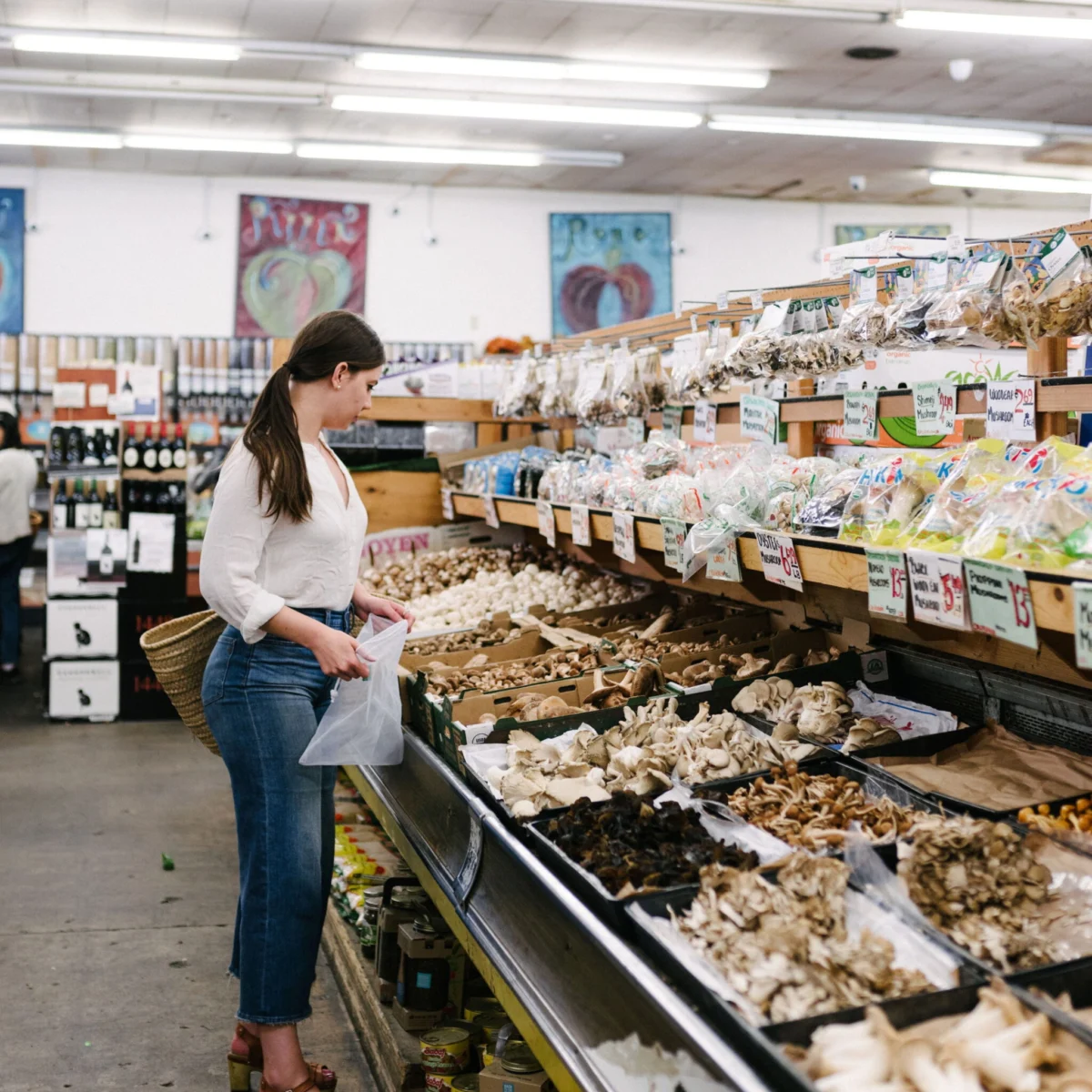
In the modern retail landscape, the visual of a grocery store is often dominated by a sea of polyethylene and polystyrene. From cucumbers shrink-wrapped in plastic to pre-cut fruit encased in rigid clamshells, the ubiquity of single-use packaging has become a defining characteristic of the global food supply chain. However, as environmental pressures mount and the cost of living escalates, a growing movement toward "zero-waste" grocery shopping is shifting from a niche lifestyle choice to an economic and ecological necessity.
Main Facts: The Dual Crisis of Plastic and Food Waste
The environmental impact of our grocery habits is bifurcated into two primary streams: packaging waste and organic matter loss. According to recent data insights, plastic food packaging accounts for approximately 40% of all plastic waste generated globally. The primary contributors to this crisis are the United States, Europe, and China, where the infrastructure for convenience has historically prioritized single-use materials over circularity.
Simultaneously, the issue of food waste presents a staggering paradox of inefficiency. In the United States, an estimated 40% of the total food supply is wasted. This occurs at multiple stages of the value chain:
- Retail Level: Grocery stores frequently discard produce that fails to meet arbitrary "beauty standards" regarding size, shape, or minor surface blemishes.
- Individual Level: Consumers contribute to the crisis through improper storage, over-purchasing, and a lack of familiarity with utilizing food scraps.
The urgency of addressing these waste streams is underscored by economic forecasts. The United States Department of Agriculture (USDA) predicts that food prices will continue their upward trajectory, with a projected increase of 3.6% in 2026. In an era of high inflation, the mantra of the zero-waste movement has evolved: we can no longer afford the environmental or financial cost of waste.
Chronology: The Lifecycle of a Zero-Waste Grocery Trip
Transitioning to a zero-waste system requires a fundamental restructuring of the traditional shopping habit. This process can be broken down into five distinct phases:
Phase 1: Strategic Planning and Research
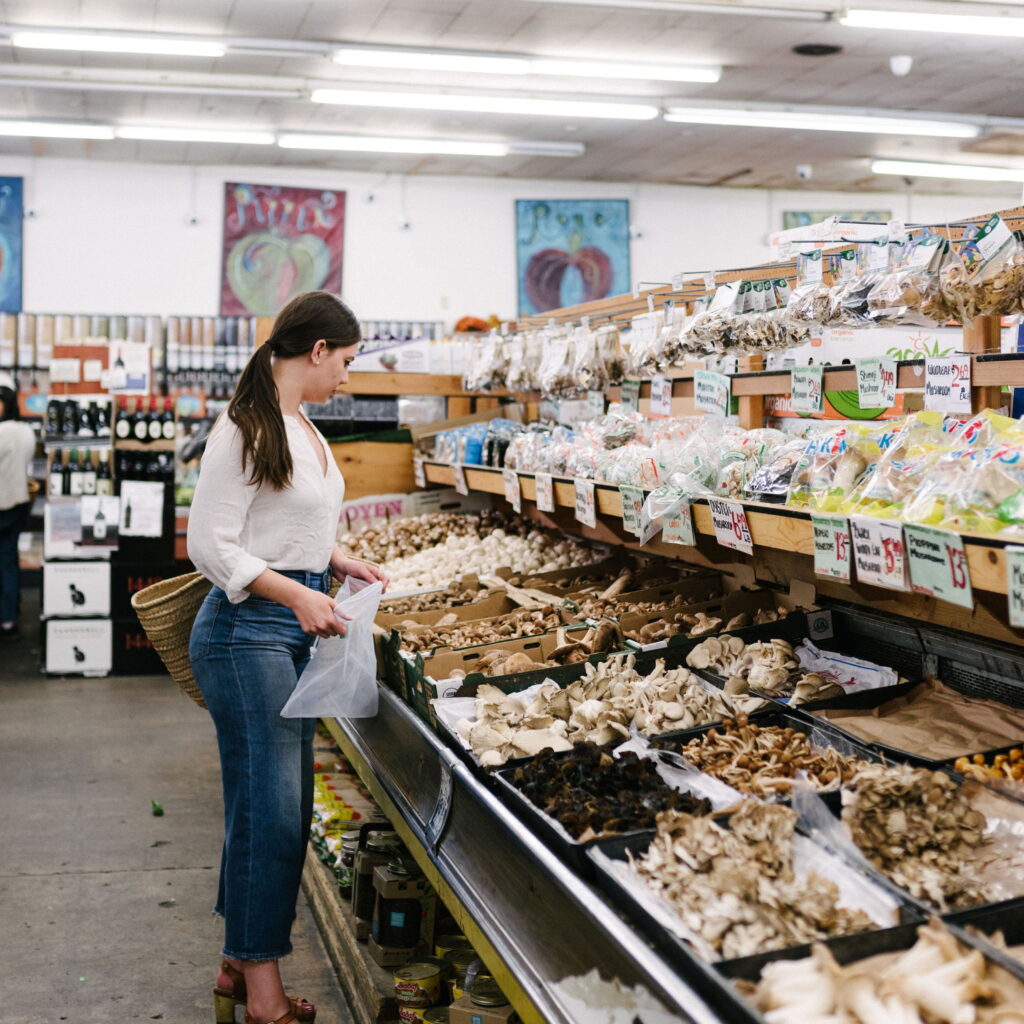
Before entering a store, the consumer must map the local "refill infrastructure." Tools like the Refill Collective allow shoppers to locate "refilleries" or stores with bulk bin sections using zip code data. If specialized stores are unavailable, the strategy shifts to identifying "naked" produce sections in conventional supermarkets.
Phase 2: Budgetary Allocation
Zero-waste shopping often involves a psychological shift in how funds are managed. Experts suggest a bifurcated budget—for instance, allocating a specific portion of funds (e.g., $50) for farmers’ markets to secure fresh, package-free produce, while reserving the remainder ($100) for bulk dry goods. Utilizing cash instead of credit cards is frequently recommended to maintain strict adherence to these limits and prevent impulse purchases of over-packaged convenience items.
Phase 3: The Procurement Process
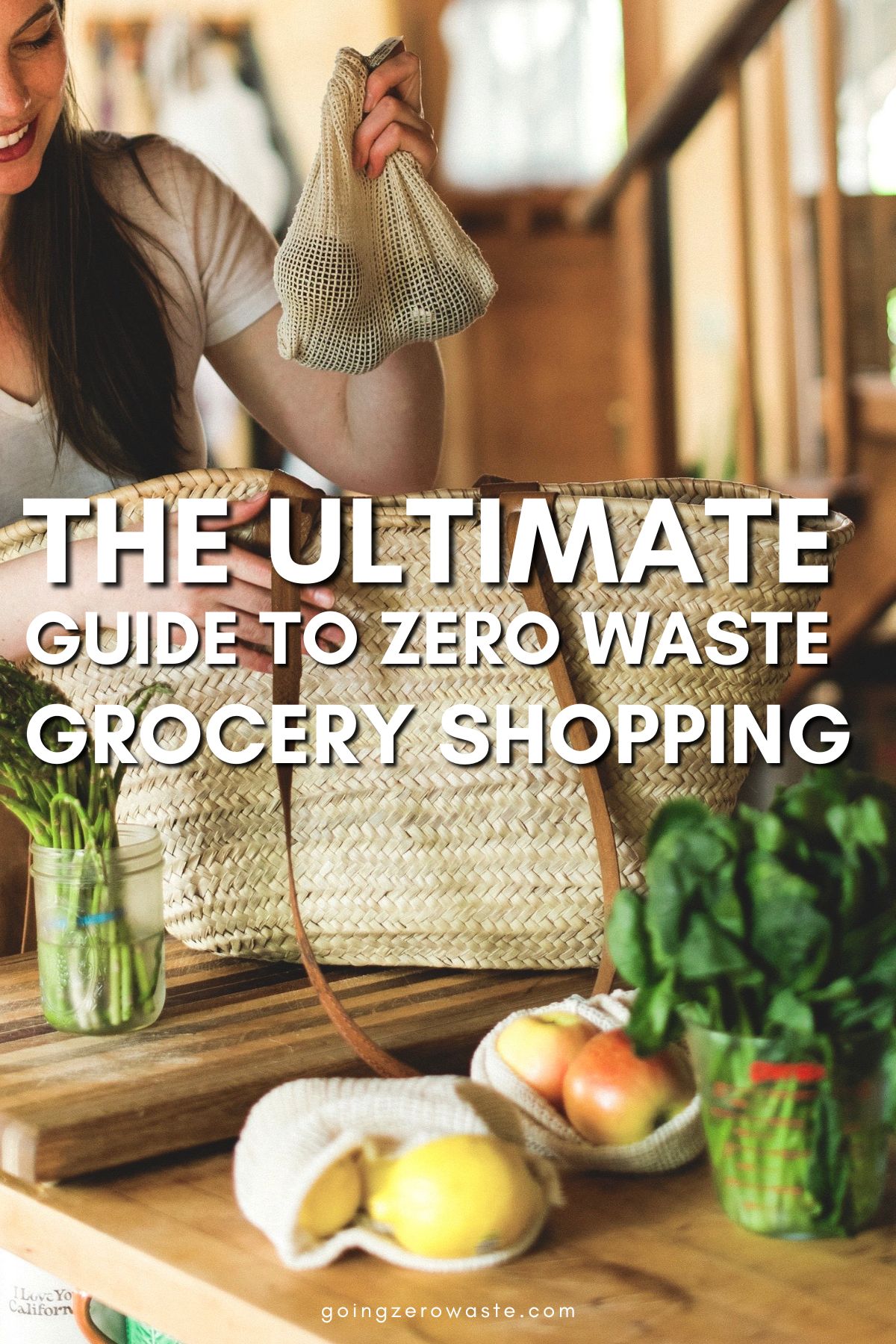
The actual shopping trip is defined by the tools the consumer brings. Essential equipment includes:
- Mesh Cotton Bags: Ideal for large leafy greens and hardy produce.
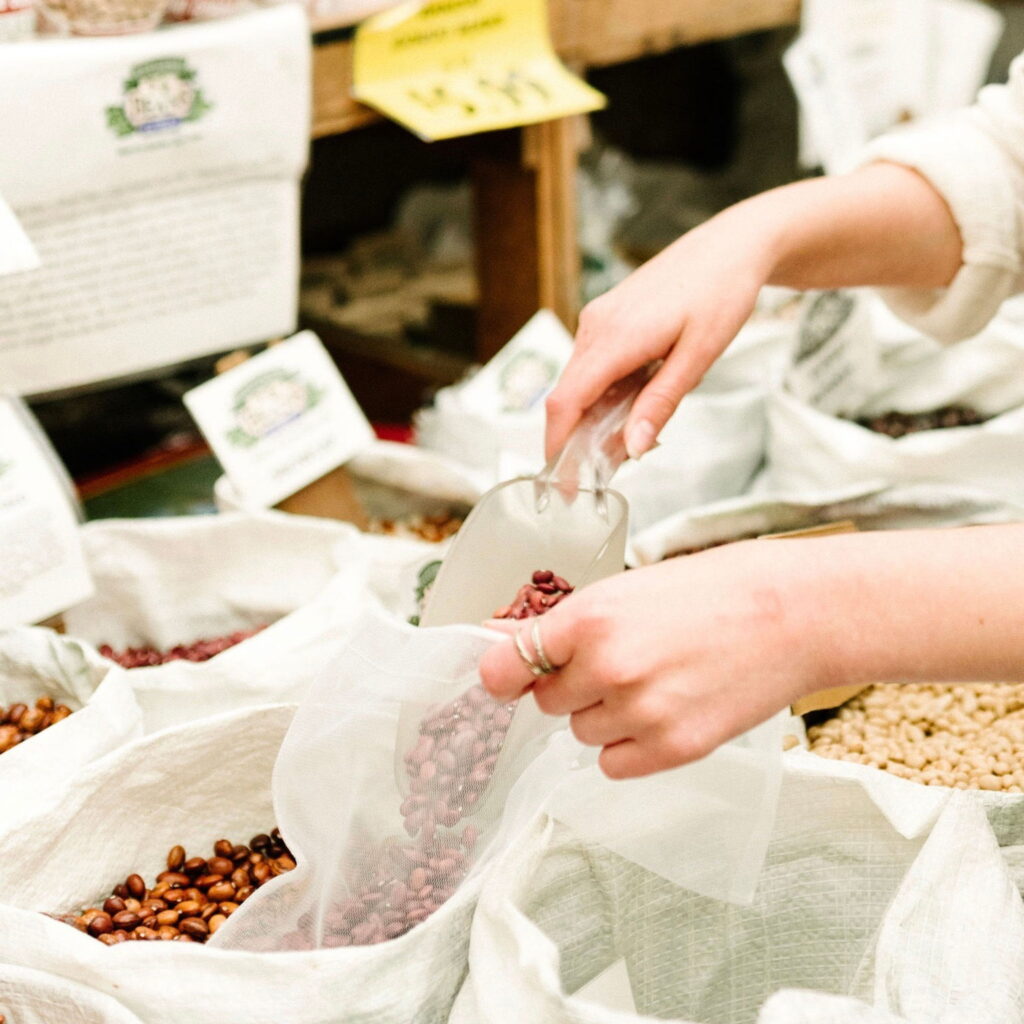
- Solid Cloth Bags: Necessary for fine grains, beans, or flours obtained from bulk bins.
- Upcycled Glass Jars: Used for liquids or delicate bulk items.
- Divided Wine Totes: An effective hack for transporting glass jars without breakage.
Phase 4: Preservation and Storage
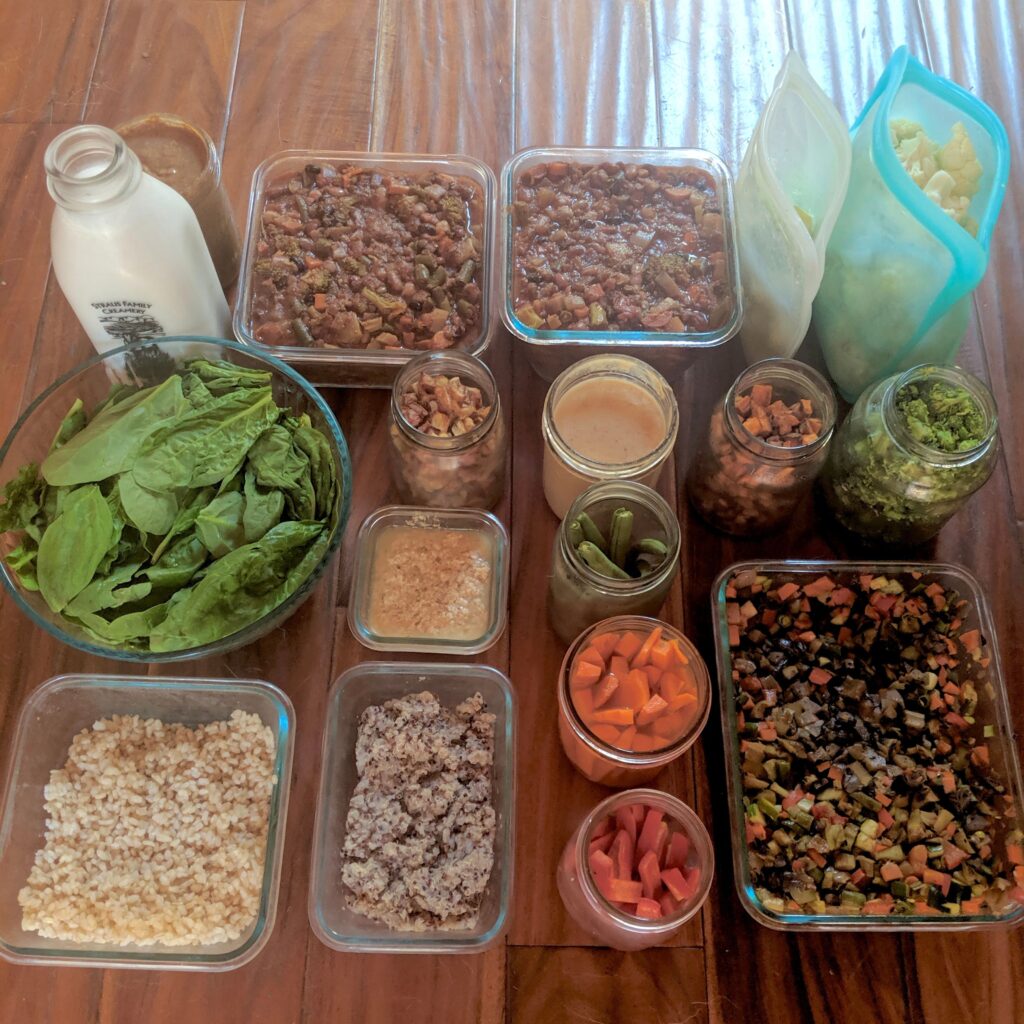
The zero-waste journey does not end at the checkout counter. Proper storage is the primary defense against premature food spoilage. Journalistic investigations into food science suggest that fridge organization is key. For example, berries should never be stored in the warmer environment of the refrigerator door, and carrots remain crisp significantly longer when submerged in a glass of water rather than left in a crisper drawer.
Phase 5: Culinary Integration and Disposal
The final phase involves "scraptastic" cooking—utilizing parts of the plant often discarded, such as carrot tops (which function similarly to parsley) or strawberry tops (which can be blended into smoothies for added nutrients). Only when every edible part has been utilized does the item move to the final stage: composting.
Supporting Data: The High Cost of Aesthetic Perfection
The "beauty standards" of the retail industry are a significant driver of systemic waste. Research indicates that tons of perfectly nutritious produce never reach the shelves because they are "wonky" or slightly bruised. However, some retailers are beginning to pivot, offering "imperfect" produce at a 20-30% discount.
Furthermore, the impact of the "lonely banana" phenomenon highlights consumer psychology; shoppers often avoid single bananas, leading to their eventual disposal by staff. By choosing these "lonely" items or bruised fruit, consumers directly intervene in the retail waste cycle.
On the packaging front, the shift toward glass, paper, and metal is supported by higher recycling rates compared to plastic. While soft plastics (bags and films) are rarely accepted in curbside recycling programs, many grocery stores have implemented specialized take-back programs, though the efficacy of these programs remains a subject of ongoing environmental scrutiny.
Official Responses: Institutional Shifts Toward Sustainability
The USDA and the Environmental Protection Agency (EPA) have historically set goals to halve food waste by 2030. In response to these federal targets, we are seeing a rise in "Industrial Composting Facilities." Unlike backyard piles, these facilities can reach the high temperatures necessary to break down complex organic waste, including meat, dairy, and certified compostable packaging.
Retailers are also facing pressure to change. The rise of the "Refillery" model—where consumers pay only for the product and not the packaging—is a direct response to consumer demand for plastic-free options. While currently more common in urban centers, the "naked produce" movement is gaining traction in suburban grocery chains as well, as brands realize that excessive packaging is becoming a liability rather than a selling point.
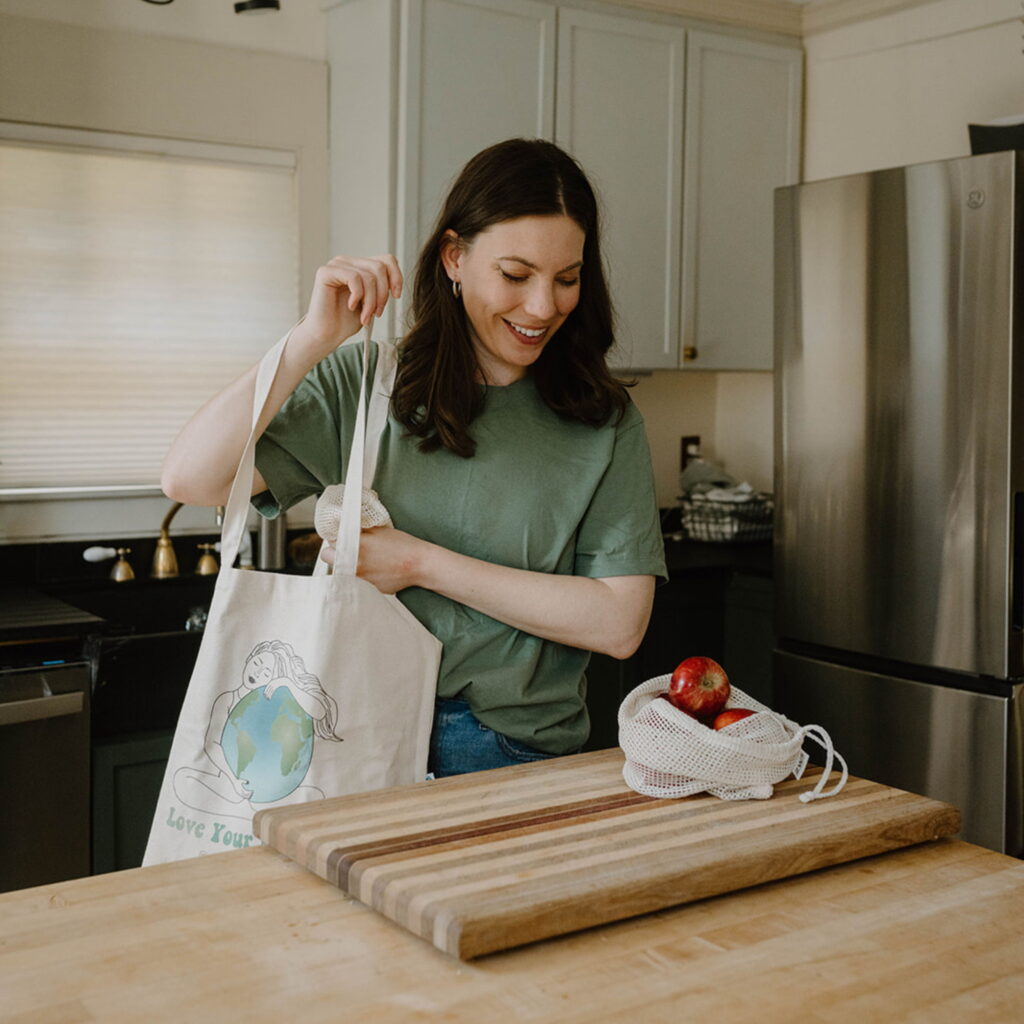
In her book 101 Tips For a Zero Waste Kitchen, sustainability expert and author Kathryn Kellogg emphasizes that the system must be accessible. "Zero waste isn’t about perfection; it’s about making better choices with the resources available to you," she notes. This sentiment is echoed by various environmental NGOs that advocate for "upcycling"—the process of giving packaging, such as plastic clamshells, a second life in community gardens or craft projects before they enter the waste stream.
Implications: The Economic and Environmental Outlook
The transition to zero-waste grocery shopping carries profound implications for the future of consumption:
1. Economic Resilience
As the USDA’s 3.6% price increase forecast for 2026 looms, households that master the art of bulk buying and food preservation will be better insulated against inflation. By purchasing only what is needed from bulk bins—down to the exact gram of a specific spice—consumers eliminate the "hidden tax" of unused food that eventually goes bad.

2. Environmental Mitigation
Reducing the demand for plastic packaging directly impacts the fossil fuel industry, as plastic production is a major driver of oil consumption. Furthermore, keeping organic waste out of landfills is a critical climate strategy. When food rots in a landfill, it lacks the oxygen necessary for aerobic decomposition, instead producing methane—a greenhouse gas significantly more potent than carbon dioxide.
3. Supply Chain Transformation
As consumer behavior shifts, the retail industry will be forced to innovate. We are likely to see an increase in "circular" packaging, where containers are returned to the store to be washed and reused, a modern return to the "milkman model."
4. Cultural Shift in Value
Ultimately, the zero-waste movement signals a return to a more traditional valuation of food. By viewing a carrot top or a lemon peel as a resource rather than rubbish, society begins to move away from the "disposable culture" that has dominated the last half-century.
In conclusion, zero-waste grocery shopping is a multi-faceted discipline that addresses the core inefficiencies of modern life. It requires a combination of strategic planning, culinary creativity, and a willingness to challenge the aesthetic standards of the traditional supermarket. As we move toward 2026 and beyond, the ability to minimize waste will likely become the hallmark of the savvy, responsible, and economically stable consumer.


 Iffa Jayyana

 Sagoh