


 Evan Lee Salim
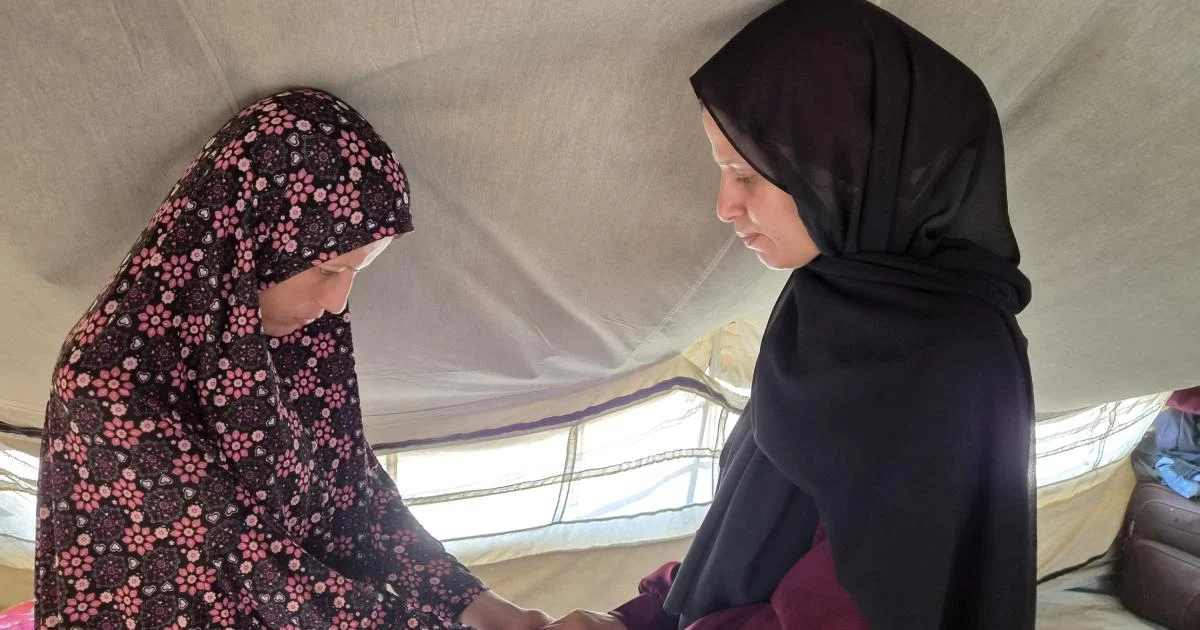
Three years have passed since the most recent escalation of armed conflict in the Gaza Strip, a period that has fundamentally dismantled the social, physical, and economic fabric of the territory. For the nearly two million people residing in Gaza, the passage of time has not brought resolution or recovery. Instead, it has marked a grueling marathon of survival, characterized by persistent displacement, the disintegration of family units, and a healthcare system pushed to the absolute brink of collapse.
While international headlines often shift toward geopolitical maneuvering, the reality on the ground remains a static, harrowing struggle for normalcy. Families continue to mourn the dead, navigate the trauma of exile from their homes, and grapple with the daily indignity of lacking basic necessities. This is not merely a story of statistics; it is a chronicle of a population held in a state of suspended animation, waiting for a future that remains perpetually out of reach.
Chronology of a Crisis: Three Years of Erosion
The timeline of the current crisis is defined by a series of compounding disasters. In the initial months of the escalation, the primary concern was the immediate physical safety of civilians as bombardment forced mass evacuations. What was initially conceived by many as a temporary displacement—a two-day flight to safety—has, for many, evolved into a permanent state of homelessness.
By the second year, the crisis shifted from an acute emergency to a systemic collapse. The destruction of infrastructure, including water treatment plants, power grids, and residential housing, meant that "home" was no longer a destination, but a memory. By the third year, the psychological toll began to manifest in a deep, pervasive sense of hopelessness. The transition from living in homes to living in tents and temporary shelters has become the defining experience of a generation. The uncertainty of when—or if—a return to one’s land will be possible has created a vacuum of agency, where individuals are unable to plan for the next week, let alone the next decade.
The Harsh Realities of Displacement: A Life in Limbo
Displacement is perhaps the most visible scar of the conflict. For individuals like 34-year-old Lina Al Kurdi, the trauma began with a simple act of flight. "I took only my ID card and a few clothes," she recounts. Like many others, Lina believed she would return to her life within forty-eight hours. More than a year later, she remains in a tent, separated from extended family members and stripped of the safety that a home provides.
The narrative of displacement is not just about geography; it is about the erasure of the domestic sanctuary. For 74-year-old Jihad Abu Awad, the loss of his home is synonymous with the loss of his identity. His home was the locus of his history—the place where his children grew up and where his late wife would host family gatherings. "Displacement is like you do not have a homeland," Jihad reflects. "It is like you have no land. You have no family. You have no safety."
This sentiment is echoed by millions. When the physical structure of a home is leveled, the rituals that bind a family—the shared meals, the celebrations, the quiet evenings—vanish. The result is a profound sense of isolation, where survival is the only objective, leaving no room for the preservation of cultural and familial traditions.
The Painful Separation: Families Divided
The conflict has forced families into agonizing, impossible decisions. Often, the survival of one member requires the separation of the whole. The story of 38-year-old Mohanned Abu Shaban serves as a poignant illustration of this modern tragedy. In 2025, Mohanned made the heartbreaking choice to send his 11-year-old son, Kamal, abroad for critical medical treatment.
Because Mohanned could not accompany his son, he has spent the last year navigating the psychological torture of distance. He follows Kamal’s treatment through sporadic phone calls and messages, unable to offer the physical comfort a child needs during a health crisis. "It was so hard for us as a family to see our son sick and not be able to do anything for him," Mohanned says. His story is one of thousands; fathers are separated from children, spouses from partners, and elderly parents from their caregivers. These separations are not merely logistical inconveniences; they are permanent fractures in the family structure that may never fully heal, even if peace were to be declared tomorrow.
The Devastation of the Healthcare System
The healthcare sector in Gaza represents the frontline of the humanitarian struggle. After three years of conflict, the system is not merely strained; it is essentially in a state of terminal decline. Hospitals, which are intended to be zones of healing, have become symbols of systemic failure, plagued by chronic shortages of fuel, essential medicines, and surgical equipment.
Jaber Zidan, a coordinator with the Palestine Red Crescent Society (PRCS), provides a sobering view from the inside. His teams act as a critical lifeline, transporting patients to border crossings for medical evacuation. The weight of his work is immense, both professionally and emotionally. He recalls patients who are so terrified of missing their evacuation window that they refuse to sleep, sitting awake all night in anticipation of the ambulance.
"Every time I join such a mission, I meet many people with different heartbreaking stories," Zidan says. He describes the frequent sights of children with amputations and patients in desperate need of cardiac or specialized surgical care—procedures that are now impossible to perform within the Strip. The waiting lists for evacuation are numbered in the thousands, and for many, the wait is fatal. The reliance on the PRCS and international coordination efforts highlights a grim reality: for thousands of Gazans, the only path to survival lies outside their own borders.
Supporting Data: The Magnitude of the Challenge
While personal accounts provide the "what," the data provides the "how severe." After three years of conflict:
- Housing: Over 70% of residential units in large swathes of the Gaza Strip have been damaged or destroyed, rendering long-term displacement a structural reality.
- Medical Evacuations: The backlog for medical evacuation remains in the thousands, with the World Health Organization noting that the lack of specialized equipment in local hospitals has turned once-treatable conditions into life-threatening emergencies.
- Infrastructure: Power availability has consistently hovered at less than 20% of pre-conflict levels, crippling not only hospitals but also water desalination plants and sanitation facilities, leading to the rapid spread of preventable diseases.
- Psychological Impact: Estimates from mental health organizations suggest that nearly every child in Gaza exhibits signs of severe post-traumatic stress disorder (PTSD), with the long-term cognitive and social implications yet to be fully realized.
Official Responses and International Stance
The international community, including bodies like the United Nations and the World Health Organization, has repeatedly called for the establishment of humanitarian corridors and the immediate cessation of hostilities. However, the diplomatic deadlock persists. Humanitarian agencies argue that the "drip-feed" approach to aid—allowing only minimal supplies into the Strip—is insufficient to prevent a total humanitarian collapse.
Regional stakeholders continue to advocate for ceasefire negotiations, yet the conditions for a durable peace remain elusive. Critics of the current international response point to the disparity between humanitarian aid and the political will required to restore basic services, such as electricity and healthcare infrastructure. The consensus among aid organizations is that without a sustained, large-scale intervention to rebuild the civilian infrastructure, the "humanitarian ceiling" will continue to drop, further endangering the lives of those who have survived the initial conflict.
Implications: The Future of a Traumatized Population
The implications of three years of sustained conflict are generational. When a population is forced to focus entirely on the next meal or the next hour, the developmental trajectory of its youth is stunted. Education has been largely suspended, and the social contract between the citizen and the state has effectively dissolved.
The desire for "agency"—the ability to choose one’s own path—is the most common refrain among those living in Gaza today. The people are not asking for charity in the long term; they are asking for the stability required to work, to build, and to care for their families. Without a resolution that addresses the root causes of the displacement and the medical crisis, the Gaza Strip risks becoming a permanent ward of the international community, trapped in a cycle of aid-dependency and systemic trauma.
The stories of Lina, Jihad, and Mohanned are not historical footnotes. They are current, ongoing realities. As the fourth year of this crisis approaches, the international gaze must remain fixed on the human cost. Stability, safety, and the right to return home remain the baseline aspirations of a population that has endured more than most should ever have to witness. The challenge remains: will the international community translate its concern into the structural changes necessary to give these families a future, or will the "new normal" of Gaza remain a landscape of tents, waiting lists, and broken promises?

 Layla Zulfa
 Asro






