


 Muslim
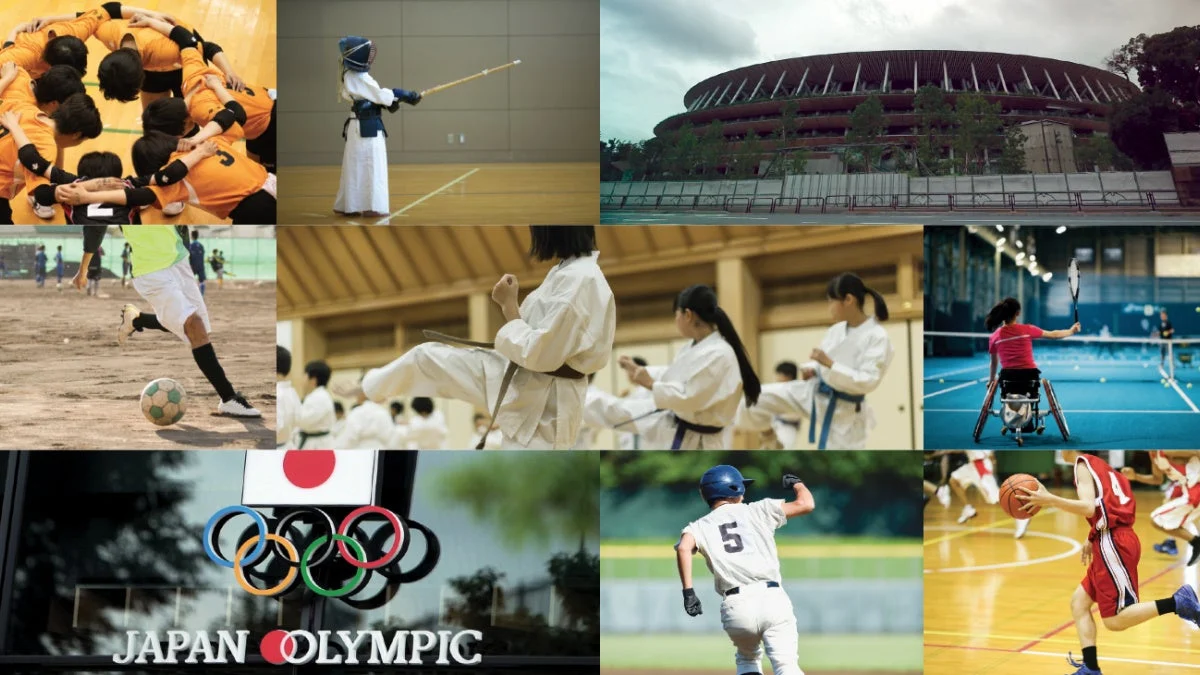
Every October, Japan marks Sports Day—a national holiday steeped in historical resonance. Originally established to commemorate the 1964 Tokyo Olympics, the day serves as a symbolic testament to the nation’s enduring commitment to physical excellence and the integration of athletics into the fabric of national identity. For over sixty years, Japan has cultivated a reputation as a global sporting powerhouse, bolstered by robust legislative frameworks like the Basic Act on Sports and a relentless pursuit of medals.
However, beneath the veneer of national pride and gold-medal tallies lies a harrowing, systemic reality that has persisted for decades: the widespread physical, sexual, and verbal abuse of children and athletes. As Japan looks toward its next phase of sporting policy, the celebration of athleticism is increasingly overshadowed by a critical, long-overdue mandate: the protection of human rights within the arena.
The Chronology of a Sporting Crisis
The history of Japanese sports is a dual narrative of triumph and trauma. While the 1964 Tokyo Games signaled Japan’s post-war emergence as a modern, disciplined state, they also cemented a culture where the coach-athlete hierarchy was absolute.
The Era of "Discipline"
For generations, the "spartan" training model—characterized by harsh physical punishment, intense verbal berating, and the silencing of dissent—was not merely accepted; it was celebrated as a necessary sacrifice for success. This methodology, often referred to in Japanese as shido (guidance), frequently blurred the lines between rigorous coaching and physical assault.
Documenting the Hidden Scars
The turning point in public discourse began in the late 2010s, as survivors of institutionalized sports abuse began to break their silence. In July 2020, Human Rights Watch (HRW) published a landmark report titled, “I Was Hit So Many Times, I Can’t Count,” which brought international scrutiny to the systemic maltreatment of minors. The report featured gut-wrenching testimony from professional athletes who detailed routine beatings, water deprivation, and sexual misconduct within school and professional club settings.
Legislative Intervention: The 2025 Amendments
Following years of public outcry and pressure from international human rights advocates, the Japanese parliament enacted critical amendments to the Basic Act on Sport in 2025. These amendments formally mandated that the national government take an active role in preventing abuse. It was a historic acknowledgment that the "win-at-all-costs" mentality had come at too high a price. However, the legislation, while progressive in text, has faced significant hurdles in practice.
The Structural Failure: Why Current Protections Fall Short
Despite the 2025 legal framework, the reality on the ground remains largely unchanged. The primary critique from human rights experts is that the Japanese government has offloaded the responsibility of policing abuse to individual sports federations—the very organizations where the culture of silence often originates.
The Conflict of Interest
In the current ecosystem, if an athlete is abused by a coach, they are expected to report the incident to their governing federation. This creates a fundamental conflict of interest. Federations are often incentivized to prioritize the reputation of their coaches and the prestige of their organizations over the safety of the individual athlete. When an institution is responsible for both promoting a sport and investigating its own misconduct, the athlete is rarely the beneficiary.
The Fear of Retaliation
The culture of sports in Japan is deeply hierarchical, often modeled after senpai-kohai (senior-junior) dynamics. Athletes—particularly children—fear that reporting abuse will lead to expulsion from the team, blacklisting, or further physical retaliation. This fear is not unfounded. Because there is no centralized, independent body to handle these complaints, the process is fragmented, opaque, and entirely dependent on the specific federation’s internal policies.
Supporting Data: The Scope of the Problem
The data provided by organizations like Human Rights Watch and various academic studies on Japanese physical education paint a bleak picture. While exact numbers are difficult to track due to the high rates of non-reporting, the qualitative data is overwhelming.
- Systemic Nature: Abuse is not limited to one sport; it spans from judo and wrestling to volleyball and baseball.
- Age Vulnerability: Children as young as elementary school age are subjected to corporal punishment under the guise of "training."
- Psychological Impact: Survivors frequently report long-term trauma, including depression, anxiety, and the abandonment of their sporting careers, which often serve as a vital pathway for education and professional development in Japan.
The Call for a New Blueprint: The 2027 Strategy
The Japan Sports Agency (JSA) is currently in the process of drafting the government’s five-year blueprint for sports policy, set for implementation in 2027. This document represents a potential watershed moment for the nation’s athletic culture. Advocates are calling for a departure from the "self-regulation" model that has defined the last decade.
The Case for an Independent Safe Sport Center
The central proposal among reformists is the establishment of an Independent Safe Sport Center. This entity would need to satisfy three core requirements to be effective:
- Total Autonomy: The center must operate outside the jurisdiction of sports federations and the JSA to ensure that investigations are free from political or organizational bias.
- Centralized Intake: It must provide a single, confidential channel for all athletes, regardless of their sport or level of play, to report abuse.
- Investigative Authority: The center must be empowered to launch official investigations and impose sanctions on coaches and organizations found to be fostering abusive environments.
Without such a body, the 2027 plan risks being another bureaucratic exercise that prioritizes the optics of progress over the reality of athlete welfare.
Official Responses and the Stance of the Government
The Japanese government has acknowledged the need for change, but the speed of its response has been sluggish. Government officials argue that they are balancing the need for reform with the autonomy of private sporting bodies. However, this stance is increasingly seen as a failure of oversight.
Critics argue that the state’s historical obsession with "sports as a national priority" has blinded it to the human costs. When the state provides significant funding to sports programs, it has a moral and legal obligation to ensure that the environment within those programs meets basic international human rights standards. The government’s reliance on "internal guidelines" within federations has proven to be a strategy of deflection rather than resolution.
Implications: A National Reckoning
The implications of failing to act are profound. Japan’s soft power on the international stage is inextricably linked to its sporting success. Yet, in an era where global sports organizations are increasingly held to account for safeguarding, Japan risks isolation if it continues to harbor systems that facilitate abuse.
Redefining Success
True sporting success should not be measured solely by the number of medals in a display case, but by the dignity and safety of the athletes who earn them. If Japan wants to remain a global leader in sports, it must pivot from a culture of authoritarianism to one of human-centric development.
The Future of Sports Day
As Japan observes Sports Day, it should be a time for reflection. It is an opportunity for the government to move beyond the commemorative rhetoric of the 1964 Olympics and address the urgent, present-day need for safety.
If the goal of the upcoming 2027 policy is to cultivate a new generation of athletes, that generation must be free from the shadow of physical and emotional violence. The implementation of an independent oversight body is the minimum requirement for a nation that claims to value its athletes as its greatest assets.
Conclusion: A Path Toward Integrity
The path forward is clear. Japan stands at a crossroads. It can continue to defend an archaic system of "discipline" that ruins lives and silences the vulnerable, or it can take the bold, necessary steps to build a transparent and safe sporting culture.
The silence that has protected abusers for decades must be replaced by a culture of accountability. By establishing an independent Safe Sport Center and moving away from federation-led investigations, the Japanese government can finally align its actions with its national values. Only then will Sports Day be a true celebration—not just of what the Japanese athlete can achieve, but of the country’s commitment to protecting the people who make those achievements possible. The medals are meaningful, but human lives are paramount. It is time for Japan to ensure that no child’s dream of sporting glory is built on the foundation of abuse.

 Layla Zulfa
 Asro






