



 Ali Ikhwan
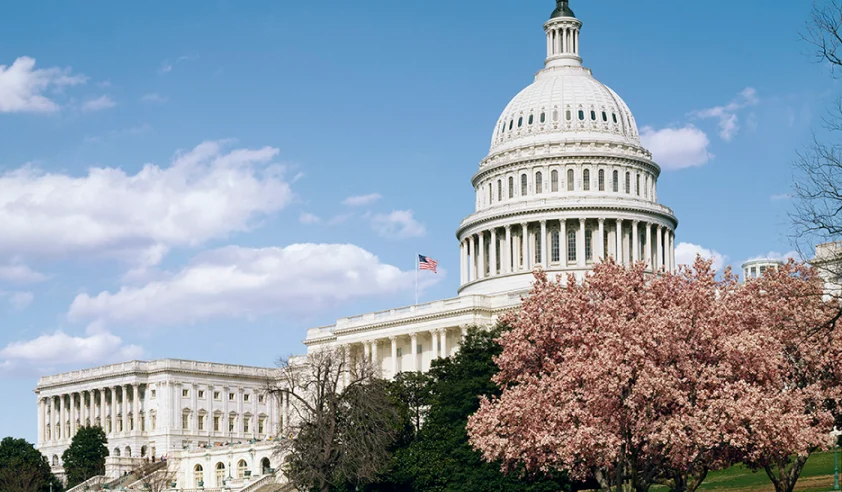
WASHINGTON, DC — The landscape of American electoral policy faces a seismic shift as the House of Representatives moves forward with the Safeguard American Voter Eligibility (SAVE) Act. While proponents argue the legislation is a necessary step to secure the integrity of federal elections, civil rights advocates are sounding the alarm, characterizing the bill as a sophisticated mechanism for voter suppression that threatens to disenfranchise millions of eligible citizens.
At the center of this firestorm is Beth Lynk, Executive Director of the nonpartisan organization When We All Vote, who issued a blistering rebuke of the bill immediately following the House vote. As the legislation heads to the U.S. Senate, the debate has reignited deep-seated tensions regarding the balance between election security and voter accessibility.
The Core of the Controversy: Understanding the SAVE Act
The SAVE Act, as presented by its supporters, is framed as a common-sense measure designed to bolster public confidence in federal elections. The bill’s primary objective is to require individuals to provide documentary proof of U.S. citizenship—such as a passport, birth certificate, or naturalization papers—in person when registering to vote in federal elections.
However, critics argue that the "security" label is a misnomer. In her statement, Lynk contended that the bill does not "save" anything, but rather serves as an "outright attack on our democracy." The crux of the opposition’s argument is that the bill effectively dismantles the modern infrastructure of voter registration. By mandating in-person verification for documentation, the act would effectively invalidate the convenience and reach of online, automatic, and mail-in registration systems—tools that have been instrumental in bridging gaps in electoral participation.
Chronology: A Legislative Push Amidst Widespread Disenfranchisement
The introduction of the SAVE Act occurs within a broader, multi-year context of legislative activity aimed at changing how Americans access the ballot box.
- 2020–2022: Following the high-turnout 2020 election, numerous state legislatures across the country began introducing restrictive voting measures.
- Early 2024: A wave of over 280 bills aimed at tightening voting regulations were introduced across various state houses, signaling a coordinated effort to alter election administration at the local level.
- The 2024 Election Cycle: Despite historically high engagement, approximately 90 million Americans did not cast a ballot in the previous federal election cycle. This data point serves as a primary counter-argument for voting rights advocates, who maintain that the priority should be the reduction of barriers rather than the construction of new ones.
- The Current Vote: The House of Representatives’ approval of the SAVE Act marks a major milestone in this legislative push, shifting the focal point of the debate to the U.S. Senate, where the bill’s fate remains uncertain.
For When We All Vote, the timing is particularly egregious. With more than 100,000 local elections occurring across 45 states this year, the organization argues that the focus on exclusionary measures distracts from the pressing need to foster a more inclusive and representative electorate.
Supporting Data: Who Stands to Lose?
The impact of the SAVE Act, according to independent policy analysts and advocacy groups, would not be felt uniformly across the population. Data suggests that the requirements imposed by the act would disproportionately impact specific demographic cohorts:
- Young Voters: Often transient and less likely to have easy access to physical copies of citizenship documents, younger voters face higher hurdles in registration.
- Black and Brown Voters: Historical disparities in voter access suggest that added administrative layers often result in a decline in registration rates among minority communities.
- Lower-Income and Rural Voters: These groups often face "the geography of voting" challenges—where the lack of transportation or the physical distance to a government office to provide documentation serves as a de facto poll tax.
- Women and Those Impacted by Climate Disasters: Many Americans displaced by natural disasters may lose access to their personal identity documents, making the in-person requirement a nearly impossible hurdle to clear in the wake of an emergency.
When We All Vote reports that last year alone, they helped over 300,000 Americans register or verify their registration status. Their work focuses specifically on closing the race and age voting gaps—an effort they claim the SAVE Act would fundamentally undermine.
Official Responses and the Clash of Ideologies
The discourse surrounding the SAVE Act highlights a fundamental disagreement regarding the state of American election security. Proponents of the bill frequently cite concerns over potential voter fraud, suggesting that the current system is vulnerable to exploitation by non-citizens.
However, Lynk and other voting rights advocates characterize these claims as "hollow." The prevailing view among election experts—and the stance held by When We All Vote—is that existing laws already prohibit non-citizens from voting in federal elections.
"We know the truth: Only eligible citizens vote in elections," Lynk stated. "While proponents of the bill try to distract us with false declarations that they are protecting our elections, we see through their hollow claims of voter fraud and attempts at voter suppression."
The rhetoric from the opposition is stark: they argue that if the public’s voice were not powerful, there would be no need for such "blatant, targeted voter suppression." Consequently, organizations like When We All Vote are pivoting their strategy toward the Senate, urging citizens to contact their representatives and demand a "NO" vote on the legislation.
Implications: The Future of Civic Engagement
The implications of the SAVE Act extend far beyond the immediate electoral cycle. By creating a more daunting registration process, the act could fundamentally alter the composition of the American electorate for years to come.
The Role of Advocacy Initiatives
Organizations such as When We All Vote, founded by Michelle Obama in 2018, have changed the cultural conversation around voting. By bringing together celebrities, institutions, and brands, the initiative has reached over 100 million people since its inception. The potential for the SAVE Act to dismantle this progress is a point of significant concern for these groups. If registration becomes an "overwhelming" or "daunting" task, the culture of normalized participation that these groups have cultivated could face a significant reversal.
A Call to Legislative Action
Advocates are not merely playing defense. In response to the SAVE Act, there is a renewed push for legislation like the John R. Lewis Voting Rights Advancement Act. This bill aims to dismantle systemic barriers and restore the protections of the Voting Rights Act of 1965. The strategy is clear: rather than restricting the pool of voters, proponents of this legislation argue that the federal government should be proactively dismantling racial and economic barriers to the ballot.
What Comes Next?
As the bill moves to the Senate, the pressure on lawmakers is intensifying. When We All Vote has launched a targeted campaign—available at WeAll.Vote/fight—to mobilize voters to contact their senators.
The battle over the SAVE Act serves as a microcosm of a larger, ongoing struggle over the definition of American democracy. Is it a system designed to be guarded by exclusivity, or one that thrives on universal participation? For millions of Americans, the answer to that question will determine whether their voice remains heard in the halls of power or is silenced by a changing set of rules.
About the Organizations
When We All Vote
Founded by Michelle Obama in 2018, When We All Vote is a leading nonpartisan initiative dedicated to increasing participation in every election. Through the work of co-chairs like Tom Hanks, Lin-Manuel Miranda, and Jennifer Lopez, the organization seeks to close race and age gaps in voter turnout. It is an initiative of Civic Nation, a 501(c)(3) organization that serves as an impact hub for initiatives designed to strengthen civic culture. Other initiatives under the Civic Nation umbrella include ALL IN Campus Democracy Challenge, It’s On Us, and We The Action.
For more information on the ongoing efforts to address the SAVE Act, stakeholders and members of the press are encouraged to reach out to the organization’s media contacts to engage in the broader conversation regarding the protection of fundamental democratic rights.

 Lina Irawan
 Lina Hope






