



 Nana Wu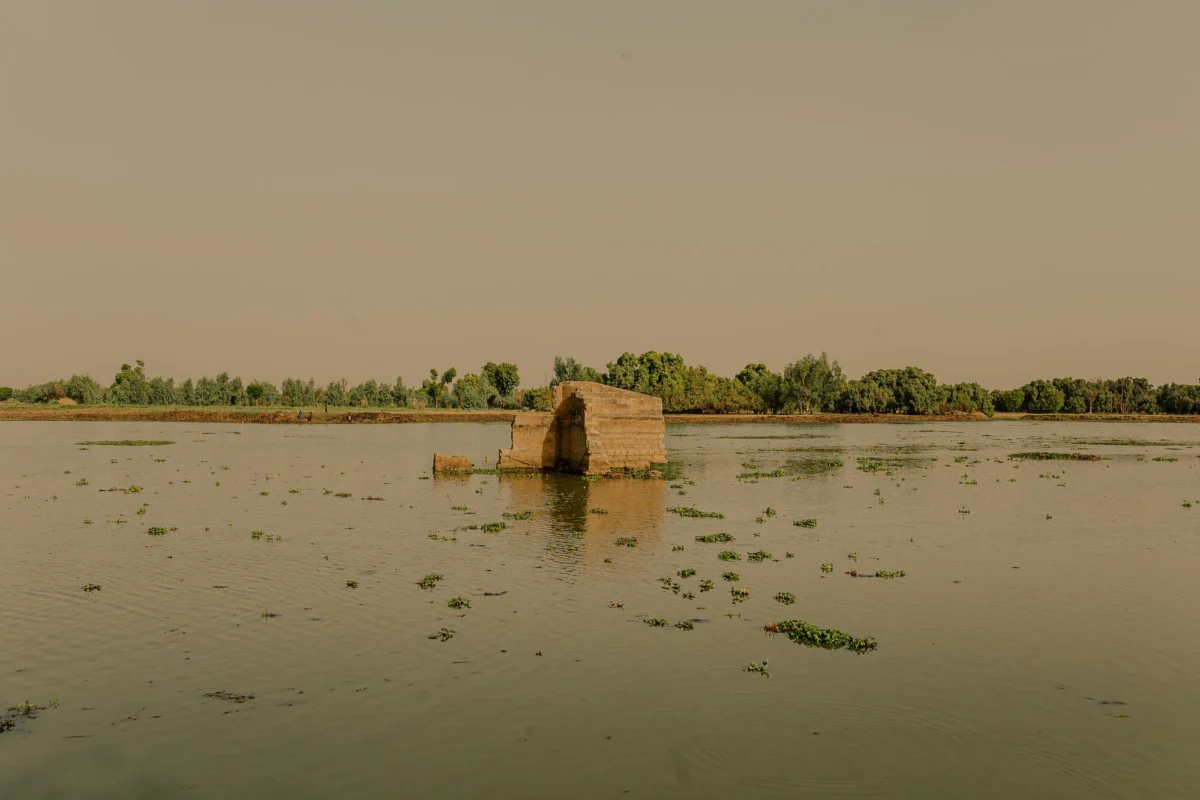
The Convergence of Climate and Conflict
In northwestern Nigeria, the arrival of the rains is traditionally welcomed by farmers as the herald of the planting season. However, for the millions residing in states like Zamfara, the onset of the wet season—spanning from May to September—is a period of profound apprehension. It is a time when the environment itself becomes a threat, acting as a catalyst for a convergence of infectious diseases, logistical paralysis, and acute food insecurity.
For communities already hollowed out by years of persistent armed violence, the rainy season acts as a "threat multiplier." The conflict, characterized by village raids, kidnappings, and the destruction of rural livelihoods, has created a landscape where health infrastructure is fragile and, in many areas, entirely absent. When the deluge begins, the precarious balance of survival is often shattered.
Chronology of a Seasonal Emergency
The humanitarian cycle in this region follows a predictable, yet devastating, pattern:
- Early May: The first heavy rains arrive, causing the displacement of stagnant water and the contamination of local water sources.
- June – July: As humidity rises and pools of water stagnate, mosquito populations explode. Malaria, already endemic, enters a peak transmission phase.
- August: The "lean season" reaches its apex. Household food stores from the previous year are exhausted, and the new harvest remains weeks away. This period of nutritional deficit leaves the immune systems of children and the elderly critically compromised.
- September: The cumulative effects of waterborne pathogens (cholera, typhoid) and malnutrition hit their highest point. The prevalence of "typhoid perforation"—a life-threatening surgical complication—spikes as families wait too long to seek medical intervention due to the prohibitive costs of travel and the physical hazards of flooded, insecure roads.
The Anatomy of the Health Crisis: Supporting Data
The statistics provided by Doctors Without Borders (Médecins Sans Frontières/MSF) offer a grim quantitative view of the crisis. In 2025 alone, within the state of Zamfara, MSF teams recorded 136,778 malaria cases and 13,877 instances of cholera. Perhaps more alarming is the silent epidemic of malnutrition, with 60,566 children treated for the condition in a single year.

These figures do not represent mere medical entries; they represent a population trapped in a cycle of illness. As Sani Adamu, a nursing activity manager at an MSF hospital in Zamfara, explains: “In places where sanitation is poor and water sources are unsafe, any contamination can spread quickly. Flooding pushes waste, garbage, and fecal matter into water sources. Children play in this water, households use it, and people fall sick.”
The interplay between these variables creates a "perfect storm." A child weakened by chronic malnutrition is exponentially more likely to succumb to a bout of malaria. A family already impoverished by cattle rustling and displacement is forced to choose between purchasing food or paying for the transport required to reach a life-saving medical facility.
Personal Accounts: The Human Cost
Behind the clinical data lie stories of survival against impossible odds. Consider the case of 6-year-old Hamida, who recently underwent surgery for typhoid perforation—a condition that, if left untreated, is almost universally fatal. Thanks to the surgical interventions provided by MSF, she is currently in recovery.
However, for every child like Hamida, there are others whose families lack the 10,000 naira (approximately $7.30 USD) required to travel to a clinic. Saratu, a mother whose daughter Jamila has been displaced multiple times, provides a harrowing look into the domestic reality of this crisis.

"We live close to the river and sleep in the bush," Saratu says. "We don’t have mosquito nets. During the rainy season, a lot of children get malaria. One child recovers, and another falls sick. Sometimes three of your children are ill at the same time, and you don’t know what to do." Her testimony highlights the structural failures: a lack of basic protective equipment like insecticide-treated nets and the crushing financial burden of seeking care in a region where the state-provided safety net has effectively collapsed.
Implications for Public Health and Policy
The situation in northwestern Nigeria underscores a critical failure in public health policy: the lack of preventative infrastructure in regions affected by conflict. While medical NGOs provide essential emergency care, the root causes of these seasonal deaths remain unaddressed.
The Need for Proactive Mitigation
Adamu emphasizes that the current model of reactive emergency response is insufficient. "Preventive action before and during the rainy season is critical," he states. "Strengthening community awareness, improving access to safe water and sanitation, and ensuring timely vaccination campaigns can all reduce the impact of diseases. Health facilities must also be properly equipped and supported to diagnose and treat patients quickly and effectively."
The "Access Gap"
Insecurity remains the greatest barrier to health equity. Armed groups often control the transit routes, effectively blockading villages. When bridges are washed away or roads become impassable mud tracks, the distance to the nearest clinic becomes a death sentence. This isolation forces communities to rely on informal, often dangerous, traditional remedies or to forgo treatment entirely.

The Nutritional Dimension
The lean season is not merely an agricultural issue; it is a clinical one. The lack of dietary diversity and calorie intake during the rainy months means that even common diarrheal diseases become fatal. Without large-scale, sustainable food security programs that account for the volatility of the rainy season, the burden on pediatric wards will continue to grow.
Looking Toward 2026 and Beyond
As Nigeria moves further into the 2026 rainy season, the outlook remains concerning. The combination of environmental change, which appears to be increasing the severity of floods, and the persistent insecurity in states like Zamfara, suggests that the surge in malaria, cholera, and typhoid will continue to overwhelm local capacity.
The international community and national authorities must recognize that the crisis in northwest Nigeria is not a series of isolated medical events, but a systemic failure. Addressing it requires:
- Investment in Sanitation: Moving beyond temporary water treatment to long-term infrastructure, such as boreholes and protected waste management systems, to prevent the contamination of water sources during floods.
- Mobile Clinics: Given the mobility restrictions caused by insecurity, stationary hospitals are often unreachable. Mobile clinics that can operate safely within conflict-affected zones are essential.
- Preventive Distribution: Massive, pre-season distribution of mosquito nets, oral rehydration salts, and nutritional supplements must become a priority to reduce the load on the hospital system.
The story of the Nigerian rainy season is one of resilience in the face of despair. But resilience is not a substitute for healthcare. Until the structural barriers—insecurity, poverty, and lack of basic infrastructure—are dismantled, the rains will continue to be a season of grief for families across the northwest. The lives of children like Hamida and Sadiq depend on a transition from crisis management to a sustainable, proactive approach to human security.

 Rifan Muazin
 Asep Darmawan