


 Laily UPN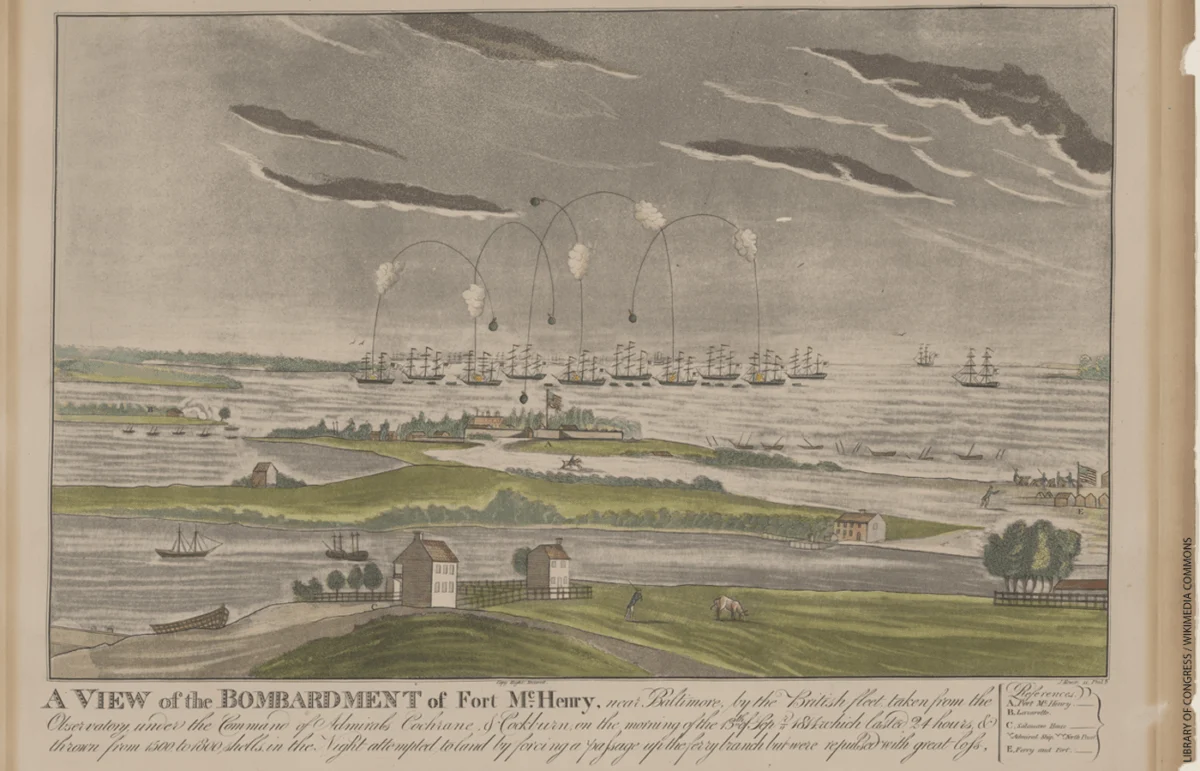
In an era defined by polarized debates over curriculum and plummeting literacy rates, the way American schools teach history and civics has come under intense scrutiny. Recent data from the National Assessment of Educational Progress (NAEP) reveals a stark reality: student performance in these subjects has reached historically low levels. As school districts across the country scramble to revise their instructional materials, a new initiative from the Knowledge Matters Campaign is advocating for a radical shift in how history is selected, structured, and taught.
In a recent dialogue, Rick Hess, a prominent scholar in education policy, sat down with Barbara Levey, a leading voice behind the Knowledge Matters Campaign, to discuss a new rubric designed to help school leaders evaluate the quality of history and civics curricula. The conversation highlights a growing consensus among researchers: the current "hodgepodge" approach to teaching history is not only failing to foster civic knowledge but is also actively undermining students’ reading comprehension.
The Problem: A Crisis of Continuity and Cohesion
For decades, the standard process for adopting history curriculum in many school districts has been superficial at best. According to Levey, leaders often focus on the aesthetic appeal of textbooks—the vibrancy of the images, the number of included activities, and the slickness of publisher presentations—rather than the structural integrity of the narrative content.
"What often receives less attention is the structure of the historical content being taught," Levey notes. "The review tool we’ve developed helps leaders focus on the deeper questions and, we hope, demand more of publishers."
The implications of this oversight are severe. As schools have shifted their focus toward standardized test results in core subjects like math and English, history and civics have been pushed to the periphery. This trend, which began accelerating two decades ago, has resulted in a fragmented educational experience for students. Instead of a chronological, meaningful journey through time, students are often presented with a disconnected series of isolated lessons that fail to build upon one another from year to year.
The Cognitive Case for Story-Driven History
Central to the Knowledge Matters Campaign’s philosophy is the belief that "history is a story and, for young students, should be taught as such." This is not merely a pedagogical preference; it is rooted in cognitive psychology.
Human memory is inherently narrative-based. We retain information more effectively when it is anchored to a sequence of events—a beginning, a middle, and an end—featuring relatable characters. When history is taught as a series of disconnected factoids, it creates an cognitive load that is difficult for students to manage. Conversely, when students learn history as a connected narrative, they develop a "foundation of knowledge" that serves as a scaffold for future learning.
"A 5th-grade teacher in Arizona once recounted to me that when she discusses the impact of the War of 1812, she can ask her students, ‘Didn’t you read about that in 2nd grade?’" Levey explains. "Strong curriculum builds that narrative foundation across grades so that by the time students reach middle and high school, they can analyze primary sources and debate historical interpretations with real understanding."
This approach contrasts sharply with the current trend of prioritizing current events in civics education. While current events are undeniably important, Levey argues that teaching them without historical context can inadvertently drift into "propagandizing," particularly in elementary school. By framing civics through the lens of history, students gain a deeper understanding of how institutions—such as representative government or constitutional rights—emerged through centuries of conflict, debate, and compromise.
Supporting Data and the Literacy Connection
The urgency of this shift is underscored by declining literacy scores across the United States. Education research consistently demonstrates that history and civics are not just subjects in their own right; they are the primary vehicles through which students build the background knowledge necessary to decode complex, sophisticated texts.
When history is stripped from the early childhood curriculum, students reach middle and high school with a "knowledge gap." They may possess the technical skill to read words on a page, but they lack the historical context required to comprehend the nuances of the text. This "long buildup" of missing foundational knowledge is, according to the NAEP data, a primary driver of the abysmal performance in national assessments.
The Knowledge Matters Campaign is uniquely positioning itself by linking history instruction to reading success. By framing the need for a rigorous history curriculum as a solution to the broader literacy crisis, proponents hope to move the needle in a way that previous, purely idealistic initiatives have failed to do.
Navigating the Ideological Minefield
The debate over what it means to be an American is, as Levey acknowledges, "baked into our founding." Consequently, history education has become a flashpoint for ideological conflict. Parents and school boards across the country are currently engaged in heated debates over how to teach sensitive topics like slavery and civil rights.
The new evaluation tool aims to bypass these ideological traps by focusing on objective, substantive benchmarks. Rather than dictating a specific political slant, the tool asks:
- Does the curriculum present accurate, evidence-based narratives?
- Does it rely on primary sources rather than editorialized summaries?
- Does it introduce students to the major figures and events that shaped the nation and the world?
"Polling consistently shows that parents across the political spectrum want students to learn about difficult topics," Levey points out. "The disagreement is often about how those topics are framed and taught. The tool gives everyone a shared framework so those conversations can focus on the quality of learning."
Moving Forward: A Call for Coherence
For educators and school leaders tasked with selecting materials, the path forward requires a departure from the status quo. The advice offered by the Knowledge Matters Campaign is straightforward: look at the year-long arc of the curriculum.
If the materials feel like a "random tour" through disparate, unrelated topics, they are likely to fail in building the student’s knowledge base. A rigorous curriculum, by contrast, provides a coherent narrative that flows logically from one lesson to the next. It encourages students to ask questions about causality—what happened next? How did this event lead to that one?
Summary of Implications for Schools:
- Curriculum Review: Move beyond visuals and activities. Evaluate materials based on narrative structure and chronological continuity.
- Integration: Recognize history and civics as foundational pillars for literacy and reading comprehension.
- Focus on Substance: Use objective rubrics to evaluate primary source usage and narrative accuracy to mitigate ideological friction.
- Professional Development: Invest in training teachers to understand the narrative arc of their history units, ensuring they can connect current lessons to previous years of study.
Ultimately, the goal is to transform the classroom experience from one of rote memorization to one of intellectual engagement. By prioritizing a structured, story-driven approach to history, schools can help students move past the abstract and the superficial, preparing them not just to pass a test, but to participate thoughtfully in a complex democratic society.
"When that structure is missing, history can feel like a random tour," says Levey. "So, my advice is to focus on whether the curriculum provides a coherent story. Those are the materials that support deep historical learning."
As school districts prepare for the next round of curriculum adoptions, the success of these efforts may well depend on the willingness of administrators to demand more from publishers and to prioritize the long-term, structural benefits of historical literacy over the short-term appeal of "all-in-one" educational packages. The future of American civic life may depend on it.

 Raul Delapena Setiawan