

 Basiran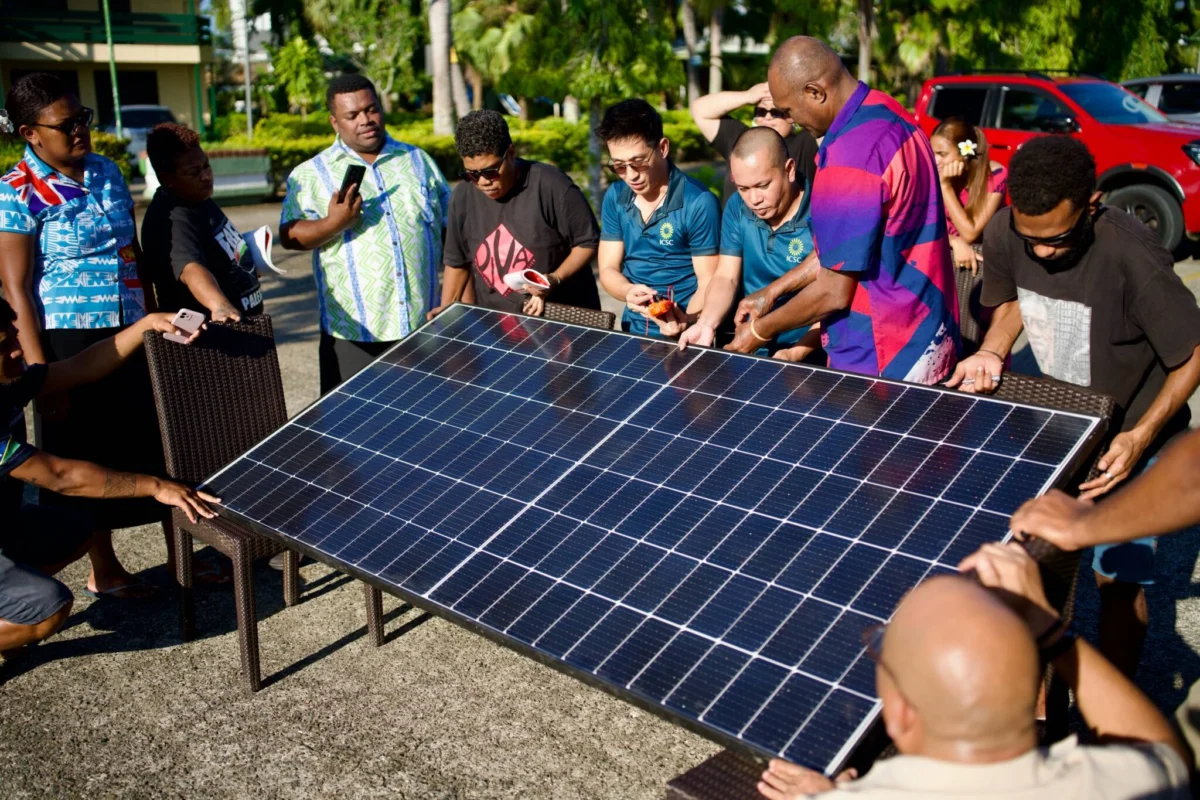
If the daily news cycle feels like a relentless barrage of climate catastrophes, economic instability, and geopolitical friction, you are far from alone. For many, the weight of the modern world’s crises—rising inflation, deepening wealth inequality, and the accelerating pace of environmental degradation—can feel insurmountable. However, to focus solely on the headlines of despair is to overlook a profound, structural shift occurring just beneath the surface of global society.
Across every continent, a quiet revolution is underway. Ordinary citizens, community organizers, and local leaders are no longer waiting for top-down mandates to address the climate crisis. Instead, they are taking matters into their own hands, installing renewable infrastructure, demanding legal accountability, and proving that a post-fossil-fuel future is not merely an idealistic dream, but a practical, unfolding reality.
The Winds of Change: Key Developments
This past week has provided a masterclass in how sustained public pressure translates into tangible, systemic change. From the halls of the United Nations to the remote villages of the Pacific, the global landscape is shifting.
1. A Watershed Moment at the United Nations
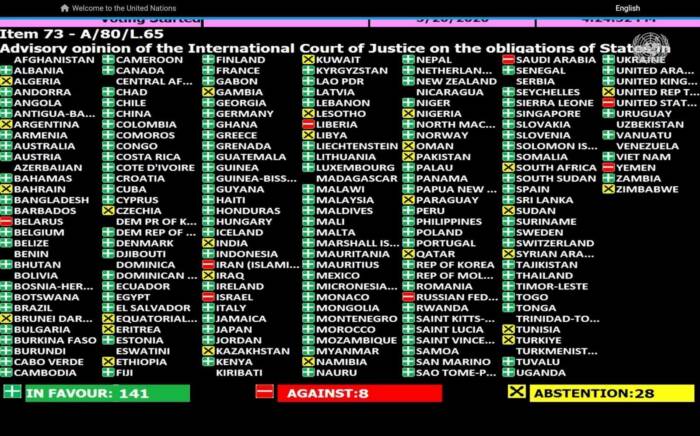
In a move that has been years in the making, the United Nations General Assembly has adopted a landmark resolution affirming the legal responsibility of governments to take meaningful action on climate change. This decision follows a groundbreaking advisory opinion from the International Court of Justice (ICJ), which clarified that states have an inherent duty to protect the climate system for present and future generations.
With 141 member states voting in favor, this resolution signals that climate justice is no longer a peripheral concern; it has moved to the center of global jurisprudence. While the resolution itself is not a panacea for the climate crisis, it creates a powerful legal framework that activists and legal teams can use to hold corporations and governments accountable. It is a stark reminder that when movements commit to long-term advocacy, they eventually force the hand of global power structures.
2. Energy Sovereignty in the Pacific
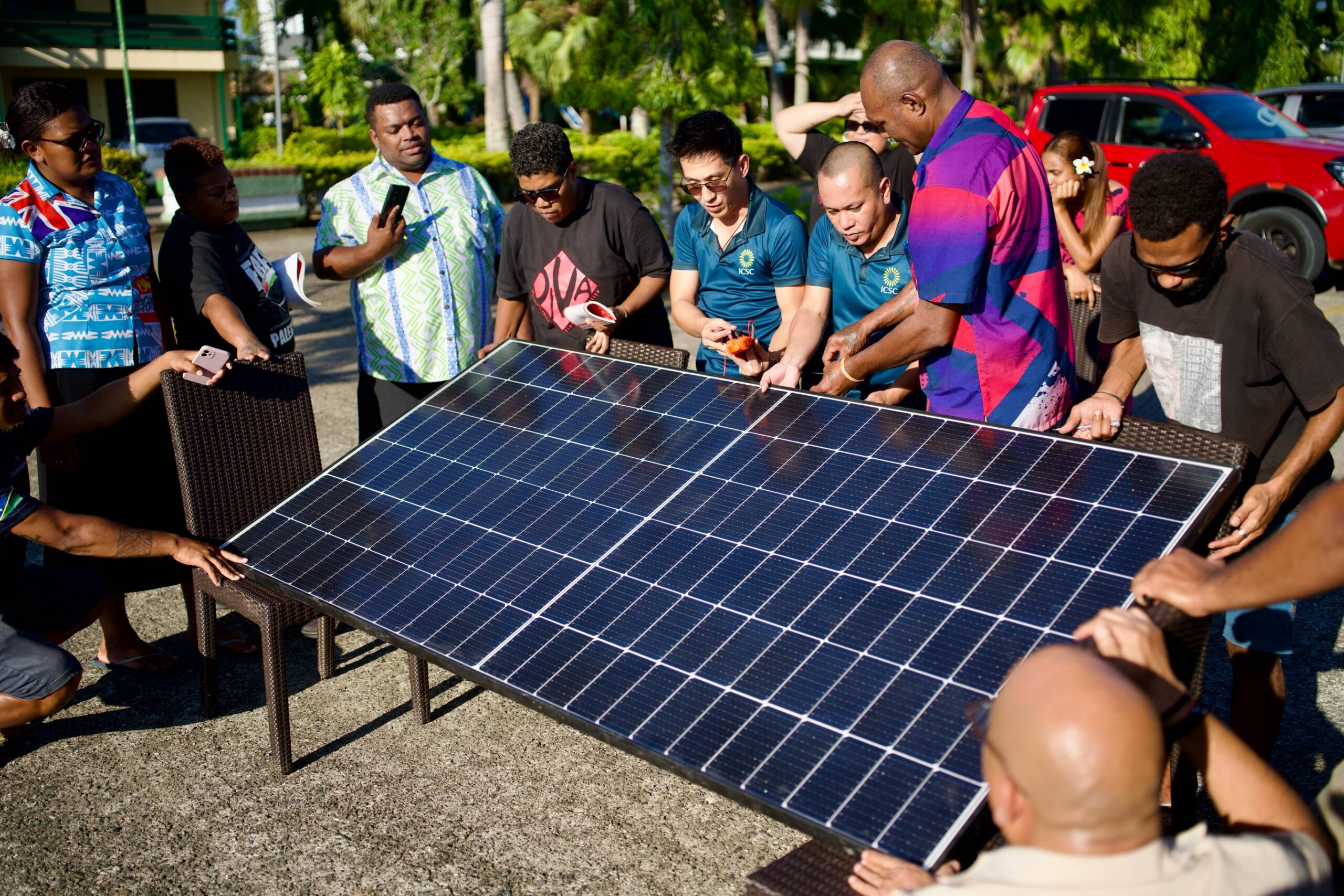
While legal battles are fought in international courts, a more tactile form of climate action is taking root in the Pacific. In Nadi, Fiji, community leaders from Fiji, Tuvalu, and Vanuatu have been participating in the "Solar Scholars" training program, an initiative spearheaded by 350 Pacific and the Institute for Climate and Sustainable Cities.
This is not a theoretical exercise. By the end of this intensive training, participants will have physically assembled and installed two community-owned solar systems: one providing critical energy to a village in Sigatoka and the other powering a school in Lautoka. For the children in these regions, this means reliable lighting and connectivity for their education. For the communities, it represents a transition from vulnerability—often at the mercy of imported, expensive, and volatile fossil fuels—to true energy sovereignty.
Chronology of the Shift: A Week of Mobilization
The current wave of energy transition is not isolated; it is a synchronized global effort.
- Early Week: The UN vote on climate accountability sets a new legal precedent, emboldening civil society groups worldwide.
- Mid-Week: The Solar Scholars program in Fiji reaches its installation phase, turning regional leaders into energy technicians and advocates for local autonomy.
- Ongoing: Afrika Vuka Week kicks off across the African continent, with thousands of activists staging protests and town halls to demand an immediate end to fossil fuel expansion.
- Throughout the Week: Data from Southeast Asia shows an unprecedented spike in residential solar adoption, directly correlated with the rising cost of fossil fuel-based electricity.
Supporting Data: The Public Consensus
For years, skeptics argued that the transition to renewables was a boutique interest of the elite. New polling data across 13 diverse nations—including Brazil, India, Colombia, Germany, the UK, and South Africa—shatters this myth.
The findings are striking: the public overwhelmingly views fossil fuels as the primary driver of current geopolitical instability and the rising cost of living. Across stark political divides, majorities in these countries support:
- Aggressive taxation on excessive fossil fuel profits.
- Direct state investment in solar and wind infrastructure.
- The classification of energy as a public good, rather than a speculative commodity.
This data demonstrates that the political "hurdles" cited by many governments are increasingly disconnected from the will of their constituents. The public is ready; the infrastructure is ready; only the political apparatus remains in a state of inertia.
Regional Snapshots: Southeast Asia and Africa
The Rooftop Solar Boom in Southeast Asia
The economic argument for renewables is winning where it matters most: the household budget. In the Philippines, solar installations have surged by 70% over the last several months. Similarly, Indonesia has set an ambitious target to scale its rooftop solar capacity from a modest 1.3 gigawatts to 100 gigawatts by 2034.
This shift is not driven by environmental altruism alone; it is a survival strategy. As conflict in oil-producing regions spikes global energy costs, families are looking for a hedge against inflation. Vietnam and Thailand are mirroring this trend, implementing policy incentives that make residential solar an easy, cost-effective alternative to the grid.
Afrika Vuka: Reimagining Development
In Africa, the narrative of "development" is being reclaimed. For decades, multinational energy corporations have argued that expanding fossil fuel infrastructure is the only path to economic prosperity for the continent. Activists participating in Afrika Vuka Week are dismantling this narrative, pointing to the irony of exporting energy while local populations lack reliable power. They are demanding a decentralized model: community-owned, renewable, and affordable electricity that keeps wealth and security within the borders of the local economy.
Implications for the Future
The implications of this shift are profound. We are witnessing the decentralization of energy, which in turn leads to the decentralization of power. When a community owns its solar array, it is no longer beholden to the pricing whims of a foreign gas corporation or the geopolitical instability of a distant oil field.
Official Responses and the Need for Alignment
While the UN resolution is a positive step, institutional change often lags behind the pace of grassroots innovation. Governments must now align their national policies with the international legal standards they have just endorsed. This means:
- Ending Subsidies: Redirecting the billions of dollars in subsidies currently propping up fossil fuel industries toward community-led renewable projects.
- Infrastructure Investment: Updating outdated national grids to accommodate decentralized, small-scale renewable energy.
- Legal Frameworks: Protecting the right of communities to generate and trade their own electricity.
The Path Forward: A Movement in Motion
It is easy to succumb to the "doom loop"—the feeling that because change is difficult, it is impossible. However, the events of this week prove that progress is not a straight line, but a series of interconnected actions.
Every rooftop solar panel installed in the Philippines, every training session completed in Fiji, and every resolution passed in New York is a building block for a new world. The transition away from fossil fuels is not just a technological challenge; it is a profound social movement.
As these movements grow stronger and more interconnected across borders, the narrative of "impossible" change is losing its grip. We are currently in the midst of a "Great Power Shift." The future is not a distant, abstract horizon; it is being constructed, one panel and one policy at a time, by people who refuse to accept that the status quo is the only option.
The question for the coming years is no longer whether the transition will happen, but how quickly we can scale these solutions to meet the scale of the crisis. By joining the global movement, supporting local energy initiatives, and demanding that governments follow the lead of their citizens, we can ensure that this shift toward a cleaner, fairer, and more equitable world is not just a trend, but the definitive reality of our century.
The power is moving back to the people—and it is fueled by the sun.

 Rifan Muazin
 Layla Zulfa