
 Nana Muazin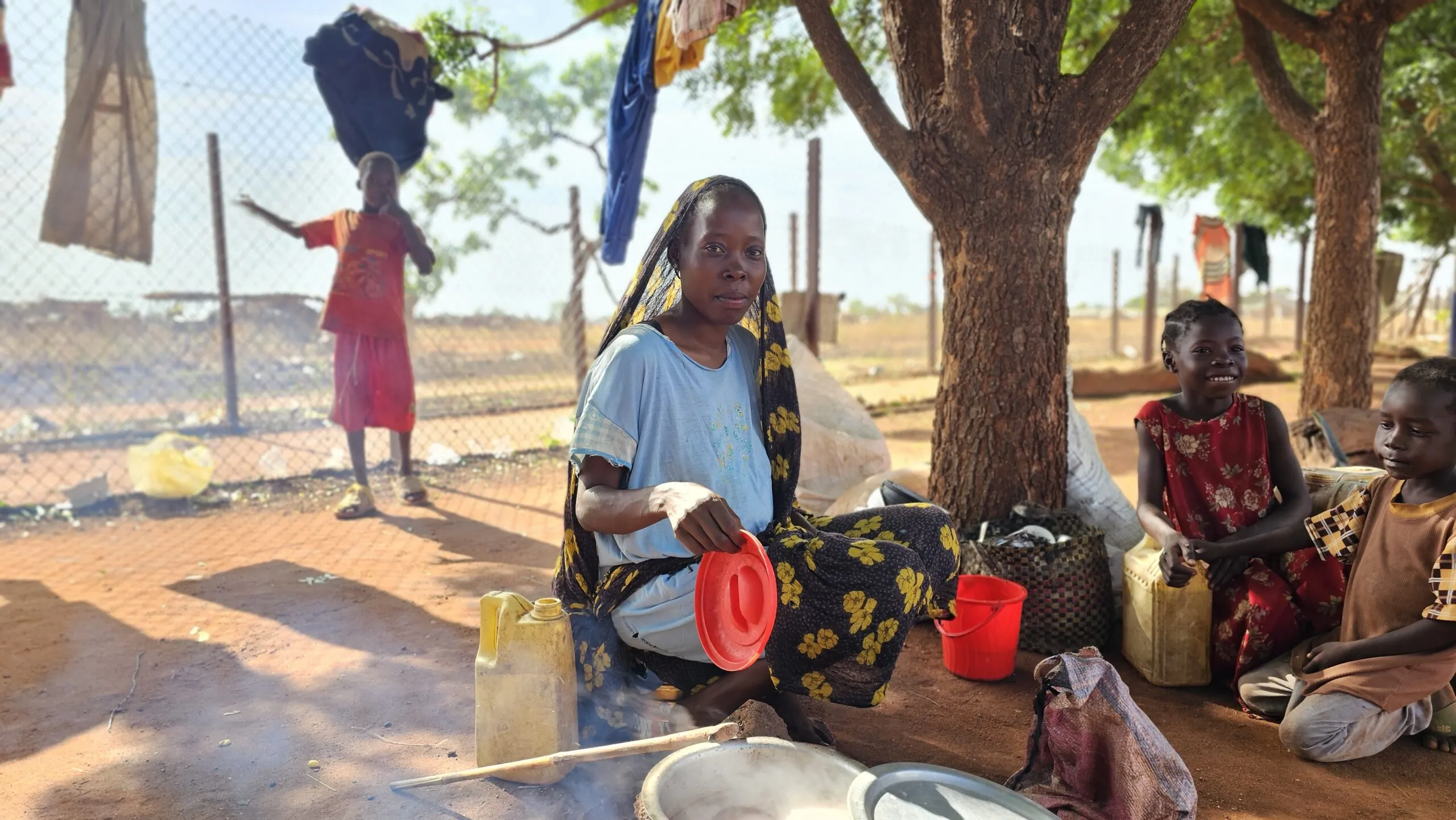
Introduction: A Desperate Exodus from Conflict
As the conflict in Sudan enters its third year, the humanitarian landscape has shifted from a regional crisis into a profound, large-scale catastrophe. Famine conditions are no longer a looming threat but a stark reality for millions. At the heart of this tragedy are thousands of families—particularly mothers—who have been forced to abandon their homes with nothing but the clothes on their backs. For many, the only path to survival is a grueling, weeks-long trek across the border into South Sudan, a journey fraught with hunger, exposure, and the constant, echoing fear of the violence they left behind.
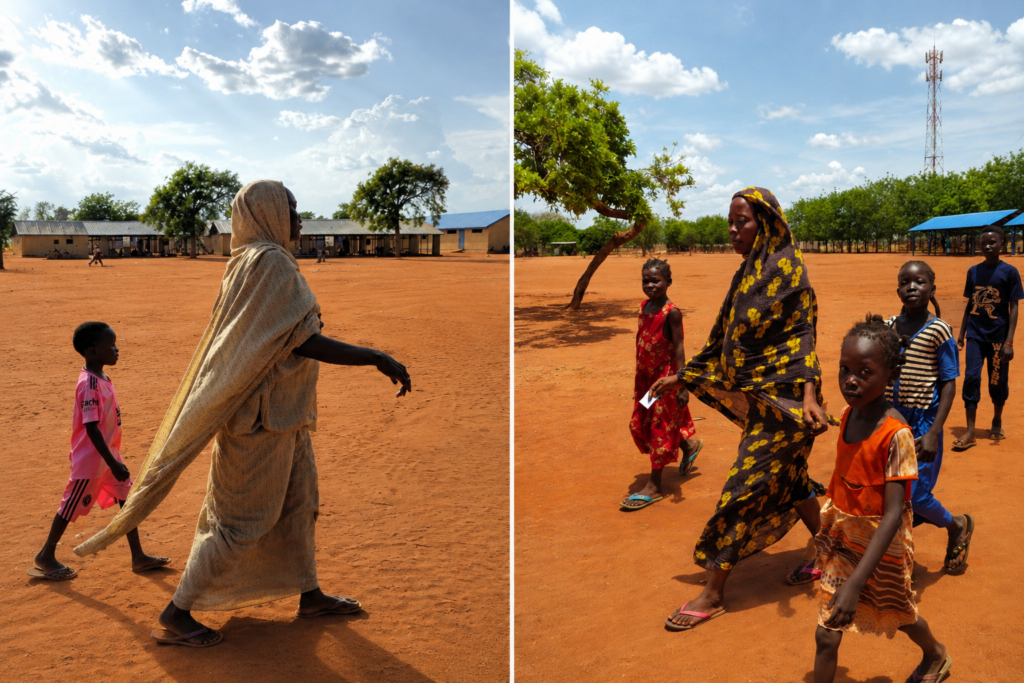
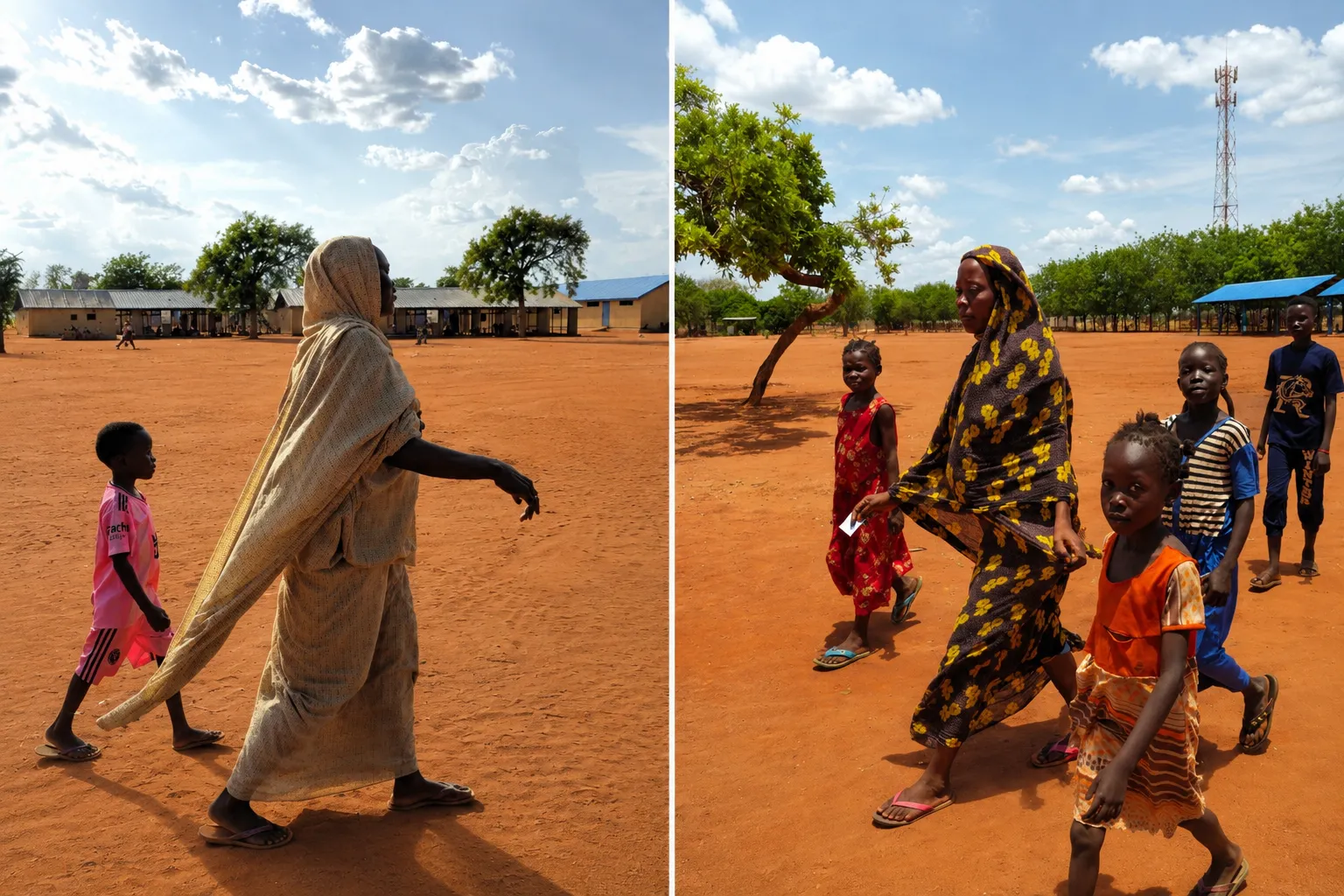
In Yida, a small border town in South Sudan, a reception center has become a critical lifeline. It is here that two mothers, Hanan and Rashida, have finally found a tentative reprieve. Their stories are not unique; they are microcosms of a displacement crisis that is testing the limits of international aid and local resilience.
Main Facts: The Crisis at a Glance
- The Conflict: The war between the Sudanese Armed Forces and the paramilitary Rapid Support Forces (RSF) has entered its third year, effectively paralyzing the nation’s infrastructure.
- Food Insecurity: Nearly 29 million people in Sudan are facing acute hunger. Famine conditions were officially confirmed in the South Kordofan region in late 2025.
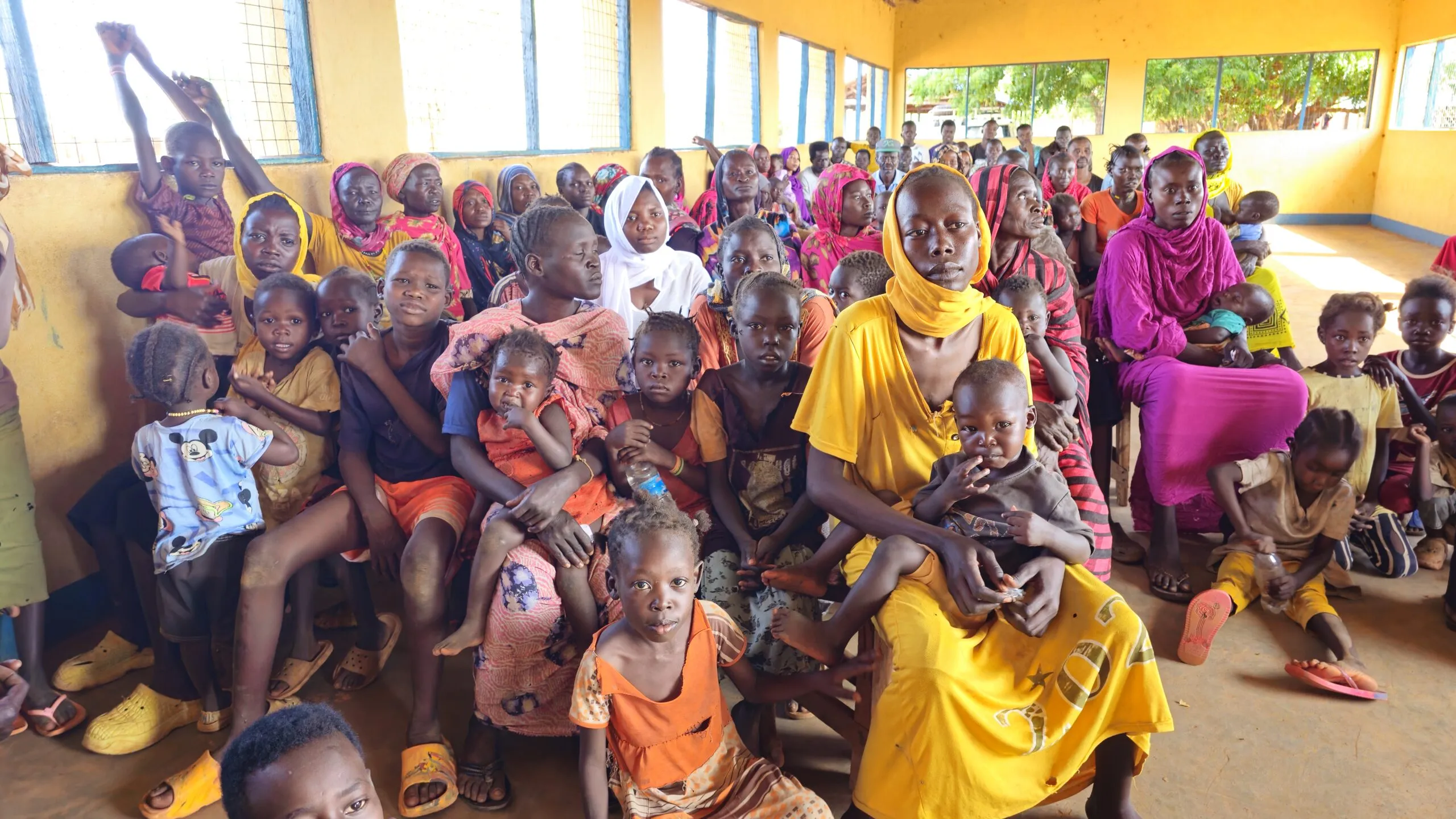
- Displacement: Thousands of refugees arrive daily in South Sudan. The Yida reception center, designed for a much smaller capacity, is currently struggling to support over 600 people in space intended for half that number.
- Health Impact: Acute malnutrition, exacerbated by the lack of clean water and the presence of malaria, is the primary health threat to children arriving at the border.
- Humanitarian Access: Due to active blockades and volatile security, providing aid to those remaining in Sudan has become nearly impossible, forcing families to choose between death by starvation or the dangerous journey to the border.
Chronology of Survival: The Long Road to Yida
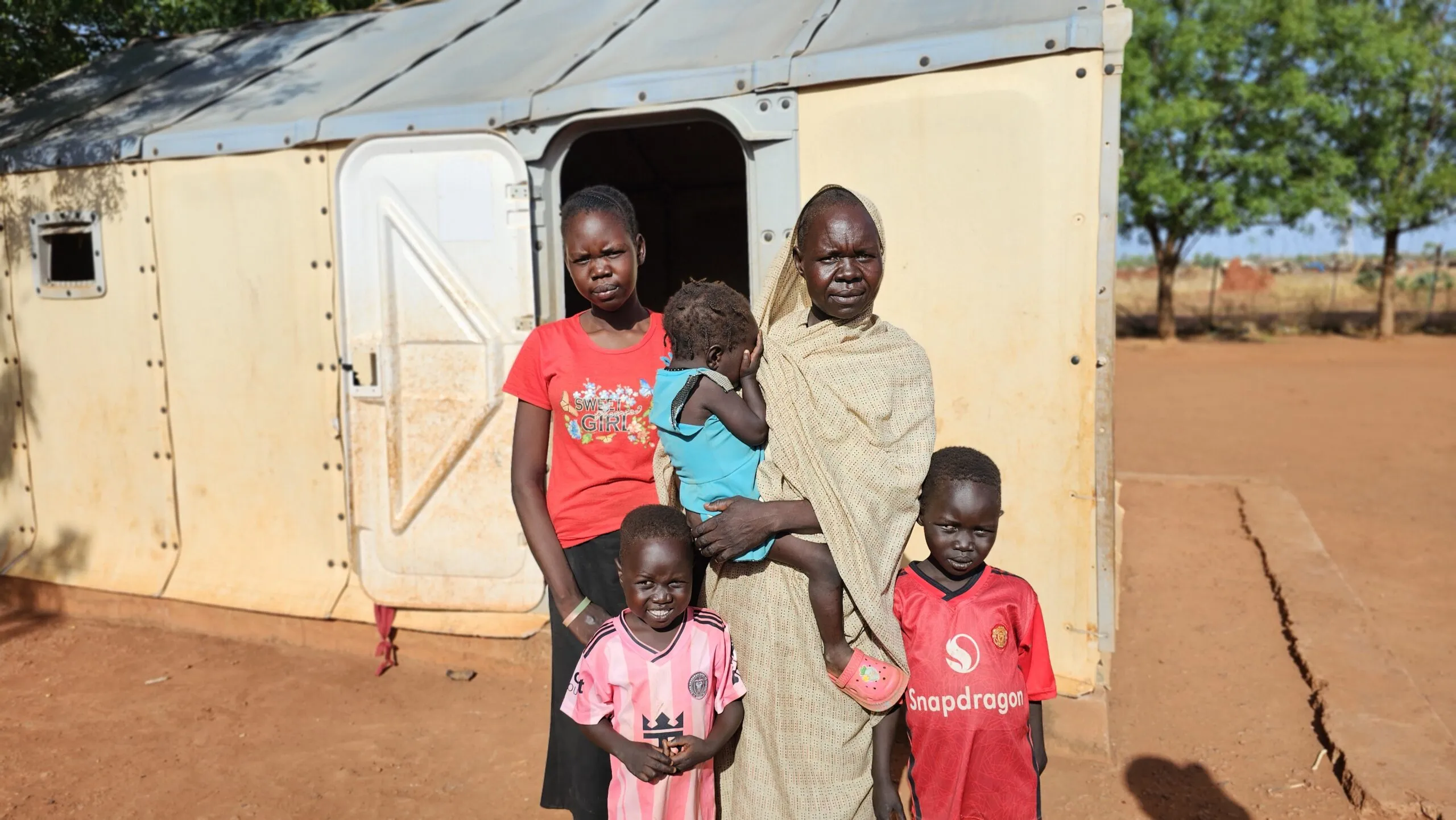
The paths taken by Hanan and Rashida illustrate the harrowing reality of forced migration. For Hanan, the journey took six months. Living in the city of Kadugli, she watched as the food supply dwindled to nothing. "Not even bread," she recalls. Her journey was a series of stops and starts, fleeing from one village to the next in search of safety. For five days, she and her children—Rehab, Fatima, Sammy, and Juma—traversed the countryside, drinking stagnant water from rain puddles to stave off dehydration. She carried her two-year-old on her back, while her four-year-old son, Sammy, became so weak from hunger that he eventually lost the ability to speak or respond to his own name.
Rashida’s ordeal began with a sudden, violent eruption. A bomb struck her home in Kadugli, triggering a chaotic flight that resulted in her separation from her husband. With five children in tow, she walked for two weeks without a map or a destination. "My kids were barefoot as everything we owned had burnt," she says. "We walked day and night; the war was following us." For Rashida, the trauma of the sound of aircraft remains a persistent phantom. Even in the relative safety of the Yida reception center, the sound of a passenger plane flying overhead causes the children to flinch, a visceral reminder of the "four-bomb rhythm" that defined their lives in Sudan.
Supporting Data: Measuring the Toll of Malnutrition
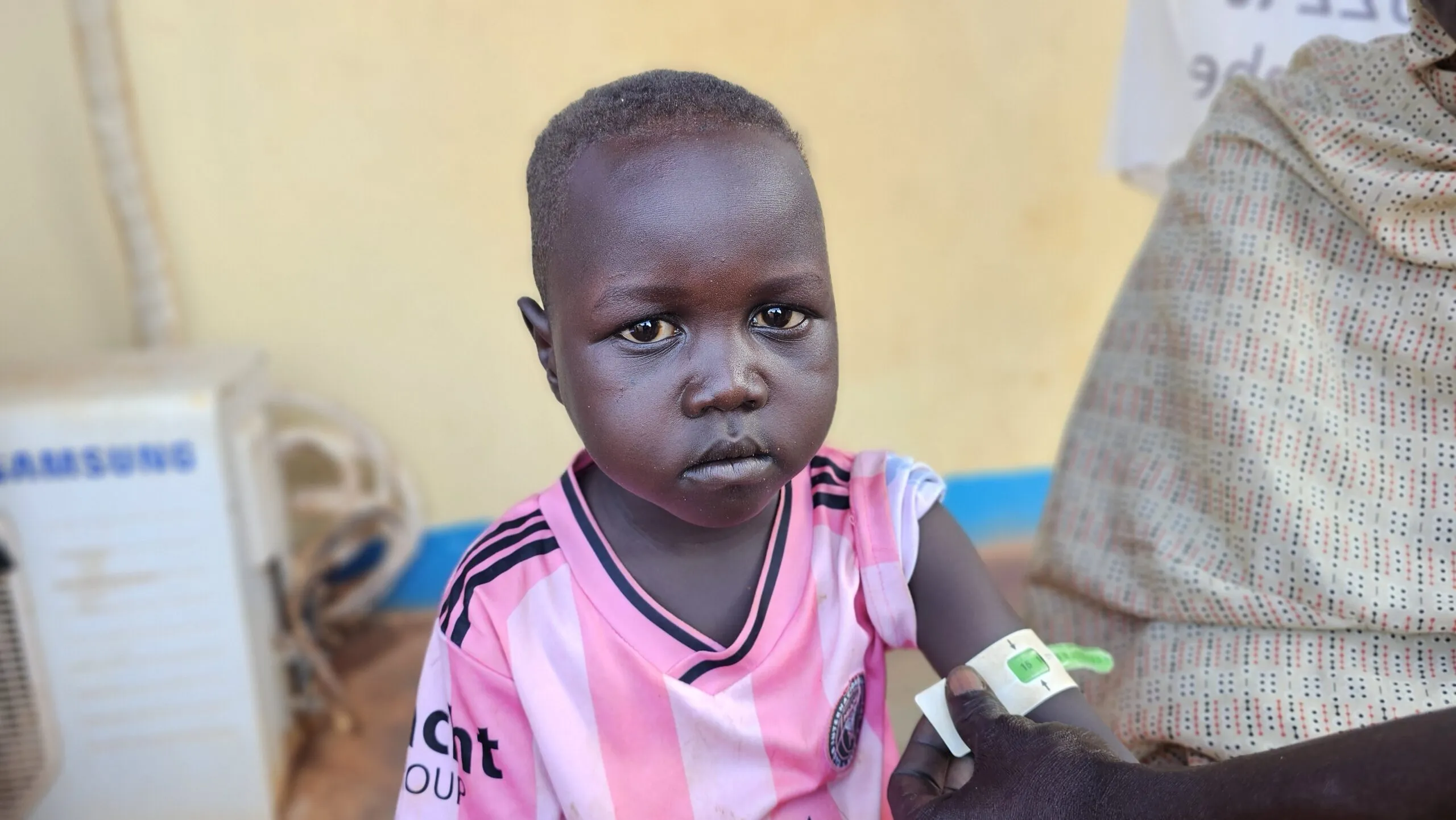
At the Yida health facility, CARE clinical officer Kochoro conducts the critical, daily assessments that determine who receives immediate care. The primary tool is the Mid-Upper Arm Circumference (MUAC) tape. This color-coded measuring device is the difference between life and death for thousands of children.
- Red: Indicates severe acute malnutrition, requiring immediate therapeutic intervention.
- Yellow: Signals a high risk of malnutrition, requiring supplemental feeding.
- Green: Indicates that the child is no longer in immediate danger of starvation.
Each week, three to four children arrive in such a state of depletion that they are unresponsive. Sammy, Hanan’s four-year-old son, was one such case. Upon arrival, he was too weak to open his eyes or speak. Through the administration of Plumpy’Nut—a high-energy therapeutic food—Sammy underwent a miraculous recovery. Recent measurements show his MUAC score is now 15.1, firmly in the "green." However, for every child like Sammy, there are dozens still waiting for their first screening, and the influx of 50 to 100 new refugees daily continues to strain the limited supply of therapeutic food.
Official Responses and Humanitarian Challenges
International aid organizations, including CARE and the UN, are working under extreme duress. The logistical challenge of maintaining a reception center that serves as a transit point for hundreds of people daily is immense. Beyond food and medicine, these organizations must manage sanitation to prevent outbreaks of waterborne diseases like cholera, which thrive in overcrowded, makeshift environments.
"The tents are full, but that is okay because we are safe here," Hanan says, despite the fact that she and her children sleep in an open-air area with dozens of others. This sentiment highlights the desperation of the refugees: for them, the "luxury" of safety—even without a bed or a roof—is a victory.
However, humanitarian agencies warn that the current model of emergency aid is unsustainable. With 29 million people in Sudan facing acute hunger, the crisis requires more than just local transit centers. It requires a sustained, cross-border diplomatic effort to secure humanitarian corridors, allowing food and fuel to reach those who are still trapped in areas where famine has taken hold.
Implications: A Future in Limbo
The implications of this displacement crisis extend far beyond the immediate need for food and shelter. An entire generation of children from South Kordofan is growing up in the shadow of conflict, their physical and cognitive development stunted by chronic malnutrition. The psychosocial impact of living under the constant threat of bombardment is likely to leave long-term scars on these children.
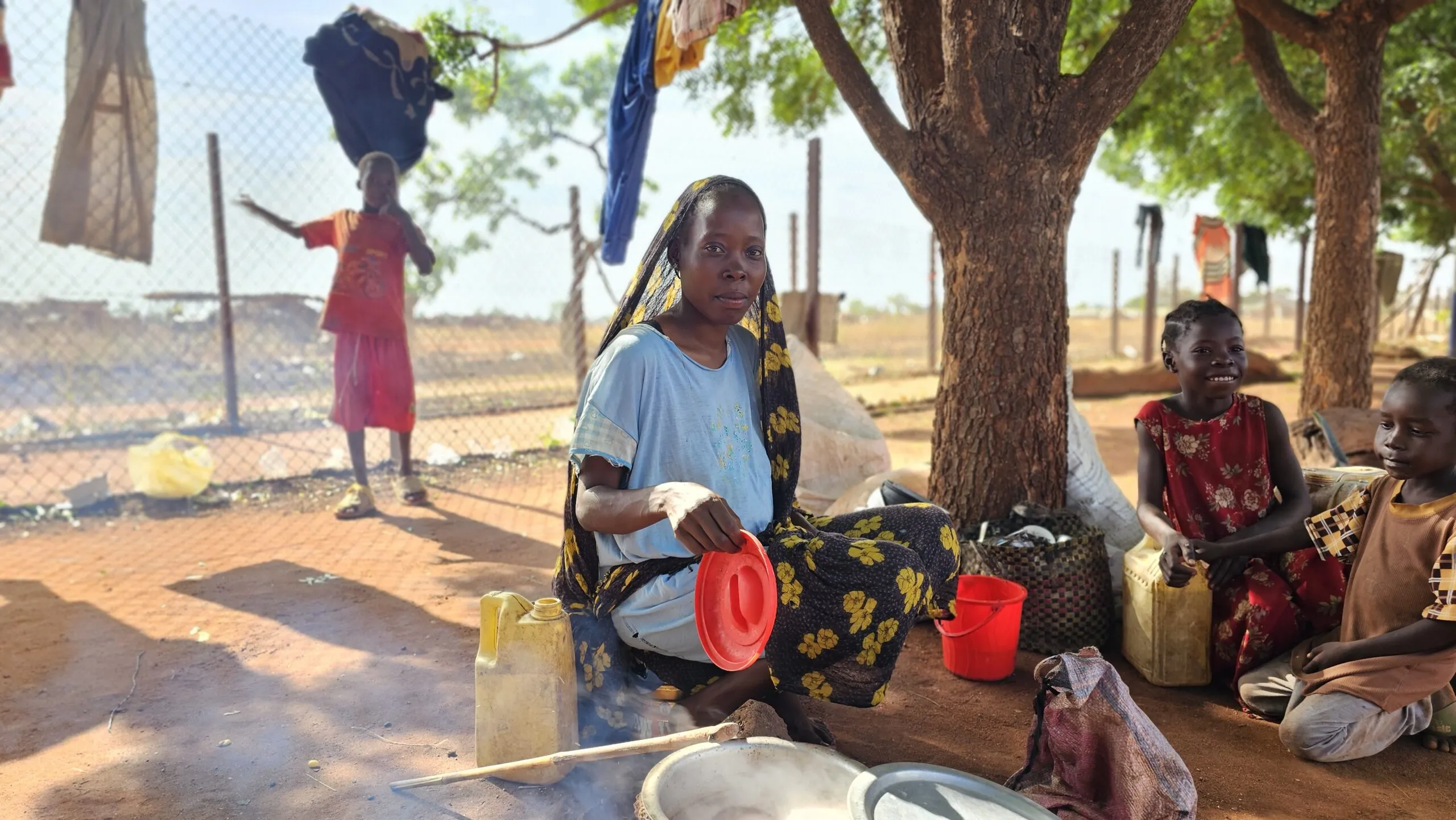
Furthermore, the demographic shift caused by the war is striking. Households led by women are disproportionately affected by food insecurity. As seen with Hanan and Rashida, these mothers are the primary protectors of their children, often sacrificing their own health to ensure their children have even a fraction of what they need.
As the international community watches, the situation at the South Sudan border serves as a stark reminder of the failure to mitigate the root causes of the war. While the reception centers in Yida provide a temporary bridge to survival, they are not a solution. The refugees are waiting—waiting for transport, waiting for stability, and waiting for the day when they can return to a home that is no longer defined by the sound of falling bombs.
For now, the focus remains on the daily grind of survival. As Rashida watches the buses pull away, transporting others to more permanent camps, she remains patient. She has survived the bombs, the hunger, and the two-week walk. Her children are alive, and in the context of the current Sudanese tragedy, that is the greatest success story possible. "I am happy right now," she says, "because there are people here to help us. We can survive here. Death is not waiting for us anymore."


 Ali Ikhwan
 Sagoh
Sagoh