



 Ammar Sabilarrohman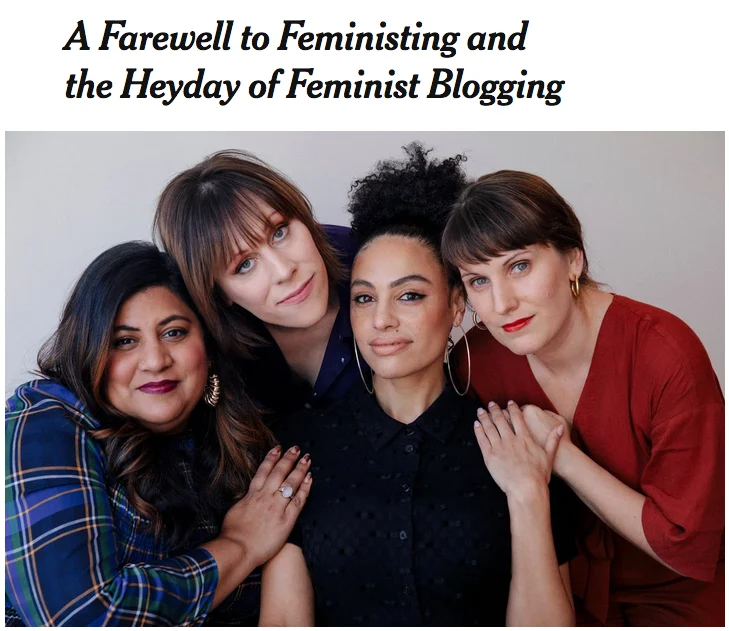
After a transformative 15-year run that reshaped the landscape of online discourse, the iconic feminist blog Feministing has officially announced its closure. The decision marks a somber turning point for independent media, highlighting the systemic challenges faced by grassroots digital outlets in an increasingly corporatized internet environment. For over a decade and a half, Feministing served as a digital lighthouse for intersectional activism, providing a platform for voices that were frequently sidelined by mainstream outlets.
The Final Chapter: A Farewell to Digital Independence
The announcement, delivered with a mix of pride and melancholy, confirms that the site will no longer produce new content. For its founders and contributors, the closure is not a failure of vision, but a reflection of the harsh economic realities of the modern media industry. Despite maintaining a loyal readership and achieving significant financial sustainability through community support, the team could not secure a long-term funding model that would allow for fair compensation in an era dominated by venture capital and corporate consolidation.
"While we became more financially sustainable over the years—in large part thanks to the support of readers like you—we ultimately couldn’t build a long-term funding model in today’s media environment that would allow us to compensate our team fairly for their valuable work," the editorial team stated in their final announcement.
The site, which remained fiercely independent throughout its history, resisted the urge to compromise its editorial integrity to appease corporate sponsors or venture capitalists. This commitment to an uncompromising, anti-racist, and anti-capitalist lens remained the site’s hallmark until its final day.
Chronology: From Garage Blog to Cultural Powerhouse
Feministing was born in a different era of the internet—a time before the ubiquity of social media algorithms, when the blogosphere was the primary incubator for political thought and cultural critique.
- 2004: Feministing launches, quickly establishing itself as a vital, independent voice in the nascent feminist digital movement.
- 2005–2010: The site gains massive traction, moving from a niche hobby to a central hub for feminist analysis. It begins to influence mainstream political narratives, covering topics like campus sexual assault, reproductive justice, and intersectional identity politics.
- 2010–2015: Feministing reaches its peak, boasting an impressive 1.2 million unique monthly visitors. It becomes a must-read for journalists, politicians, and activists alike.
- 2016–2019: As the digital media landscape shifts toward platforms like Facebook and Twitter, and as independent blogs face the "adpocalypse" and the rise of corporate media conglomerates, Feministing faces increasing financial pressure.
- December 2019: The editors confirm the site’s closure, citing the inability to maintain the site while balancing full-time careers and the lack of a viable, ethical funding model.
Supporting Data: The Impact of a Digital Giant
To understand the magnitude of Feministing’s closure, one must look at its reach and its role as a pipeline for talent. At its height, the site served as one of the most widely-read feminist publications globally. It did not merely report on events; it created them. By shifting the "Overton window" of feminist discourse, the site forced mainstream outlets to pay attention to issues—such as the prevalence of campus sexual violence—that had previously been ignored or minimized by major news organizations.
The "Feministing Alumni" network serves as a testament to the site’s enduring impact. Many who cut their teeth writing for the blog have moved on to become some of the most influential figures in contemporary media and politics. From executive editors at Teen Vogue to the creators of award-winning podcasts like Call Your Girlfriend, the "Feministing family" has successfully permeated the upper echelons of the cultural and political establishment. Their presence in the New York Times, the Washington Post, and on cable news networks like CNN and MSNBC is a direct legacy of the rigorous, high-stakes intellectual training they received while volunteering their time at the blog.
The Context: A Shrinking Space for Independent Voices
Feministing joins a long list of legendary, independent platforms that have succumbed to the pressures of the current media economy. The New York Times recently highlighted the plight of these "pioneering blogs," noting that the era of the independent, activist-run website is facing an existential crisis.
The site’s farewell message explicitly acknowledged the company they keep in their final days, noting, "We are honored to be mentioned in the same breath as legendary feminist and progressive sites such as Jezebel, Feministe, Racialicious, Tiger Beatdown, Crunk Feminist Collective, Pandagon, Black Girl Dangerous, The Hairpin, The Toast, Bitch Media, and many more."
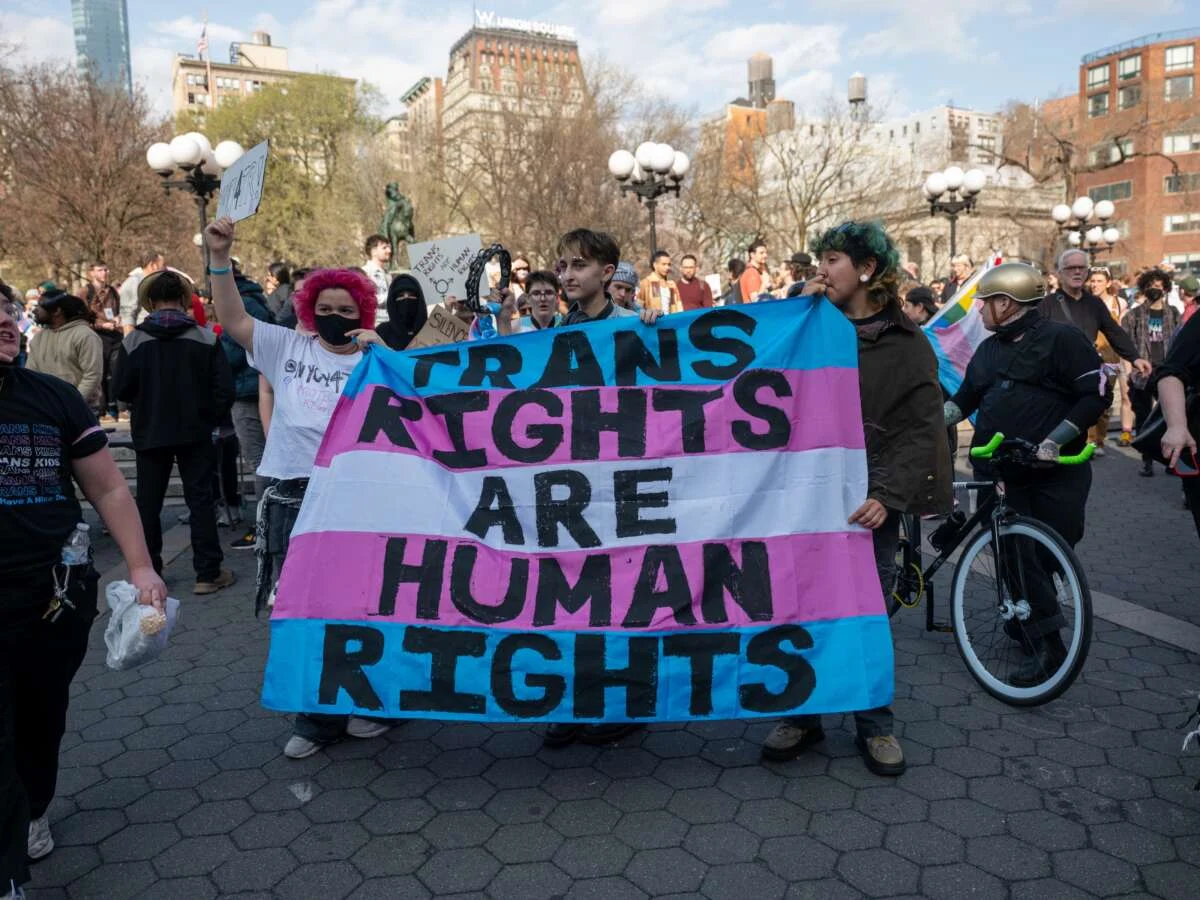
This ecosystem of sites was essential for providing a space for women, people of color, and trans individuals to define their own narratives. The loss of Feministing signifies the closing of a chapter where the internet was primarily a space for grassroots community building rather than a battleground for algorithmic engagement and corporate ad revenue.
Implications: The Future of Digital Feminist Activism
The closure of Feministing poses a critical question for the future of digital activism: If independent, community-funded media cannot survive, who will control the narrative?
The Loss of Institutional Memory
One of the most pressing concerns for activists is the potential loss of historical data. For 15 years, Feministing served as an archive of feminist struggle. The team has stated that they are working on plans to ensure the site’s archives remain available, acknowledging that the digital history of this movement is a public good.
The Professionalization of Resistance
The move from volunteer-run blogs to professional, corporatized media outlets has had mixed results. While the "alumni" of these sites have found success in larger organizations, the shift often results in a "toning down" of radical ideas to satisfy institutional or venture-backed requirements. Feministing stood out precisely because it refused to engage in this form of self-censorship, maintaining an "unapologetically feminist lens" even as it gained mainstream notoriety.
A Call to Action for the Next Generation
While the blog itself is shuttering, the organizers are not disappearing. The planned "farewell project" and the upcoming "(B)logging Off" party in New York City are designed to be a celebration of the community, not just a funeral for a website. The editors have urged their readers to stay connected via their newsletter, signaling that the network built over the last 15 years remains intact, even if the primary digital forum is changing.
Conclusion: "We’ll See You in the Streets"
The final words of the Feministing editorial team—"We’ll see you in the streets"—encapsulate the ethos of the entire endeavor. The site was never intended to be the destination; it was a tool, a catalyst, and a gathering place. By providing a platform for intersectional analysis and fostering a sense of solidarity for those who felt isolated by a world that seemed "upside down," Feministing succeeded in its primary goal: to inspire a new generation of feminists to take their advocacy from the comment section to the real world.
While the loss of such a vital digital archive and meeting space is a blow to independent media, the legacy of Feministing is cemented in the work of its alumni and the millions of readers who were empowered to speak, write, and act. As the digital era continues to evolve, the lessons learned from Feministing—that independence is a struggle, but that the community built through that struggle is the true, lasting victory—will undoubtedly continue to guide the next phase of the feminist movement.


 Ali Ikhwan
 Sagoh
Sagoh