


 Pevita Pearce
In the quiet, working-class neighborhoods of Milwaukee, a devastating cycle is playing out behind the peeling paint of aging rental properties. For families living on the margins, the home—typically a place of sanctuary—has become a site of chronic toxic exposure. In Milwaukee, as in many post-industrial cities across the United States, young children are effectively acting as the city’s "lead detectors." Because the municipal government often lacks the authority or the initiative to conduct proactive inspections, the discovery of lead hazards frequently follows only after a child has already tested positive for the neurotoxin.
This systemic failure leaves families like that of Domininck Tompkins in an impossible position: trapped between the health of their children and the threat of homelessness.
A Legacy of Neglect
The roots of this crisis are embedded in the architectural and social history of the city. During the mid-20th century, as redlining and white flight reshaped urban landscapes, thousands of stately, older homes were subdivided into multi-family rental units. These structures, built in an era when lead-based paint was the standard, have become the primary housing stock for low-income residents. Today, they represent a ticking time bomb of neurological risk.
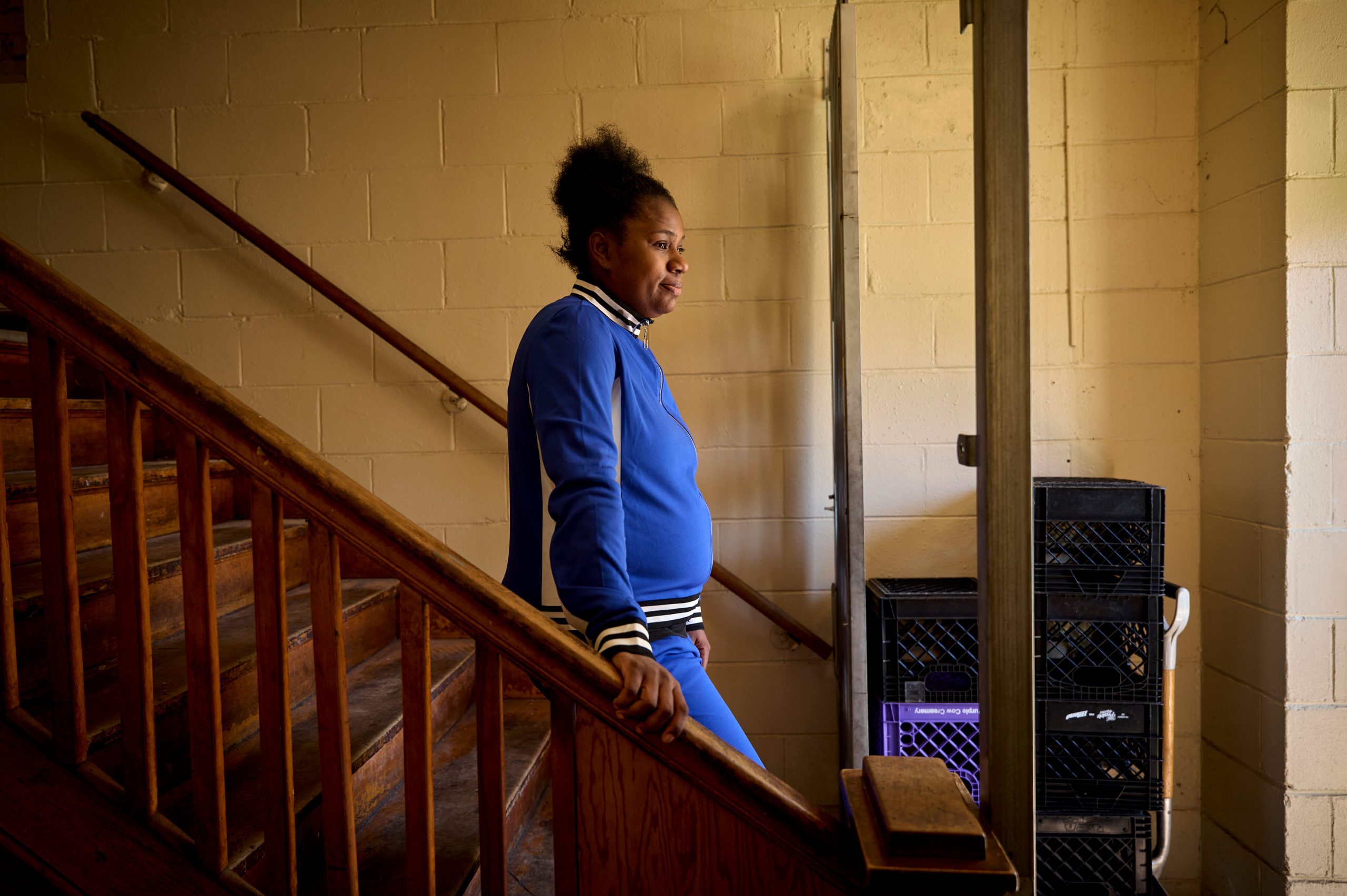
Domininck Tompkins knows the consequences of this neglect intimately. A decade ago, when her one-year-old daughter was diagnosed with high lead levels, Tompkins did exactly what a parent should: she informed her landlord. The response was a chilling rejection of responsibility. As the landlord rolled up her truck window, she uttered three words: "I don’t care."
That indifference sparked a decade-long odyssey for the Tompkins family. They have moved repeatedly, faced homelessness twice, and lived in a string of properties riddled with lead paint and dust. Today, her oldest children struggle with developmental delays and behavioral challenges that their doctors link directly to their early-life lead exposure.
Chronology of a Regulatory Retreat
Milwaukee was not always a city that turned a blind eye to lead. In the early 1990s, the city was a national leader in tenant protection. Its 1991 ordinance required abatement work in rentals even in the absence of a positive blood test, and the city was aggressive in taking recalcitrant property owners to court.

By 1999, the city launched a pilot project to bring 1,000 high-risk homes up to safety standards. However, the political tide began to turn. Landlords, wary of the costs associated with lead remediation, lobbied the city to move away from mandatory requirements in favor of "voluntary" cooperation and financial incentives.
The subsequent years saw a slow disintegration of enforcement. Following the resignation of a health commissioner who failed to notify thousands of families about their children’s high lead levels, the city’s lead abatement efforts fell into a period of stagnation. The final blow came in 2015, when the Wisconsin State Legislature passed a law—heavily supported by landlord associations—that prohibited cities from creating proactive rental inspection programs.
While the ban was partially lifted in 2017, the legal landscape remains fractured. It is now prohibitively difficult for municipalities to license rentals, perform preemptive code enforcement, or levy meaningful fines against landlords who refuse to address hazardous living conditions.

The Human and Academic Cost
The scientific consensus on lead is absolute: there is no safe level of lead exposure for a child. Even low-level ingestion can result in permanent neurological damage, including lower IQs, attention deficit hyperactivity disorder (ADHD), and severe learning disabilities.
A Milwaukee-based study highlighted the correlation between lead and academic failure, finding that even minor exposure levels were linked to poor performance in third grade. This trend held true even when adjusting for socioeconomic factors like maternal income.
Shyquetta McElroy, now the executive director of the Coalition on the Lead Emergency (COLE), saw the effects firsthand with her own son. Despite early detection, by the time he reached kindergarten, the lead had taken its toll. He failed to meet basic milestones—using the toilet, writing his name, following instructions—and was eventually held back.

"You can lower the lead level, but they never lose the damage," McElroy says. Her son, now 19, still struggles with cognitive retention and sensory impairments that physicians attribute to his childhood poisoning.
Official Responses and the "Landlord Dilemma"
For city officials, the battle is one of limited resources and conflicting incentives. Tyler Weber, Milwaukee’s deputy commissioner of environmental health, acknowledges the frustration of the current system. The city currently relies on federal grants and municipal funds to pay for the expensive work of window replacement and soil abatement because they lack the legal teeth to force landlords to pay for it.
"Sometimes we have to throw money at the property even if the landlord is going to benefit," Weber admits. "Do you hate the landlord more than you love the child? That’s often the situation we are stuck in."

In 2025, over 2,000 children under the age of 6 tested positive for high lead levels in Milwaukee. While the city managed to oversee 250 renovations, that number represents a fraction of the need. As federal American Rescue Plan Act funds evaporate at the end of 2026, the city faces a daunting budget shortfall, likely forcing a reliance on Department of Housing and Urban Development (HUD) grants that come with restrictive caps on spending per household.
The Fear of Retaliation
The power imbalance between landlord and tenant is exacerbated by Wisconsin’s eviction laws. With over 12,000 eviction filings annually in Milwaukee County, tenants are often terrified to report safety violations.
Kevin Solomon of the advocacy group Common Ground notes that the fear is not unfounded. In a tragic case last fall, a Milwaukee landlord was charged with the murder of his tenant—an act allegedly triggered by the tenant’s complaints regarding code violations. When the legal system makes it easier to evict a tenant than to hold a landlord accountable for poisoning a child, the "right" to a safe home becomes a theoretical concept rather than a reality.

A Path Toward Reform
While Milwaukee grapples with its legacy, other cities offer a potential blueprint. Rochester, New York, has become the gold standard for lead prevention. By implementing a proactive rental inspection program—requiring visual inspections every three to six years and dust-wipe testing in high-risk areas—Rochester saw childhood lead poisoning rates drop by 85 percent between 2000 and 2016.
New York’s legislative environment, which grants more protections to tenants and allows for criminal charges in cases of illegal eviction, provides a stark contrast to Wisconsin’s restrictive statutes.
In Milwaukee, change is slowly gaining momentum. The formation of Tenants United and recent lawsuits against large out-of-state landlords like Highgrove Holdings indicate a shifting landscape. Activists are pushing for a return to proactive code enforcement and are demanding that the state legislature remove the barriers that prevent cities from protecting their most vulnerable residents.

Conclusion: The Long Road Ahead
For Domininck Tompkins, the struggle continues. She is currently preparing to move her family out of their home temporarily while a new landlord attempts to undertake extensive lead abatement. She remains "cautiously optimistic," a sentiment born of both hope and the harsh reality of her past experiences.
The story of Milwaukee’s lead crisis is more than a public health issue; it is a profound failure of the social contract. Until the law prioritizes the neurological health of a child over the profitability of a rental property, the city’s children will continue to be the primary, and tragic, detectors of a poison that should have been eliminated decades ago. As McElroy and Tompkins know all too well, the goal is not just to fix the walls and the windows—it is to ensure that the next generation of Milwaukee’s children can grow up in a home that does not steal their future.


 Asep Darmawan
 Raul Delapena Setiawan