


 Jia Lissa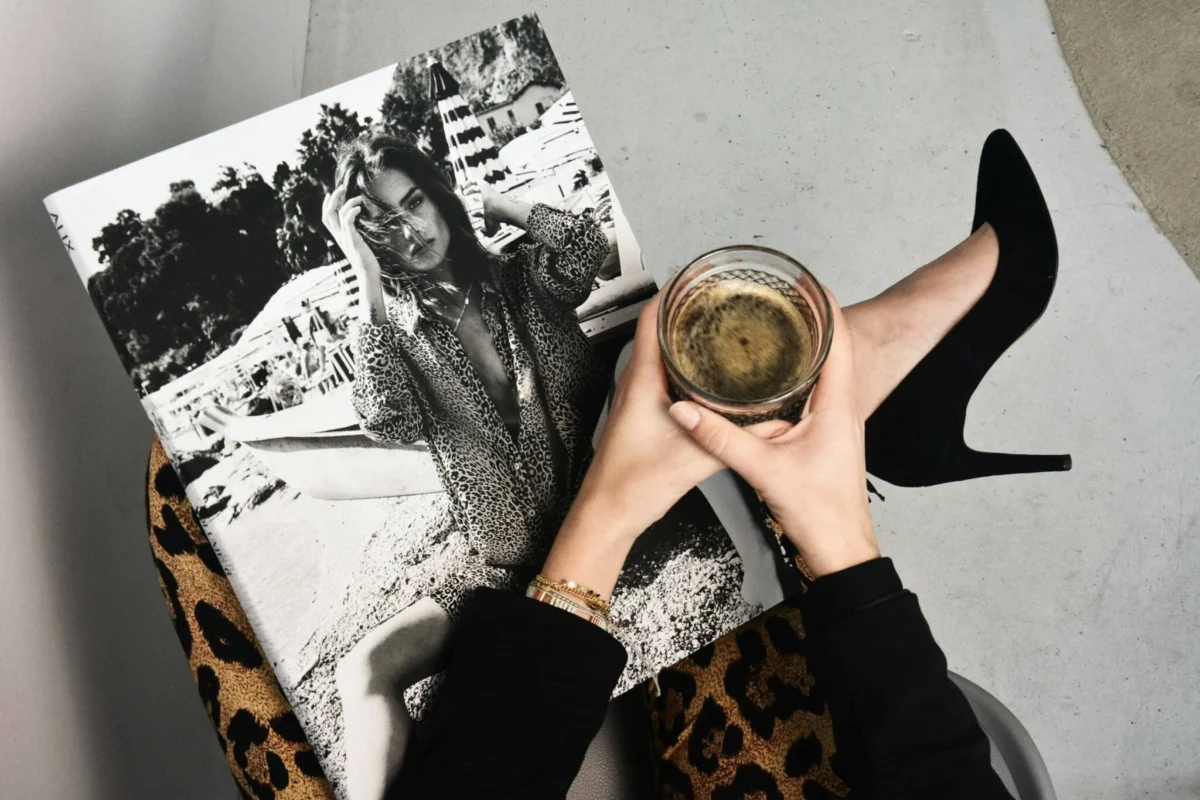
In an era defined by rapid digital consumption and the relentless pursuit of material milestones, a quiet subversion is taking place. A viral list, shared millions of times across social platforms, has struck a profound chord with a global audience exhausted by the "more is better" mantra. The list is deceptively simple, identifying six pillars of true luxury: time, health, a quiet mind, slow mornings, meaningful work, and a home full of love.
While these concepts are universally acknowledged as vital, they remain elusive for many. This disconnect between what we value and how we live is at the heart of a growing cultural movement that challenges the traditional, commercial definition of luxury. As we navigate a landscape saturated with advertisements promising fulfillment through acquisition, a critical question emerges: Are we investing our finite resources in the right version of abundance?
The Illusion of the Commercial Luxury
Historically, the term "luxury" has been tethered to the material. It implies a condition of abundance, ease, and comfort—typically achieved through financial surplus. Our modern economy is built upon the premise that luxury is a commodity, something to be purchased at a store. From the latest technological upgrades and high-end apparel to the curated aesthetics of extravagant vacations, our daily lives are bombarded with messaging that equates happiness with consumption.
This marketing strategy is both sophisticated and ubiquitous. By branding material goods as "luxuries," corporations create a psychological feedback loop. When we purchase these items, we experience a fleeting sense of gratification—a momentary dopamine hit—that is inevitably followed by a return to baseline, often leaving us hungrier for the next acquisition. This cycle, often termed the "hedonic treadmill," ensures that the consumer is perpetually unsatisfied, necessitating further spending.
The Architecture of Authentic Wealth: A Chronology of Intent
The shift toward a new definition of luxury did not happen overnight; it is the culmination of decades of societal burnout.
- The Age of Excess (1980s–2000s): During this period, the markers of success were explicitly material. Luxury was defined by logos, square footage, and the accumulation of status symbols.
- The Digital Saturation (2010s): The rise of social media accelerated the pressure to perform "luxury." The rise of the "influencer" economy turned everyday life into a stage, where the appearance of comfort—perfectly staged brunches and pristine living rooms—became the ultimate social currency.
- The Great Reflection (2020–Present): The global disruptions of the early 2020s acted as a catalyst for a systemic reassessment of values. As access to external luxuries was restricted, individuals were forced to contend with their internal environments. This period marked a pivot toward prioritizing time, mental health, and connection over material acquisition.
Supporting Data: The High Cost of the "Easy" Life
While it is often easier to swipe a credit card than to cultivate a quiet mind, the data suggests that the "easy" path is exacting a heavy toll. Psychological studies consistently show that while income is correlated with life satisfaction up to a certain point (often cited as the threshold for meeting basic needs), the correlation plateaus once one enters the realm of surplus.
Furthermore, a 2023 meta-analysis on consumer behavior found that "experiential" and "relational" investments—such as spending on health, personal growth, and time with loved ones—yield significantly higher long-term life satisfaction scores than "material" investments. The research indicates that the brain habituates to physical objects quickly, whereas it struggles to fully habituate to meaningful experiences or internal peace. Thus, the "counterfeit" luxuries we buy are statistically proven to be less efficient at producing happiness than the "real" luxuries we must build.
The Friction of Choice: Why We Choose Counterfeits
The core dilemma of modern existence is that the things we truly crave—a quiet mind, slow mornings, meaningful work—require high levels of friction. They demand self-examination, difficult conversations, and the courage to opt out of societal norms.
Contrast this with the convenience of consumption:

- A Scented Candle vs. A Peaceful Household: One can be purchased for a modest price; the other requires the grueling, daily work of communication, conflict resolution, and empathy.
- A "Perfect" Vacation vs. Long-term Health: One is a temporary escape; the other is a lifetime commitment to nutrition, movement, and sleep hygiene.
- A Higher Paycheck vs. Meaningful Work: The former is a quantifiable metric of success; the latter requires the vulnerability to identify one’s true gifts and the risk to pursue a path that may not offer immediate financial validation.
The market prioritizes the counterfeit because it is easy to manufacture and sell. It is far more profitable to sell a product than it is to sell a process. Consequently, the burden of building a "real" luxury life falls entirely on the individual.
Implications for Personal Sovereignty
The transition toward a lifestyle centered on non-material luxury carries profound implications for personal autonomy. To prioritize these six pillars is to fundamentally alter one’s relationship with the economy.
1. Reclaiming Time
Time is the only non-renewable resource. By opting out of the "busyness" culture—a status symbol in its own right—individuals can regain agency over their schedules. This often involves the difficult process of saying "no" to commitments that do not align with core values.
2. The Discipline of the Quiet Mind
In an age of constant connectivity, silence is a radical act. Protecting one’s mental space requires setting boundaries against the "noise" of digital media and the internal pressure of performance. This shift transforms the mind from a vessel for external data into a sanctuary for original thought.
3. Presence Over Perfection
The pursuit of a "home full of love" often suffers at the hands of the pursuit of a "perfect home." When we prioritize the aesthetic, we sacrifice the authentic. Building a loving home requires presence—the willingness to be fully engaged with family members without the distraction of devices or the pressure of hosting.
Toward a New Definition of Success
The ultimate challenge of the 21st century is not to acquire more, but to build better. We are living in a transitionary period where the old metrics of success are being weighed against the harsh reality of their limitations.
While we cannot control every circumstance—and hardship is an inevitable part of the human experience—we retain sovereignty over our responses. We can choose to stop chasing the temporary and begin the labor-intensive, rewarding process of constructing a life of substance.
This is not a call for the total abandonment of material things, but a call for a radical re-centering of priorities. It is a recognition that the most significant luxuries are not found on a store shelf, nor are they delivered in a package. They are cultivated through intentional decisions, sustained by habits of mind and heart, and realized through the courage to live a life that looks different from the one the market demands.
The wealthiest among us are not those with the most possessions, but those with the most time, the most peace, and the most meaningful connections. These are the luxuries that cannot be purchased, but they can, through deliberate and thoughtful action, be built. In the final analysis, we are the architects of our own contentment, and the building materials are found not in the marketplace, but within ourselves.

 Ammar Sabilarrohman
 Iffa Jayyana