
 Suro Senen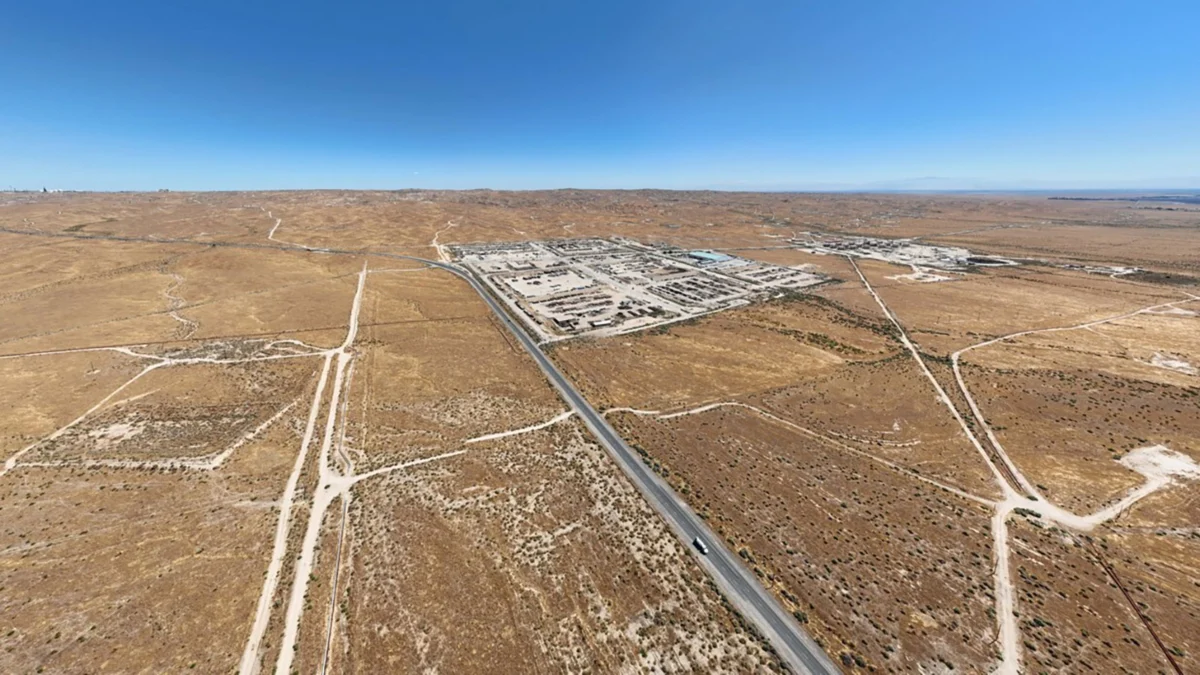
Across the United States, a quiet war is being waged over the physical footprint of the artificial intelligence revolution. As tech giants and startups scramble to secure the massive amounts of computing power required to train the next generation of large language models, they are increasingly finding themselves locked in bitter disputes with local communities. From the suburbs of Northern Virginia to the rural plains of the Midwest, residents are pushing back against the encroaching infrastructure of the digital age.
Recent polling from Gallup confirms the depth of this divide: citizens across the political spectrum—Democrats and Republicans alike—are expressing deep-seated opposition to the construction of data centers in their neighborhoods. The concerns are granular and visceral, centering on the deafening roar of industrial cooling fans, the potential for water contamination, and the staggering strain placed on local energy grids, which often leads to surging utility bills for families.
Caught in the middle, politicians who once rolled out the red carpet for "Big Tech" are now pivoting toward a defensive posture. In the last month alone, legislative bodies in New York, Texas, Pennsylvania, and Utah have scrambled to draft moratoria and regulatory frameworks aimed at curbing the unchecked sprawl of data centers. For the AI industry, the question is no longer where they will find space, but rather which communities will remain immune to the "Not In My Backyard" (NIMBY) sentiment.
However, a radical new strategy is emerging from an unlikely source: the oil and gas industry.
The Elk Hills Pivot: A New Model for Industrial Siting
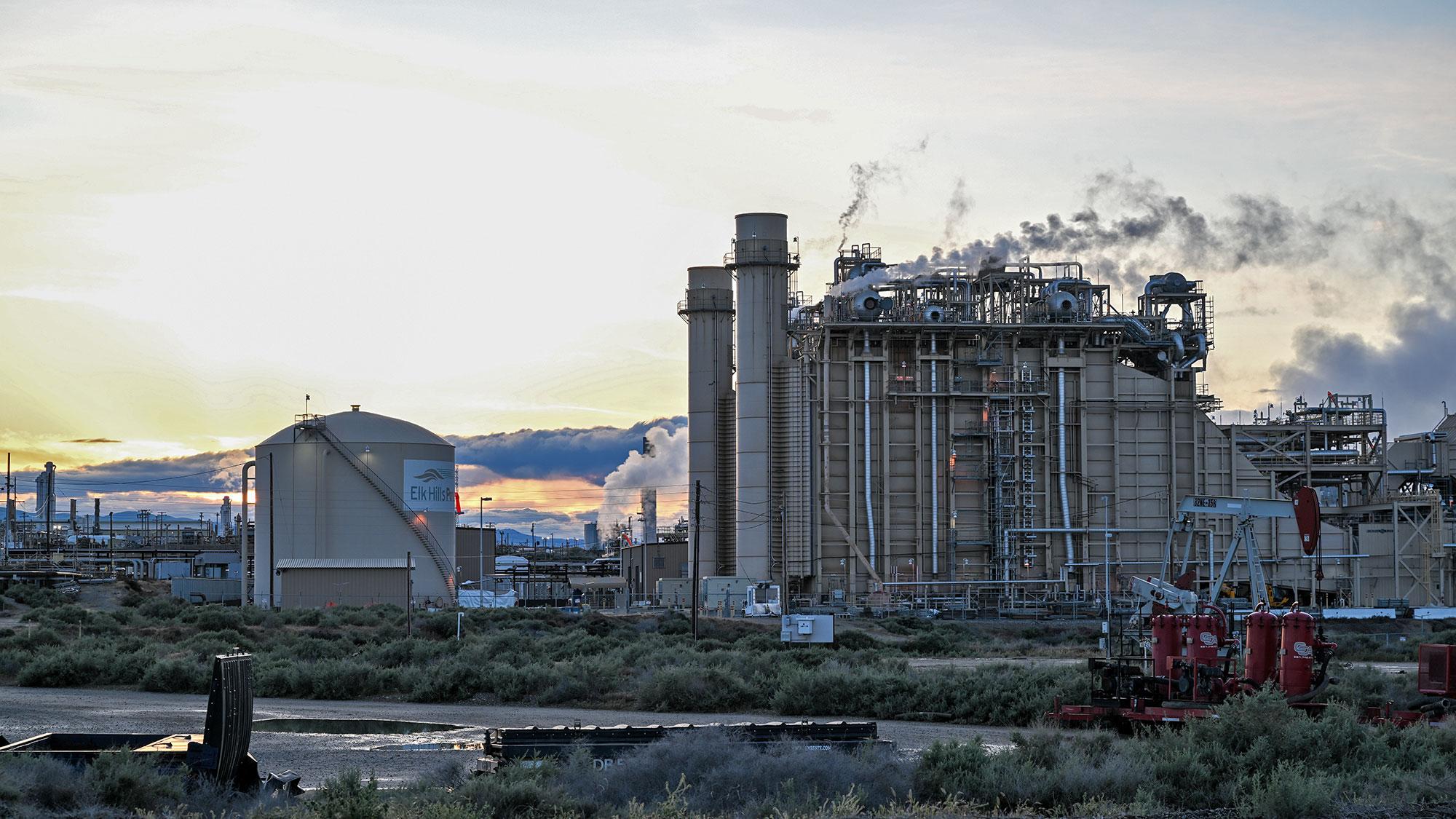
This week, California Resources Corporation (CRC), the state’s largest oil producer, unveiled a proposal that could provide a blueprint for the industry’s future. The company plans to construct a 600,000-square-foot data center campus on its Elk Hills oil field, located in California’s Central Valley, roughly two hours north of Los Angeles.
By repurposing land that has been dedicated to industrial activity for over a century, CRC aims to bypass the typical community backlash that has stalled projects elsewhere. The site, which spans tens of thousands of acres, allows the proposed "Golden Valley Technology Hub" to sit over a mile away from the nearest residential property, theoretically eliminating the noise and aesthetic concerns that frequently derail suburban projects.
"By repurposing an existing industrial site, creating jobs and tax revenue in Kern County, utilizing dedicated on-site power, and employing one of the industry’s most water-efficient cooling systems, the project is designed to support California’s growing digital infrastructure needs while minimizing impacts on local communities," said Chris Gould, CRC’s chief sustainability officer and head of its carbon capture ventures.
Chronology of the AI-Energy Convergence
The convergence of fossil fuel extraction and AI infrastructure is not merely a California phenomenon; it is a burgeoning trend across the American energy landscape.
- Mid-2025: The pressure on existing power grids reaches a breaking point as AI clusters require gigawatt-scale power. Companies like Chevron and Microsoft begin exploring "co-location" deals in Texas, where excess natural gas production can be converted directly into electricity for data centers.
- Early 2026: Environmental lawsuits mount in the Midwest as residents challenge the use of rural farmland for data centers, leading to a surge in legislative efforts to regulate the industry.
- March 2026: A Kentucky woman makes national headlines by rejecting a $26 million buyout offer to convert her family farm into a data center, highlighting the growing tension between private landowners and tech developers.
- June 2026: CRC and Beacon officially propose the Golden Valley Technology Hub in Kern County, positioning themselves as a "responsible development" alternative to the land-use conflicts plaguing the tech sector.
The Logic of Brownfields: Why Energy Producers are Betting on AI
The strategic rationale behind building in oil fields is simple: energy autonomy. Data centers are ravenous consumers of electricity, and the primary bottleneck for their deployment is grid interconnection.
The Elk Hills field already possesses a 550-megawatt natural gas power plant, originally constructed to generate steam for drilling operations. As crude production has naturally declined, the plant has been running well below capacity. By plugging a data center into this "captive" power source, developers like CRC can avoid the lengthy queue for grid upgrades that often stalls data center projects by years.
"Where you stand on these things depends on where you sit," says Gabriel Collins, a research fellow at Rice University’s Center for Energy Studies. "If you’re already out in the middle of an area that’s seen heavy industrial activity for a long time, there’s already a precedent. Folks there will probably find it easier to deal with."
For oil producers in the Permian Basin of Texas, the model is even more lucrative. Natural gas, which is often burned or vented during the drilling process because it lacks a pipeline to move it to market, can now be burned on-site to power high-density computing clusters. This turns a waste product into a revenue stream, effectively insulating oil companies from the long-term decline in global oil demand.
Official Responses and Stakeholder Interests
The response to the CRC project in Kern County has been a study in conflicting priorities.
Proponents: Supporters of the project point to the dire economic situation in Kern County. Since 2015, the region has lost nearly half of its oil and gas jobs, dropping from 12,000 to 6,000. CRC estimates the new project will create 1,500 union construction jobs and 250 permanent positions, providing a vital lifeline to a local economy that has seen its tax base shrink as oil production wanes.
Environmental Opposition: Environmental advocates are sharply critical. Nina Robertson, a deputy managing attorney at Earthjustice, argues that the move is fundamentally hypocritical. "It’s a disservice to the people who are breathing that unhealthy air," she said, noting that Kern County already suffers from poor air quality. Robertson contends that California, a leader in renewable energy, should not be building new fossil-fuel-dependent infrastructure when it has the capacity for solar and grid-scale battery storage.
State Leadership: Governor Gavin Newsom, who has overseen a massive regulatory crackdown on the state’s oil industry, has maintained a cautious distance. While he previously praised CRC’s carbon capture innovation as "the California way," his office has stated that the decision-making process for the data center rests firmly with Kern County officials.
Implications: A Sustainable Future or Greenwashing?
The central controversy of the Elk Hills project lies in its environmental mitigation strategy. CRC is positioning itself as a "transition company," akin to Norway’s Equinor. They argue that by using carbon capture and storage (CCS) technology, they can neutralize the emissions from the natural gas plant that powers the data center.
However, critics remain skeptical. Earthjustice and other climate groups have argued in ongoing litigation that carbon capture often acts as a "get-out-of-jail-free card" for fossil fuel companies, extending the lifespan of infrastructure that should be decommissioned. They fear that if these data centers are built, they will create a permanent, locked-in demand for natural gas, thereby undermining the state’s long-term climate goals.
The Long-Term Outlook
If the Golden Valley Technology Hub is approved, it could trigger a wave of similar projects across the American West. The "brownfield" approach—building on contaminated or exhausted industrial sites—is undeniably more palatable to the public than paving over green pastures or building next to schools.
Yet, the fundamental question remains: Can an industry built on extraction successfully pivot to become the backbone of the digital future without perpetuating the environmental harms of the past? For CRC and the tech giants they hope to partner with, the answer will determine not just their profitability, but their social license to operate in an increasingly climate-conscious nation.
As the AI boom continues to demand more power, the quiet, desolate landscapes of our nation’s oil fields may soon become the silent, humming engines of the digital age—whether the public is ready for that shift or not.


 Laily UPN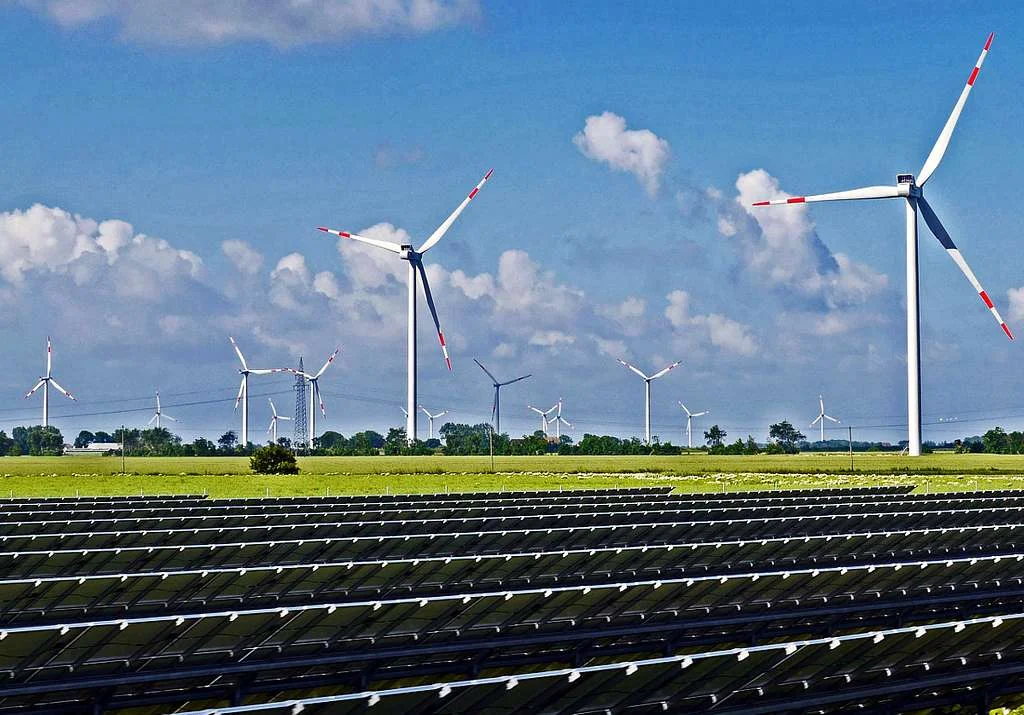
 Layla Zulfa