
 Sagoh
Sagoh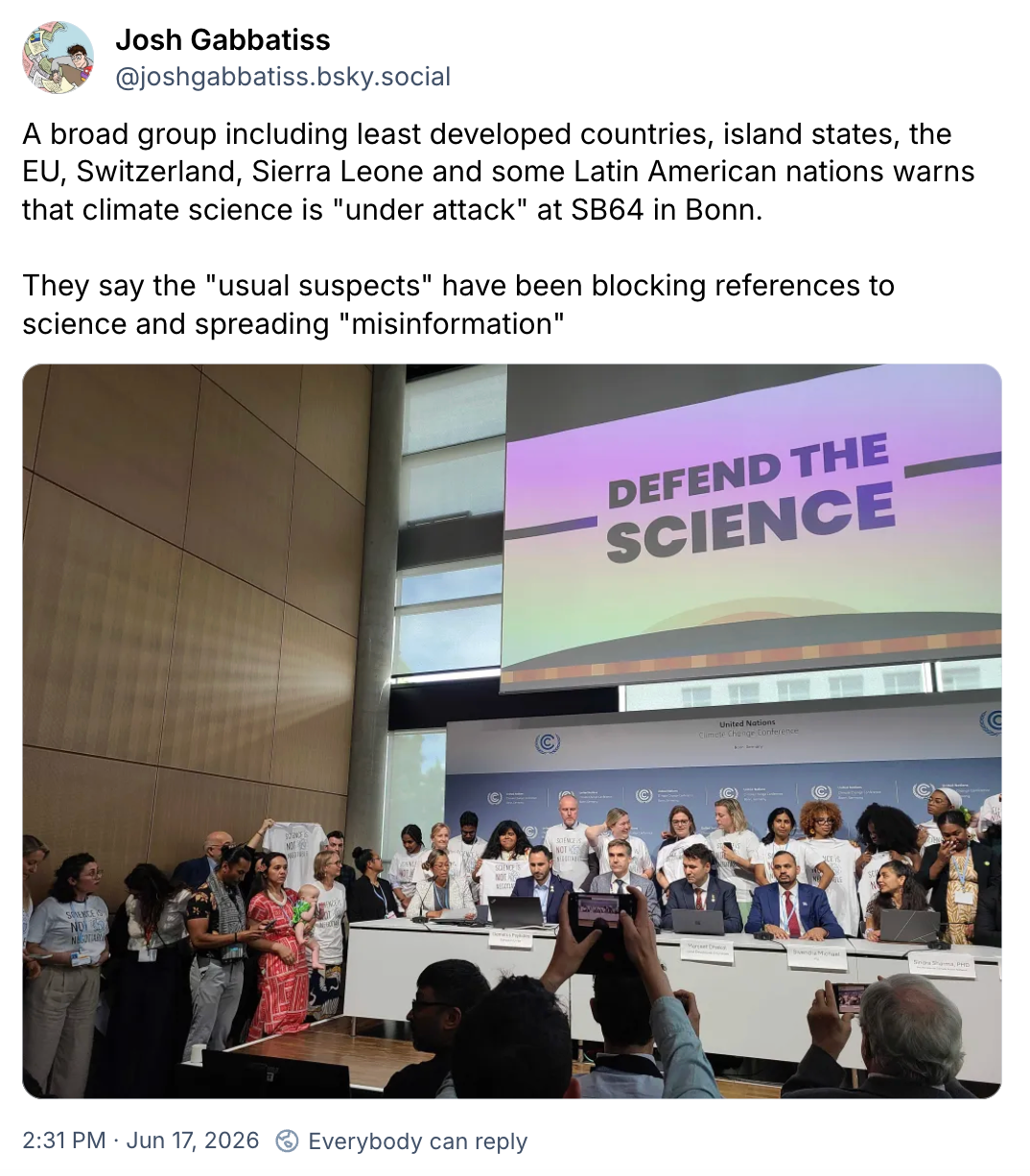
Two weeks of intensive negotiations in Bonn, Germany, concluded on 18 June 2026, leaving the international climate community in a state of deep concern. The 64th biannual sessions of the UN Framework Convention on Climate Change (UNFCCC) subsidiary bodies—known as SB64—ended in what UN Executive Secretary Simon Stiell described as "gridlock." As diplomats struggled to bridge the chasm between developed and developing nations, the core mechanisms for global climate action were left in legislative limbo, deferred to the upcoming COP31 summit in Antalya, Turkey.
The talks were defined by a palpable erosion of trust. In a new, fragmented geopolitical landscape, the traditional consensus-based model of the UNFCCC faced its most significant stress test in years. From the failure to reach agreement on adaptation finance to the "rule 16" deferral of the mitigation work programme, the results of the Bonn session suggest a dangerous drift in global climate governance.
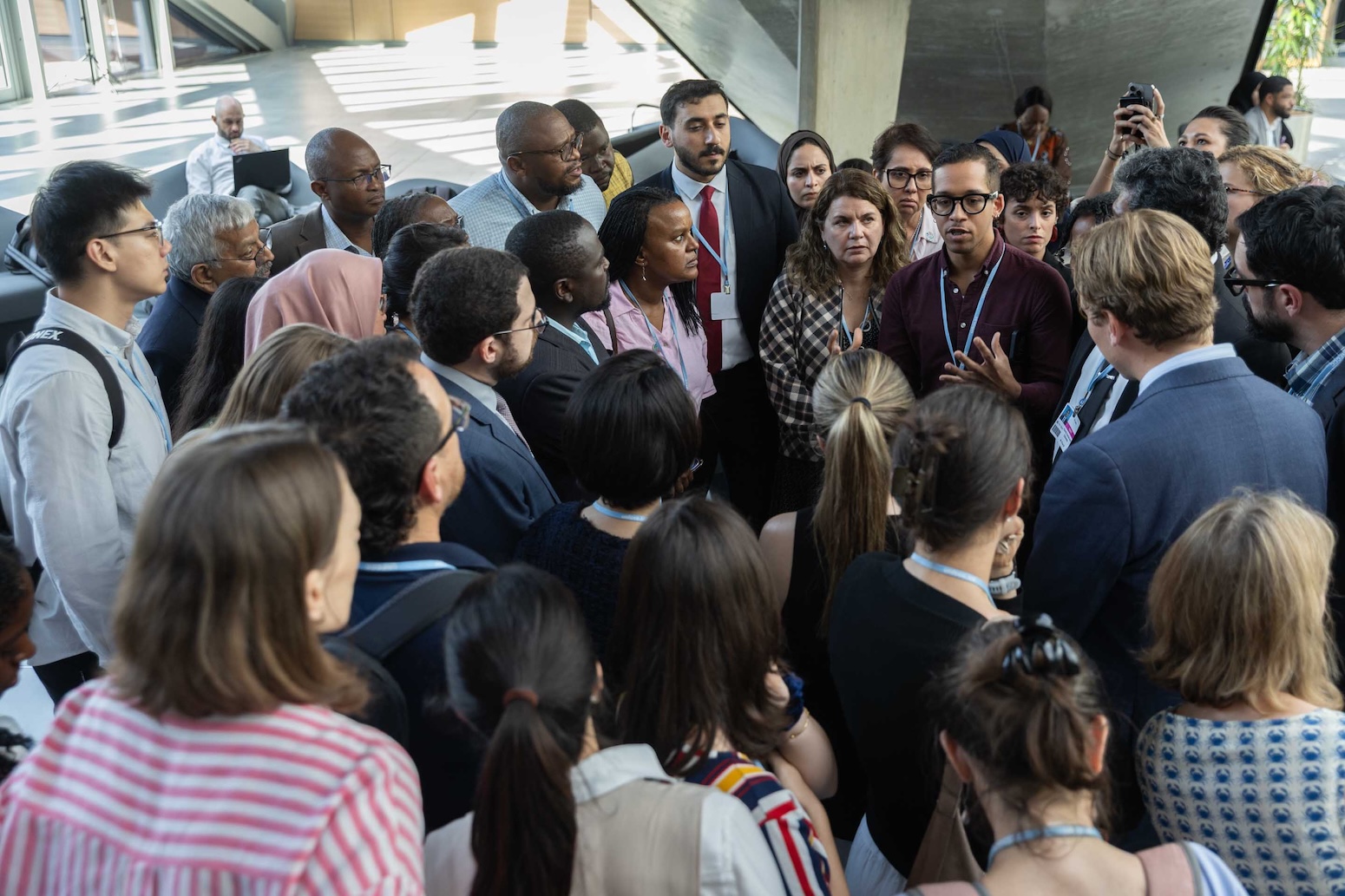
The Core Impasse: Finance and Trust
The primary fault line in Bonn remained the provision of climate finance. While developed countries pointed to recent OECD figures suggesting a record $136.7bn in climate finance was mobilized in 2024, developing nations argued that the quality, accessibility, and predictability of this support are failing.
"Public finance is oxygen for us," stated Isatou Camara, lead climate finance coordinator for the Least Developed Countries (LDCs). "When we talk about what we need as vulnerable nations, it is about survival—it is about enhancing resilience."
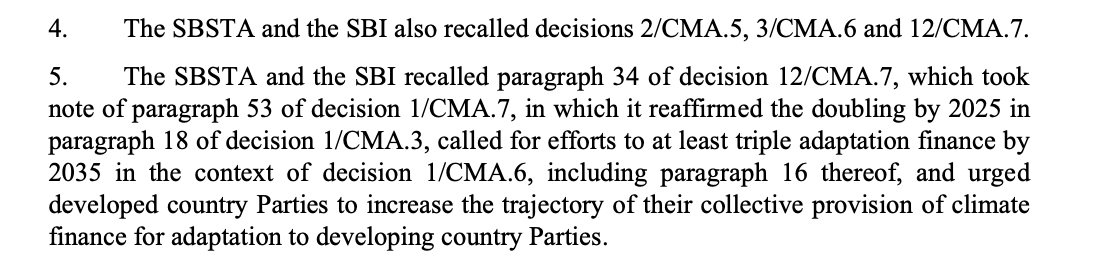
The tension stems from a fundamental disagreement over Article 9.1 of the Paris Agreement. Developing countries, led by the G77 and China, demanded a dedicated space to discuss the obligation of developed countries to "provide" public finance. Conversely, developed nations, including the EU, Canada, and Japan, sought a broader, more flexible interpretation of finance that includes private capital and contributions from wealthier developing economies. This disagreement effectively blocked progress on the Global Goal on Adaptation (GGA), resulting in the entire text being moved to COP31 without a consensus-based conclusion.
Chronology of the Bonn Standoff
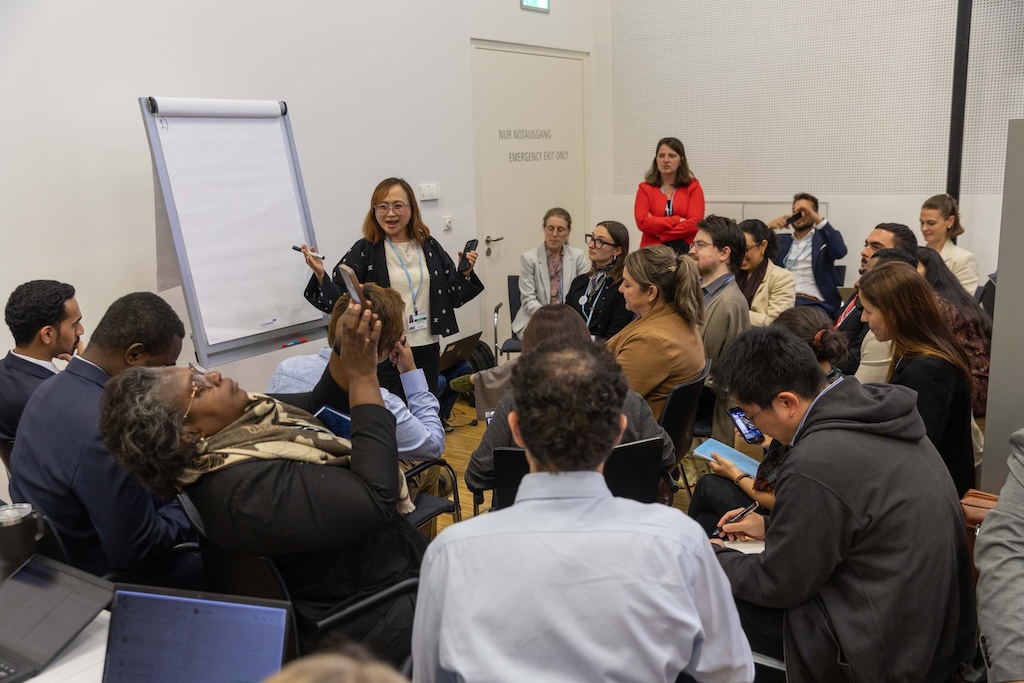
- Early June: SB64 opens with a focus on "workshops" rather than formal negotiations, reflecting an attempt to lower temperatures after the intense debates at COP30.
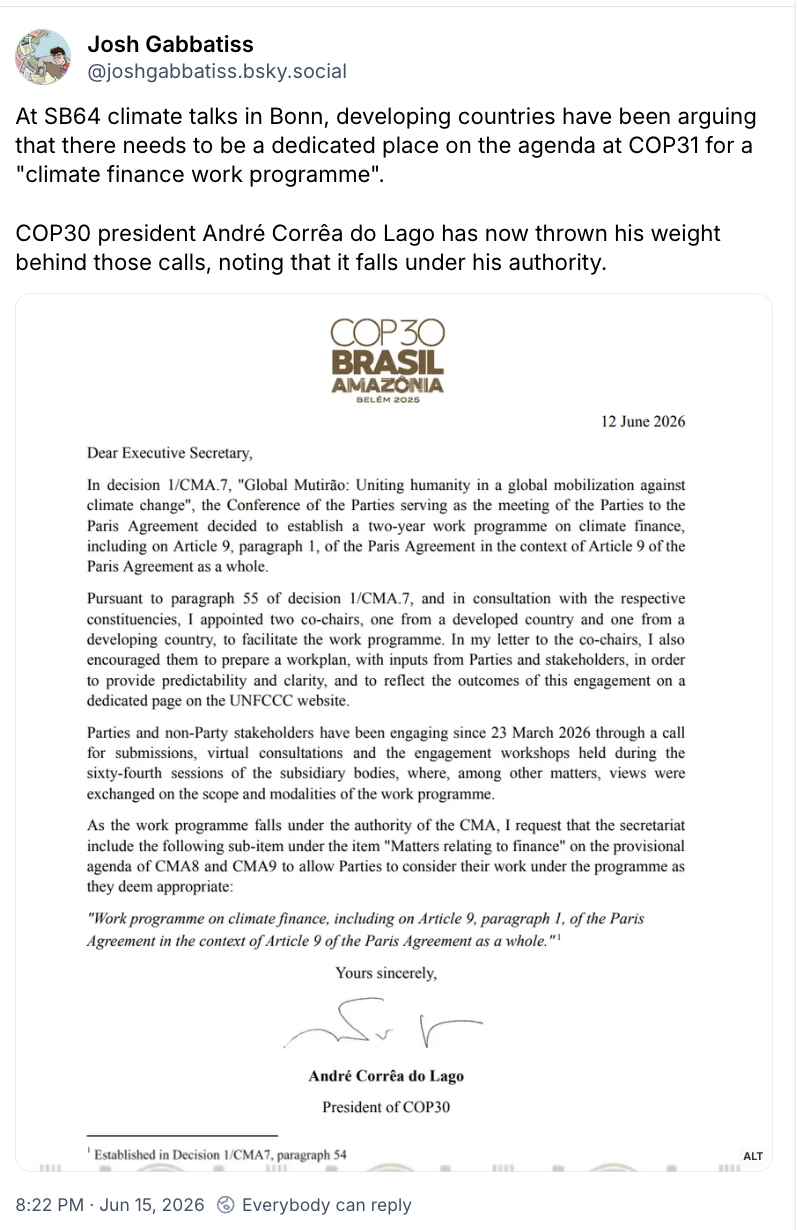
- 11 June: Developing nations push for Article 9.1 of the Paris Agreement to be a standalone, high-priority agenda item for COP31. Developed nations resist, favoring a "streamlined" approach to all finance.
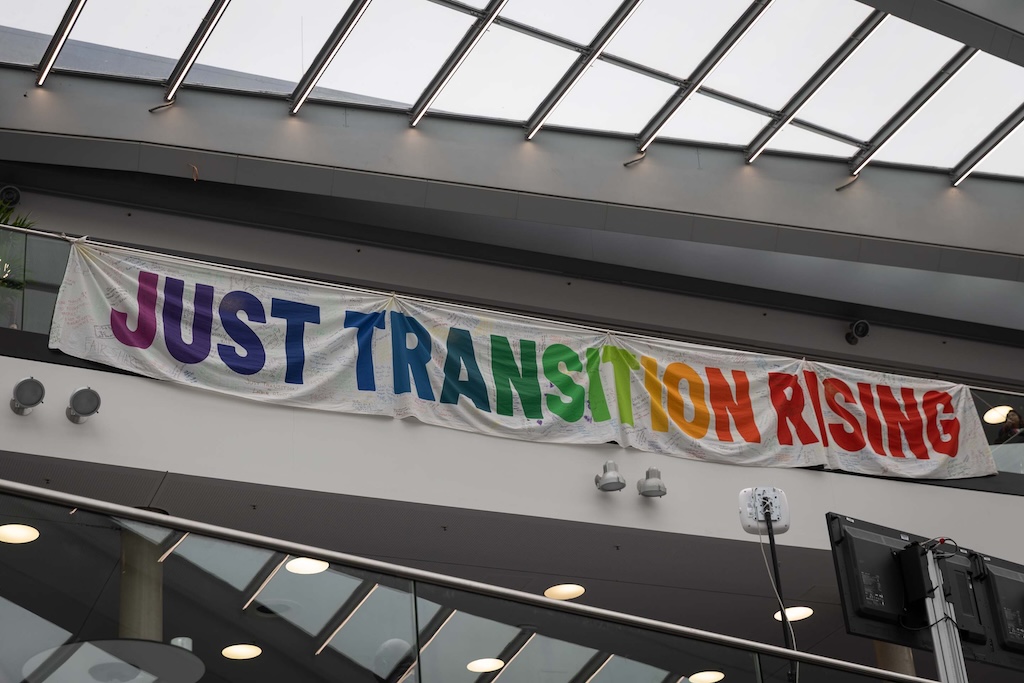
- 13 June: Disagreements deepen over the "Just Transition Mechanism." Observers report that negotiators spent nearly an entire week on procedural technicalities rather than substantive policy.
- 15 June: A press conference held by a coalition of vulnerable nations and EU members accuses "fossil-fuel interests" of a "coordinated attack" on climate science.
- 16 June: The COP30 presidency introduces a "non-exhaustive" draft text for the Just Transition Mechanism, providing a glimmer of hope that a breakthrough might be possible.
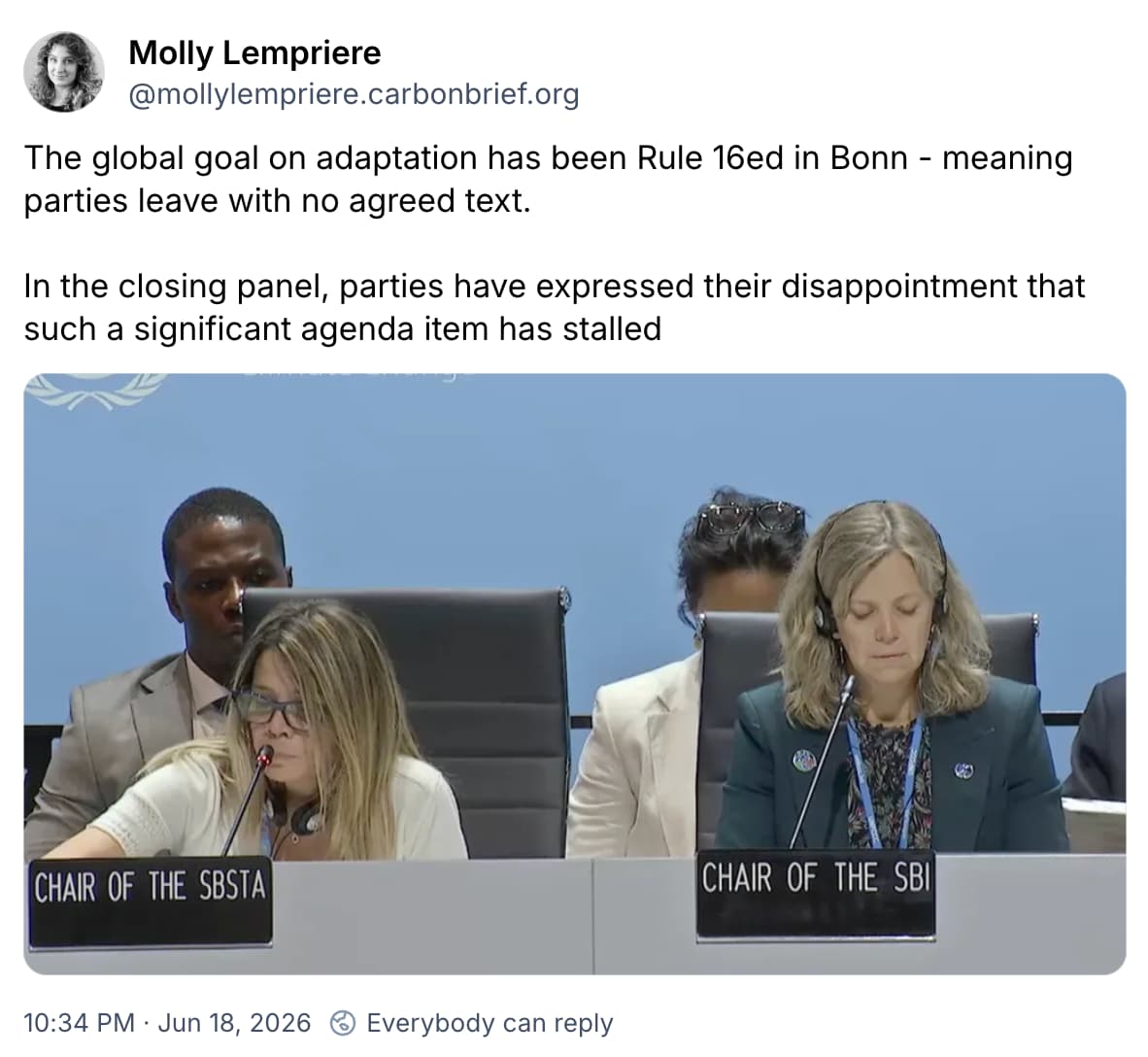
- 18 June: The closing plenary confirms that the Mitigation Work Programme (MWP) and the Global Goal on Adaptation (GGA) have been subject to "rule 16," meaning they have been kicked to COP31 with no agreed text.
Supporting Data: The Cost of Silence
The failure to reach an agreement in Bonn is not merely procedural; it has real-world economic and environmental consequences. According to data analyzed by the Zoological Society of London, the current siloed approach to the three Rio Conventions (Climate, Biodiversity, and Desertification) is costing the global economy between $10tn and $25tn annually.
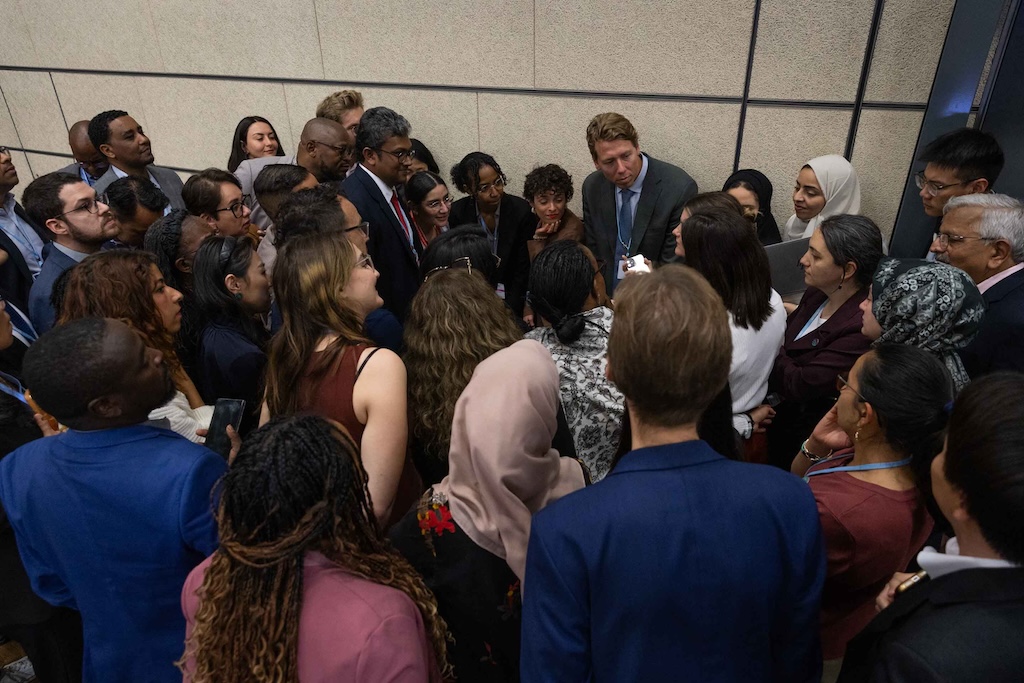
Furthermore, the "tripling" of adaptation finance—a promise made at COP30—remains an empty vessel. While many developing countries insist that the 2035 target should be set at $120bn based on previous baselines, the lack of a defined baseline or contribution structure has led to what ActionAid’s Teresa Anderson calls a "soft acknowledgement" that rich countries are hoping to forget.
The data on fossil fuel subsidies and investment also paints a bleak picture. While the "action agenda" aims to boost electrification to 35% of global energy demand by 2035, the reality remains that public climate spending is under threat from aid cuts by major donors, particularly the United States, and the fiscal strain of the ongoing conflict in Iran, which has diverted national budgets toward defense rather than energy transition.
Official Responses and Political Maneuvering
The closing plenary was characterized by a mixture of resignation and frustration. AOSIS (Alliance of Small Island States) noted that the outcome was "completely unacceptable," while the COP30 presidency attempted to maintain a sense of momentum by exercising its authority to request the inclusion of Article 9.1 on the COP31 agenda—a move that is non-binding but diplomatically significant.
The "president of negotiations" for COP31, Australia’s Chris Bowen, sought to reassure delegates that the "action agenda"—initiatives outside of formal UNFCCC negotiations—would continue to move forward regardless of the gridlock. "The action agenda is set by the presidency," Bowen stated, "whereas the negotiations are a party-driven process that requires consensus."
However, this separation of "action" and "negotiation" was criticized by some as a way to circumvent the harder, more binding commitments. Saudi Arabia, speaking for the Like-Minded Developing Countries (LMDCs), explicitly argued that initiatives like the "Belém mission to 1.5C" should remain strictly voluntary and not be used to impose new mandates on fossil-fuel-producing nations.
Implications: The Road to Antalya
As the international community looks toward COP31 in Antalya, Turkey, the effectiveness of the UN climate process is under severe scrutiny. The "you-first-ism" identified by Simon Stiell—where groups refuse to act until others do—has created a state of paralysis.
1. The Existential Threat of 1.5C
The debate over the 1.5C temperature limit has become increasingly polarized. Vulnerable nations see any move away from this target as a betrayal, while large emerging economies argue that 1.5C pathways often place an "unfair burden" on their development. The refusal of several nations to align the Intergovernmental Panel on Climate Change (IPCC) seventh assessment report (AR7) timeline with the second Global Stocktake indicates that these disagreements are far from being resolved.
2. The Rise of "Coalitions of the Willing"
With formal negotiations stalled, the future of climate action may shift toward "coalitions of the willing"—smaller groups of countries, businesses, and civil society actors working on specific issues like ocean protection or fossil-fuel transition. While this can yield quick results, it risks fragmenting the global response and weakening the overarching authority of the Paris Agreement.
3. The Need for Ministerial Intervention
Stiell’s final plea in Bonn was for countries to bring ministers to the table early. The "thorniest issues"—specifically the definition of finance, the role of carbon capture in transition pathways, and the structure of the Just Transition Mechanism—cannot be solved by technical negotiators alone. They require political capital that only heads of state and ministers can provide.
As the calendar turns toward November, the "implementation COP" in Turkey faces a monumental challenge: it must move from the rhetoric of "accelerating action" to the reality of providing the funding and political consensus necessary to save the Paris Agreement from obsolescence. If Bonn is any indicator, the path to Antalya will be defined by friction, and the success of the summit will depend on whether world leaders are prepared to stop pointing fingers and start sharing the burden of transition.

 Laily UPN
 Layla Zulfa